A 2 minute assessment to get a personalized mental health or alcohol recovery plan.

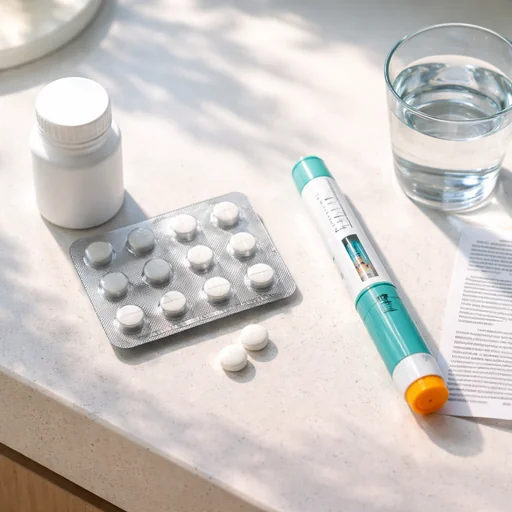
Naltrexone carries an FDA category C label, but newer case data and the very real risks of untreated alcohol use disorder mean this is no longer a simple conversation. Here is what the current research shows.
What You'll Learn:
• Why naltrexone's pregnancy category has historically been described as "unclear" and what that actually means.
• What recent human case series and scoping reviews tell us about outcomes.
• How clinicians weigh the harms of ongoing heavy drinking against medication exposure.
• Questions to bring to a prescribing clinician if you are pregnant or planning pregnancy.
• Where naltrexone fits alongside therapy, coaching, and non-medication supports during pregnancy.
Few questions in alcohol care feel more loaded than whether to take naltrexone during pregnancy. Pregnant and newly-pregnant people who struggle with drinking often get two conflicting messages at once. Avoid every medication that is not strictly necessary, and also please stop drinking immediately. For someone with an active alcohol use disorder, those two things can be in direct tension.
This article walks through what the current published evidence actually says, where the gaps are, and what a thoughtful conversation with a prescribing clinician looks like. It is educational and not a substitute for medical advice. If you are pregnant and drinking heavily, please read to the end, where we include a supportive path forward.
Why the FDA Category C Label Still Shapes the Conversation
Naltrexone has carried a pregnancy category C designation for decades. In plain terms, category C means animal studies have shown some effect on the fetus, or the studies have not been done, and there are not enough controlled human studies to rule out risk. It is an admission of uncertainty more than a verdict of harm.
In 2015 the FDA retired the letter-category system for new drug labels in favor of a narrative format, but naltrexone's older label stuck in the clinical vocabulary. That is why you will still see category C referenced in prescribing information, patient handouts, and even some up-to-date clinical summaries.
The practical effect has been caution. Many obstetricians and primary care clinicians will not start naltrexone in a pregnant patient unless the risks of not treating the underlying condition are judged to clearly outweigh the unknowns. That logic is reasonable. It is also why the published literature has grown slowly, since few pregnant people are studied on a medication their own doctors are hesitant to prescribe.
What Untreated Alcohol Use Disorder Does During Pregnancy
To understand why clinicians are beginning to reconsider the old default, you have to understand what heavy drinking during pregnancy actually costs. According to the Centers for Disease Control and Prevention, alcohol is a known teratogen and there is no amount of alcohol that is confirmed safe at any point in pregnancy. Prenatal alcohol exposure is the leading preventable cause of developmental and behavioral problems in children in the United States.
Fetal alcohol spectrum disorders include a range of physical, cognitive, and behavioral effects that last a lifetime. The risk rises with the amount and frequency of drinking, but even moderate exposure in the first trimester has been associated with measurable harm. For someone who cannot simply stop on willpower alone, the status quo of continued drinking is not neutral.
That is the context for the shift in how researchers frame the question. The choice is rarely naltrexone versus a pristine pregnancy. It is more often naltrexone versus continued exposure to alcohol, which has its own well-documented and severe risks.
What the Current Research Actually Shows
Two recent publications have changed the conversation. In 2024, a case series published in the American Journal on Addictions followed pregnant individuals treated with oral naltrexone for opioid or alcohol use disorder. The authors found no pattern of pregnancy complications or neonatal outcomes that could be attributed to the medication, and they emphasized that the patients in the series had better pregnancy outcomes than would be expected from untreated severe substance use.
A broader 2024 scoping review in CNS Drugs looked at both human and animal data on alcohol pharmacotherapies during pregnancy. The authors concluded that naltrexone does not appear to be associated with substantial risks of congenital malformations or other serious consequences, and that for patients with moderate to severe AUD, the medication should be considered rather than reflexively withheld.
Earlier in 2019 a commentary in the American Journal of Obstetrics and Gynecology made a similar argument, noting that the risk-benefit calculus for pregnant patients with AUD deserves reevaluation given how poorly counseling alone performs for severe cases.
None of these papers claim naltrexone is proven safe. What they argue is narrower and more honest. The available human data does not show a clear signal of harm, the untreated condition is demonstrably harmful, and the old default of avoidance may not actually protect patients or their infants.
What Is Still Unknown
Being transparent matters here. The human dataset for naltrexone in pregnancy is small, mostly consists of patients treated for opioid use disorder, and is observational rather than randomized. That means:
• Sample sizes are too small to detect rare adverse events.
• Confounding is hard to fully rule out, since patients who receive treatment differ in many ways from those who do not.
• First-trimester exposure data is thinner than later pregnancy data.
• Long-term child outcomes beyond infancy are not yet well studied.
Clinicians who lean toward using naltrexone in pregnancy are not dismissing these gaps. They are weighing them against the much larger, better-established dataset on what untreated heavy drinking does to fetal development.
How Clinicians Typically Approach the Decision
When a prescribing clinician and a patient sit down to talk this through, a few themes usually come up.
The severity of the drinking matters. Someone who is drinking daily and heavily faces a different calculation than someone who has mostly cut back and is experiencing occasional cravings. As we discuss in our guide to how to use naltrexone to stop alcohol cravings, the medication is most useful when cravings are driving continued drinking despite a genuine desire to stop.
Gestational timing matters. The first trimester is the period of most active organ development, and most clinicians who consider naltrexone in pregnancy are more cautious here than in the second or third trimester. Many prefer to start or continue therapy-based interventions first and introduce medication only if those alone are not enough.
Alternatives are evaluated. Cognitive behavioral therapy, structured coaching, mutual support groups, and intensive outpatient programs are usually tried first. Naltrexone is considered when a patient has tried non-medication supports without success and is still drinking at levels likely to cause fetal harm.
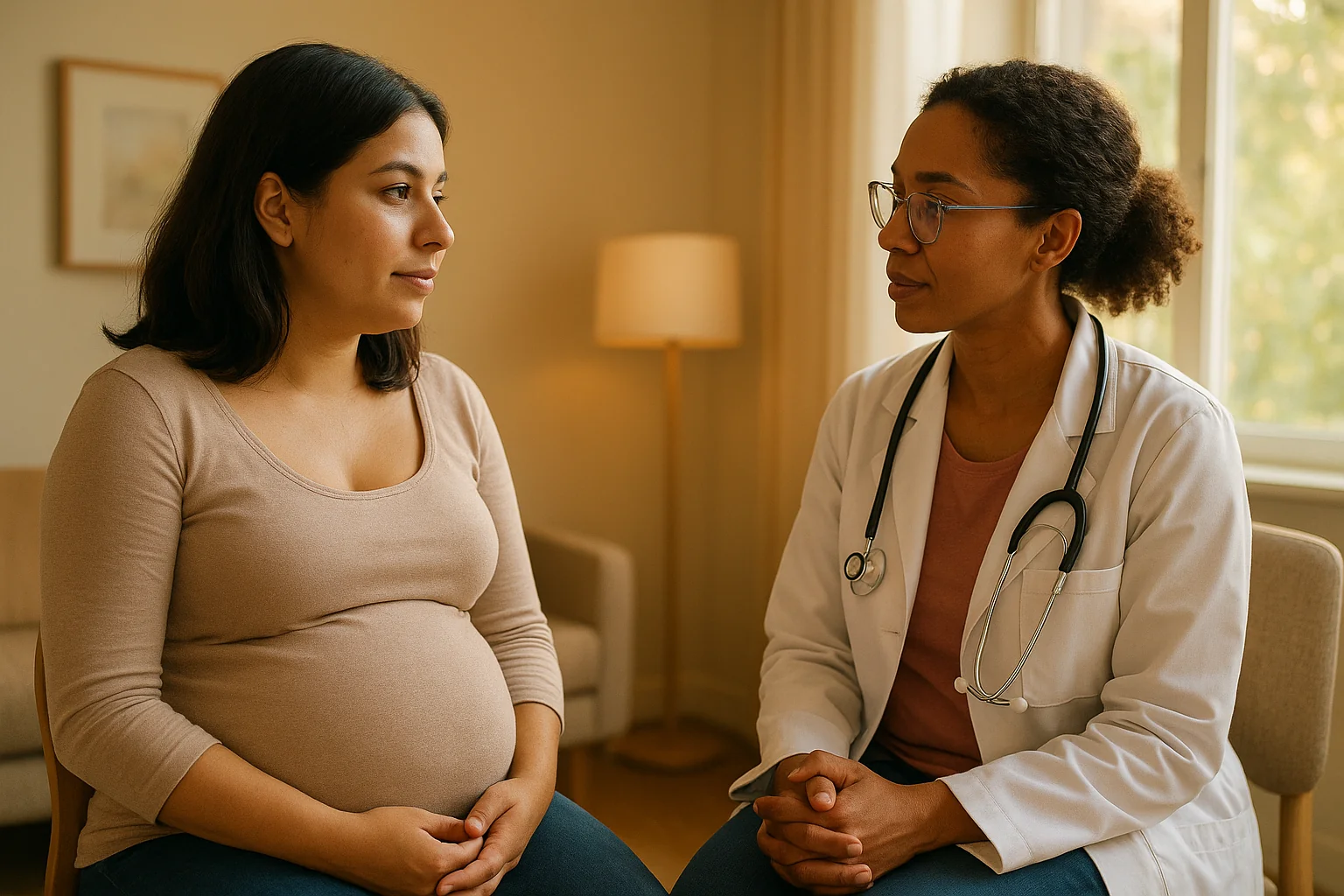
Informed consent is emphasized. A good conversation covers what we know, what we do not know, and what the realistic alternatives are. The decision is ultimately the patient's to make with her clinician.
Naltrexone, Breastfeeding, and the Postpartum Window
For many patients the pregnancy question does not end at delivery. Alcohol relapse risk can rise in the postpartum period, particularly alongside sleep deprivation, mood changes, and the social transitions of early parenthood. The good news is that the picture for naltrexone during breastfeeding is a bit clearer than during pregnancy. According to the National Library of Medicine's LactMed database, the small amounts of naltrexone and its active metabolite found in breast milk are not expected to cause adverse effects in breastfed infants, especially after the newborn period.
That means some patients who were hesitant to take naltrexone in the third trimester find they are willing to start or resume it in the weeks after delivery, either while still breastfeeding or after weaning. This should always be a conversation with both the prescribing clinician and the pediatrician.
What to Bring to a Conversation With Your Clinician
If you are reading this while pregnant, or while planning a pregnancy, a short list of questions can make the appointment more productive.
• What is my current drinking level, and how would you describe it clinically?
• Have I tried therapy or coaching alone, and have those been enough to stop or reduce drinking?
• What do you see as the main risks if I keep drinking at this level for the rest of this pregnancy?
• What do you see as the main risks of taking naltrexone starting now?
• Can we set specific goals and a check-in schedule, whether or not we start medication?
These questions invite the kind of individualized conversation that standardized pamphlets cannot offer. They also signal that you are taking the decision seriously, which tends to change the tenor of the visit.
The Bigger Point on Alcohol Care During Pregnancy
The older framing in alcohol care treated pregnancy and medication as mutually exclusive. Do not drink. Do not take anything. Wait until after. That framing works when a patient can simply stop, and it fails when she cannot.
Alcohol use disorder is a medical condition, not a lapse in character. Treating it during pregnancy is not a luxury or an indulgence. It is a way of protecting both the pregnant person and the developing fetus from the well-documented harms of continued heavy drinking. The evolving research on naltrexone is beginning to catch up to that clinical reality. As we note in our article on women and alcohol, women face physiological and social pressures around drinking that deserve specific, non-judgmental care.
For readers who want a broader look at how naltrexone interacts with other reproductive health considerations, our post on naltrexone and birth control covers that adjacent question in detail.
A Note on Safety and When to Seek Emergency Care
If you are pregnant and drinking heavily enough that stopping suddenly could cause withdrawal symptoms like shaking, sweating, rapid heartbeat, confusion, or seizures, please seek medical care before trying to quit on your own. Alcohol withdrawal during pregnancy is dangerous for both the pregnant person and the fetus and should be managed in a clinical setting. Call your obstetrician, your primary care clinician, or go to an emergency department. This is not a situation to handle at home.
Bottom Line
Naltrexone in pregnancy is a conversation, not a rulebook. The current evidence does not show a clear pattern of harm, the alternative of untreated heavy drinking does show clear harm, and thoughtful clinicians are increasingly willing to consider medication as part of a broader plan. It is still a decision to make carefully, with full information, and with a clinician who knows your specific situation.
If you are currently drinking more than you want to and are pregnant, planning to become pregnant, or recently postpartum, you do not need to figure this out alone. You can take our online Alcohol Use Assessment to get a clearer picture of your drinking, and our clinical team can help you think through whether naltrexone makes sense for your situation or whether another approach fits better right now.
This article is educational and is not medical advice. Naltrexone is a prescription medication and decisions about starting, stopping, or continuing it during pregnancy should be made with a qualified clinician who knows your full medical history.