A 2 minute assessment to get a personalized mental health or alcohol recovery plan.

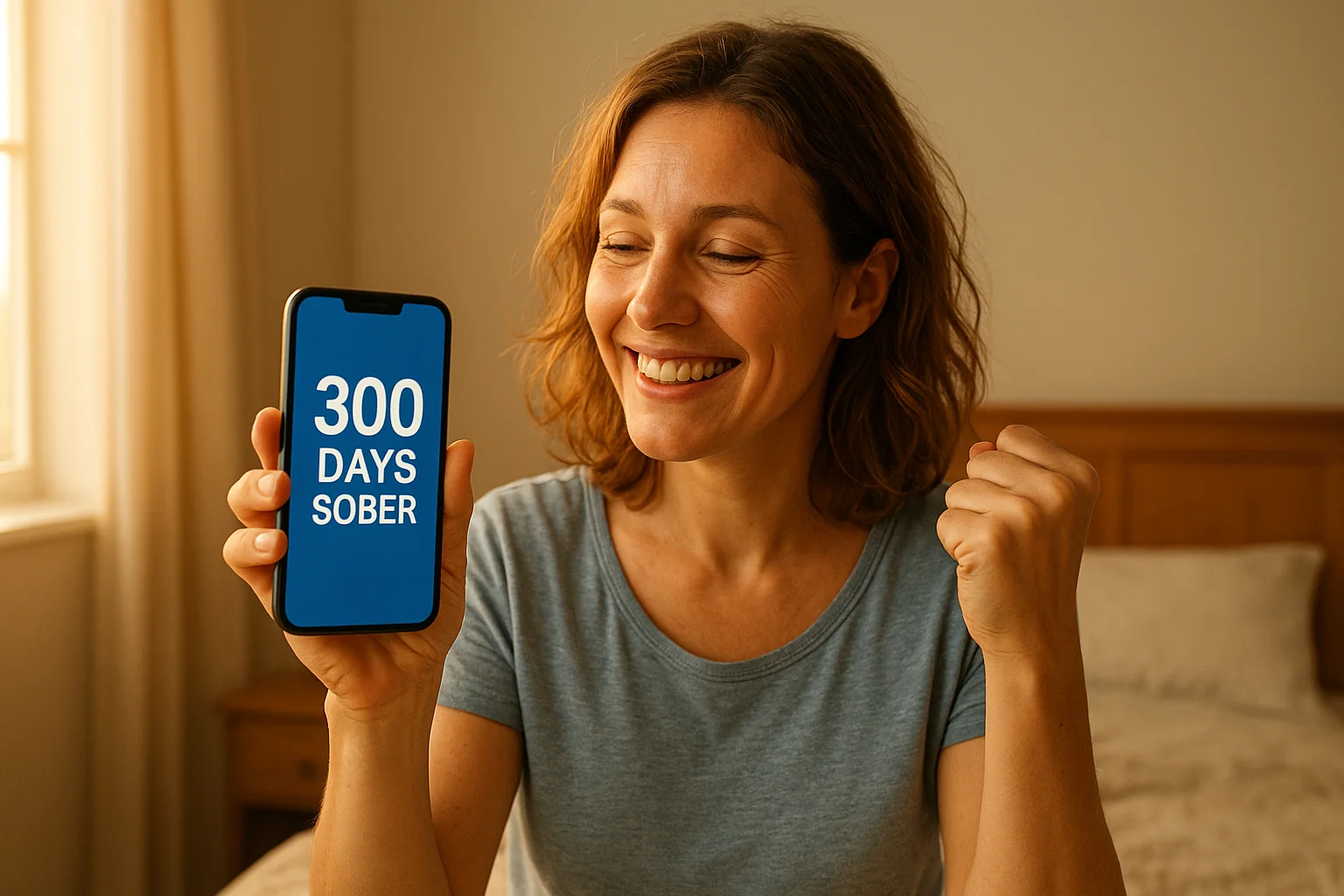
Getting sober is a journey with predictable stages, and knowing what to expect helps you prepare for success.
What You'll Discover:
• What the early days of sobriety are really like.
• Physical and mental changes to expect.
• How life improves after getting sober.
• Challenges you'll face and how to handle them.
• How medication supports the process.
• What long-term sobriety feels like.
• Getting started on your own journey.
Many people who successfully got sober wish they had known what to expect. The journey has predictable phases, both challenging and rewarding. According to the National Institute on Alcohol Abuse and Alcoholism, recovery is possible, and understanding the path helps you navigate it.
The First Days: What It's Really Like
The first thing to know is that early sobriety involves significant adjustment.
Days 1 to 3: If you've been drinking heavily, withdrawal symptoms may begin within 6 to 12 hours after your last drink. These can include anxiety, shakiness, sweating, nausea, headache, and sleep difficulties. Symptoms typically peak around 48 to 72 hours.
For most people, withdrawal is uncomfortable but manageable. For heavy, long-term drinkers, medical supervision may be needed.
The mental challenge: Beyond physical symptoms, the early days involve mental adjustment. You may feel:
• Restless and unsure what to do with yourself
• Irritable or emotionally volatile
• Uncertain whether you can do this
• Bored without alcohol
• Very aware of how much you thought about drinking
What helps:
• Having support (someone to talk to)
• Staying hydrated and eating well
• Keeping busy with activities
• Taking it one hour or one day at a time
• Medication to reduce cravings
If it seems overwhelming, remember that this phase is temporary. Most people report that the first week is the hardest, and it gets progressively easier.
For more on withdrawal, see our article on how long alcohol withdrawal lasts.
Physical Changes After Getting Sober
Your body begins healing as soon as you stop drinking.
Week 1:
• Withdrawal symptoms subside
• Sleep may still be disrupted
• Energy levels fluctuate
• Hydration normalizes
• Appetite often returns
Weeks 2 to 4:
• Sleep quality improves significantly
• Energy increases
• Mental clarity sharpens
• Digestive system calms
• Skin appearance often improves
• Blood pressure may normalize
Months 1 to 3:
• Liver function improves (measurable on blood tests)
• Weight often changes (usually loss)
• Immune function strengthens
• Brain fog continues lifting
• Physical appearance improvements noticeable
Beyond 3 months:
• Continued healing
• Significantly reduced health risks
• Body reaches new equilibrium
Something to consider is that these changes motivate continued sobriety. Feeling physically better reinforces the choice to stay sober.
Mental and Emotional Changes
Getting sober involves psychological adjustment alongside physical changes.
Early weeks:
• Mood swings as brain chemistry rebalances
• Anxiety may temporarily increase before improving
• Emotions feel more intense without alcohol's numbing
• Boredom or restlessness common
• May feel uncertain or lost without drinking routines
Months 1 to 3:
• Mood stabilizes
• Anxiety typically improves significantly
• Emotional regulation gets easier
• Mental clarity increases
• Depression often lifts
• Confidence builds
Long-term:
• Stable mood becomes normal
• Better equipped to handle stress
• Improved relationships
• Sense of accomplishment
• Freedom from the mental preoccupation with drinking
So, does getting sober fix everything? The short answer is no. But it removes a significant impediment and creates space for addressing other issues.
How Life Improves
People who get sober commonly report these improvements:
Health:
• Better sleep
• More energy
• Improved physical appearance
• Better medical test results
• Fewer sick days
• Reduced health anxiety
Relationships:
• More present with family and friends
• Better communication
• Increased reliability
• Deeper connections
• Less conflict
Work and productivity:
• Better focus
• Improved performance
• More reliable attendance
• Clearer thinking
• More career opportunities
Finances:
• Money saved on alcohol
• Fewer impulsive spending decisions
• Better financial planning
• Resources for things you actually value
Self-perception:
• Increased self-respect
• Sense of accomplishment
• Freedom from shame
• Confidence in your ability to handle challenges
All that said, improvements aren't always linear or immediate. Some benefits appear quickly; others take months to fully manifest.
Challenges and How to Handle Them
Getting sober involves predictable challenges.
Cravings: Urges to drink will occur, especially in early sobriety and in trigger situations. Strategies include:
• Recognizing cravings pass (usually within 15 to 30 minutes)
• Distraction with activities
• Calling support
• Using medication to reduce intensity
Social pressure: Friends, family, or colleagues may encourage drinking. Handle by:
• Having responses ready ("I'm not drinking tonight")
• Avoiding high-pressure situations early on
• Being selective about what you share
• Surrounding yourself with supportive people
Boredom: Without drinking, you may not know what to do with yourself. Address by:
• Developing new hobbies and interests
• Physical activities
• Social connections not centered on drinking
• Being patient as pleasure in other activities returns
Emotional discomfort: Feelings you used to numb with alcohol may surface. Cope by:
• Allowing emotions without using alcohol
• Talking to someone
• Therapy if underlying issues need addressing
• Recognizing emotional regulation improves with time
Setbacks: If you slip, don't catastrophize. Get back on track immediately. A slip doesn't erase progress.
How Medication Supports Getting Sober
Naltrexone can make getting sober significantly easier.
How it works: The medication blocks opioid receptors in the brain. When you drink with naltrexone in your system, alcohol doesn't produce the same pleasurable reward. Cravings decrease over time as the brain unlearns the association between alcohol and pleasure.
Benefits for getting sober:
• Reduces craving intensity from day one
• Makes the transition less uncomfortable
• Provides support during vulnerable early weeks
• Works for both abstinence and moderation goals
• Can be continued long-term for ongoing support
What to expect: Many people who use naltrexone report that getting sober is easier than expected. The mental battle with cravings becomes less intense. The pull toward drinking weakens.
Research shows that people using naltrexone have significantly better outcomes than those not using medication.
Naltrexone is taken as a daily 50mg tablet and is available via telehealth for convenience and privacy.
Our article on how naltrexone helps you regain control explains the medication in more detail.
What Long-Term Sobriety Feels Like
People who stay sober describe a different relationship with life.
The mental shift:
• Not constantly thinking about alcohol
• Freedom from the planning and preoccupation
• Mental space available for other things
• Waking up without regret
• Evenings and weekends fully available
The emotional shift:
• Stability rather than volatility
• Genuine relaxation without substances
• Able to be present in moments
• Confidence in handling challenges
• Pride in what you've accomplished
The practical reality:
• New routines feel normal
• Social situations without alcohol become comfortable
• Triggers lose their power
• Sobriety becomes identity rather than effort
For that reason, many people in long-term sobriety say they don't miss drinking. What seemed like sacrifice initially becomes liberation.
Getting Started
Getting sober is possible. The path has challenges, but they're predictable and manageable. Physical and mental improvements begin quickly and compound over time. Medication can significantly ease the journey.
If you're considering getting sober and want to explore how medication could help, take the online Alcohol Use Assessment to see if naltrexone might be right for you.