A 2 minute assessment to get a personalized mental health or alcohol recovery plan.

Liquid Courage
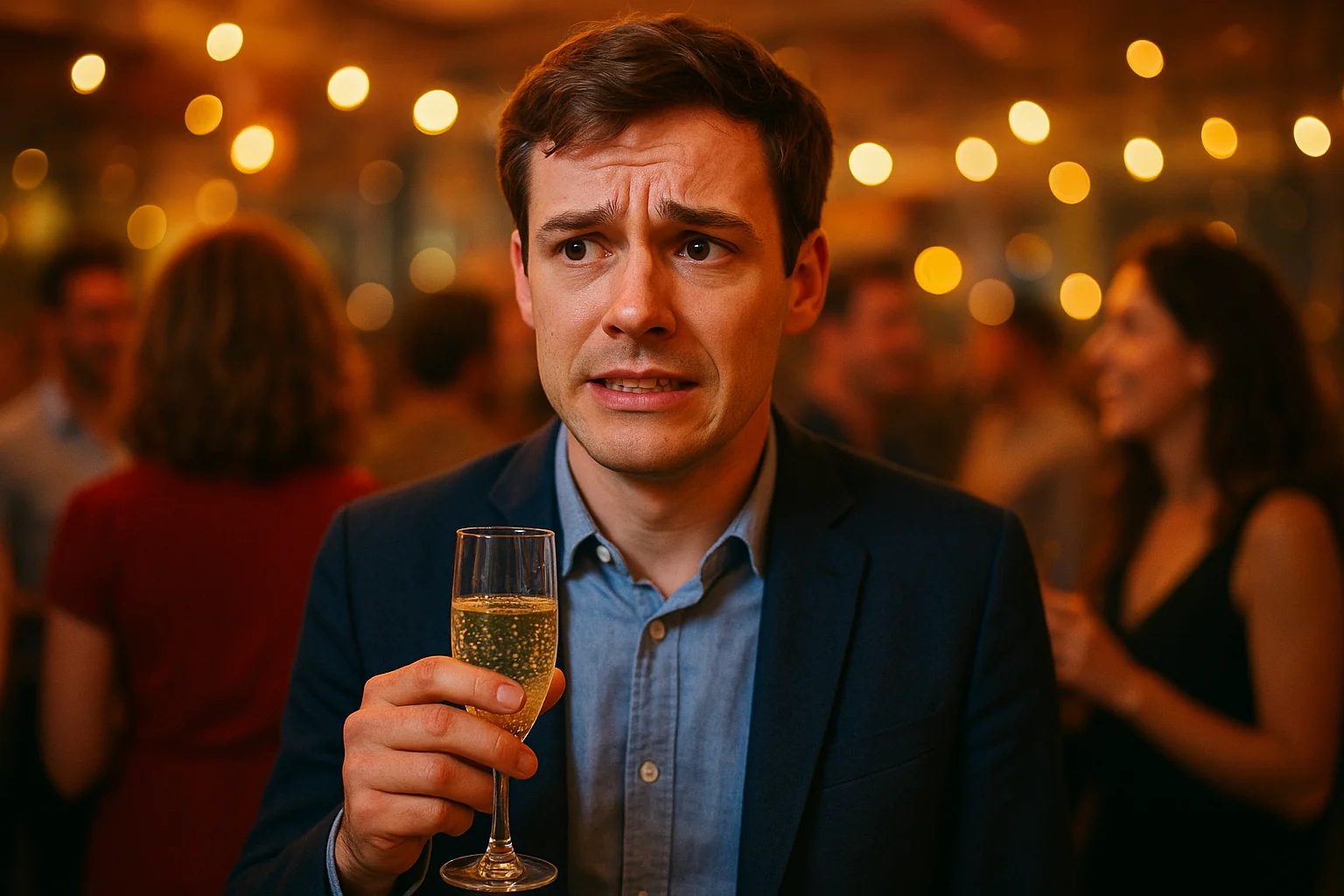
Liquid courage describes the confidence boost people feel after drinking alcohol. The effect is neurologically real but temporary. Understanding why it happens and recognizing when reliance on it becomes problematic helps you make better decisions about alcohol and confidence.
What You'll Discover:
• What liquid courage is and why people experience it.
• The brain chemistry that creates alcohol-induced confidence.
• Why the confidence from drinking is temporary and often backfires.
• The connection between liquid courage and social anxiety.
• When relying on alcohol for confidence becomes a bigger problem.
• How to break the pattern if alcohol has become your confidence crutch.
Most people have experienced it. A drink or two and suddenly conversations feel easier, social situations less intimidating, and bold actions more possible. This is what people mean when they talk about liquid courage.
The effect is real. Alcohol genuinely changes your brain chemistry in ways that reduce anxiety and lower inhibitions. But understanding what's actually happening and recognizing when this temporary confidence becomes a crutch helps you make informed decisions about your relationship with alcohol.
What Is Liquid Courage?
Liquid courage is a colloquial term for the increased confidence and reduced inhibitions people experience after drinking alcohol.
The phrase captures a common experience. Someone feels nervous about approaching a stranger, giving a toast, dancing at a party, or having a difficult conversation. After a drink or two, those actions feel easier. The anxiety decreases. The willingness to take social risks increases.
People use alcohol for liquid courage in many situations. Job interviews. First dates. Networking events. Public speaking. Difficult family gatherings. Asking for a raise. Confronting a friend. Anywhere social anxiety might otherwise hold them back.
The term itself acknowledges that this confidence is borrowed rather than genuine. It comes from a substance rather than from within. The "liquid" modifier distinguishes it from actual courage, which doesn't require chemical assistance.
The Brain Chemistry Behind Liquid Courage
Liquid courage isn't just a feeling. It's the result of specific changes in brain chemistry that begin within minutes of drinking.
GABA enhancement - Alcohol increases the activity of GABA (gamma-aminobutyric acid), your brain's primary inhibitory neurotransmitter. GABA's job is to calm neural activity. When alcohol enhances GABA function, your brain literally becomes less active in regions that produce anxiety, self-consciousness, and fear.
This is why alcohol is classified as a central nervous system depressant. It depresses nervous system activity, including the activity that makes you anxious and self-critical.
Dopamine release - Alcohol triggers dopamine release in your brain's reward center, particularly the nucleus accumbens. This creates the pleasurable, euphoric feeling that accompanies early drinking. The dopamine surge makes you feel good about yourself and your circumstances, contributing to increased confidence and optimism.
Prefrontal cortex suppression - Alcohol suppresses activity in the prefrontal cortex, the brain region responsible for judgment, impulse control, and considering consequences. With this region dampened, you're less likely to second-guess yourself, worry about how others perceive you, or hesitate before acting.
The prefrontal cortex is also where you generate worry about future consequences. When it's suppressed, you focus more on the present moment and less on what might go wrong.
Stress hormone reduction - Alcohol temporarily reduces cortisol and other stress hormones. This creates a physiological sense of relaxation that supports the subjective feeling of confidence. Your body feels calm even in situations that would normally trigger physical anxiety symptoms.
These changes combine to create what feels like genuine courage. You're less anxious, more rewarded, less self-critical, and more relaxed. Of course you feel confident.
Why Liquid Courage Feels Real
The confidence from alcohol isn't fake in the moment. Your brain genuinely is less anxious and more willing to take action.
If you approach someone at a party after two drinks, your reduced anxiety is real. Your willingness to start a conversation is real. Your decreased concern about rejection is real. These aren't hallucinations or delusions. They're the actual effects of alcohol on your nervous system.
This is what makes liquid courage compelling. It works in the short term. The anxiety that would have stopped you sober doesn't stop you after drinking.
People remember these moments. The successful conversation. The bold move that paid off. The fear that melted away. These positive associations reinforce the belief that alcohol genuinely helps.
The problem isn't that liquid courage is imaginary. The problem is that it's temporary, comes with costs, and can prevent you from developing lasting confidence.
The Problem With Relying on Liquid Courage
Several issues emerge when alcohol becomes your go-to source of confidence.
The confidence disappears when the alcohol does - Whatever boldness you gain from drinking vanishes as the alcohol metabolizes. You haven't learned anything. You haven't developed any new capabilities. Tomorrow, without the drink, you're exactly as anxious as you were before.
Anxiety often rebounds worse - Research from the National Institutes of Health shows that alcohol withdrawal, even from moderate drinking, creates anxiety that exceeds baseline levels. The day after drinking, many people experience "hangxiety," heightened anxiety caused by their nervous system rebounding from alcohol's suppressive effects.
This creates a cycle. You drink to reduce anxiety, experience temporary relief, then face worse anxiety the next day. This makes you want to drink again to get relief. Each cycle reinforces the pattern.
You never build genuine skills - If you always drink before social situations, you never practice being socially confident while sober. You don't learn that you can handle rejection, make conversation, or take social risks without chemical assistance.
Confidence comes from accumulated evidence that you can handle challenges. If alcohol always handles the challenge for you, you never accumulate that evidence. Years of using liquid courage can leave you with no more genuine social confidence than when you started.
Your behavior may cross lines - The same brain changes that reduce social anxiety also reduce judgment about appropriate behavior. Liquid courage can lead to saying things you regret, making unwanted advances, picking fights, or taking risks that seem stupid in retrospect.
The person you are after several drinks may be more confident, but that doesn't mean they're making good decisions.
Tolerance develops - Over time, you need more alcohol to achieve the same anxiety reduction. One drink used to be enough. Then two. Then three. This progression can happen slowly without you noticing until consumption has increased significantly.
The Social Anxiety Connection
For people with social anxiety, liquid courage can feel essential rather than optional.
Research published in NIH journals shows that people with social anxiety disorder are significantly more likely to develop alcohol use disorders. The connection is self-medication. Alcohol reliably reduces social anxiety, so people with high baseline anxiety are particularly drawn to its effects.
Studies show that approximately 20% of people with social anxiety disorder also have alcohol use disorder. The onset of social anxiety nearly always comes first, often by more than 10 years. People discover that alcohol helps with their anxiety and gradually increase use over time.
Additional research found that approximately 13% of people with anxiety disorders report using alcohol specifically to self-medicate their symptoms. For social phobia specifically, this percentage is even higher.
This pattern is particularly problematic because it prevents people from addressing the underlying anxiety. With alcohol available as a quick fix, there's less motivation to pursue therapy, develop coping skills, or face social situations sober.
The temporary relief prevents long-term solution.
Warning signs that social anxiety and alcohol are becoming intertwined:
• You can't imagine attending social events without drinking first
• You arrive early to drink before others arrive
• You pre-game social situations specifically to manage anxiety
• You feel physically unable to make conversation without alcohol
• You avoid situations where drinking isn't possible
• You feel relief when you learn alcohol will be available at an event
If these patterns sound familiar, alcohol has likely become your primary coping mechanism for social anxiety rather than an occasional social lubricant.
When Liquid Courage Becomes a Pattern
There's a difference between occasionally having a drink at a party and systematically using alcohol to manage your emotional life.
Signs that liquid courage has become problematic:
• You drink specifically to get through situations that make you anxious
• You feel you need alcohol to be your "real" or "better" self
• You've noticed tolerance increasing over time
• You experience significant anxiety on days after drinking
• You plan your drinking around social situations
• You feel uncomfortable or incapable when you have to face anxiety-provoking situations sober
• Others have commented on your drinking patterns
• You hide how much you drink before social events
These patterns suggest alcohol has moved from occasional social use to psychological dependence. You've trained your brain to expect alcohol whenever anxiety appears, and the brain chemistry driving this expectation is powerful.
The neurological entrenchment:
Each time you drink to manage anxiety and experience relief, your brain records that connection. Alcohol becomes associated with anxiety reduction in your reward circuits. Over time, this association becomes automatic. Feeling anxious triggers wanting to drink without conscious thought.
This isn't weakness. It's how brains learn. But recognizing the pattern is the first step toward changing it.
Building Real Confidence Without Alcohol
Genuine confidence comes from accumulated evidence that you can handle challenges.
Exposure without avoidance - Facing anxiety-provoking situations without using alcohol or other avoidance strategies teaches your brain that these situations are survivable. Each successful exposure adds evidence that you can cope.
This is uncomfortable at first. That's the point. The discomfort teaches you that anxiety is tolerable and temporary. Start with lower-stakes situations and gradually work up to more challenging ones.
Cognitive restructuring - Much social anxiety comes from distorted thinking patterns. Catastrophizing about how badly things could go. Mind-reading about what others think. Assuming rejection is inevitable and devastating.
Cognitive behavioral therapy teaches techniques for identifying and challenging these thoughts. This changes anxiety at its source rather than temporarily suppressing it with alcohol.
Skill building - Some social anxiety stems from genuinely lacking social skills. If you've used alcohol instead of practice for years, you may have skill gaps. Working on conversation skills, body language, and social reading can build competence that supports confidence.
Physical strategies - Breathing techniques, progressive muscle relaxation, and other physical approaches can reduce anxiety without substances. These tools are available anywhere, anytime, without side effects or tolerance development.
Professional support - Therapy, particularly CBT and exposure therapy, has strong evidence for treating social anxiety. Medication options exist that reduce anxiety without the problems associated with alcohol.
These approaches take more effort than drinking. But they build lasting capabilities instead of temporary states.
When Social Drinking Becomes Dependence
Many people who develop alcohol dependence started as social drinkers using alcohol for confidence.
The progression often happens gradually. Drinking at social events. Then drinking before social events. Then drinking to manage everyday anxiety. Then drinking to feel normal.
At some point, the brain chemistry shifts. Drinking no longer provides confident feelings above baseline. It just returns you to baseline from the anxious state that now exists when you're sober. You're drinking to feel normal rather than to feel confident.
This is physical dependence. The brain has adapted to expect alcohol and functions worse without it.
Signs the transition has occurred:
• Drinking feels necessary rather than optional
• Stopping drinking causes noticeable withdrawal symptoms
• The amount you drink has increased substantially from when you started
• You experience cravings when you try to cut back
• Drinking has started causing problems but you continue anyway
If these describe your situation, willpower-based approaches to cutting back are unlikely to succeed on their own. The brain chemistry driving continued drinking is powerful.
Breaking the Liquid Courage Cycle
For people whose alcohol use has become entrenched, medication-assisted treatment offers a path forward.
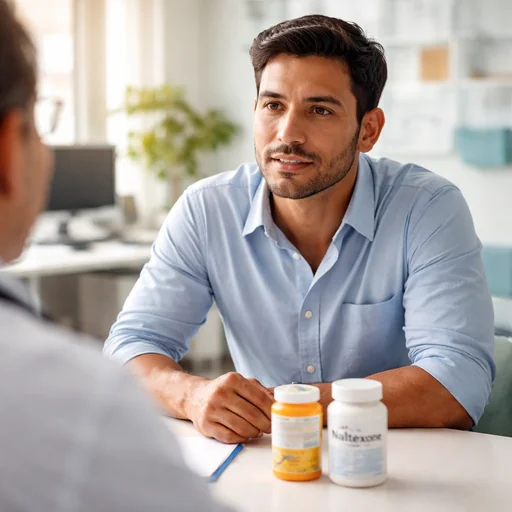
Naltrexone is an FDA-approved medication that changes how alcohol affects your brain. It blocks opioid receptors involved in alcohol's rewarding effects, including the dopamine release that creates pleasurable feelings.
When you drink while taking naltrexone, alcohol feels different. The buzz is diminished. The reward is reduced. Over time, this weakens the learned association between alcohol and feeling good.
For someone who has used liquid courage repeatedly, naltrexone disrupts the reinforcement cycle. Drinking no longer provides the reliable reward that made it compelling. The brain gradually unlearns the connection between alcohol and anxiety relief.
The medication doesn't require abstinence. You can take naltrexone and still drink. But because drinking feels less rewarding, most people naturally reduce consumption over time. The urge to drink before anxiety-provoking situations weakens as the reward no longer reliably materializes.
This approach works particularly well for people whose drinking developed through the liquid courage pattern. The medication addresses the neurological reinforcement that made alcohol feel essential for confidence.
Combined with developing genuine coping skills and potentially therapy for underlying anxiety, medication-assisted treatment can break patterns that willpower alone cannot.
Conclusion
Liquid courage is neurologically real. Alcohol genuinely changes brain chemistry in ways that reduce anxiety and increase confidence. The effect isn't imaginary.
But liquid courage is also temporary, builds no lasting skills, and can lead to problematic patterns. Relying on alcohol for confidence prevents developing genuine coping abilities and can progress to dependence, particularly for people with underlying social anxiety.
For those who have noticed that liquid courage has become more necessity than choice, evidence-based solutions exist. Medication-assisted treatment with naltrexone can disrupt the reinforcement cycle that makes alcohol feel essential while you build authentic confidence through other means.
The goal isn't necessarily never drinking again. It's ensuring that alcohol is a choice rather than a requirement for navigating social situations.
Take the online Alcohol Use Assessment to see if medication-assisted treatment could help you break free from relying on liquid courage.