A 2 minute assessment to get a personalized mental health or alcohol recovery plan.

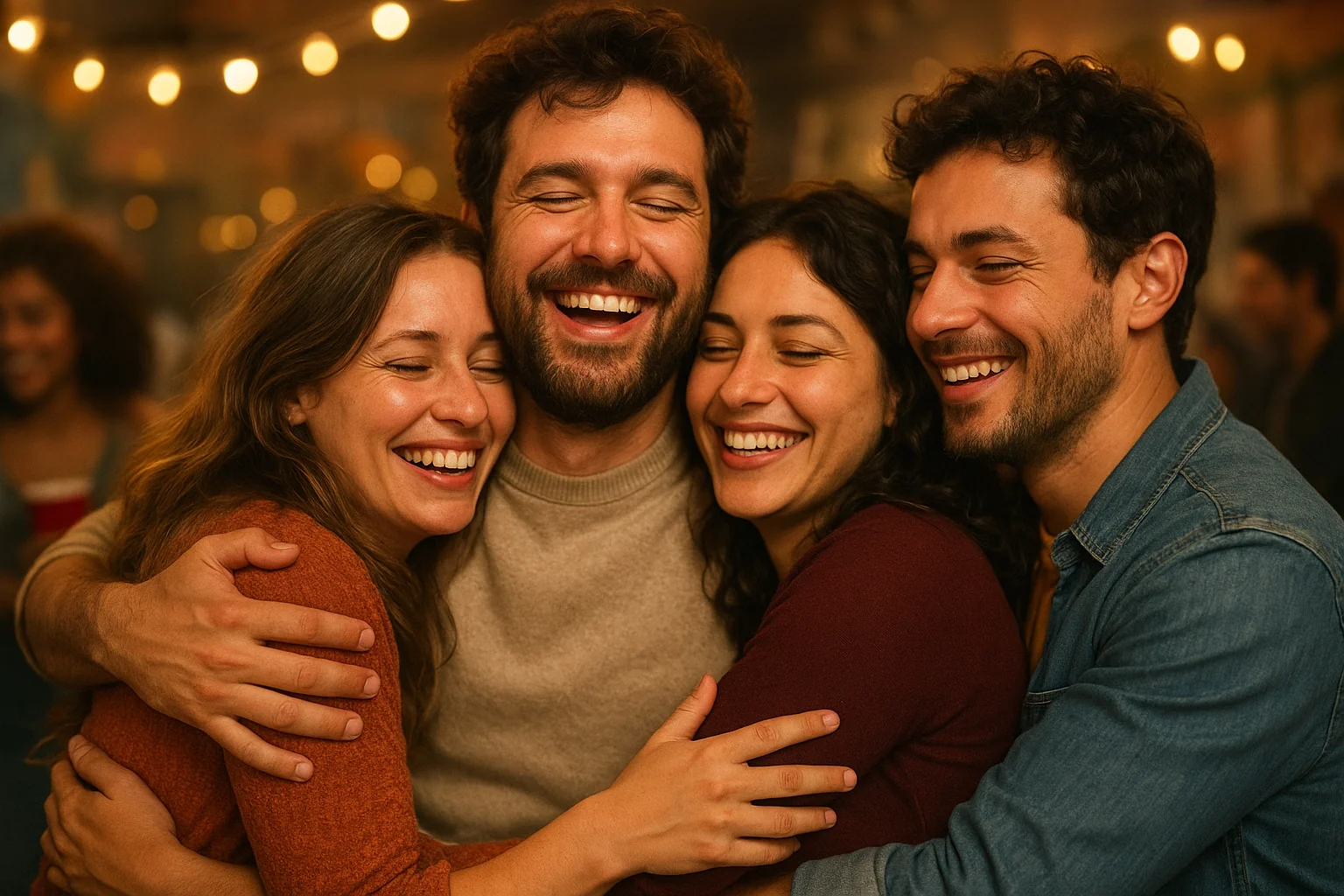
Loving drunks become extremely affectionate, warm, and emotionally expressive when drinking. This happens because alcohol lowers inhibitions around physical contact and emotional expression. While often harmless, this pattern can reveal important information about drinking habits.
What You'll Discover:
• Why some people become loving drunks.
• The neuroscience behind affectionate drunk behavior.
• How alcohol affects emotional expression and physical boundaries.
• When being a loving drunk is harmless versus concerning.
• What this drunk type reveals about your relationship with alcohol.
• How to think about your own patterns when drinking.
If you've ever watched a friend transform from reserved to excessively affectionate after a few drinks, you've witnessed the loving drunk in action. This drunk type is common and often seems harmless or even endearing. But understanding why it happens provides insight into how alcohol affects the brain.
What Is a Loving Drunk?
A loving drunk is someone who becomes noticeably more affectionate, warm, and emotionally expressive when drinking alcohol.
Common behaviors include:
Physical affection - Hugging, touching, holding hands, putting arms around people, and generally becoming much more physically demonstrative than when sober.
Verbal expressions of love - Telling friends, partners, or even acquaintances how much they love them, care about them, or appreciate them. These declarations can become repetitive and increasingly effusive.
Emotional openness - Sharing feelings, becoming vulnerable, expressing appreciation, and having deeper conversations than they normally would.
Reduced personal space awareness - Standing closer to people, wanting to sit next to or lean on others, and generally seeking physical closeness.
Compliment giving - Showering people with compliments about appearance, personality, achievements, or the relationship.
For many loving drunks, this behavior is dramatically different from their sober personality. People who are normally reserved, independent, or not particularly physically affectionate can transform into warm, touchy, emotionally expressive versions of themselves.
The Neuroscience Behind Loving Drunk Behavior
Several brain mechanisms explain why some people become affectionate when drinking.
Prefrontal cortex suppression - The prefrontal cortex regulates social behavior, including decisions about appropriate physical contact and emotional expression. Alcohol suppresses this region, reducing the normal filters between impulse and action.
Many people have affectionate impulses they don't normally act on due to social conventions, fear of rejection, or personal boundaries. When alcohol lowers these barriers, the underlying affection comes out.
GABA enhancement - Alcohol increases activity of GABA, an inhibitory neurotransmitter that reduces anxiety. Social anxiety often prevents people from expressing affection or seeking physical contact. When anxiety decreases, these behaviors feel easier and more natural.
For people with social anxiety, alcohol can feel liberating. Physical contact and emotional expression that feel risky when sober suddenly seem safe and desirable.
Dopamine release - Drinking triggers dopamine release in reward circuits. This creates pleasurable feelings and enhances positive emotions. When combined with lowered inhibitions, the result is often effusive expressions of positive feelings toward others.
The dopamine surge can make social interactions feel exceptionally rewarding, amplifying the pleasure of connection and encouraging more affectionate behavior.
Oxytocin effects - Some research suggests alcohol may increase oxytocin, the "bonding hormone" associated with attachment and social connection. This could contribute to feelings of closeness and desire for physical contact while drinking.
Research from neuroscience journals confirms that alcohol affects multiple brain systems involved in social behavior, emotional regulation, and reward processing.
Emotional amplification - Alcohol tends to intensify whatever emotions are present. If someone feels happy and connected at the start of drinking, those feelings may amplify into effusive expressions of love and affection.
Not Everyone Becomes a Loving Drunk
While the loving drunk is common, not everyone responds to alcohol this way. Different people show different drunk personalities.
Some people become more talkative without becoming affectionate. Others become withdrawn, sleepy, or even aggressive. The research on drunk personality types shows that how alcohol affects you depends on your underlying personality, brain chemistry, and drinking patterns.
Studies on drunk personality types identified four main categories: those who change little (Hemingway), those who become friendlier while maintaining control (Mary Poppins), those who become dramatically more extroverted (Nutty Professor), and those who become problematic (Mr. Hyde).
Loving drunks often fall into the Mary Poppins or Nutty Professor categories, depending on how dramatically their behavior changes and whether they maintain some awareness of boundaries.
Your genetics, personality traits, typical emotional regulation style, and history with alcohol all influence which drunk type you become.
When Being a Loving Drunk Is Harmless
For many people, becoming affectionate when drinking is relatively benign.
Signs the pattern is harmless:
• It happens occasionally, not every time you drink
• You remain aware of others' boundaries even when affectionate
• Friends find it endearing rather than uncomfortable
• You don't require alcohol to express affection to people you care about
• Your behavior doesn't become inappropriate or unwanted
• You don't drink specifically to become this version of yourself
• You remember your behavior and aren't troubled by it
In these cases, the loving drunk pattern may simply reflect alcohol lowering normal social inhibitions without creating real problems.
Some people genuinely are affectionate by nature but hold back in everyday life due to social norms. Alcohol releases what's already there. This isn't necessarily concerning if it happens in moderation and doesn't cause harm.
The key distinction is whether the pattern creates problems for you or others, and whether it indicates underlying issues with drinking.
When Being a Loving Drunk Becomes Concerning
The loving drunk pattern can become problematic under certain circumstances.
Your affection makes others uncomfortable - If your drunk behavior involves touching people who don't want to be touched, expressing romantic feelings inappropriately, or invading personal space despite signals to stop, this creates problems regardless of your positive intentions.
You only express affection when drinking - If alcohol becomes necessary for you to show love, appreciation, or warmth to people you care about, the pattern has become a crutch. Relationships should include emotional expression that doesn't require drinking.
You drink in order to become the loving version - If you drink specifically to access this affectionate state, alcohol is serving an emotional function that warrants attention. Using substances to regulate emotions or enable connection is a pattern that can intensify.
Your behavior escalates - If the affection is getting more intense, more physical, or more boundary-crossing over time, the pattern may be progressing in concerning ways.
You regret your behavior - If you wake up embarrassed about what you said or did, or feel you revealed too much emotionally, the loving drunk behavior may be exceeding your actual preferences.
People have expressed concern - If friends or partners have mentioned that your drunk affection is too much, uncomfortable, or worrying, listen to this feedback.
It affects your relationships negatively - Partners may feel insecure if you're only affectionate when drinking, or may tire of managing your behavior in social situations.
What the Loving Drunk Pattern Reveals
Your drunk personality provides information about your relationship with both alcohol and emotions.
You may have suppressed affectionate tendencies - If you're dramatically more loving when drunk, you may be holding back emotional expression when sober. This could reflect personality, upbringing, past relationships, or social anxiety.
Consider whether you want to be more expressive in everyday life or whether your sober boundaries are appropriate for you.
Alcohol is affecting your brain significantly - Noticeable personality changes indicate that alcohol is substantially altering your brain function. While the changes may seem positive, they reflect meaningful impairment of normal regulatory systems.
Your drinking may be reaching levels that concern you - If you've noticed the pattern enough to research it, some part of you may be questioning your drinking. That instinct is worth exploring.
Physical touch and emotional connection may be needs you're not meeting sober - Sometimes the loving drunk pattern emerges because someone genuinely craves connection they aren't getting in daily life. Alcohol becomes the pathway to needs that feel blocked otherwise.
Childhood or cultural factors may influence your baseline - Some people grow up in families or cultures that discourage physical affection or emotional expression. Alcohol may be releasing impulses that were suppressed early in life.
The Social Context of Loving Drunks
Culture and social settings affect how loving drunk behavior is perceived and expressed.
In some social groups, the loving drunk is celebrated and embraced. Group hugs, declarations of friendship, and effusive compliments become part of drinking culture. This normalization can obscure when the pattern becomes problematic.
In other contexts, the same behavior might be seen as embarrassing, inappropriate, or concerning. Cultural expectations around emotional expression and physical contact vary widely.
Gender also plays a role. Women expressing affection when drinking may be more socially accepted than men showing the same behavior, though this varies by setting and relationship.
The social acceptability of your loving drunk behavior doesn't determine whether it's healthy for you. A pattern can be normalized among friends while still indicating something worth examining about your drinking.
When Drinking Enables Emotional Connection
For some people, alcohol becomes the gateway to emotional intimacy they struggle to achieve sober.
This pattern deserves particular attention. If you feel you can only have deep conversations, express vulnerability, or show love when drinking, alcohol has taken on an emotional regulation function.
Questions to consider:
• Can you tell people you care about them without drinking?
• Do you need alcohol to have meaningful conversations?
• Is drinking how you connect with your partner emotionally?
• Would your relationships suffer if you stopped drinking?
If alcohol has become essential for emotional connection, addressing the drinking will require finding other ways to access those connections. This can feel daunting but is important for long-term relationship health.
Learning to express affection and emotion without alcohol may feel awkward initially but becomes easier with practice.
Communicating About the Pattern
If being a loving drunk affects your relationships, honest communication helps.
With partners - If your partner has concerns about your drunk behavior or wishes you showed affection sober, acknowledge their feelings. Discuss whether alcohol has become a barrier to authentic emotional connection.
With friends - If friends have mentioned discomfort with your behavior, don't dismiss their feedback. They may see patterns you can't.
With yourself - Honest self-reflection about why you drink and what role alcohol plays in your emotional life is valuable even if uncomfortable.
Addressing Concerning Patterns
If the loving drunk pattern concerns you, several approaches can help.
Drink less - Consuming less alcohol means less dramatic personality change. You may find that one or two drinks creates mild relaxation without the dramatic behavioral shift that more drinks produce.
Observe your sober emotional expression - Notice whether you're suppressing affection or emotional expression in daily life. Consider whether you want to practice expressing feelings without alcohol.
Talk to people you trust - Ask close friends or partners what they observe about your behavior when drinking versus sober. Their perspective may illuminate patterns you can't see.
Consider why you drink - If part of the motivation for drinking is accessing the loving drunk state, acknowledge that. Understanding why you drink helps you decide if changes are needed.
For people whose drinking has become more than they intended, medication-assisted treatment with naltrexone can help reduce consumption.
Naltrexone works by blocking opioid receptors involved in alcohol's rewarding effects. Taking it before drinking reduces the pleasure alcohol produces, which weakens the drive to drink over time.
This approach doesn't require abstinence. You can drink while taking naltrexone as consumption naturally decreases.
Common Questions About Loving Drunks
Is being a loving drunk better than being an angry drunk?
In terms of immediate harm to others, generally yes. Loving drunks rarely create the conflict or danger that aggressive drunks do. However, both patterns indicate significant personality change from alcohol and may warrant examining drinking habits.
Can you stop being a loving drunk?
You can't choose a different drunk personality while drinking the same amount. The only way to change your drunk behavior is to drink less or not at all. Your drunk type reflects how your brain responds to alcohol.
Does being a loving drunk mean you're suppressing emotions?
Possibly. If alcohol releases affection you don't normally express, there may be barriers to emotional expression in your sober life. This could be personality, anxiety, or learned behavior from upbringing.
Conclusion
Loving drunks become affectionate, warm, and emotionally expressive because alcohol suppresses the brain systems that normally regulate these behaviors. For many people, this pattern is harmless and even endearing.
However, the pattern becomes concerning when it enables boundary violations, replaces sober emotional expression, or indicates drinking levels that affect your life.
Your drunk personality reveals information about how alcohol affects your brain and what emotional needs you might be meeting through drinking. Paying attention to these patterns helps you make informed decisions about your relationship with alcohol.
Take the online Alcohol Use Assessment to see if medication-assisted treatment could help you reduce drinking and access emotional connection without depending on alcohol.