A 2 minute assessment to get a personalized mental health or alcohol recovery plan.

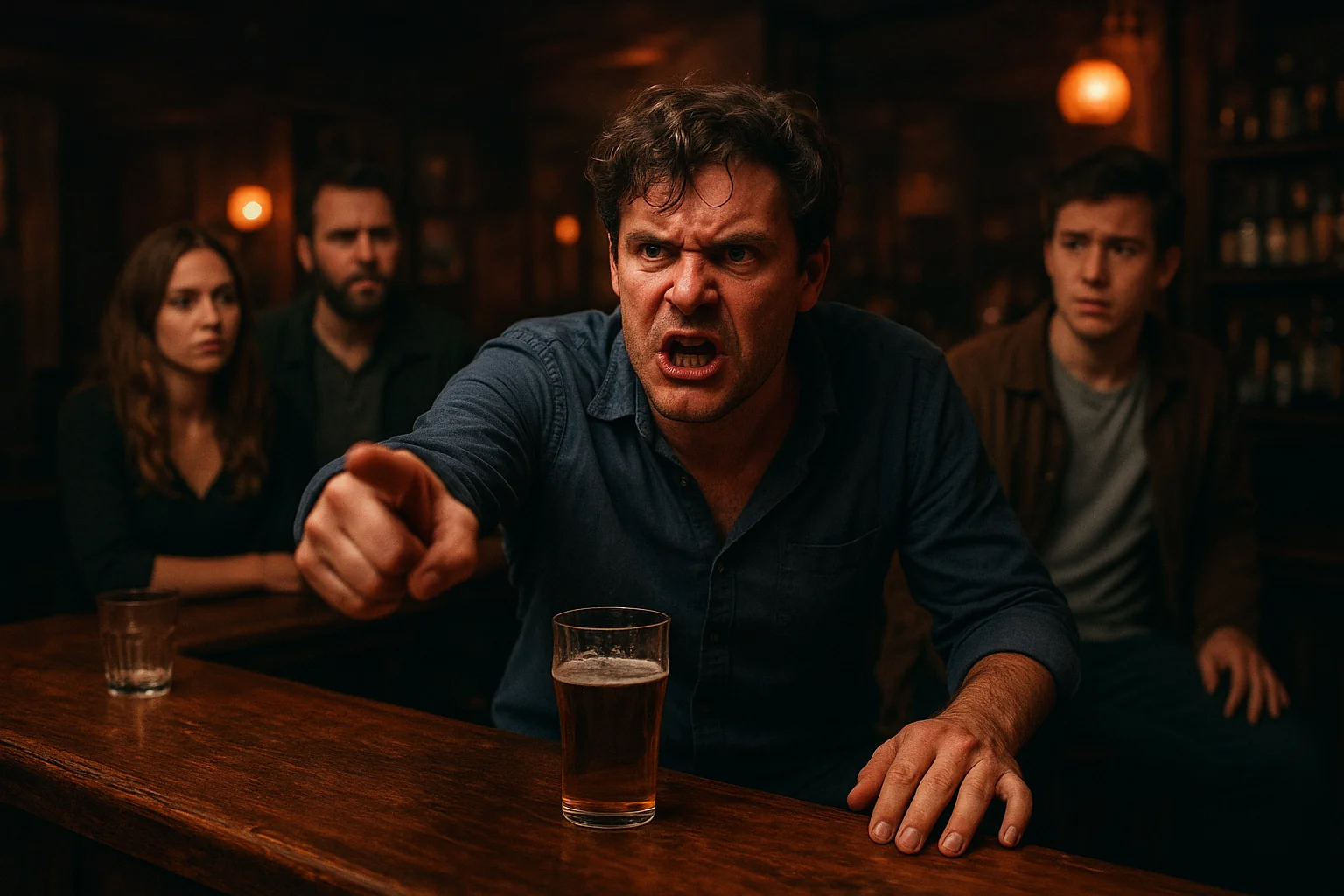
Mean drunks become hostile, aggressive, or verbally cruel when drinking alcohol. This transformation happens because alcohol impairs impulse control while amplifying underlying emotions. Understanding why someone becomes a mean drunk is the first step toward addressing the pattern.
What You'll Discover:
• Why some people become mean when they drink.
• The brain chemistry behind aggressive drunk behavior.
• Risk factors for becoming a mean drunk.
• How mean drunk behavior affects relationships.
• Whether mean drunks can change.
• When mean drunk behavior indicates a serious problem.
Not everyone gets mean when they drink. But for those who do, the transformation can be dramatic and damaging. The person who seems pleasant when sober becomes hostile, critical, or even dangerous after a few drinks.
Understanding what causes mean drunk behavior helps both the person who becomes mean and those affected by it.
What Is a Mean Drunk?
A mean drunk is someone whose personality shifts toward hostility, aggression, or cruelty when drinking alcohol. The change can range from mild irritability to violent behavior.
Common characteristics include:
Verbal aggression - Mean drunks often become verbally hostile. They say hurtful things, criticize others harshly, or pick fights over minor issues.
Physical aggression - In more severe cases, mean drunks may become physically threatening or violent.
Bringing up old grievances - Alcohol can unlock resentments that the person normally keeps contained. Mean drunks often rehash past conflicts or accusations.
Hostile interpretation - Everything gets interpreted negatively. Neutral comments are heard as insults. Innocent behavior is seen as threatening.
Cruel honesty - Some mean drunks become brutally honest in ways that wound others, saying things they would never say sober.
Unpredictability - Mean drunk behavior can escalate quickly and unpredictably, making it difficult for others to know what will set them off.
Blaming others - Mean drunks often blame others for their behavior or for "making" them angry.
The mean drunk differs from someone who occasionally gets irritable while drinking. True mean drunk behavior is a consistent pattern where alcohol reliably brings out hostility.
Types of Mean Drunk Behavior
Mean drunk behavior exists on a spectrum and can manifest differently in different people.
The verbal attacker - This person becomes verbally abusive, saying cruel things designed to wound. They may criticize appearance, intelligence, past mistakes, or sensitive topics. The next day, they may claim they didn't mean it or don't remember.
The argument starter - This type seeks conflict. They interpret neutral statements as provocations and won't let minor disagreements go. Every conversation becomes a potential battleground.
The grudge holder - Alcohol unlocks every resentment they've accumulated. Issues they seemed to have moved past resurface with full emotional intensity.
The physical aggressor - The most dangerous type, this person becomes physically threatening or violent. They may punch walls, break objects, or direct violence at people.
The passive-aggressive - Rather than overt hostility, this person becomes snide, sarcastic, and undermining. Their meanness is indirect but still hurtful.
Understanding which type applies helps identify triggers and appropriate responses.
Why Alcohol Makes Some People Mean
Several factors explain why some people become aggressive when drinking.
Prefrontal cortex impairment - Alcohol impairs the prefrontal cortex, the brain region responsible for impulse control, judgment, and emotional regulation. When this area is impaired, people struggle to suppress aggressive impulses they would normally control.
Everyone experiences some prefrontal impairment when drinking. But the degree of impairment varies, and some people lose impulse control more dramatically than others.
Reduced inhibition - Sober, most people inhibit hostile thoughts and aggressive urges. Alcohol removes these inhibitions. What comes out depends on what's underneath.
For mean drunks, what's underneath may include anger, resentment, or hostility that they normally keep suppressed. Alcohol releases these feelings.
Threat perception changes - Research from the National Institutes of Health shows alcohol affects how the brain processes social cues. Intoxicated people are more likely to perceive neutral facial expressions as threatening. This misperception can trigger defensive aggression.
Emotional amplification - Alcohol amplifies emotions. If someone is already irritated or frustrated, alcohol can turn that into full-blown anger.
Reduced consequences awareness - Alcohol impairs the ability to consider consequences. Mean drunks may not think about how their words or actions will affect relationships or their own future.
Serotonin and aggression - Studies show that alcohol affects serotonin function, which is linked to aggression regulation. People with lower baseline serotonin activity may be more prone to alcohol-related aggression.
The "Alcohol Myopia" Theory
One influential theory explaining mean drunk behavior is called alcohol myopia.
This theory suggests that alcohol narrows attention to the most immediate, salient cues in the environment while blocking out peripheral information. When someone is intoxicated, they focus intensely on whatever is right in front of them and lose the broader context.
For a mean drunk, this might play out like this: Someone makes a comment that could be interpreted as either a joke or an insult. Sober, the person would consider context, tone, relationship history, and social norms before responding. Drunk, they focus only on the potentially insulting interpretation and react with hostility.
Alcohol myopia explains why mean drunks often overreact to minor provocations. They've lost the ability to see situations in context.
Risk Factors for Mean Drunk Behavior
Not everyone who drinks becomes mean. Certain factors increase the likelihood.
Underlying anger issues - People who struggle with anger when sober are more likely to become mean drunks. Alcohol removes the lid they normally keep on their anger.
Trauma history - Unresolved trauma can surface when alcohol lowers defenses. People who have experienced trauma may become hostile when drinking as suppressed pain emerges.
Personality factors - Research links certain personality traits to alcohol-related aggression, including low agreeableness, high impulsivity, and sensation-seeking tendencies.
Male gender - Men are statistically more likely than women to become aggressive when drinking, though women can also be mean drunks.
Drinking environment - Hostile or competitive drinking environments increase aggressive behavior. Someone who becomes mean at bars might not be mean when drinking at home with family.
Amount consumed - More alcohol typically means more impairment. Someone who is mildly irritable after two drinks may become mean after six.
Expectations - Cultural and personal beliefs about how alcohol affects behavior can influence outcomes. If someone believes alcohol makes people aggressive, they may be more likely to become aggressive when drinking.
Family history - Children of mean drunks often become mean drunks themselves, though whether this is genetic or learned behavior is unclear.
How Mean Drunk Behavior Affects Relationships
Being a mean drunk, or being in a relationship with one, takes a serious toll.
Trust erosion - When someone becomes mean while drinking, their partner or friends never know which version of them will appear. This uncertainty erodes trust over time.
Emotional damage - Words said while drunk still hurt. Mean drunks often say things that damage relationships even after apologies.
Walking on eggshells - People around mean drunks learn to manage their behavior carefully to avoid triggering hostility. This creates an unhealthy dynamic.
Isolation - Friends and family may distance themselves from someone who becomes mean when drinking. Social circles shrink.
Fear and safety concerns - If mean drunk behavior includes physical aggression or threats, loved ones may fear for their safety.
Children's exposure - Children of mean drunks experience stress and may develop anxiety, behavioral problems, or their own relationship with alcohol later.
The morning after - Mean drunks often don't remember their behavior or minimize it. Partners are left processing hurt while the drunk person moves on.
The damage from mean drunk behavior accumulates over time, even if individual incidents seem minor.
Can Mean Drunks Change?
Mean drunk behavior can change, but it requires recognizing the problem and taking action.
Reducing or stopping drinking - The most direct solution is drinking less or not drinking at all. If alcohol reliably produces mean behavior, the behavior stops when drinking stops.
Addressing underlying issues - Therapy to address anger, trauma, or other underlying issues can help. When the emotions driving mean drunk behavior are processed, they're less likely to emerge when drinking.
Changing drinking patterns - Some people are only mean drunks in certain situations or after reaching certain levels of intoxication. Identifying triggers can help.
Medication-assisted treatment - For people whose drinking has become problematic, medication-assisted treatment with naltrexone can help reduce consumption. Naltrexone works by blocking alcohol's pleasurable effects, which naturally leads to drinking less over time.
Accountability - Being willing to hear from others about drunk behavior, rather than dismissing or minimizing it, is essential for change.
What doesn't work is trying to "be different" while continuing to drink the same amount. Willpower cannot overcome the neurological effects of alcohol on the prefrontal cortex.
Warning Signs of a Bigger Problem
Mean drunk behavior sometimes indicates that drinking itself has become problematic.
Frequency - If mean drunk episodes happen regularly, alcohol consumption may be excessive.
Escalation - If mean behavior has become more frequent or more intense over time, the problem may be progressing.
Can't stop at one - If the person cannot moderate their drinking and consistently drinks to the point of becoming mean, they may have lost control.
Drinking despite consequences - If mean drunk behavior has caused relationship damage, job problems, or legal issues and the person continues drinking, this suggests dependence.
Blackouts - Not remembering mean behavior suggests heavy drinking that may indicate alcohol use disorder.
Others have expressed concern - When multiple people express concern about someone's drinking and drunk behavior, their perspective deserves attention.
Mean drunk behavior combined with any of these signs suggests the drinking itself may need to be addressed, not just the behavior.
If You're a Mean Drunk
Recognizing that you become mean when drinking is difficult but important.
Take feedback seriously - If people have told you that you become mean when drinking, believe them. Mean drunks often minimize or don't remember their behavior.
Track the pattern - Pay attention to when and how much you drink before mean behavior emerges. Understanding your pattern helps address it.
Consider your drinking - Is the amount you're drinking worth the damage to your relationships? Mean drunk behavior often indicates drinking has become excessive.
Get professional help - A therapist can help address underlying anger or emotional issues. A healthcare provider can assess whether your drinking has become problematic.
Be accountable - Apologize sincerely for mean behavior and take steps to prevent it from recurring. "I was drunk" is not an excuse.
Consider not drinking - If alcohol consistently brings out the worst in you, the simplest solution may be to stop drinking.
If You're Affected by a Mean Drunk
Living with or caring about a mean drunk is painful.
Set boundaries - You don't have to tolerate abuse because someone was drinking. Leaving situations when mean behavior starts is appropriate.
Don't engage - Arguing with a mean drunk is pointless. Their rational brain is impaired. Save conversations for when they're sober.
Name the pattern - Have a clear conversation when the person is sober about what happens when they drink and how it affects you.
Prioritize safety - If mean drunk behavior includes physical aggression or threats, your safety comes first. Have a plan for removing yourself from dangerous situations.
Seek support - Al-Anon and similar programs support people affected by others' drinking. You don't have to navigate this alone.
Consider your limits - At some point, you may need to decide whether the relationship can continue if the drinking doesn't change.
Common Questions About Mean Drunks
Do mean drunks mean what they say?
This is complicated. Alcohol lowers inhibitions, so the feelings expressed may be genuine feelings that are normally suppressed. However, alcohol also impairs judgment and amplifies emotions beyond their true intensity. The sentiment may be real but distorted.
Can someone be a mean drunk only sometimes?
Yes. Context matters. Someone might become mean when drinking in certain situations, with certain people, or after a certain amount. Identifying these patterns can help prevent mean drunk episodes.
Is being a mean drunk genetic?
Research suggests genetic factors influence alcohol-related aggression. However, environment and learned behavior also play significant roles. Having a parent who was a mean drunk increases risk but doesn't guarantee the same pattern.
Will therapy help a mean drunk?
Therapy can help by addressing underlying anger, trauma, or emotional issues that emerge when drinking. However, therapy alone may not help if the person continues drinking at the same level. The drinking itself often needs to change.
Can medication help mean drunks?
Medications like naltrexone that reduce drinking can help indirectly by reducing alcohol consumption. There's no medication that specifically prevents mean drunk behavior while allowing someone to drink the same amount.
Conclusion
Mean drunks become hostile, aggressive, or cruel because alcohol impairs the prefrontal cortex's ability to control impulses while amplifying underlying emotions. This pattern damages relationships and may indicate problematic drinking.
Mean drunk behavior can change, but it requires addressing both the drinking and any underlying emotional issues. Simply trying to behave differently while drinking the same amount doesn't work.
If you or someone you care about becomes mean when drinking, take the pattern seriously. The damage accumulates over time, and early intervention prevents worse outcomes.
Take the online Alcohol Use Assessment to evaluate your drinking patterns and see if medication-assisted treatment could help reduce consumption.