A 2 minute assessment to get a personalized mental health or alcohol recovery plan.

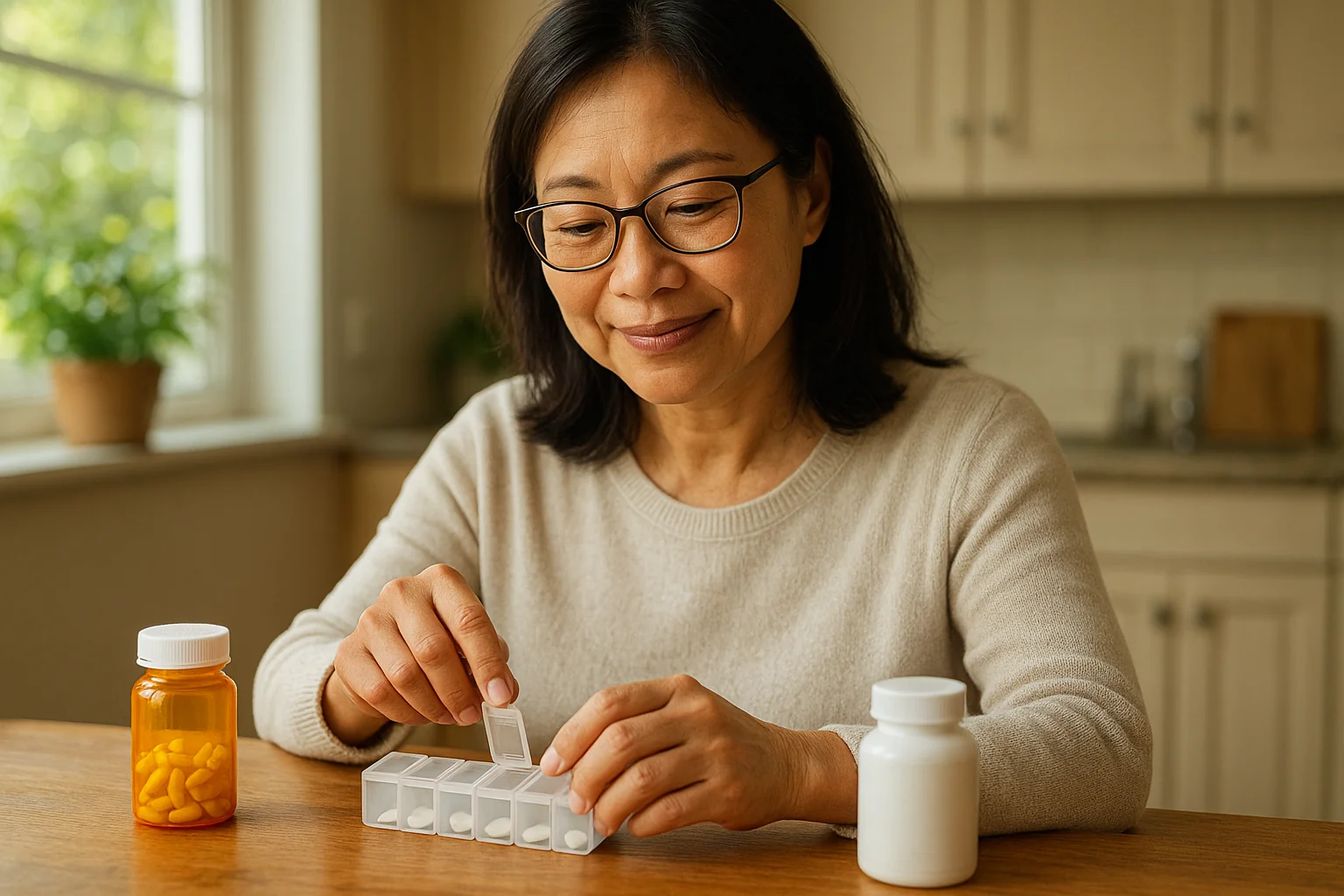
When drinking and depression overlap, addressing one often helps the other
What You'll Discover:
• Why AUD and depression overlap so frequently
• How naltrexone works in the brain and why it may affect mood
• What the research says about naltrexone for people with co-occurring depression
• Whether naltrexone is safe to take alongside antidepressants
• What to expect from mood changes when you reduce your drinking
Research consistently shows that alcohol use disorder and depression co-occur in roughly 40% of cases. The two conditions feed each other in a cycle that can feel impossible to break.
Naltrexone is FDA-approved for alcohol use disorder. It is not an antidepressant. But many people who use it to cut back on drinking report real improvements in how they feel day to day.
Why Alcohol and Depression Are So Often Connected
Alcohol is a central nervous system depressant. In the short term, it can feel like it softens anxiety and sadness. Over time, regular drinking rewires the brain's chemistry in ways that make depression worse, not better.
The National Institute on Alcohol Abuse and Alcoholism notes that alcohol disrupts communication pathways in the brain, directly affecting mood and behavior.
Heavy alcohol use depletes serotonin and disrupts the dopamine system. Both of those neurotransmitters play a central role in regulating mood, motivation, and the ability to experience pleasure.
The depletion is not subtle. Regular heavy drinking over weeks or months can produce a neurochemical state that looks nearly identical to clinical depression, even in people who had no prior mood disorder.
Add in poor sleep, social withdrawal, and the shame that often follows a heavy night of drinking, and it becomes clear why the two conditions tend to travel together.
The relationship runs in both directions. Some people drink more because they're depressed and looking for chemical relief. Others develop depressive symptoms as a direct result of chronic heavy drinking.
Clinicians call this a bidirectional relationship. Treating only one side of it typically leaves the other unresolved, which is why co-occurring AUD and depression requires a clear-eyed plan for both.
One thing that surprises many people: depressive symptoms that appear during heavy drinking often improve significantly after several weeks of reduced use. The brain is more resilient than most people expect once the daily suppression stops.
What Naltrexone Actually Does
Naltrexone works as an opioid receptor antagonist. It binds to mu-opioid receptors in the brain and blocks them.
When you drink, your brain releases endorphins. Those endorphins bind to opioid receptors and produce a feeling of reward and euphoria. That reward signal is a big part of what makes alcohol so reinforcing and hard to stop.
Naltrexone interrupts that process. With the reward blunted, the craving to drink again tends to decrease over time. People who take it consistently often find that alcohol stops feeling like the pull it used to be.
This is significant for the depression connection. The dopamine system that naltrexone affects is the same system that heavy drinking dysregulates over time. Stabilizing it has downstream effects on mood.
You can find a deeper breakdown of the mechanism in our article on how naltrexone works and what it is.
The standard dose is 50mg taken daily by mouth. It has been FDA-approved since 1994.
A 2023 meta-analysis published in JAMA analyzed data from 118 clinical trials and over 20,000 participants.
It confirmed that oral naltrexone at 50mg daily significantly reduces heavy drinking days and increases abstinence rates compared to placebo.
How Reducing Alcohol Affects Depression
Naltrexone is not classified as an antidepressant. It does not directly target serotonin, norepinephrine, or any of the neurochemical pathways that conventional antidepressants address.
That said, alcohol itself is one of the most reliable drivers of depression symptoms. When drinking goes down, mood often goes up. That connection is direct and well-documented.
Reduced alcohol use leads to better sleep quality. Better sleep alone has a clinically significant effect on depression, and it tends to improve faster than most people expect.
Alcohol fragments sleep architecture, suppressing REM sleep and causing early-morning waking. These effects compound over time and directly contribute to low mood, fatigue, and difficulty concentrating.
Cutting back also reduces cortisol and inflammation, both of which are elevated by chronic drinking and directly linked to depressive states.
Many people who use naltrexone to cut back describe a gradual lifting of mood over several weeks. This is not a direct pharmacological effect of naltrexone.
It reflects what happens when the brain is no longer being suppressed by a depressant every day.
The NIAAA treatment guidance explicitly notes that depression is one of the most common conditions co-occurring with AUD.
Addressing both simultaneously, rather than waiting to see which resolves first, consistently produces better outcomes in clinical research.
What the Research Says About Naltrexone for Co-occurring Depression
A clinical trial published in PubMed examined patients with both alcohol dependence and depression. It compared naltrexone combined with an antidepressant against each medication alone and against placebo.
This study design is important because it isolates the contribution of each medication. Most real-world prescribing happens in combinations, but the trial was built to measure what each one was actually doing.
The combination group had better outcomes on both drinking and depression measures. Patients were more likely to achieve abstinence, had longer delays before relapse, and showed greater improvements in depressive symptoms by end of treatment.
That is encouraging, but there are a couple of things worth understanding clearly.
The antidepressant in that study was doing the heavy lifting on the depression side. Naltrexone was addressing the drinking.
The mood improvements in the combination group likely reflect both medications working in tandem, not naltrexone acting as a standalone antidepressant.
For people with mild to moderate depression that is primarily driven by heavy drinking, reducing alcohol alone can produce meaningful mood improvements without a separate antidepressant.
This is common enough that clinicians often take a "treat the AUD first and reassess" approach with patients whose depression appears to be alcohol-induced.
A clinician is best positioned to assess whether you need a separate medication for depression, or whether addressing the AUD first is the right starting point.
What About Low-Dose Naltrexone and Depression?
You may have seen information online about "low-dose naltrexone" (LDN) and depression. LDN typically refers to doses in the 1.5 to 4.5 mg range, much lower than the standard 50mg AUD dose.
Some researchers have explored LDN as a potential treatment for depression, fibromyalgia, and certain inflammatory conditions. The research is early-stage and interesting.
The proposed mechanism involves LDN briefly blocking opioid receptors, which may trigger a rebound increase in endorphin production. The idea is that this rebound creates a net positive effect on mood and pain. It is not conclusive.
LDN is not FDA-approved for depression. It is prescribed off-label by some clinicians, but it should not be confused with standard naltrexone therapy for alcohol use disorder.
These are different clinical applications at very different dose ranges. The research on each is separate, and the two should not be conflated.
Some people searching for information about naltrexone and depression land on LDN content and become confused about what applies to them. If your goal is to reduce alcohol use, standard 50mg dosing is what the evidence supports.
If you are curious about LDN for mood specifically, that conversation belongs with a licensed prescriber who can evaluate your full clinical picture.
At Choose Your Horizon, the focus is on standard naltrexone at therapeutic doses for alcohol use disorder, guided by board-certified physicians.
Mood Side Effects in the Early Weeks: What to Expect
A minority of people starting naltrexone at the standard 50mg dose notice mood changes during the first few weeks. Most of these are temporary.
Some report a mild flatness or emotional blunting in the first week or two. This typically resolves within two to four weeks as the body adjusts to the medication.
A smaller number report temporary dysphoria, meaning a general sense of unease or low mood, early on. Again, this tends to fade as the body adjusts.
It can be hard to tell what is causing mood changes in the first few weeks since the brain is also adjusting to reduced alcohol. Both processes are happening at once.
Early dysphoria on naltrexone is different from a clinical depressive episode. If low mood persists or worsens after the first few weeks on the medication, that warrants a conversation with your prescribing physician.
The StatPearls naltrexone reference notes that depression screening is part of responsible naltrexone monitoring.
Clinicians in this space take the mood question seriously, particularly for patients who are already managing depression.
On the positive side, many people find that as their drinking decreases over the first few weeks, mood improves noticeably. Better sleep, more energy, and a clearer head often arrive before the four-week mark.
Our guide on what to expect in the first month on naltrexone walks through the typical timeline in more detail.
Is Naltrexone Safe to Take With Antidepressants?
The short answer is yes. Naltrexone is generally safe to use alongside the most commonly prescribed antidepressants.
That includes SSRIs like sertraline, escitalopram, and fluoxetine, as well as SNRIs. There is no clinically significant pharmacokinetic interaction between naltrexone and these medication classes.
The two types of medication work through completely different mechanisms. SSRIs and SNRIs act on serotonin and norepinephrine transporters. Naltrexone works at opioid receptors. There is no interference between them.
One combination worth flagging: naltrexone is contraindicated with buprenorphine. Buprenorphine is not an antidepressant. It is an opioid partial agonist used in opioid use disorder treatment.
Because naltrexone blocks opioid receptors, combining it with buprenorphine would precipitate opioid withdrawal. This is a separate clinical issue from the antidepressant question entirely.
If you are currently taking any medication, sharing your full medication list with your prescribing physician before starting naltrexone is essential.
For a broader look at how naltrexone interacts with other medications, our article on naltrexone drug interactions covers the key considerations in detail.
The Bigger Picture: Treating Both Conditions Together
For people living with both AUD and depression, the goal is not to pick one condition to address while ignoring the other.
Alcohol use disorder and depression share neurobiological roots. Both involve dysregulation of the endorphin-opioid system, the dopamine reward pathway, and stress-response hormones like cortisol.
Treating AUD with naltrexone addresses one end of that system. When drinking decreases, the brain begins restoring its natural chemical balance. That process takes time, but it is real and measurable.
Research suggests this restoration can begin within the first month of reduced drinking. Some people notice shifts in energy and mood within the first two weeks.
For many people, that restoration alone produces meaningful mood improvements. The brain that was being chronically suppressed by alcohol starts functioning closer to its baseline.
For others, particularly those with moderate to severe depression that exists independently of their drinking, a combined treatment plan produces better outcomes. A prescriber can help sort out which category applies to you.
Reducing alcohol use is the most evidence-based thing a person with both conditions can do to improve their mental health. Naltrexone is currently the most effective pharmacological tool available for reducing alcohol use in people with AUD.
That is the honest, realistic framing of how naltrexone and depression relate to each other.
What Choose Your Horizon Offers
Choose Your Horizon is a fully online alcohol care program. The medical team, supervised by Dr. Daniel Montville (Mayo Clinic-trained psychiatrist), conducts message-based consultations and issues naltrexone prescriptions when appropriate.
The program supports both complete abstinence and moderation goals, without judgment. Physicians review your full health picture, including current medications and mental health history, before prescribing.
The mood-and-medication interaction question is part of the standard intake process. It is not an afterthought.
Medications ship discreetly to your door within 2 to 3 days of approval.
Putting It Together
Naltrexone is not an antidepressant. But for the millions of Americans dealing with both heavy drinking and depression, it may be one of the most meaningful steps available.
Reducing alcohol use, which naltrexone makes significantly more achievable, is the most evidence-based intervention for improving depressive symptoms when the two conditions co-occur.
The science on combined treatment is clear. Addressing the drinking side of the equation produces real improvements in mood for most people. And naltrexone is safe alongside the most common antidepressants when prescribed appropriately.
The two conditions are deeply linked. Treating one creates the conditions for the other to improve.
If you are managing both conditions and wondering where to start, a structured online assessment is a practical first step.
Take an online Alcohol Use Assessment to see if Choose Your Horizon's naltrexone program could be a good fit for you.
The process is discreet, fully online, and there is no pressure to commit before you have the information you need.