A 2 minute assessment to get a personalized mental health or alcohol recovery plan.

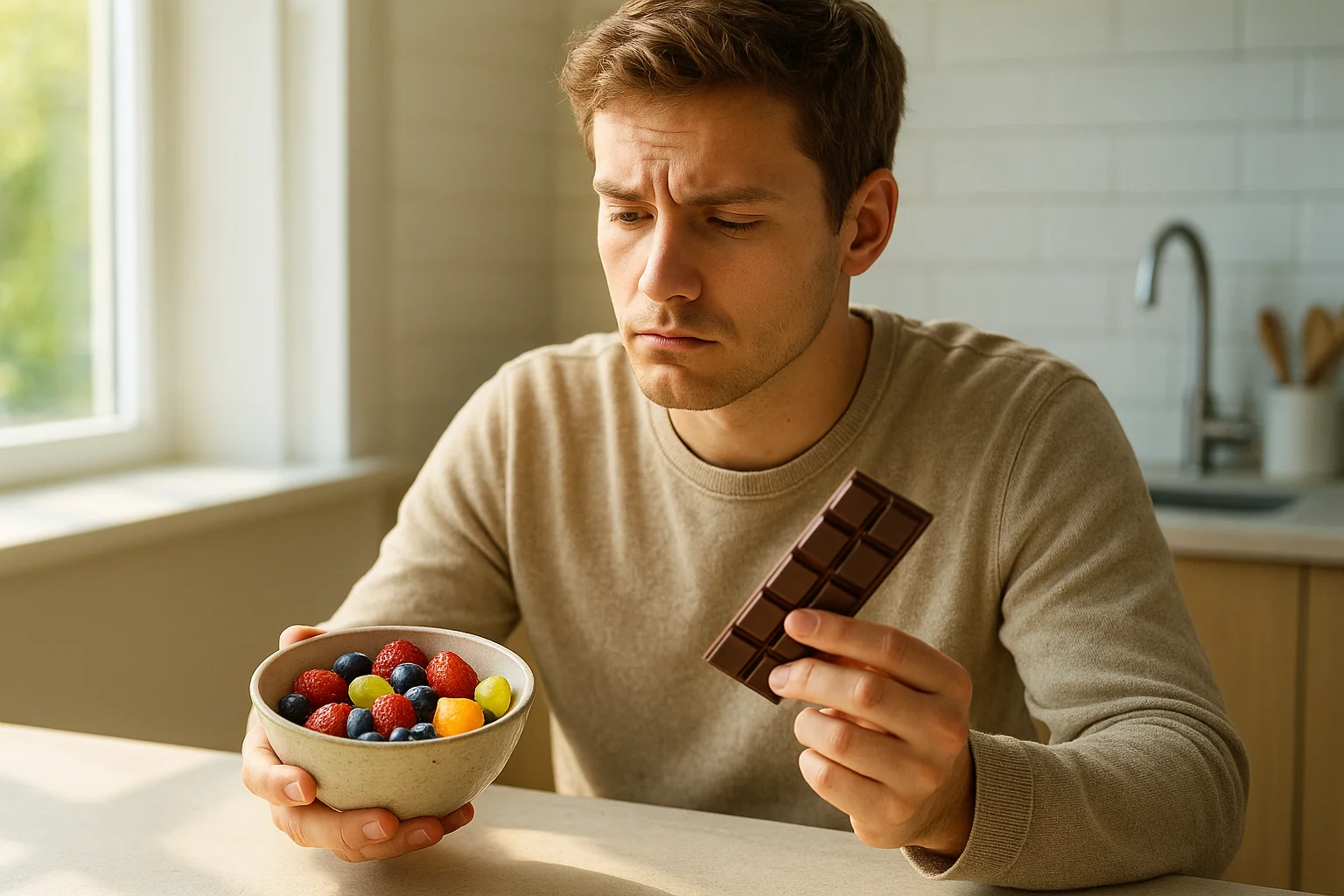
If you're considering naltrexone for alcohol use, you've probably heard stories. Some people say they suddenly can't stop eating candy. Others report the opposite, eating far less sugar than before.
The truth is messier than a simple yes or no. Both experiences are real, and understanding why helps you prepare.
This question matters because it affects real-world adherence to medication. If you're prepared for the possibility, you're less likely to stop taking naltrexone because you're confused about these changes.
How Naltrexone Affects Your Brain's Reward System
To understand sugar cravings on naltrexone, you need to know what naltrexone actually does in your brain.
Naltrexone works by blocking opioid receptors. These receptors aren't just about pain relief or addiction. They're central to how your brain experiences pleasure and reward from food, alcohol, sex, and other activities.
When you drink alcohol, your brain releases endorphins, which are natural opioids. These bind to opioid receptors and create that rewarding feeling that keeps people coming back to alcohol.
Naltrexone sits on these receptors first, blocking alcohol's effects. This is its primary mechanism for reducing cravings and decreasing alcohol's appeal.
But here's the complexity that explains sugar changes: these same opioid receptors are involved in sugar reward too. When you eat something sweet, your brain's reward pathway lights up partly through opioid receptor activation.
This overlap is why naltrexone's effects on sugar cravings aren't straightforward. The medication blocks opioid reward pathways broadly, not just for alcohol.
The Neuroscience of Sugar and Opioid Receptors
Sugar triggers reward through multiple mechanisms. It activates dopamine release, which creates the "wanting" sensation. It also triggers endorphin release through opioid receptor activation.
This is why sugar is sometimes called "rewarding" in the same way that alcohol is. Both act on overlapping neural circuits.
When naltrexone blocks these opioid receptors, it affects sugar reward the same way it affects alcohol reward. The mechanism is identical.
Some research in animals shows that blocking opioid receptors reduces palatable food consumption. Other research shows the opposite effect. The variation in animal studies mirrors the variation in human responses.
This biological foundation explains why some patients crave more sugar while others crave less. The outcome depends on how their individual brain reacts when reward pathways are partially blocked.
Why Some Patients Report Increased Sugar Cravings
Many patients on naltrexone notice they want sweets more often. This isn't random, and it's not imagined. Clinical experience and patient reports consistently identify this pattern.
One major theory involves behavioral substitution. For years or decades, alcohol was your primary reward. It triggered dopamine, endorphins, and other pleasure chemicals.
Once naltrexone reduces alcohol's appeal, your brain's reward system doesn't shut down. It's still active, still seeking stimulation. It still wants the dopamine hit and endorphin rush.
Sugar provides that stimulation. Unlike alcohol, sugar isn't blocked by naltrexone. The opioid receptors are blocked, but sugar still activates dopamine pathways through different mechanisms.
Some patients describe this as a conscious choice. They notice alcohol no longer feels rewarding, so they reach for candy instead. Others report cravings that feel automatic, almost involuntary.
The psychological component matters too. If alcohol was your stress-relief mechanism, your brain expects something when stress hits. Sweets can fill that gap.
This is a real phenomenon that clinicians recognize. It's sometimes called "reward substitution" or "cross-addiction."
The good news: it's temporary for most people. Once the brain adapts to lower dopamine from alcohol, these intense sugar cravings usually fade over weeks or months.
Why Some Patients Experience Decreased Sugar Appetite
The opposite also happens. Some people on naltrexone notice they eat less sugar, not more.
This makes sense when you understand opioid receptor blocking more fully. If naltrexone reduces your brain's reward response to sugar, you'd naturally crave it less.
The medication blocks opioid receptors throughout your body. These receptors influence food intake in the hypothalamus, the brain region controlling hunger and satiety.
Some people experience a genuine reduction in appetite for all foods, particularly sweet and fatty foods. They describe eating less without trying, feeling fuller faster, and simply being less interested in food.
Over time, many people on naltrexone report they're less interested in all reward-seeking behaviors. Not just alcohol, but also sugar, fast food, and other high-pleasure foods.
Some research suggests this happens because dopamine dysregulation from chronic alcohol use improves. As your dopamine system normalizes, you need less external stimulation to feel satisfied.
Additionally, naltrexone often reduces nausea early on, which can suppress appetite generally. If you're nauseous, sweets might sound less appealing anyway.
What the Research Actually Says
The scientific literature on naltrexone and sugar is small and mixed. Most studies focus on alcohol cravings, not sugar specifically.
A 2019 review in Nutrients noted that naltrexone blocks opioid-mediated reward in both alcohol and food intake. But the net effect varies by individual.
Some research on rats and mice shows naltrexone reduces palatable food consumption. Other animal studies show increased seeking of sucrose when alcohol is blocked.
The human studies are mostly indirect. We know naltrexone affects reward neurobiology, and we know some patients report more sugar cravings while others report less.
Research from NIAAA on the neurobiology of alcohol and reward explains how opioid systems connect to both alcohol and food reward.
NIH studies on naltrexone and appetite show mixed results depending on individual variation.
Studies on naltrexone and reward processing show that opioid receptor antagonism can decrease the rewarding properties of sugar.
Research on the opioid system's role in food intake demonstrates that mu-opioid receptors in the nucleus accumbens are activated when you eat palatable foods.
When you consume these palatable foods, naltrexone blocks this activation at the receptor level. This explains why some patients experience reduced food cravings while on the medication.
One small study found that people with certain opioid receptor genetic variations experienced different changes in food cravings on naltrexone.
Individual genetic variation likely plays a role. Your OPRM1 gene (which codes for the opioid receptor) has variations that affect how strongly you respond to naltrexone and how your reward system adapts.
Research on reward processing by the opioid system shows how these genetic variations influence individual responses to medication.
The research consensus: changes in sugar cravings are possible, vary between individuals, and are usually manageable.
Real Patient Experiences
Patient reports on forums and in clinical settings show the range:
"First month on naltrexone, I ate candy like I'd never seen dessert before. I'm on month three now and it's totally gone. My taste buds changed."
"I actually eat way less now. Nothing tastes as good anymore, honestly including sweets. I don't crave much of anything."
"The sugar thing was real for me. My doctor said it's temporary. I started drinking herbal tea and chewing gum instead of reaching for candy. It helped."
"I haven't noticed any change in my sugar intake. Maybe I'm lucky."
"I was worried about this based on what I read online. But honestly, I traded my alcohol cravings for less intense sweet cravings, which I can manage much better."
These aren't outliers. They're typical descriptions from patients starting naltrexone.
Practical Strategies if Sugar Cravings Increase
If you do experience increased sugar cravings on naltrexone, several approaches help:
Preparation and substitution. Stock your home with lower-sugar options you enjoy. Fruit, nuts, dark chocolate, and herbal teas can satisfy the oral fixation without spiking blood sugar.
Having alternatives readily available makes it easier to choose something other than candy when cravings hit. The cravings often pass quickly if you have a diversion.
Timing matters. Some patients find cravings are worst in the afternoon or evening. Plan an activity or alternative reward for these times.
If you know 3 PM is your craving time, schedule a walk, call a friend, or have a specific low-sugar snack ready.
Understand it's temporary. Knowing this phase typically lasts weeks to a few months makes it easier to tolerate. You're not going to crave sugar forever.
Many patients report cravings peak around week two to four, then gradually decrease. By month three, most describe their eating patterns as nearly normal.
Address underlying habits. If you typically had sugar with alcohol, the association might trigger cravings. Breaking the pairing helps. If you watched TV and drank, watch TV with herbal tea instead.
Alcohol and sweets were often ritualized together. Disrupting the ritual breaks the automatic craving response.
Talk to your doctor. If sugar cravings feel unmanageable, mention it. Your doctor might adjust your timing or dosage, or suggest additional support.
Some doctors recommend taking naltrexone in the evening instead of the morning if afternoon cravings are problematic. Others might adjust the dose or recommend additional counseling.
The Good News About Naltrexone and Cravings
Research shows that naltrexone reduces alcohol cravings for most people. About 86% of patients in clinical trials drink less or abstain completely.
This dramatic reduction in alcohol cravings is the primary benefit, and it's substantial.
Changes in sugar appetite, whether increased or decreased, don't prevent naltrexone from working. The medication still blocks alcohol's rewarding effects.
Most patients find that managing temporary sugar changes is far easier than managing active alcohol use. And many report their eating patterns normalize after a few months.
The fact that you might crave more sugar temporarily is a small price for freedom from alcohol cravings.
Timeline Expectations
Most intense sugar cravings appear in weeks one through eight of naltrexone use, if they appear at all.
Peak cravings often occur around week two to four, when you're most aware of reduced alcohol reward but your brain is still seeking dopamine stimulation.
By week twelve, many patients report the cravings have lessened significantly. This aligns with the timeline for your brain's reward system to begin adjusting to reduced dopamine from alcohol.
By month four to six, most people report their eating patterns feel more normal again.
This doesn't happen for everyone. Some people never experience increased cravings, and some find they need to manage them longer.
Understanding Your Individual Response
Whether naltrexone affects your sugar intake depends on several factors:
Your baseline dopamine function before starting naltrexone. If you were already eating a lot of sugar, changes might be less noticeable.
Your genetic response to naltrexone. People with certain variations in their opioid receptor genes respond differently to the medication.
Your dosing schedule. Some evidence suggests daily dosing versus as-needed use might affect appetite differently, though research is limited.
Your overall lifestyle and stress. Stress, poor sleep, and lack of activity increase cravings across the board.
Your diet before starting. If you typically ate healthy, sugar cravings might be more noticeable. If you already ate a lot of sugar, changes might be less dramatic.
What If It's Not Just Sugar?
Some patients on naltrexone report changes in appetite more broadly. Less interest in food, earlier fullness, or different food preferences.
These changes usually reflect your brain's changing reward sensitivity, not a dangerous loss of appetite.
Many patients report this as a positive side effect. They lose weight without trying because they're simply less interested in overeating.
If you experience nausea from naltrexone, appetite changes are expected. Strategies for minimizing naltrexone nausea often help normalize appetite.
If appetite loss seems severe or lasts beyond the first few weeks, contact your doctor.
The Bigger Picture: Why This Matters
Thinking about sugar cravings on naltrexone matters because it affects real adherence. If you're prepared for the possibility, you're less likely to stop taking the medication because you're confused about these changes.
Understanding that increased sugar cravings aren't a sign naltrexone is harming you reduces anxiety and stops unnecessary discontinuation.
Knowing that most patients experience these changes as temporary helps you ride them out. You have perspective that this isn't permanent.
And remembering that naltrexone's purpose is to reduce alcohol's appeal, not to change your entire reward system permanently, puts these side effects in perspective.
How Your Brain Adapts Over Time
One reason sugar cravings often diminish over months is neuroplasticity. Your brain gradually adapts to altered dopamine levels.
Initially, when you start naltrexone, your brain experienced what feels like deprivation. Alcohol's reward was gone. The system sought replacement stimulation. Sugar provided that.
But your brain adapts. It learns to accept lower dopamine baseline. The urgent seeking of reward gradually quiets.
This adaptation takes time, typically weeks to a few months. You can't rush it, but understanding it's happening helps you tolerate the interim period.
By month three to six, your reward system has often recalibrated. Sugar doesn't feel like an urgent need anymore.
Weight Changes and Appetite
Some people lose weight on naltrexone due to reduced appetite. Others maintain or gain weight despite reduced alcohol calories.
Sugar cravings can affect this outcome. If you substitute alcohol for sweets, weight loss might be modest. If cravings fade and you eat normally, weight loss is often more significant.
Choose Your Horizon has seen patients lose substantial weight on naltrexone, typically because they're no longer drinking alcohol calories and they're eating more normally overall.
Talk to your doctor if weight changes concern you. They're usually temporary as your eating patterns normalize.
The Bottom Line
Naltrexone may increase, decrease, or have no effect on your sugar cravings. Both increased and decreased appetite are connected to how the medication affects your brain's reward pathways.
If you do crave more sugar, it's usually temporary and manageable. Most patients find straightforward substitutions and patience resolve the issue within a few months.
If you crave less sugar, that's a bonus for many people. Others find the lack of pleasure in food concerning. Talk to your doctor either way.
The key is knowing this is possible, planning ahead, and staying connected with your medical team if something feels off.
Ready to start your naltrexone journey? Complete our online Alcohol Use Assessment to learn if naltrexone is right for you.