A 2 minute assessment to get a personalized mental health or alcohol recovery plan.

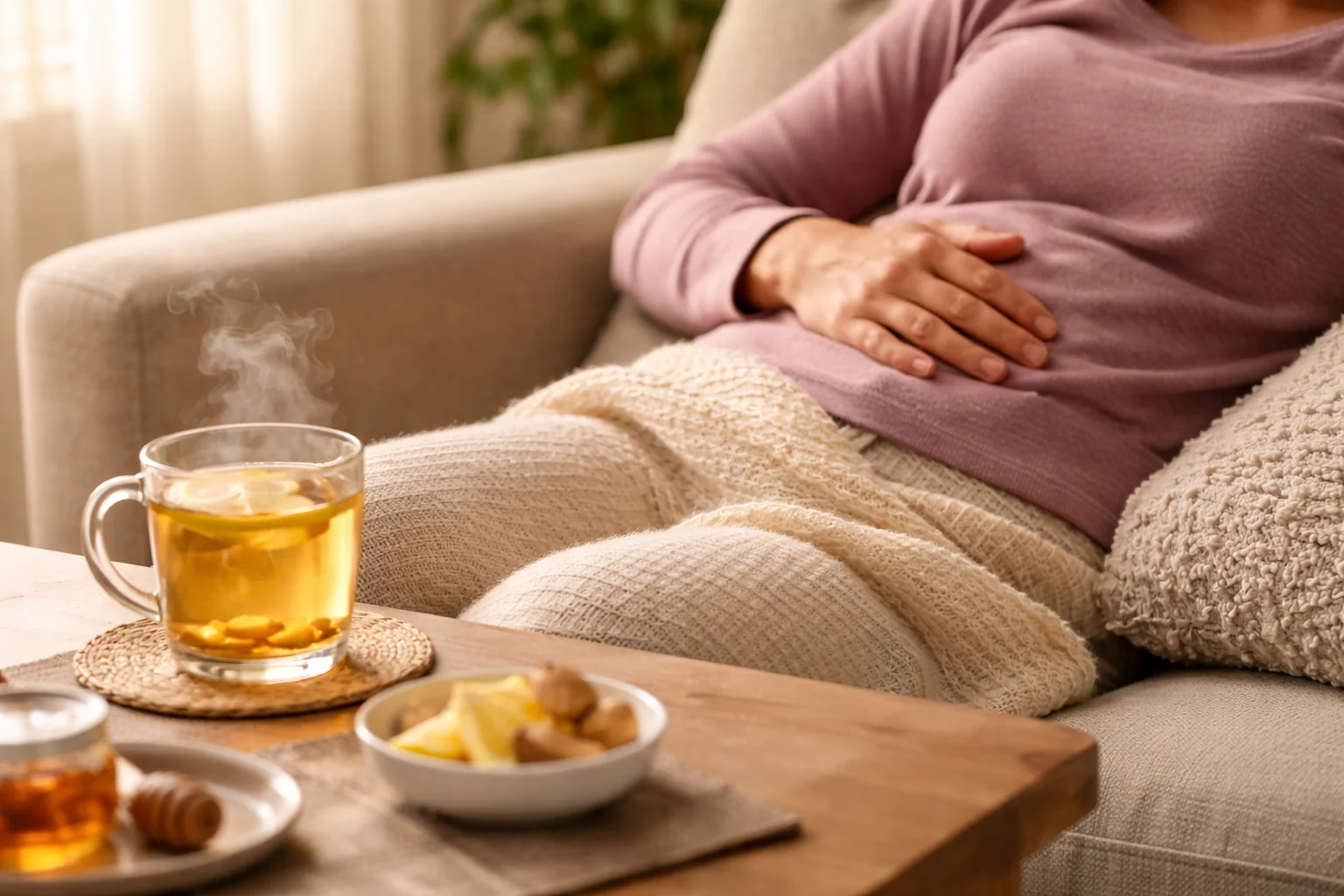
Does naltrexone cause nausea? It can be a naltrexone side effect, but you can get naltrexone nausea help to avoid it.
What You’ll Learn:
- How common nausea with naltrexone is for patients.
- If low dose naltrexone nausea is possible.
- Why nausea can happen when a person takes oral naltrexone.
- Does naltrexone nausea go away on its own.
- The risk of naltrexone nausea next day after consuming alcohol.
- How to stop nausea from naltrexone or avoid it altogether.
Can naltrexone cause nausea? Given that naltrexone affects reward pathways in the brain it wouldn’t seem like it affects the gut like GLP-1 medications. However, nausea is the most common side effect for patients.
But don’t let that dissuade you from using naltrexone to take control of your drinking. It isn’t a problem for the vast majority of patients at any point, and there are ways to minimize or avoid naltrexone nausea altogether.
How Common Nausea With Naltrexone is for Patients
Even though nausea is the most common naltrexone side effect, it still isn’t considered to be a common occurrence. Studies that have examined naltrexone side effects found that 9.8-35% of people experience varying levels of nausea with naltrexone.
But there are a few important considerations:
- Studies that showed around a third of people experienced nausea were examining naltrexone for opioid use disorder, which is often administered via IV at much higher doses.
- The nausea could actually be the result of withdrawal symptoms rather from the medication.
- Nausea is often mild and short-lived for most people.
Because many studies include patients who are taking naltrexone for opioid use disorder, it’s difficult to know just how common nausea is for people who are reducing their alcohol use. But given all of the information we have, it’s likely on the lower end of the spectrum with around 1 in 10 people experiencing nausea.
The Connection Between Naltrexone Dose Level and Nausea
Another factor that’s linked to naltrexone nausea is the dose of the medication. The higher the dose is, the more likely naltrexone side effects are, including nausea.
Taking a naltrexone 50 mg tablet once daily is the standard protocol for alcohol treatment. However, even with low dose naltrexone nausea is possible. There are a few reasons for this:
- Any substance can throw off bodily systems when it’s first introduced, and the digestive system can be sensitive.
- Because naltrexone is taken orally it has an effect on opioid receptors in the gut.
- Naltrexone can slow movement in the gut, which increases the possibility of nausea and constipation.
Your clinician will closely monitor how you react to the medication. They’ll want to know how you’re feeling to get a better idea of how you’re responding to get a good balance between curbing alcohol cravings and keeping side effects at bay.
Does Naltrexone Nausea Go Away on Its Own?
If you’re worried about nausea, the research shows you won’t be worried for long if you do experience it while taking naltrexone. Nausea usually subsides within a few days on its own.
Within a few weeks of starting naltrexone your body will adjust and nausea shouldn’t be a problem at all, even if you increase the dosage. Also, at that point you should be past any potential withdrawal symptoms that can also trigger nausea.
How to Stop Nausea From Naltrexone or Avoid It Altogether
Nausea may be the most common side effect associated with naltrexone, but there are ways to lower the chance that you’ll be in the 10% that experience it early on. Here’s what you can do to minimize or avoid nausea altogether.
Start Taking Naltrexone Several Days After Your Last Drink
There’s a chance that many people don’t experience nausea from naltrexone but rather it’s a withdrawal symptom from not drinking alcohol. If possible, refrain from drinking for several days before you start taking naltrexone so you’re past the peak of alcohol withdrawal symptoms.
Don’t Start With the Naltrexone Max Dose
Fifty milligrams is standard because starting with a naltrexone max dose may overload the system. At the beginning of treatment let your clinician know if you are experiencing any side effects. They may recommend that you take an even lower dose and work your way up to a naltrexone 50 mg tablet.
Take Your Daily Naltrexone Dose With a Meal
Like other medications, taking naltrexone on an empty stomach can upset the gastrointestinal system. It’s best to take naltrexone with a meal or shortly after to minimize nausea.
Take Your Daily Naltrexone Dose Before Going to Bed
Taking naltrexone at night shortly before bed can be good timing. That way if you do experience nausea you will be asleep and less likely to be affected.
Alcohol Consumption on Naltrexone: Vomiting After Drinking
Naltrexone and vomiting don’t automatically go hand-in-hand even though it is a side effect. When a person who is taking naltrexone becomes nauseous and vomits after drinking it may not be from the medication at all.
One study found that vomiting from naltrexone alone occurred for 16.4% of patients - but those patients were taking the naltrexone max dose. Both alcohol use disorder and opioid use disorder patients took 105-267.8 mg of naltrexone. That’s over 2-5 times higher than the naltrexone 50 mg tablet typically prescribed to reduce alcohol consumption.
Consuming alcohol while taking naltrexone is safe, but if you’ve dialed back your drinking, keep in mind that your body may react differently than before.
Does naltrexone make you nauseous? You can get naltrexone nausea help when you get a prescription through Choose Your Horizon. Our clinicians are here to answer your questions, provide advice and adjust your naltrexone online prescription if needed. It’s one of the many benefits of working with our team of professionals and being part of a caring community that provides support.
If you are interested in getting a naltrexone online prescription, take our Alcohol Use Assessment. It’s the initial step for determining if naltrexone is an option for helping you control your alcohol consumption.