A 2 minute assessment to get a personalized mental health or alcohol recovery plan.

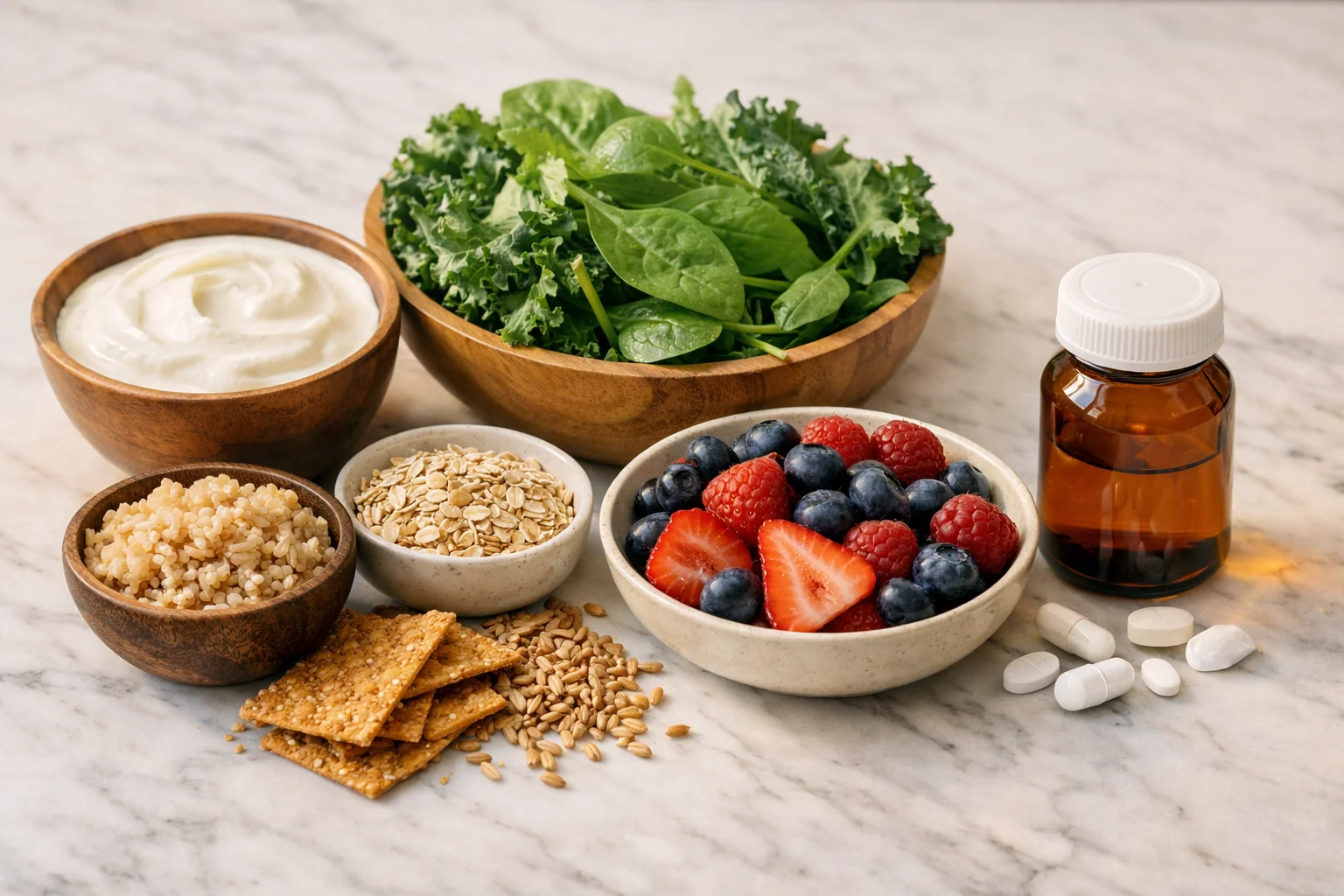
Naltrexone is an opioid receptor blocker that impacts the brain and GI tract, which can lead to constipation in a small percent of people. It highlights the brain-gut connection and how both are changed once you reduce alcohol consumption.
What You’ll Learn:
- Why naltrexone impacts the gastrointestinal system
- The likelihood of experiencing constipation as a naltrexone side effect
- Why constipation is about more than gut functioning
- How withdrawal symptoms can be a factor
- Indirect contributing factors that can cause constipation
- How naltrexone dose impacts constipation and gut function
- How to manage and prevent naltrexone constipation
Constipation is listed as a naltrexone side effect, but it affects just 1-10% of people taking the medication. It’s actually much less common than other side effects, and there’s a possibility it isn’t caused by the naltrexone at all.
Naltrexone is an opioid receptor blocker that curbs alcohol cravings by blocking the release of dopamine in the brain whenever alcohol is consumed. But there are also opioid receptors in your gut that can respond to naltrexone medication. That’s why GI system side effects are possible, and generally last just a few weeks as your body gets used to the naltrexone.
How the Nervous System Affects Constipation
When the opioid receptors in the gut are blocked by naltrexone it can cause changes in gut motility that slows digestion down. But your body is also experiencing an autonomic reset once you stop heavy alcohol use.
Your nervous system is rebalancing itself, particularly the enteric nervous system. This is a network of nerves within the GI system that runs from your esophagus to the rectum, regulating the digestive system and how it moves. It’s sometimes called the brain to gut system.
Quitting alcohol after heavy use causes temporary disruptions in the enteric nervous system, which can cause changes in bowel movements.
Why Withdrawal Could Be the Cause of Constipation
There’s a chance that it isn’t the naltrexone that is causing the constipation. It’s ideal to start taking naltrexone after abstaining from alcohol for 3-4 days. That way you’re through the withdrawal period that comes with its own side effects.
When you stop drinking alcohol or significantly cut back your consumption after chronic drinking, it can mess with your GI system. Some of the GI-related alcohol withdrawal symptoms include:
- Upset stomach
- Bloating
- Constipation
Even if you’re past the withdrawal period, it takes the body time to adjust after significantly reducing alcohol consumption or quitting altogether. Alcohol is a GI tract irritant that throws the gut microbiome off, damages the gut lining and causes gut inflammation. It takes 2-3 weeks for the gut to begin recovering and the gastrointestinal side effects to calm down. However, it takes up to a year for the gut to completely balance out if you were a chronic drinker.
Indirect Factors That Contribute to Constipation
There are some known indirect factors that can contribute to constipation after you start taking naltrexone for alcohol use treatment. They are mainly connected to lifestyle changes that come with drinking less alcohol, such as:
- Changes in appetite
- Water intake and retention
- Increased activity
- Adjustments in diet
These factors may cause harder stools and fewer bowel movements. In some cases, this isn’t actually considered constipation at all. It’s simply changes in GI function that may continue adjusting over time.
The Connection Between Naltrexone Dose and Constipation
Like other side effects, the dose of naltrexone makes a difference in whether or not constipation is experienced. When you’re taking naltrexone 50 mg tablets for alcohol treatment (the standard dose) constipation is fairly rare.
Low dose naltrexone is actually being used to treat a number of gut-related conditions like irritable bowel syndrome. This suggests that lower doses could be easier and even beneficial for the gastrointestinal system.
Managing and Preventing Naltrexone Constipation
If you’re among the small percentage of people who experience constipation and you want to minimize the symptoms, there are things you can do as your gut takes a week or two to balance out. The upside is that many of the management and prevention methods for constipation are also good for your general health and wellbeing.
Take Probiotics
Probiotics help with constipation by balancing bacteria in the gut microbiome, softening stool and promoting faster digestion of food.
Increase Fiber Intake
Increasing your fiber intake to 25-40 grams a day adds bulk to stool to encourage bowel movements.
Drink Lots of Water
Drinking water is one of the best ways to counteract constipation no matter what is causing it. One thing that water consumption does is helps fiber speed up digestion.
Eat Prunes
Prunes are a natural laxative that can ease constipation. You can eat prunes or drink prune juice to help increase bowel movements.
Over-the-Counter Laxatives
There are also over-the-counter laxatives that can be taken to help with bowel movements. Magnesium citrate is one option that works by bringing more water into the colon.
Physical Activity
Getting your body moving will get your gut moving. Just 30 minutes of exercise is enough to engage the intestinal muscles and get things moving.
Key Takeaways:
- Constipation can be a side effect of taking naltrexone for alcohol use in 1-10% of people.
- Constipation may not be a result of taking naltrexone but the GI system adjusting once heavy or chronic alcohol use ceases.
- The enteric nervous system is also affected once chronic alcohol use decreases, which impacts GI functions.
- Naltrexone acts on opioid receptors in the gastrointestinal system, which can slow down digestion.
- Constipation is usually short-lived, lasting a few weeks while the gut adjusts.
- There are healthy practices that can help ease constipation symptoms and help your gut adjust once alcohol is out of your system.
When you get an online naltrexone prescription from Choose Your Horizon you’ll work with qualified clinicians that will help you avoid naltrexone side effects like constipation. We’ll get the naltrexone dosage dialed in perfectly for you so that it curbs alcohol cravings while being easy on your gut.
The online Alcohol Use Assessment is a quick survey that will provide insight on your drinking habits and whether naltrexone can help you take control of your alcohol consumption.