A 2 minute assessment to get a personalized mental health or alcohol recovery plan.

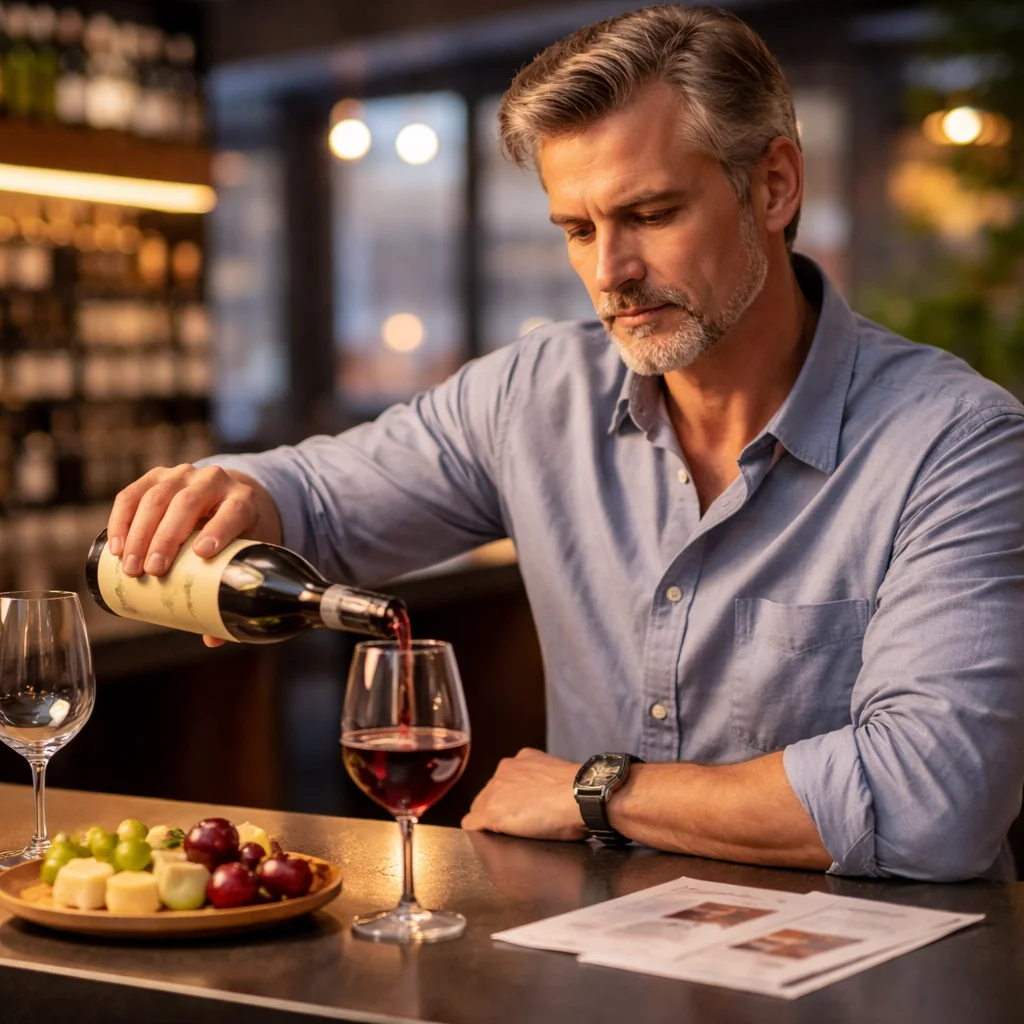
Non-alcoholic wine starts as real wine with the alcohol taken out. For many people cutting back, it's a genuinely useful swap, as long as you know what's in the bottle and how it affects you.
What You'll Discover:
• How producers remove alcohol from wine.
• What "non-alcoholic" and "alcohol-free" mean on a U.S. label.
• What non-alcoholic wine really tastes like.
• How the calories compare, glass for glass.
• When it helps you drink less, and when it can work against you.
For a lot of wine drinkers, the hardest part of cutting back isn't the alcohol. It's the ritual. The pour, the glass, and the first sip that tells your brain the workday is over.
Non-alcoholic wine promises to keep the ritual and drop the alcohol. Shelves that once held a single dusty bottle now carry reds, whites, rosés, and sparkling options.
Some of them are very good. Some taste like grape juice with ambition. And for some people, any drink that looks and smells like wine can stir up the urge for the real thing.
So, here's how non-alcoholic wine is made, what the label really means, what to expect in the glass, and how to tell whether it's helping you.
What Non-Alcoholic Wine Actually Is
Most non-alcoholic wine begins life as regular wine. Grapes are crushed, fermented, and finished like any other bottle. Then the alcohol is removed, which is why you'll often see the word dealcoholized on the label.
That's the big difference from grape juice. Fermentation creates many of the flavors and aromas people recognize as wine, so a dealcoholized wine keeps some of that character after the alcohol is gone.
Not every bottle in the non-alcoholic aisle is made this way, though. Some are "wine alternatives" blended from juice, tea, vinegar, or botanicals that were never fermented. They can be tasty, but they're a different drink.
How Alcohol Gets Removed From Wine
Pulling alcohol out of wine without flattening the flavor is a real technical challenge. A 2025 review of dealcoholization techniques covers six main approaches, including reverse osmosis, vacuum distillation, and the spinning cone column.
Each method trades off cost, flavor, and how much aroma survives. These three are the ones you're most likely to see on a label or a producer's website.
Vacuum Distillation
Lower the pressure around a liquid and it boils at a lower temperature. Vacuum distillation uses that principle to evaporate alcohol from wine at a temperature roughly 15 to 20°C lower than standard distillation.
Less heat means less of a cooked flavor. Even so, heat-based methods tend to carry off some delicate aroma compounds along with the alcohol.
Spinning Cone Column
A spinning cone column is a tall stainless steel vessel lined with alternating fixed and rotating cones. Wine spreads into thin films across the spinning cones while vapor moving up the column strips out volatile compounds.
It can run in two stages. The first pass captures aroma at about 26°C, the second removes alcohol at 40 to 50°C, and then the captured aroma goes back into the wine.
Reverse Osmosis
Reverse osmosis skips the heat entirely. High pressure pushes wine against a membrane with extremely tiny pores, so water and alcohol pass through while larger flavor and color molecules stay behind.
The alcohol is then separated from that water, and the water is returned to the concentrated wine. Because the process runs cool, membrane methods are often favored for protecting aroma.
That preference shows up in tasting, too. In a 2021 study comparing the two approaches, wines dealcoholized with reverse osmosis were better accepted by tasting panelists than wines made with vacuum distillation.
What "Non-Alcoholic" Means on a U.S. Label
Spoiler alert: in the U.S., "non-alcoholic" does not mean zero alcohol.
Federal law defines wine as having 7% to 24% alcohol by volume. Dealcoholized wine falls below that range, so the FDA oversees its label, according to the FDA's labeling policy for dealcoholized wine.
That policy says a wine called "dealcoholized" or "alcohol-removed" should state that it contains less than 0.5 percent alcohol by volume. The FDA considers those terms misleading if the alcohol content is higher than 0.5%.
The wording on the bottle tells you a lot:
• Dealcoholized or alcohol-removed: made from wine, with less than 0.5% ABV.
• Non-alcoholic: allowed as an extra claim on dealcoholized wine, also less than 0.5% ABV.
• Alcohol-free: reserved for products with no detectable alcohol, often shown as 0.0%.
For perspective, the FDA notes that fruit juices and soft drinks can also contain trace alcohol under 0.5%, from flavorings or natural fermentation.
One caution worth knowing. A 2024 clinical commentary on non-alcoholic beverages describes a 2010 study of 45 products in which 29% held more alcohol than their labels stated. How accurate labels are today isn't clear.
What Non-Alcoholic Wine Really Tastes Like
Set your expectations here and you'll enjoy non-alcoholic wine much more. Alcohol does more work in a glass of wine than most people realize.
It adds body and warmth. It carries aroma up to your nose. It also shapes how you perceive acidity, sweetness, and bitterness.
When the alcohol comes out, that balance shifts. The 2025 review notes that removing alcohol can heighten bitterness, change perceived sweetness, and reduce the fruity notes that alcohol helps carry.
In one vacuum distillation study it covered, dealcoholizing cut volatile aroma compounds by 85% to 98%. Tasters noticed less aroma, a thinner feel, less sweetness, and sharper acidity.
To compensate, some producers blend grape must back in to restore sweetness and balance the acidity. That's one reason some non-alcoholic wines taste sweeter than their regular counterparts.
A few practical tips for your first bottles:
• Sparkling styles are often the easiest place to start, since bubbles add the texture alcohol would otherwise provide.
• High-alcohol, full-bodied reds lean on alcohol for their velvety texture, so they tend to lose the most.
• Serve it well chilled and in a real wine glass. Presentation does a lot of the work.
• Treat it as its own drink rather than a replica of your favorite bottle.
Calories in Non-Alcoholic Wine vs Regular Wine
Most of the calories in regular wine come from the alcohol itself. Alcohol carries about 7.1 calories per gram, not far from the 9 in fat.
USDA values cited in a study of calories in alcoholic drinks put a 5-ounce glass of table wine at about 124 calories with 15.4 grams of alcohol. That works out to roughly 109 calories from the alcohol alone.
Take the alcohol out and most of those calories leave with it. What remains comes mainly from sugar, which varies from bottle to bottle, especially when grape must is added back for flavor.
Because dealcoholized wine is labeled under FDA food rules, most bottles carry a Nutrition Facts panel. Check the calories and added sugar per serving, and note the serving size.
If calories are part of your reason for cutting back, our breakdown of wine calories shows how quickly a few glasses add up over a week.
Regular Wine vs Non-Alcoholic Wine at a Glance
When Non-Alcoholic Wine Helps
Non-alcoholic wine tends to work best in the moments when drinking is a habit rather than a decision.
It replaces the ritual. If your wine habit is tied to a time of day, keeping the glass while changing what's in it can loosen that automatic link. Our guide to the wine o'clock habit explains why the evening cue is so strong.
It makes social situations easier. Holding a glass of something that looks like wine tends to cut down on questions at dinners, parties, and work events.
It supports alcohol-free days. Swapping in a non-alcoholic bottle a few nights a week lowers your weekly total without the sense of missing out.
There's early research behind the idea. In a 2023 randomized trial in Japan, published in BMC Medicine, frequent heavy drinkers given free non-alcoholic drinks for 12 weeks cut their alcohol intake about four times as much as a control group.
The effect held 8 weeks after the free drinks stopped. The study wasn't specific to wine, and participants knew which group they were in, so it's an encouraging signal rather than the final word.
For more variety, our collection of non-alcoholic cocktails and mocktails has plenty of options that don't imitate wine at all.
When Non-Alcoholic Wine Can Be a Trigger
Here's the other side of the story. The same features that make non-alcoholic wine a good stand-in are also alcohol cues. The color, the smell, the glass, and the taste all point your brain toward the real thing.
Research shows alcohol cues can prompt craving and, in some people, drinking. The 2024 commentary points out that non-alcoholic drinks are designed to mimic alcohol, so they carry those cues too.
The authors also note that not everyone is highly cue-reactive. Research on who benefits from these drinks and who gets triggered by them is still early.
Signs it may be working against you:
• You think about real wine more, not less, after a non-alcoholic glass.
• A non-alcoholic bottle tends to turn into a real one later in the evening.
• You drink several glasses quickly, chasing a feeling that never arrives.
• You feel restless or irritable afterward rather than satisfied.
If that sounds familiar, you haven't done anything wrong. It simply means your brain still links the cue to the reward, which is very common.
A drink that looks nothing like wine, like sparkling water with citrus or a good iced tea, may serve you better for now. Plenty of people find non-alcoholic wine is a trigger early on and a helpful tool later.
Who Should Choose 0.0% or Skip It
For most healthy adults, the trace alcohol in non-alcoholic wine isn't a concern. A few groups should be more careful.
If you're pregnant, choose products labeled alcohol-free or 0.0%, and talk with your OB. Federal health agencies say no amount of alcohol is known to be safe during pregnancy.
If you have liver disease, ask your clinician first. The 2024 commentary describes a person with end-stage liver disease who reached a measurable blood alcohol level after drinking nine non-alcoholic beers.
If you take a medication that shouldn't be mixed with alcohol, check with your prescriber or pharmacist about even trace amounts.
How to Make Non-Alcoholic Wine Work for You
A few habits make the difference between a helpful swap and a frustrating one.
Read the label twice. Look for "less than 0.5%" or "0.0%," then check sugar on the Nutrition Facts panel.
Plan your alcohol-free nights. Decide in advance which nights you're skipping alcohol, and keep a non-alcoholic bottle chilled for them.
Notice how you feel. Pay attention to whether the drink settles the craving or sharpens it. Your own answer is more useful than any review.
Change course if it keeps sliding. If non-alcoholic wine keeps leading to regular wine, try a different swap for a while.
Keep the bigger goal in view. Whether you want to cut back or quit, our guide on how to stop drinking wine covers strategies that go beyond what's in the glass.
When a Swap Isn't Enough
Non-alcoholic wine changes what's in your glass. It doesn't change how your brain responds to alcohol.
If cravings keep winning, that's useful information, not a personal failing. Drinking patterns are shaped by clinical, neurological, and behavioral science, and willpower is only one piece of the picture.
That's where naltrexone comes in for many people. It has been FDA-approved for alcohol use disorder since 1994, and it blocks the opioid receptors involved in alcohol's rewarding buzz.
With less reward from each drink, many people find it easier to stop after one or two. It comes as a 50mg tablet and works whether your goal is drinking less or quitting.
How Choose Your Horizon Can Help
Choose Your Horizon offers an integrated solution for people who want to change their relationship with alcohol, without waiting to hit rock bottom.
Our physicians can prescribe naltrexone after an online assessment, and care includes coaching and ongoing support. Everything happens online and discreetly, and you choose the goal.
Raising a Glass on Your Own Terms
Non-alcoholic wine is real wine with the alcohol removed, usually by vacuum distillation, spinning cone, or reverse osmosis. In the U.S., "non-alcoholic" means less than 0.5% ABV, and "alcohol-free" means none detectable.
Expect a lighter, sometimes sweeter wine with far fewer calories. For many people, it's a smart way to keep the ritual while drinking less.
For others, the look and taste stir up cravings. Notice which group you're in, and remember that asking for support is a smart move, not a last resort.
Frequently Asked Questions
Does non-alcoholic wine have alcohol in it?
Usually a trace. In the U.S., wine labeled dealcoholized or non-alcoholic contains less than 0.5% alcohol by volume. Only products labeled "alcohol-free" have no detectable alcohol.
Can you get drunk on non-alcoholic wine?
It's very unlikely for most healthy adults, since the alcohol content is below 0.5%. People with serious liver disease clear alcohol more slowly and should check with a clinician first.
Is non-alcoholic wine healthier than regular wine?
It has far less alcohol and usually far fewer calories, which are real advantages. Some bottles are higher in sugar, so check the Nutrition Facts panel.
How many calories are in non-alcoholic wine?
It varies by brand, mostly based on sugar. Regular table wine has about 124 calories per 5 ounces, mostly from alcohol, so non-alcoholic versions usually come in well below that.
Does non-alcoholic wine taste like real wine?
It tastes like wine, only lighter. Removing alcohol thins the body and makes acidity stand out more. Sparkling styles are often the easiest place to start.
Is non-alcoholic wine okay if you're trying to quit drinking?
For many people, yes. For some, the look and taste trigger cravings for real wine. If it makes you want alcohol more, switch to drinks that don't resemble wine.
If you'd like support that goes beyond the wine aisle, take the Alcohol Use Assessment online to see if naltrexone and Choose Your Horizon's integrated solution are a good fit for you.