A 2 minute assessment to get a personalized mental health or alcohol recovery plan.

The nightly glass of wine is often less about the wine and more about the wind-down. Here is why the wine o'clock habit forms and how to keep the ritual while drinking less.
What You'll Discover:
• Why the wine o'clock cue takes hold so easily.
• The role stress, reward, and routine play in the ritual.
• How to keep the wind-down and drop the wine.
• Easy swaps that preserve the calm part.
• What to watch for when the daily glass quietly creeps up.
• A gentle option for when willpower alone is not enough.
You get the kids down, close the laptop, or finally sit after a long day, and your hand reaches for the corkscrew almost on its own. For a lot of people, that is wine o'clock. It is not a crisis. It is a routine.
It is also incredibly common. The end-of-day glass has become a cultural shorthand for relaxing, complete with memes and mugs. That makes it feel normal, which is part of why it rarely gets a second thought.
There is nothing shameful about wanting to mark the end of a hard day with something that feels like a reward. The ritual works because it does its job. It tells your brain the work is over.
The interesting part is that most of what you love about wine o'clock has very little to do with the wine. Once you see that, drinking less starts to feel a lot more doable.
Why Wine O'Clock Takes Hold
Habits run on a simple loop. There is a cue, a routine, and a reward. Researchers who study drinking describe it the same way, with a cue that sparks a craving, a response, and a reward that locks the pattern in.
For wine o'clock, the cue is usually a moment. The end of the workday, the kids finally asleep, the switch from on-duty to off-duty. That moment becomes a trigger you barely notice.
The routine is the pour. The reward is the warm, loosening feeling that follows. Over months, your brain stops weighing the decision and just runs the loop.
This is how researchers describe the shift from a thought-out choice to an automatic one in their work on habit formation and drinking.
Stress pours fuel on the fire. When the day has been draining, the reward feels bigger, so the loop gets stronger. The harder the day, the louder the cue.
There is a biological side to this too. Stress shifts how the brain weighs a quick reward, so the loosening feeling of that first glass lands harder than it would on a calm day.
The relief is real, and that is part of why the habit sets so firmly.
That is why caregivers and busy professionals describe the pull so vividly. The wind-down is not a weakness. It is a well-trained habit doing exactly what habits do.
The Part You Actually Want Is the Wind-Down
Here is the reframe that changes everything. Sit with what you actually look forward to at wine o'clock. It is rarely the alcohol itself.
It is the pause. The signal that you are off the clock. The ritual of pouring something into a nice glass and sitting down. The small permission to stop being useful to everyone else for a few minutes.
Alcohol is just the delivery vehicle that got attached to that pause over time. Your brain learned to link the relief with the wine, but the relief was always the point.
This is easy to test. Picture your ideal evening wind-down without naming the drink. Most people describe quiet, a comfortable chair, a moment to themselves, the day finally letting go. The wine is almost never the star of that picture.
Once you separate the two, you can keep the part you love. You build the same wind-down around something that is not alcohol, and your brain still gets the cue that the day is done. We go deeper on this in our guide to mindful drinking.
Easy Swaps That Keep the Ritual
The trick is to keep the ritual intact and only change what is in the glass. The cue still fires, the routine still happens, and the reward still arrives. You are just rerouting the loop.
A few swaps that work for the wind-down:
• Pour something nice into the same glass. Sparkling water with bitters, a non-alcoholic wine, or a tart cherry seltzer in a real wine glass keeps the ritual whole.
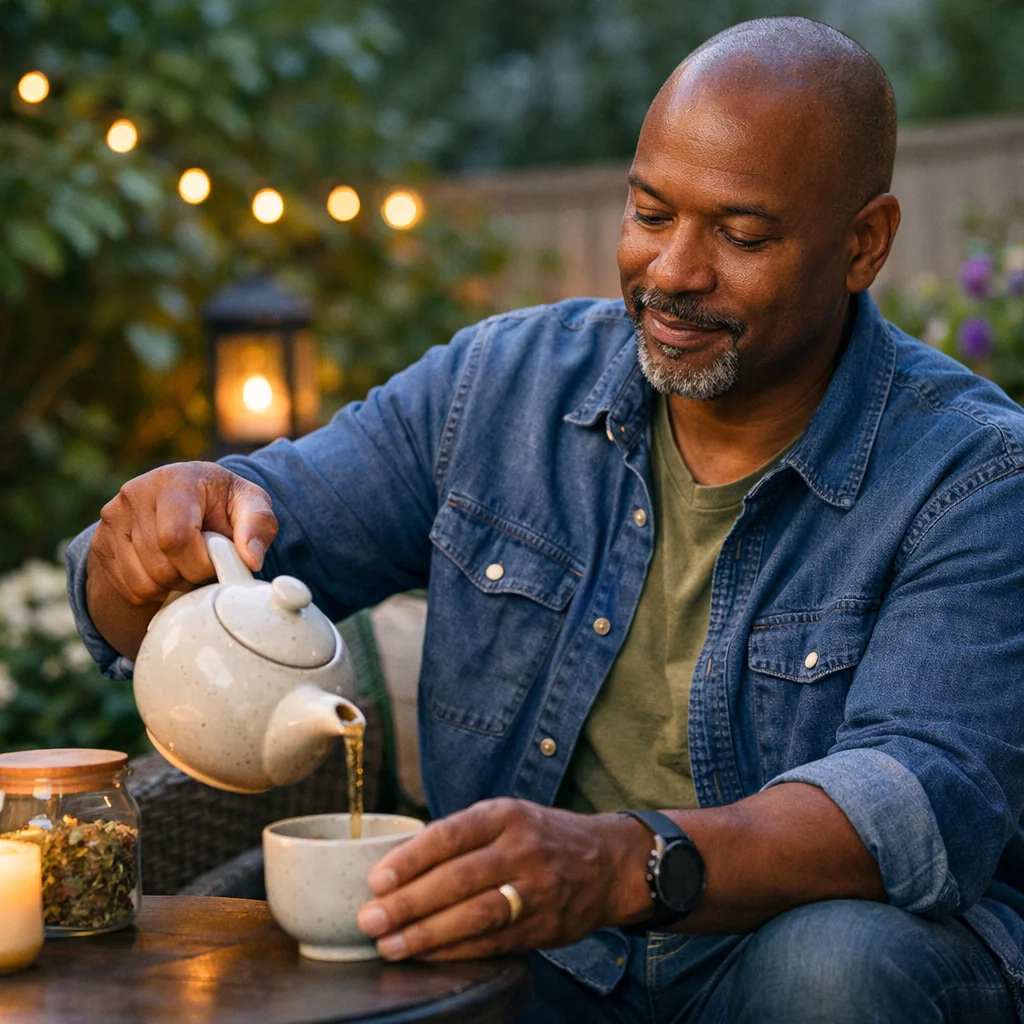
• Add a second small ritual. A few minutes of stretching, a short walk, or a hot tea gives your brain a new reward to attach to.
• Change the setting slightly. Sit somewhere different, light a candle, or put on music. A small shift breaks the automatic reach.
Timing helps the swap stick. Have the seltzer cold and ready before the cue hits, so the new choice is the fast one. If you have to dig through the fridge while the craving builds, the old habit usually wins.
The NIAAA's guidance on stopping alcohol cravings uses a recognize, avoid, cope approach. You recognize the cue, adjust what is available, and have a new response ready before the urge hits.
Keeping less wine in the house helps more than willpower does. The CDC's drink less guidance suggests removing alcohol from the places where you spend the most time.
That way, the easy default becomes the non-alcoholic one. You do not have to white-knuckle it. You just make the new routine the path of least resistance.
Wine O'Clock Triggers and Swaps to Try
Different cues call for different swaps. Here is a quick reference for the moments that most often trigger the pour, with a swap that keeps the wind-down.
The goal is not to white-knuckle through the evening. It is to give the cue a new, satisfying response so the loop quietly reroutes itself.
When the Daily Glass Quietly Creeps Up
Wine o'clock has a way of growing slowly. One glass becomes a generous pour. A generous pour becomes two. A weeknight habit spreads to every night. None of it feels like a decision, because the loop is on autopilot.
This is worth noticing without panic. Tolerance builds gradually, so the same relaxed feeling starts to take a little more wine than it used to. That is the brain adjusting, not a personal failing.
The creep is also easy to miss because the pours get bigger, not the count. A single glass can quietly become a third of a bottle, and on paper it still reads as one drink.
The clearest sign is when the ritual stops feeling optional. If a night without the glass feels strangely hard, or you find yourself looking forward to it earlier in the day, the habit has tightened.
We cover this pattern in our guide to nighttime alcohol cravings.
It also helps to track it honestly for a week. Jot down each glass before you pour it, the way the NIAAA recommends, and the real total often surprises people. Awareness alone tends to slow the creep.
Another quiet signal is the morning. If the wind-down is costing you sleep quality or leaving you groggy, the reward is shrinking while the cost grows.
Catching the creep early makes it much easier to adjust. You can explore practical steps in our guide to stopping drinking every night.
Why the Caregiver and Professional Wind-Down Hits Hardest
The wine o'clock habit shows up most in people who spend the day taking care of everyone else. Parents, caregivers, nurses, teachers, and managers all run on a kind of output that does not switch off easily.
By evening, the brain is craving a clear, fast signal that the giving is over. Wine delivers that signal quickly, which is exactly why it gets chosen again and again.
The catch is that the wind-down need is real, but the wine is interchangeable. Any reliable, pleasant cue can tell your brain the shift is done. The job is finding one that does not cost you the next morning.
It also helps to build the off-switch earlier in the evening. A two-minute transition right when you stop working, like changing clothes or stepping outside, gives the day an ending that does not depend on a drink.
When the wind-down has its own ritual, the wine has less work to do. Over time, the glass becomes optional instead of automatic.
A Gentle Option for When Willpower Is Not Enough
Sometimes the cue is just too strong to outsmart with swaps alone. When the loop has run for years, the craving at wine o'clock can feel louder than any new ritual. That is where a gentle medical option can help.
Naltrexone is an FDA-approved prescription medication that quiets alcohol cravings. It blocks the opioid receptors that release the feel-good rush when you drink, so the reward at the end of the loop gets smaller and the pull weakens over time.
What makes it a good fit for the wine o'clock pattern is that it takes the edge off the craving itself. You still get to keep your wind-down ritual. The medication just makes it easier to reach for the seltzer instead of the wine.
Naltrexone is a once-daily 50mg tablet taken at home. With Choose Your Horizon, the consultation is online and the medication ships discreetly, so support fits quietly into your evening without disrupting the rest of your life.
It also fits a busy life. There is no clinic visit to schedule around the kids or work, and nothing for anyone to notice. You take the tablet on your own time and carry on with your evening.
For many people, pairing the swaps with naltrexone is what finally reroutes the loop for good. The ritual stays, the wine fades, and the evening still feels like yours.
Keeping the Ritual, Losing the Wine
Wine o'clock is not a character flaw. It is a habit loop built from a cue, a routine, and a reward, and it grew strong because it worked. The good news is that the part you love is the wind-down, not the wine.
When you keep the ritual and swap what is in the glass, the cue still fires and the reward still arrives. Over time, the loop reroutes itself and drinking less stops feeling like a fight.
If the craving is too strong to outsmart alone, a gentle option like naltrexone can quiet it so the new ritual sticks. You get to keep your evening pause. You just get to keep more of your mornings too.
Frequently Asked Questions
Why do I crave wine at the same time every night?
It is a habit loop. A daily cue, like finishing work or putting kids to bed, triggers the routine of pouring a glass and the reward of relaxing. Over time the brain runs it automatically.
How can I relax at night without alcohol?
Keep the ritual and change the glass. A non-alcoholic spritz, a hot tea, a short walk, or a few minutes of stretching all give your brain the wind-down signal without the wine.
Is a glass of wine every night a problem?
Not necessarily, but it is worth watching. If the nightly glass feels hard to skip, keeps growing, or hurts your sleep, the habit may be tightening and worth adjusting.
What is the best non-alcoholic swap for wine?
Sparkling water with bitters or a splash of tart cherry juice in a real wine glass comes closest to the ritual. A good non-alcoholic wine works too. The glass and the pause matter most.
Does naltrexone help with a nightly drinking habit?
Yes. Naltrexone is a once-daily tablet that reduces alcohol cravings by quieting the reward you get from drinking. That makes it easier to keep the wind-down and skip the wine.
How long does it take to break the wine o'clock habit?
Many people notice the urge weakening within a few weeks of consistent swaps. Habits fade as the new routine repeats, and naltrexone can speed that along by lowering the craving.
You do not have to give up your evening wind-down to drink less. Take a private, online Alcohol Use Assessment to see if naltrexone could be a good fit for the way you want to relax.