A 2 minute assessment to get a personalized mental health or alcohol recovery plan.

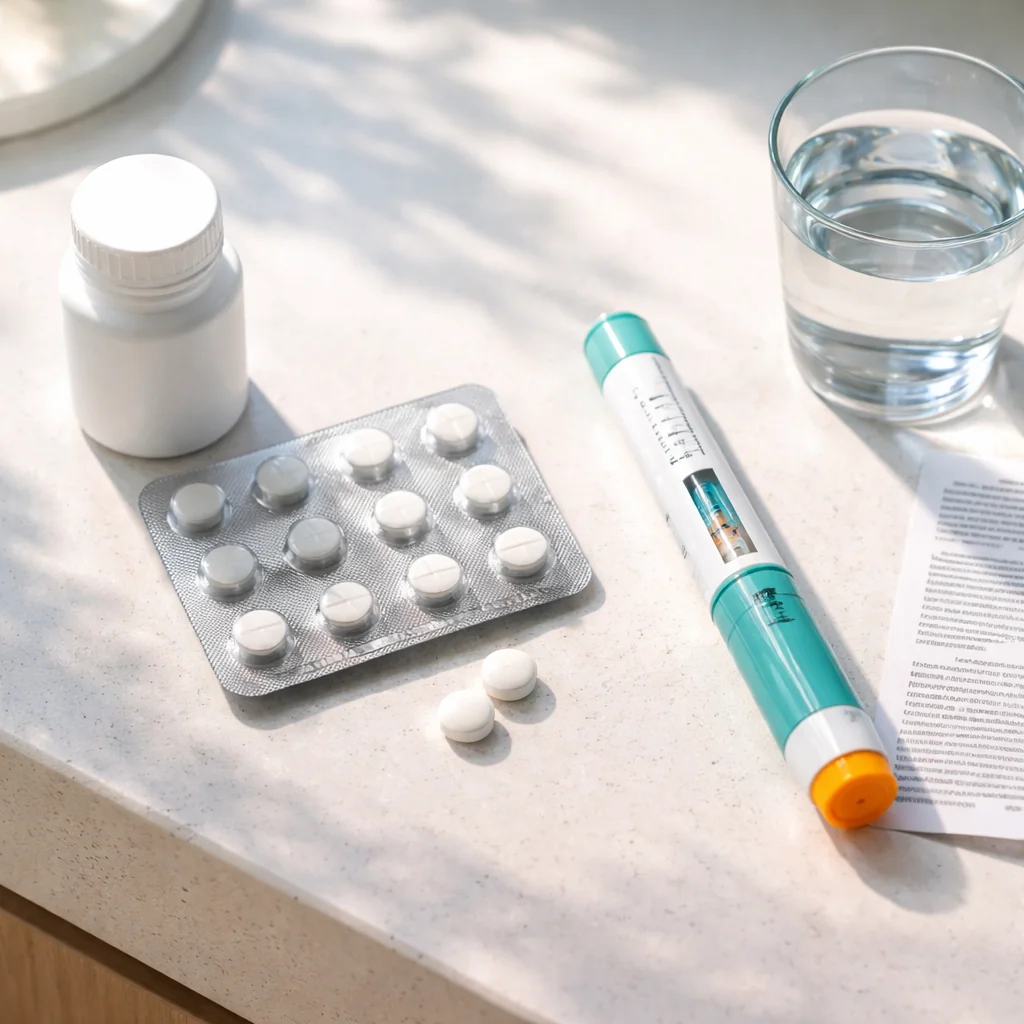
Naltrexone and GLP-1 medications can both upset your stomach, but they differ a lot in how long side effects last, what the serious warnings are, and who tends to do well on each.
What You'll Discover:
• The most common side effects of naltrexone and GLP-1 medications.
• How long side effects usually last with each one.
• The serious warnings on each label, in plain language.
• Who may tolerate which medication better.
• Why some people take both, and who makes that call.
If you're deciding between naltrexone and a GLP-1 medication to help with drinking, side effects are probably near the top of your list. That makes sense. A medication only helps if you can stay on it.
The short answer is that both can cause nausea, but the overall profiles are quite different. Naltrexone's side effects are usually mild and show up early. GLP-1 side effects are mostly digestive and tend to flare each time the dose goes up.
One more difference matters before anything else. Naltrexone has been FDA-approved for alcohol use disorder since 1994.
GLP-1 medications are not FDA-approved for alcohol use disorder. Using them for drinking is off-label, and the evidence is still emerging.
This article focuses on side effects. For how the two compare on effectiveness, see our full breakdown of naltrexone vs GLP-1 for alcohol use disorder.
How Each Medication Works, and Why It Shapes Side Effects
Naltrexone blocks opioid receptors in the brain's reward system. With those receptors blocked, drinking feels less rewarding and cravings ease. It's a 50mg tablet, usually taken once a day.
GLP-1 medications like semaglutide mimic a gut hormone. They slow how quickly your stomach empties and act on appetite centers in the brain. Most are weekly injections, and semaglutide is also available as a daily tablet.
Those mechanisms explain a lot. A medication that deliberately slows your stomach is going to cause more digestive side effects. A medication that blocks opioid receptors matters a great deal if you ever need opioid pain relief.
Common Side Effects of Naltrexone
Most naltrexone side effects are mild. The StatPearls clinical reference on naltrexone lists nausea, vomiting, abdominal pain and cramps, and headache among the most frequently reported effects.
Large-scale data backs that up. A 2023 meta-analysis of 118 clinical trials found nausea was about 1.73 times as likely on naltrexone as on placebo, and vomiting about 1.53 times as likely.
The same analysis found dizziness was about twice as likely with naltrexone. These are relative comparisons, and the effects they describe are mostly mild.
Fatigue, trouble sleeping, and feeling a little anxious or on edge are also possible. Plenty of people notice nothing at all, and others feel some queasiness or a headache for the first few days.
How Long Naltrexone Side Effects Last
For most people, naltrexone side effects show up in the first days to weeks and fade as the body adjusts. Nausea is the one people notice most, and it often settles within the first week or two.
Small changes usually help. Taking the tablet with food, shifting the time of day, or starting at a lower dose under a prescriber's guidance are common fixes. Our guide to minimizing and avoiding naltrexone nausea covers these in detail.
Because there's no long titration schedule, the adjustment period is short. For the full list of what to expect, see our guide to naltrexone side effects.
Common Side Effects of GLP-1 Medications
GLP-1 side effects are mostly digestive, and they're common. The most frequent are nausea, vomiting, diarrhea, constipation, and abdominal pain.
How common depends on the dose. On the Ozempic label, which covers diabetes doses of 0.5 mg and 1 mg, nausea affected 15.8% to 20.3% of people versus 6.1% on placebo.
At the higher 2.4 mg weight-management dose, the Wegovy label reports nausea in 44% of people, diarrhea in 30%, vomiting in 25%, and constipation in 24%.
On placebo, those rates were 16%, 16%, 6%, and 11%. Headache, fatigue, and dizziness also showed up more often than with placebo.
How Long GLP-1 Side Effects Last
GLP-1 side effects are closely tied to titration, the gradual dose increases used to start these medications. The Ozempic label notes that the majority of reports of nausea, vomiting, and diarrhea occurred during dose escalation.
Titration also takes a while. Wegovy starts at 0.25 mg weekly and steps up every 4 weeks, so reaching the full dose takes about 16 weeks. Each step can bring a fresh round of stomach symptoms.
Some people stop because of it. In Ozempic's trials, 3.1% to 3.8% of people stopped treatment because of digestive side effects, compared with 0.4% on placebo.
Severe stomach problems are less common but real. The labels flag severe gastrointestinal reactions and warn that dehydration from vomiting or diarrhea has been linked to kidney injury.
We go deeper on this in our guide to GLP-1 side effects when used for alcohol.
Serious Warnings on Each Label
Common side effects are about comfort. Serious warnings are about safety, and each medication has its own set.
Naltrexone: Opioids and Liver Health
The most important naltrexone warning involves opioids. Because naltrexone blocks opioid receptors, taking it while opioids are in your system can trigger sudden withdrawal, called precipitated withdrawal.
That's why people need to be opioid-free before starting, typically for 7 to 10 days, according to StatPearls. That includes prescription pain relievers and cough medicines that contain opioids.
It also works the other way. Naltrexone blocks pain relief from opioid medications, so anyone facing surgery or a procedure should tell their care team. StatPearls notes oral naltrexone is typically stopped at least 72 hours before scheduled surgery.
Trying to override the block by taking more opioids is dangerous. If you ever need urgent pain treatment, tell the care team you take naltrexone.
The second consideration is the liver. Naltrexone is processed by the liver, and StatPearls describes liver injury with naltrexone as dose-related. Prescribers check liver health before starting and may monitor it during treatment.
People with severe liver disease are generally not candidates. For most people with healthy livers on the standard 50mg dose, this is a monitoring step rather than a common problem.
GLP-1 Medications: Thyroid, Pancreas, and Gallbladder
Semaglutide carries a boxed warning, the FDA's most prominent type, for thyroid C-cell tumors. In rodents, semaglutide caused these tumors, and it's unknown whether it does the same in humans.
Because of that, semaglutide should not be used by people with a personal or family history of medullary thyroid carcinoma. The same goes for a condition called multiple endocrine neoplasia syndrome type 2 (MEN 2).
Several other long-acting GLP-1 medications carry a similar warning. Your prescriber will ask about your thyroid history before starting any of them.
The labels also warn about acute pancreatitis. Persistent, severe stomach pain, sometimes spreading to the back, with or without vomiting, is a reason to stop and get checked right away.
Gallbladder problems, including gallstones, are another warning. In Wegovy's weight-management trials, gallstones were reported in 1.6% of people on the medication versus 0.7% on placebo.
Other label warnings include low blood sugar when combined with insulin or certain diabetes pills, kidney injury tied to dehydration, and a risk of inhaling stomach contents during anesthesia because the stomach empties slowly.
Side Effect Profiles Side by Side
Here's how the two compare at a glance.
How Alcohol Fits With Each
Side effects don't happen in a vacuum. If you're still drinking while you cut back, it helps to know how alcohol interacts with each medication's side effect profile.
Naltrexone is designed to be in your system when you drink. It can be started while someone is still drinking, and it works by blunting the reward from alcohol rather than making you sick.
GLP-1 medications are a different story. Alcohol can add to their nausea, irritate the stomach, and pull extra water out through your kidneys, which stacks on top of the dehydration risk the labels already flag.
So if you choose a GLP-1, the early titration weeks are a good time to keep alcohol to a minimum. With either medication, drinking less in the first few weeks makes side effects easier to sort out.
Who May Tolerate Which Better
There's no universal winner. The better fit depends on your body, your health history, and what else you take.
When Naltrexone May Be the Better Fit
• You've had pancreatitis or gallbladder trouble in the past.
• You or a close relative has had medullary thyroid cancer or MEN 2.
• You don't want weight loss as a side effect, or you're already at a lower weight.
• You'd rather take a daily tablet than adjust to a months-long dose schedule.
• You want a medication with an FDA approval specifically for alcohol use disorder.
When a GLP-1 May Be the Better Fit
• You take opioids regularly or expect to need them, such as for chronic pain.
• You have liver concerns that make a prescriber cautious about naltrexone.
• You also have type 2 diabetes or obesity, which GLP-1 medications are approved to treat.
• You found naltrexone's side effects hard to tolerate in the past.
These are starting points for a conversation, not rules. A prescriber weighs your full history, including kidney function, mental health, other medications, and your goals around drinking.
Can You Take Both
Some people do. Naltrexone and GLP-1 medications work through different pathways, one through the brain's opioid reward system and one through gut and appetite signaling.
The catch is that nausea is a common side effect of both. Starting them at the same time can stack stomach upset, so a clinician may choose to start one first and let things settle before adding the other.
The semaglutide label also notes that slowed stomach emptying may affect how other oral medications are absorbed. That's one more reason a prescriber should know everything you take.
Whether combining makes sense is a clinical decision. It should be made by a prescriber who knows both medications and your full picture.
Tips for Easing Side Effects on Either Medication
With naltrexone, taking your tablet with a meal is the simplest fix for nausea. Taking it at the same time each day and staying hydrated help too.
With a GLP-1, smaller meals, eating slowly, and stopping at the first sign of fullness make a real difference. Greasy, heavy foods are more likely to cause trouble, and steady fluids help prevent dehydration.
With either one, alcohol can make nausea worse, especially in the early weeks. Cutting back during the adjustment period gives your body a fair chance to settle.
Above all, don't stop or change a dose on your own. If side effects aren't fading, your prescriber can adjust timing, dose, or the plan itself.
When to Call a Clinician
Most side effects of both medications are manageable. A few signs need prompt attention, no matter which one you take.
Call right away for severe or persistent stomach pain, vomiting that won't stop, signs of dehydration like very little urine, or yellowing of the skin or eyes. Sudden withdrawal symptoms after a naltrexone dose also need urgent care.
A lump or swelling in the neck, trouble swallowing, or persistent hoarseness on a GLP-1 should be checked too. Those are the thyroid symptoms the labels ask people to report.
The Bottom Line
Naltrexone and GLP-1 medications can both cause nausea, but that's where the similarity mostly ends. Naltrexone's side effects tend to be mild and early. GLP-1 side effects are mostly digestive and can return with each dose increase over months.
The serious warnings differ too. For naltrexone, the big ones are opioids and liver health. For GLP-1 medications, they include the thyroid boxed warning, pancreatitis, gallbladder disease, and dehydration.
Only naltrexone is FDA-approved for alcohol use disorder. Whichever direction you lean, the right choice comes from a clinician who looks at your full health picture.
Wanting help with drinking is a normal, healthy thing to act on, and you don't need to wait for things to get worse. The right medication can make cutting back feel far more doable.
Choose Your Horizon offers an integrated solution for people who want to drink less or stop, combining naltrexone with physician-guided care and coaching grounded in clinical, neurological, and behavioral science.
Frequently Asked Questions
Which has fewer side effects, naltrexone or a GLP-1?
Naltrexone's side effects tend to be mild and concentrated in the first weeks. GLP-1 digestive side effects are common and can return with each dose increase over several months.
Does naltrexone cause nausea like Ozempic?
Both can cause nausea. With naltrexone it's usually mild and early. With semaglutide, nausea is tied to dose increases and can come back with each step up.
How long do naltrexone side effects last?
Usually a few days to a couple of weeks. If they hang on, a prescriber can adjust the timing or dose.
Do GLP-1 side effects go away?
For many people they ease once a stable dose is reached, though they can flare with each increase. Persistent vomiting or diarrhea should be reported because of the dehydration risk.
Is a GLP-1 FDA-approved for alcohol use disorder?
No. GLP-1 medications are not FDA-approved for alcohol use disorder, and using them for drinking is off-label. Naltrexone has been FDA-approved for alcohol use disorder since 1994.
Can I take naltrexone if I'm on a GLP-1?
Some people take both under one clinician's care. A prescriber who knows your history should make that decision and may stagger the start dates to limit stomach upset.
If you're ready to explore your options, take the online Alcohol Use Assessment to see if naltrexone could be a good fit for you.