A 2 minute assessment to get a personalized mental health or alcohol recovery plan.

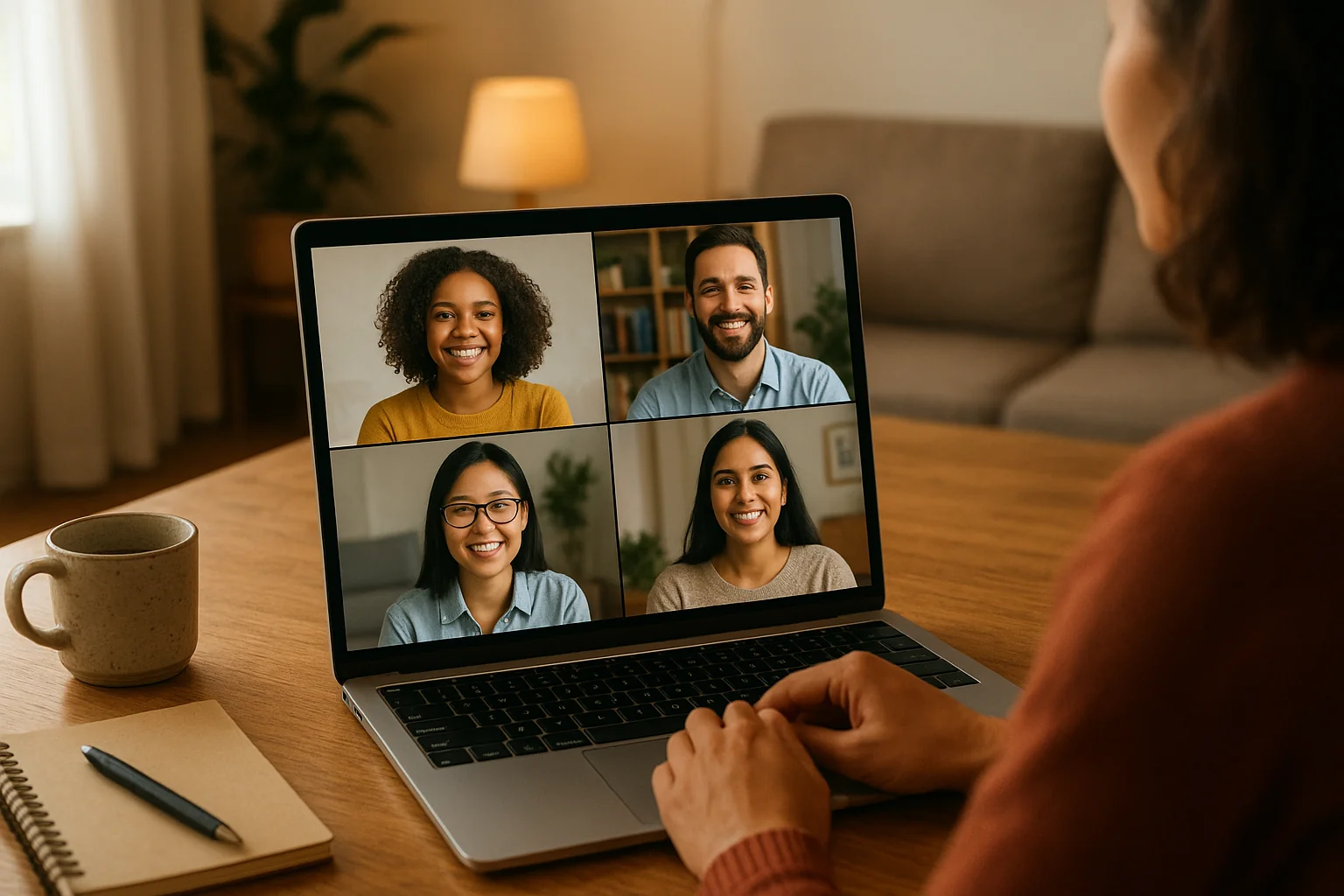
An online sober community provides 24/7 access to support, connection, and accountability without leaving your home.
What You'll Discover:
• Benefits of online sober communities.
• Types of online communities available.
• How to find the right community for you.
• Getting the most from online support.
• Privacy and anonymity considerations.
• Combining online community with other support.
• Getting started with digital connection.
According to the Substance Abuse and Mental Health Services Administration, social support significantly improves recovery outcomes. Online sober communities make this support accessible to anyone with internet access, removing barriers like scheduling, transportation, and privacy concerns.
Benefits of Online Sober Communities
The first thing to know is that online communities offer unique advantages.
Accessibility:
• Available 24/7, not just during meeting times
• Accessible from anywhere with internet
• No transportation needed
• Participate during difficult moments in real-time
Privacy:
• Anonymous participation possible
• No one sees you attending
• Can engage without revealing identity
• Private browsing options
Diversity:
• Perspectives from people worldwide
• Various approaches and philosophies represented
• Different stages of recovery
• Range of experiences and backgrounds
Low barrier:
• No scheduling required
• Free or low-cost options
• Can observe before participating
• Easy to try different communities
Convenience:
• Fits into any schedule
• Participate during lunch breaks or late nights
• No need to explain absences
• Integrate into daily life easily
Something to consider is that online community can serve as primary support or supplement other approaches like medication and coaching.
Types of Online Communities
Various platforms offer online sober community options.
Reddit communities:
• r/stopdrinking (largest, hundreds of thousands of members)
• r/alcoholism
• r/dryalcoholics
• Various related subreddits
• Free, anonymous, 24/7 participation
Dedicated forums:
• Sobriety-focused forums
• Various moderation levels
• Structured discussions
• Archives of past conversations
Social media groups:
• Facebook groups (private options available)
• Discord servers
• Other platform-based communities
App-based communities:
• Recovery apps with social features
• Check-in functions
• Progress tracking with social components
• Some require subscription
Virtual meetings:
• AA online meetings
• SMART Recovery online meetings
• Other group video meetings
• Scheduled but accessible from home
For that reason, "online sober community" encompasses many different experiences, from casual forum browsing to structured video meetings.
Finding the Right Community
Not all online communities fit everyone equally.
Consider your preferences:
• Do you prefer text-based or video interaction?
• Do you want anonymity or real names?
• Are you comfortable with spiritual content (AA) or prefer secular?
• Do you want structured meetings or casual discussion?
• How much moderation do you prefer?
Questions to evaluate communities:
• How active is the community?
• Is the tone supportive and non-judgmental?
• Are multiple perspectives welcome?
• How is problematic content handled?
• Do you feel comfortable participating?
Try before committing:
• Lurk (read without posting) initially
• Test with small posts
• Observe how people interact
• Notice how you feel after visiting
So, which community is best? The short answer is that the best community is one you'll actually engage with regularly. Try several and notice which feels most supportive.
Getting the Most From Online Support
Active engagement produces better results than passive consumption.
Participate actively:
• Don't just read; post and respond
• Share your experiences
• Ask questions
• Offer support to others
• Celebrate milestones (yours and others')
Use during difficult moments:
• Post when cravings hit
• Reach out when struggling
• Share before and after challenging situations
• Use the community as real-time support
Build connections:
• Notice regular participants
• Respond to the same people
• Develop online relationships
• Some communities allow direct messaging
Be honest:
• Authentic sharing gets authentic response
• Don't perform or present a false image
• Admit struggles and setbacks
• Share what actually works and doesn't
Give back:
• Support others in earlier stages
• Share what helped you
• Contribute to the community culture
• Help maintains engagement
All that said, online community works best as support tool, not replacement for taking action on your drinking.
Privacy and Anonymity
Online participation comes with privacy considerations.
Anonymous options:
• Reddit allows anonymous usernames
• Some forums don't require real names
• Many communities respect anonymity
Privacy practices:
• Use a separate email for recovery communities
• Don't share identifying details if concerned
• Be cautious about photos or specific locations
• Review privacy settings on platforms
What to share:
• Enough to connect authentically
• Not so much that you feel exposed
• Find your comfort level
• Adjust as trust develops
If privacy is paramount:
• Stick to anonymous platforms
• Don't connect with people outside the community
• Use private browsing if sharing devices
• Consider paid platforms with stronger privacy policies
Something to consider is that privacy needs vary. Some people find power in openness; others need anonymity to participate at all. Both are valid.
Limitations of Online Community
Understanding limitations helps you use online support effectively.
What online community may lack:
• In-person human connection
• Physical accountability
• Professional guidance
• Crisis intervention capability
• Personalized advice
When online may not be enough:
• Severe alcohol use disorder
• Need for medical supervision
• Complex underlying issues
• Strong isolation or depression
• Lack of any local support
Complementary approaches: Online community works well combined with:
• Medical treatment and medication
• Professional coaching or therapy
• In-person meetings (when feasible)
• Family and friend support
For that reason, most people benefit from online community as one component of a broader support approach.
Combining Online Community With Other Support
The most effective approach often combines multiple elements.
Online community + medication: Naltrexone addresses the biological aspect of drinking while community provides social support and accountability. This combination addresses different dimensions of the challenge.
Online community + coaching: Coaching provides personalized professional guidance while community offers peer support and 24/7 accessibility.
Online community + in-person meetings: For those who attend AA or SMART Recovery, online communities provide support between meetings.
Online community + treatment program: Many treatment programs now incorporate online community elements into their offerings.
Our article on how naltrexone helps you regain control explains how medication complements other support.
Getting Started
Starting with online sober community is straightforward.
Simple first steps:
Other starting points:
• Search for online AA meetings
• Find SMART Recovery online meetings
• Explore recovery apps with community features
What to post first:
• Introduction sharing your situation
• Question about something you're struggling with
• Response to someone else's post
• Simple check-in about your day
The key is starting somewhere. You can always adjust your approach as you learn what works for you.
Taking the Next Step
Online sober community offers accessible, convenient support for changing your relationship with alcohol. Whether as primary support or complement to other approaches, digital connection provides valuable accountability and understanding.
For comprehensive support combining medication and coaching, take the online Alcohol Use Assessment to see if naltrexone and the Choose Your Horizon program might be right for you.