A 2 minute assessment to get a personalized mental health or alcohol recovery plan.

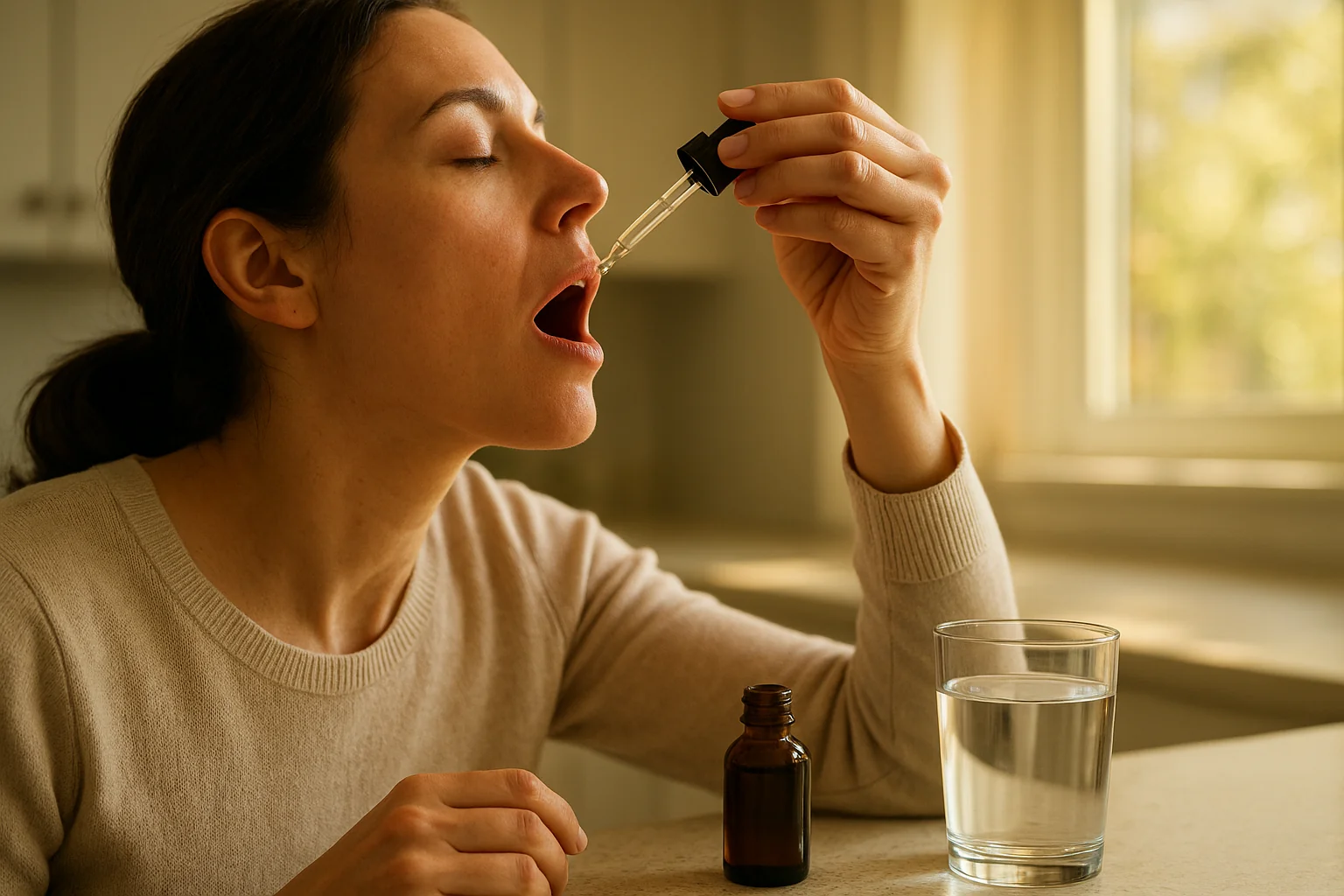
As the uses for GLP-1 medications expand so do the administration options so that injections aren’t necessary. Soon it could be as simple as taking a few oral drops.
What You’ll Learn:
- How GLP-1 medications are currently administered.
- Why GLP-1 oral drops are being developed.
- If oral GLP-1 medications are as effective as injections.
- Why people should watch out for oral GLP-1 medications.
Glucagon-like peptide-1 (GLP-1) receptor agonist medications, better known as GLP-1s or semaglutides, are a revolutionary class of drugs that are proving to be beneficial for a number of conditions. They work on several systems within the body
Currently, all but one GLP-1 prescription drug is an injectable that must be administered once a day. That’s where some people start to question if they want to take GLP-1s for alcohol reduction, type 2 diabetes management or weight loss. A fair number of people don’t like the idea of injecting themselves every day, and that is prompting pharmaceutical companies to come up with alternatives that may soon be available.
Why There’s Interest in Developing GLP-1 Oral Drops
Injectable medications are usually potent and fast-acting. The drawback is the administration.
When we’re children many people are scared of needles and will do anything to avoid a shot. It turns out many adults are no different. Up to 25% of adults have a fear of needles, a phobia called trypanophobia.
It’s estimated that the average person will only get 165 shots in their lifetime. So for that 25% of people who fear needles, the thought of having a GLP-1 injection once a week or even once a day, can be very unappealing.
That aversion along with the potential for injection site infections and increased manufacturing cost has led to the development of oral GLP-1 medications in the form of tablets and liquid drops.
How Oral GLP-1 Medications Compare to Injectables
One of the biggest questions is whether or not GLP-1 oral medications will be as effective as the original injection method. Mode of delivery can impact efficacy with some medications, which is why injections are used even though they come with the added risk of infection.
With injectable semaglutides a dose of medication is delivered into the fatty tissue under the skin, bypassing the gastrointestinal system. Instead of being broken down by the digestive system, the medication goes directly into the bloodstream. The absorption of medication is steady and slow. Delivering GLP-1 medications this way also means that the peptide isn’t degraded by GI tract enzymes.
All this means there is a high degree of stability and bioavailability with injectable GLP-1s. The medication acts more like naturally derived GLP-1.
Oral ingestion of GLP-1 medications work a little differently. They pass through the GI tract where they are broken down. Because of this there’s less bioavailability of the active ingredients and more of an effect on the gastrointestinal system.
This was the case in recent research studies that looked specifically at oral GLP-1 medications and weight loss. Pharmaceutical companies are able to produce results close to injectables, but that’s only with the maximum dosage of approximately 36mg. As noted in our naltrexone dosage articles, side effects are often dose dependent. The higher the dose is, the more likely a medication is to create side effects.
In a study conducted by Lilly that showed an oral semaglutide could reduce weight by 12% at the maximum dose, 25% of participants experienced side effects. The side effects were severe enough for more than 10% of participants to quit taking the medication.
Oral medications appear to increase the intensity of gastrointestinal side effects, which isn’t too surprising given how they are administered.
At lower doses of 12mg study participants lost 9.3% of their original body weight. And at 6mg 7.8% of body weight was lost. Still impressive, but there’s a noticeable drop in the results as the dosage goes down. It was encouraging that there were also additional GLP-1 benefits at all dosage levels with the oral medication. Researchers noted that there was a significant improvement in inflammation and cardiovascular markers.
Lilly’s executives stated that the maximum effects were basically as good as can be expected with today’s once a day oral GLP-1 medications. It prompted some medical professionals to speculate that oral semaglutides could end up serving as maintenance medication after a patient has used an injectable.
Almost All Oral GLP-1 Products Aren’t FDA-Approved
Right now there are a lot of businesses promoting products they claim will boost GLP-1, and many of them are pills and drops. The big issue is all but one medication isn’t FDA-approved. That means they aren’t proven to be effective, and even worse, they could be dangerous. Many of the oral GLP-1 products being sold are also mis-labeled.
The silver lining is that more pharmaceutical companies are currently conducting research studies with the intent of getting oral semaglutides approved for use. It’s expected that in the coming months there will be new oral medication options that are more effective with less of an adverse effect.
As GLP-1 medications are further explored, particularly for the role they could play in curbing alcohol cravings, there is another oral medication that can work as well for many people. Naltrexone is a well-researched, FDA-approved once daily pill that is clinically proven to help people drink less or stop drinking completely.
If you are interested in learning more about getting a naltrexone prescription online, take our Alcohol Use Assessment as the first step. It’s quick, confidential and will get you in touch with a qualified clinician who can prescribe the medication.