A 2 minute assessment to get a personalized mental health or alcohol recovery plan.


Are you aiming for abstinence or testing moderation? Do you want fixed structure (steps, a sponsor) or a self-directed toolkit? Or maybe you want to combine pathways to address multiple factors at once? How you reach your goal of drinking less depends on the path you take, and today there are more options than ever.
What You’ll Learn:
• The basic principles and mechanisms behind pathways to alcohol recovery
Medication for alcohol use
• Moderation management
• Alcoholics Anonymous
• SMART Recovery
• The Sinclair Method
• Recovery Dharma
• Side-by-side comparison of the methods
• How people combine the different pathways for a more personalized approach
We’ve come to realize that curbing alcohol use is a highly personalized process. Even the most successful programs and methods don’t work for everyone. That realization has brought about many pathways to achieving a goal around drinking less and improving your relationship with alcohol.
The chart below is a direct comparison for six pathways that are commonly taken.
Medication For Alcohol Use
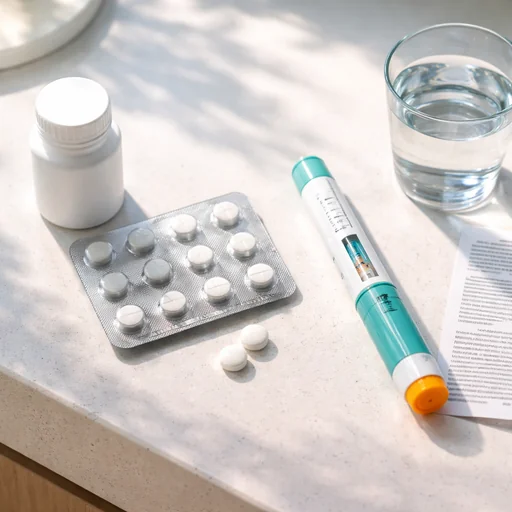
There are FDA-approved medications that treat the physiological effects of alcohol use directly but in different ways. They can be used alongside any pathway noted here.
The available medications include:
• Oral naltrexone (2006, blunts craving and reward)
• Disulfiram (1951, aversive reaction)
• Acamprosate (2004, eases post-abstinence symptoms)
None of these produce a high when taken as prescribed, and they aren’t addictive. However, they do have unique protocols and potential side effects.
WHO SHOULD CONSIDER MEDICATIONS FOR ALCOHOL USE:
Anyone with moderate-to-severe alcohol use disorder, especially after repeated relapse on willpower or peer support alone. Some people choose to use medication on its own, particularly if they are past the initial treatment phase and managing their reduced alcohol use.
Moderation Management
This is a CBT-based program for reducing, not necessarily stopping, alcohol use. It works like this:
• 30-day abstinence start
• Then tracked limits
Men: ≤4/day, ≤14/week
• Women: ≤3/day, ≤9/week
The Moderation Management system was created by Audrey Kishline in 1994. She tried AA and found that it wasn’t the right fit for her. However, when Kishline decided to leave the Moderation Management system she created to try complete abstinence she ended up drinking heavily and causing a fatal drunk driving accident. Moderation Management has since been considered more of a testing ground to see whether moderation is realistic before or after trying abstinence.
WHO SHOULD CONSIDER MODERATION MANAGEMENT:
Non-dependent problem drinkers testing whether moderation is a fit for them. Anyone who is physically dependent, has a history of serious alcohol-related harm or who's already tried and failed to hold moderate limits may want to try another pathway.
Alcoholics Anonymous
This is by far the best known alcohol use program. Alcoholics Anonymous, often simply called AA, is a free, anonymous 12-step abstinence program with a sponsor and a disease framework. Recovery involves surrendering to a self-defined Higher Power.
AA is considered a fairly successful program with a success rate of 22–37%. It’s also widely available. There are 118,000+ Alcoholics Anonymous groups in over 180 countries.
WHO SHOULD CONSIDER MODERATION MANAGEMENT:
People who are looking for in-person peer counseling, structure, a mentor and are comfortable with loose spirituality. The powerlessness/Higher Power framing doesn't land for everyone and there's no moderation track.
SMART Recovery
Secular, CBT/REBT-based toolkit (motivation, urges, thoughts, balance) run through facilitated meetings with no sponsor and no steps. It operates in 36 countries with roughly 2,300 weekly meetings, and outcomes tend to be comparable to 12-step when people are matched to fit, though the dedicated evidence base is thinner than AA's.
WHO SHOULD CONSIDER SMART Recovery:
People who want a scientific, non-spiritual framework, including anyone already on medication. SMART explicitly welcomes it. The one downside is far fewer in-person meetings than AA, no built-in mentor relationship and a more clinical feel than some people want.
The Sinclair Method
Not a fellowship or a 12-step-style program, The Sinclair Method is a specific medication protocol, distinct from standard drug therapy. Developed by researcher Dr. David Sinclair based on Finnish research showing that alcohol-preferring rats had an overactive endorphin response to drinking, TSM has patients take naltrexone about an hour before every drinking occasion, then keep drinking as usual.
The theory, called "pharmacological extinction," is that blocking the endorphin surge that alcohol normally produces slowly uncouples drinking from reward. Each drink-while-blocked episode is essentially an extinction trial, gradually reducing craving over months, often without ever requiring the person to quit first.
Where it differs from the naltrexone already covered above is standard AUD naltrexone protocols (like the one used in the COMBINE trial) are typically dosed daily rather than as-needed.
WHO SHOULD CONSIDER THE SINCLAIR METHOD:
People who aren't ready for abstinence, want a medical, non-talk-therapy mechanism and who can reliably medicate before every single drinking occasion.
Recovery Dharma
Buddhist-based recovery with meditation, mindfulness, the Four Noble Truths and community ("sangha"). One thing to consider is it’s the smallest and most geographically limited pathway here.
WHO SHOULD CONSIDER RECOVERY DHARMA:
People drawn to meditation or Buddhist philosophy who want spiritual depth without a personified Higher Power. Plus, meditation-heavy practice isn't the right entry point for someone in an acute crisis.
Common Ways That Pathways Are Combined
Here are some common combinations of pathways at different stages and preferences:
• Moderate-to-severe use disorder: medication + AA or SMART + therapy
• Early-stage drinking, no dependence: start with Moderation Management; shift to an abstinence pathway if the limits don't hold
• Wants fellowship without religion: LifeRing or secular AA, plus SMART's tools
• Drawn to contemplative practice: Recovery Dharma + therapy + SMART
Note sure which route to take? Complete the Alcohol Use Assessment to get a better idea of what strategies may work best for supporting your goals.