A 2 minute assessment to get a personalized mental health or alcohol recovery plan.

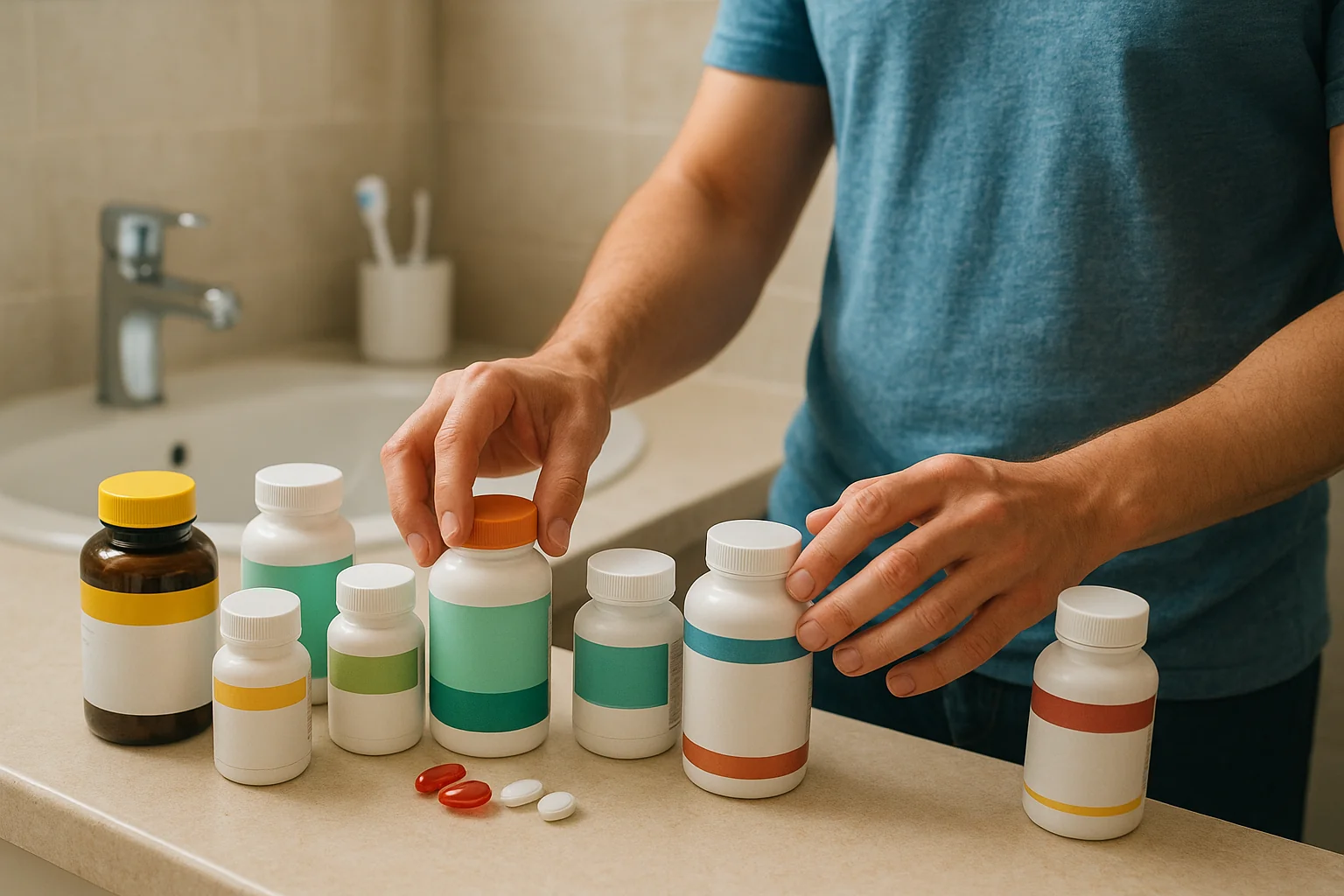
Pre-alcohol supplements claim to reduce hangovers, protect your liver, and minimize alcohol's negative effects. While some ingredients show limited promise, no supplement can eliminate the harm from drinking. The most effective approach is consuming less alcohol, not taking pills to offset damage.
What You'll Discover:
• What pre-alcohol supplements claim to do.
• Common ingredients and what research shows about each.
• Why the "damage control" approach to drinking has limits.
• What these supplements cannot do.
• When relying on supplements signals a problem with drinking.
• More effective alternatives to managing alcohol's effects.
Pre-alcohol supplements have become a growing market as people look for ways to drink without consequences. Products promise to prevent hangovers, protect liver function, and reduce alcohol's harmful effects on the body.
The appeal is obvious. If a pill could let you drink without paying the price, many would take it. But the science behind these products is more complicated than the marketing suggests.
What Pre-Alcohol Supplements Claim to Do
Pre-drinking supplements make various claims about what they can accomplish.
Hangover prevention - The most common claim is reducing or preventing hangover symptoms like headache, nausea, and fatigue. Products suggest that taking their supplement before drinking will leave you feeling better the next morning.
Liver protection - Many supplements claim to support liver function or protect the liver from alcohol-related damage. They suggest that certain ingredients can buffer the liver against alcohol's toxic effects.
Faster alcohol metabolism - Some products claim to help your body process alcohol more quickly, reducing how long toxins remain in your system.
Reduced inflammation - Alcohol causes inflammation throughout the body. Some supplements claim to counteract this inflammatory response.
Improved hydration - Since alcohol is dehydrating, some products include electrolytes or claim to help maintain hydration while drinking.
These claims target real problems that alcohol causes. The question is whether the supplements actually deliver on their promises.
Understanding What Causes Hangovers
To evaluate hangover supplements, it helps to understand what actually causes hangover symptoms.
Acetaldehyde toxicity - When your liver processes alcohol, it first converts ethanol to acetaldehyde, a toxic compound. Acetaldehyde causes many hangover symptoms including nausea, headache, and rapid heartbeat. The buildup of this toxin is a primary hangover cause.
Dehydration - Alcohol suppresses vasopressin, the hormone that tells your kidneys to retain water. This leads to increased urination and fluid loss. Dehydration contributes to headache, thirst, and fatigue.
Inflammation - Alcohol triggers an inflammatory response throughout the body. This inflammation contributes to the general malaise and achiness of hangovers.
Gastrointestinal irritation - Alcohol irritates the stomach lining and increases acid production. This causes nausea and stomach discomfort.
Sleep disruption - While alcohol may help you fall asleep, it disrupts sleep quality, particularly REM sleep. Poor sleep contributes to fatigue and cognitive impairment the next day.
Electrolyte imbalance - Increased urination depletes electrolytes including sodium, potassium, and magnesium. This contributes to weakness and muscle symptoms.
Congener content - Darker alcohols contain more congeners, byproducts of fermentation that may worsen hangovers. Clear spirits like vodka have fewer congeners.
Effective hangover prevention would need to address multiple mechanisms simultaneously. This is partly why single-ingredient supplements show limited effectiveness.
Common Ingredients in Pre-Alcohol Supplements
Most pre-drinking supplements contain variations of the same key ingredients. Understanding what research shows about each helps evaluate whether these products work.
DHM (Dihydromyricetin)
DHM is extracted from the oriental raisin tree and is one of the most studied ingredients in hangover supplements. It has been used in traditional Asian medicine for centuries.
Research published in scientific journals found that DHM can reduce alcohol intoxication in rats and may speed recovery from alcohol consumption. The compound appears to enhance alcohol metabolism enzymes and may affect GABA receptors.
However, human studies are limited. Most DHM research has been conducted on animals, and results don't always translate to humans. The doses used in studies often exceed what's found in supplements.
DHM shows some promise, but calling it a proven hangover cure overstates current evidence.
N-Acetyl Cysteine (NAC)
NAC is an amino acid that serves as a precursor to glutathione, a powerful antioxidant involved in liver function. The logic is that supporting glutathione production helps the liver process alcohol more efficiently.
According to NIH sources, NAC is actually used medically to treat acetaminophen overdose by supporting liver function. This has led to claims that it can similarly protect the liver from alcohol.
The evidence for NAC reducing hangovers or alcohol damage in regular drinkers is weak. While NAC supports liver function generally, taking it before drinking hasn't been proven to significantly reduce alcohol's effects in healthy people.
Some research suggests NAC should be taken before drinking rather than after, as alcohol may interfere with its absorption.
Milk Thistle (Silymarin)
Milk thistle has been used for centuries as a liver tonic. The active compound, silymarin, has antioxidant and anti-inflammatory properties.
Research on milk thistle for alcohol-related liver damage is mixed. Some studies show benefits for people with existing liver disease, but evidence that it prevents damage from occasional drinking is limited.
Medical reviews conclude that while milk thistle is generally safe, its effectiveness for protecting against alcohol damage is not well established in healthy individuals.
B Vitamins
Alcohol depletes B vitamins, particularly B1 (thiamine), B6, and B12. Many supplements include these vitamins to replace what drinking removes.
Taking B vitamins before or after drinking makes logical sense. Thiamine deficiency is particularly common in heavy drinkers and can lead to serious neurological problems over time.
However, B vitamin supplementation primarily helps people who are already deficient. For someone with adequate B vitamin levels, extra supplementation may not provide hangover relief.
B vitamins are safe and potentially helpful, but they're unlikely to prevent hangovers on their own.
Prickly Pear Extract
Prickly pear (Opuntia ficus indica) has been studied for hangover prevention. One study found that taking prickly pear extract before drinking reduced hangover severity by about 50%.
However, this single study hasn't been consistently replicated. The mechanism isn't entirely clear, and results may vary based on the specific extract used.
Prickly pear has anti-inflammatory properties that may explain its effects on hangover symptoms.
Electrolytes
Since alcohol is dehydrating, electrolyte supplements can help restore what's lost through increased urination. Sodium, potassium, and magnesium are commonly included.
Electrolytes can help with hydration-related hangover symptoms but don't address other effects of alcohol like acetaldehyde toxicity or inflammation.
What Research Actually Shows
The overall picture from research is sobering for supplement enthusiasts.
No supplement has been proven to fully prevent hangovers or eliminate alcohol's harmful effects. The best evidence exists for mild symptom reduction with certain ingredients, not prevention.
Studies consistently show that the only reliable way to prevent hangovers is to drink less alcohol. No substance can fully counteract the effects of heavy drinking.
Some ingredients may provide modest benefits. DHM and prickly pear have the most promising research behind them. But "promising" doesn't mean "proven," and effects tend to be partial rather than complete.
The supplement industry isn't required to prove effectiveness before selling products. Many claims are based on limited evidence, extrapolation from animal studies, or traditional use rather than rigorous human trials.
A systematic review of hangover remedies found insufficient evidence to recommend any intervention for hangover prevention or treatment. The placebo effect may account for much of the perceived benefit users report.
Why "Damage Control" Has Limits
The appeal of pre-alcohol supplements reflects a broader mindset: wanting the effects of alcohol without the consequences.
This approach has fundamental limitations.
Alcohol itself is toxic - No matter what supplements you take, alcohol and its metabolites (especially acetaldehyde) cause direct cellular damage. You can potentially support your body's defenses, but you can't prevent the assault.
Hangover is just one consequence - Even if a supplement reduced hangover symptoms, alcohol still affects your brain, disrupts sleep, impairs judgment, and contributes to long-term health risks. Feeling less hungover doesn't mean you avoided these effects.
Supplements don't affect intoxication - Pre-alcohol supplements don't reduce how drunk you get or improve judgment and coordination while drinking. They only target aftermath symptoms at best.
Dose matters more than supplements - The amount you drink has far more impact than any supplement you take. Heavy drinking overwhelms any protective effect these products might offer.
The damage control approach treats symptoms while ignoring the source. It's like taking vitamins while continuing to smoke rather than quitting.
What Pre-Alcohol Supplements Cannot Do
Clear limitations exist for all pre-drinking supplements.
They cannot prevent alcohol-related disease - Liver damage, cancer risk, and other long-term effects of alcohol accumulate regardless of supplements. No pill prevents these outcomes while allowing continued drinking.
They cannot make heavy drinking safe - Heavy alcohol consumption carries health risks that no supplement can eliminate. The dose makes the poison.
They cannot eliminate hangover completely - At best, some supplements may reduce hangover severity for some people. Complete prevention hasn't been demonstrated for any product.
They cannot improve drunk decision-making - Supplements don't affect alcohol's impact on judgment, inhibition, or coordination. You'll still make the same decisions while drinking.
They cannot replace moderation - The most effective hangover prevention is drinking less. No supplement comes close to matching this approach.
When Supplement Use Signals a Problem
If you regularly take supplements to offset the effects of drinking, that pattern itself deserves reflection.
Consider what this behavior indicates:
Drinking frequently enough to need protection - Occasional social drinking rarely requires supplementation. Regular use suggests regular drinking at levels causing noticeable effects.
Awareness that drinking is harmful - Taking supplements acknowledges that alcohol is damaging your body. The question becomes why continue something you know requires damage mitigation.
Investment in maintaining drinking habits - Spending money on products to enable continued drinking suggests alcohol has become important enough to invest in sustaining.
Prioritizing drinking over health - The supplement approach prioritizes continuing to drink over simply drinking less. This reveals where priorities lie.
These patterns don't necessarily indicate alcohol use disorder, but they do suggest a relationship with alcohol worth examining.
For people whose drinking has become more than they intended, medication-assisted treatment with naltrexone offers a different approach. Rather than trying to reduce harm while maintaining consumption, naltrexone helps reduce the desire to drink in the first place.
The medication works on brain reward systems, making alcohol less reinforcing over time. This leads to natural reduction in consumption rather than ongoing attempts to manage consequences.
More Effective Approaches
If you want to reduce alcohol's negative effects, evidence-based approaches outperform supplements.
Drink less - This is consistently the most effective strategy. Fewer drinks means less alcohol damage, simpler math.
Pace yourself - Spreading drinks over more time gives your body longer to process each one. One drink per hour is a common guideline that keeps blood alcohol from spiking.
Eat before and during drinking - Food slows alcohol absorption, reducing peak blood alcohol levels. A meal with fat and protein is particularly effective.
Stay hydrated - Alternating alcoholic drinks with water helps maintain hydration. A glass of water before bed also helps.
Choose lower-alcohol options - Lower ABV drinks deliver less alcohol per serving. Light beers and wine spritzers are gentler than high-proof spirits.
Take alcohol-free days - Regular breaks give your body time to recover. This is more protective than any supplement.
These approaches don't require purchasing supplements. They address the actual variable that matters: how much alcohol enters your body.
Common Questions About Pre-Alcohol Supplements
Are pre-drinking supplements safe?
Most contain ingredients that are generally recognized as safe. However, quality control varies widely in the supplement industry. Some products may contain undisclosed ingredients or different doses than labeled.
When should you take pre-alcohol supplements?
Most products recommend taking them 30 minutes to an hour before drinking. Some suggest additional doses during or after drinking. However, timing studies are limited.
Do these supplements affect how drunk you get?
No. Pre-alcohol supplements target hangover symptoms, not intoxication. You'll still become impaired at the same blood alcohol levels regardless of what supplements you take.
Can supplements replace drinking water?
Supplements with electrolytes support hydration but don't replace drinking actual water. Staying hydrated while drinking is still important.
Conclusion
Pre-alcohol supplements contain ingredients that may offer modest benefits for some people. DHM, prickly pear, and certain vitamins have some research support. However, no supplement has been proven to prevent hangovers or eliminate alcohol's harmful effects.
The supplement approach reflects a desire to drink without consequences. This has fundamental limits. Alcohol causes direct harm that no pill can fully prevent.
If you find yourself regularly taking supplements to manage drinking effects, the pattern itself suggests examining your relationship with alcohol. Addressing consumption directly is more effective than attempting damage control.
Take the online Alcohol Use Assessment to see if medication-assisted treatment could help you reduce drinking rather than manage its effects.