A 2 minute assessment to get a personalized mental health or alcohol recovery plan.


Reducing alcohol intake is achievable with the right approach, and even modest reductions provide meaningful health benefits.
What You'll Discover:
• Why reducing alcohol intake matters for your health.
• How much reduction makes a difference.
• Step-by-step methods for drinking less.
• Why willpower alone often fails.
• How medication supports reduction efforts.
• Handling common obstacles.
• Maintaining reduced drinking long-term.
According to the World Health Organization, reducing alcohol intake at any level provides health benefits. You don't need to quit entirely to improve your health, though some people find abstinence easier than moderation. Understanding effective methods for reducing intake helps you choose an approach that works for your situation.
Why Reducing Alcohol Intake Matters
The first thing to know is that the health benefits of reducing alcohol intake are significant and begin quickly.
Health improvements from drinking less:
• Lower blood pressure (often within weeks)
• Better sleep quality
• Reduced liver strain
• Lower cancer risk
• Improved mental health
• Better cognitive function
• Weight loss (alcohol contains significant calories)
• Stronger immune system
• More energy
• Better skin appearance
Something to consider is that you don't need to eliminate alcohol completely to see benefits. Moving from heavy drinking to moderate drinking produces substantial improvements. Moving from moderate drinking to light drinking provides additional benefits.
The dose-response relationship:
Research shows that health risks decrease progressively as consumption decreases. Any reduction is worthwhile. Cutting from 20 drinks per week to 14 helps. Cutting from 14 to 7 helps more. Every drink you don't have reduces risk.
How Much Reduction Makes a Difference
Understanding what constitutes meaningful reduction helps you set realistic goals.
Drinking levels:
• Low-risk drinking: Up to 1 drink/day (women) or 2 drinks/day (men)
• Heavy drinking: 8+ drinks/week (women) or 15+ drinks/week (men)
Meaningful reduction examples:
• Heavy drinker (25 drinks/week) reducing to 15 drinks/week: 40% reduction
• Moderate drinker (14 drinks/week) reducing to 7 drinks/week: 50% reduction
• Daily drinker (7 drinks/week) moving to 3 days/week: eliminates 4 drinking days
So, what reduction should you aim for? The short answer is that any reduction is beneficial, but moving below the "heavy drinking" threshold and ideally into the "low-risk" category provides the most health benefits.
Step-by-Step Methods for Reducing Intake
Effective reduction requires more than good intentions. These practical methods improve success.
Step 1: Establish your baseline
Track every drink for 2 weeks. Count in standard units:
• 12 oz regular beer = 1 drink
• 5 oz wine = 1 drink
• 1.5 oz spirits = 1 drink
Know exactly where you're starting from.
Step 2: Set specific goals
Vague goals don't work. Set concrete targets:
• Maximum drinks per week
• Maximum drinks per occasion
• Alcohol-free days per week
• Specific situations where you won't drink
Step 3: Reduce gradually
Dramatic overnight changes rarely stick. Reduce by 25% initially, maintain for 2 weeks, then reduce further if desired.
Step 4: Change your environment
• Remove alcohol from home (or reduce quantity)
• Avoid bars and drinking-focused events initially
• Change routines associated with drinking
• Stock appealing non-alcoholic alternatives
Step 5: Use practical tactics
• Alternate alcoholic drinks with water
• Start drinking later in the evening
• Use smaller glasses
• Choose lower-alcohol options
• Eat before and while drinking
• Set a stopping time
Step 6: Build accountability
Tell someone your goals. Check in regularly. Having external accountability significantly improves outcomes.
For more detailed strategies, see our article on tips for quitting alcohol.
Why Willpower Alone Often Fails
Many people try to reduce alcohol intake through determination alone. This approach has a poor track record.
Biological factors:
Alcohol affects brain reward systems. When you drink, your brain releases dopamine that creates pleasure and drives you to drink more. This biological pull operates below conscious control. Willpower is a conscious resource fighting against unconscious drives.
Willpower depletion:
Self-control functions like a muscle that fatigues with use. After a stressful day, when your willpower is depleted, resisting alcohol becomes much harder. The situations that trigger drinking often occur precisely when willpower is lowest.
Habit strength:
Drinking patterns become automatic over time. The neural pathways that drive habitual drinking operate independently of your intentions. You may find yourself reaching for a drink before you've consciously decided to.
If it seems like you should be able to just drink less through willpower, understand that you're fighting against brain chemistry, not character weakness. Effective approaches work with your biology rather than against it.
How Medication Supports Reduction
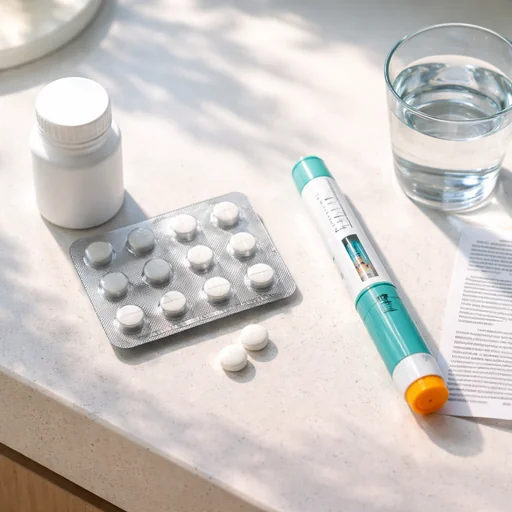
Naltrexone is an FDA-approved medication that addresses the biological factors that make reducing alcohol intake difficult.
How naltrexone works:
The medication blocks opioid receptors in the brain. When you drink with naltrexone in your system, alcohol doesn't produce the same pleasurable reward. The dopamine surge is diminished. Without the expected pleasure, the drive to continue drinking weakens.
How it helps with reduction:
• Reduces craving intensity between drinking occasions
• Makes it easier to stop after one or two drinks
• Diminishes the automatic pull toward alcohol
• Allows behavioral changes to take hold
• Works whether your goal is moderation or abstinence
What to expect:
Many people report that after a few weeks on naltrexone, alcohol becomes "less interesting." The urge to drink diminishes. Sticking to intended limits becomes noticeably easier.
Research shows that people taking naltrexone have significantly fewer drinking days and consume less per occasion compared to those using willpower alone.
Naltrexone is taken as a daily 50mg tablet. It's available via telehealth for privacy and convenience.
Our article on how naltrexone helps you regain control explains the medication in more detail.
Handling Common Obstacles
Several obstacles commonly derail reduction efforts. Planning for them improves success.
Social pressure:
• Have responses ready ("I'm cutting back," "I'm good with water")
• Volunteer to drive so you have a built-in reason not to drink
• Arrive at events later and leave earlier
• Bring your own non-alcoholic drinks
Stress and emotions:
• Develop alternative coping strategies before you need them
• Exercise, meditation, calling a friend, or other activities can fill the gap
• Recognize that drinking provides temporary relief but often worsens what you're trying to escape
Habit and routine:
• Change the contexts where you typically drink
• Do something different during your usual drinking time
• Replace the ritual with something else enjoyable
The "just one more" voice:
• Decide exactly how many you'll have before starting
• Tell someone your plan
• Leave the environment if the urge is too strong
Special occasions:
• Decide in advance how you'll handle celebrations, holidays, and events
• Having a specific plan beats making decisions after you've started drinking
All that said, obstacles are normal. What matters is having strategies to handle them, not perfect execution.
Maintaining Reduced Drinking Long-Term
Short-term reduction is easier than sustained change. Several factors support long-term success.
Ongoing awareness:
• Periodically track your drinking to ensure you're maintaining gains
• Notice if consumption is creeping back up
• Stay honest with yourself about trends
Continued medication: Some people continue naltrexone long-term to maintain reduced drinking. Others taper off after new patterns are established. Discuss with your healthcare provider what makes sense for you.
Addressing underlying factors: If you use alcohol to cope with stress, anxiety, or other issues, addressing those factors supports sustained reduction.
Social support: Maintaining connections with people who support your goals helps. Sharing your journey with others provides accountability.
Lifestyle changes: Building a life you don't want to escape from reduces the pull toward drinking. Finding other sources of pleasure, relaxation, and reward makes alcohol less necessary.
For that reason, reducing alcohol intake works best as part of broader positive changes rather than as an isolated restriction.
Taking the Next Step
Reducing alcohol intake provides significant health benefits and is achievable with the right approach. Understanding why willpower fails, using practical reduction strategies, and considering medication support all improve your chances of success.
If you want to explore how medication could help you reduce your drinking, take the online Alcohol Use Assessment to see if naltrexone might be right for you.