A 2 minute assessment to get a personalized mental health or alcohol recovery plan.

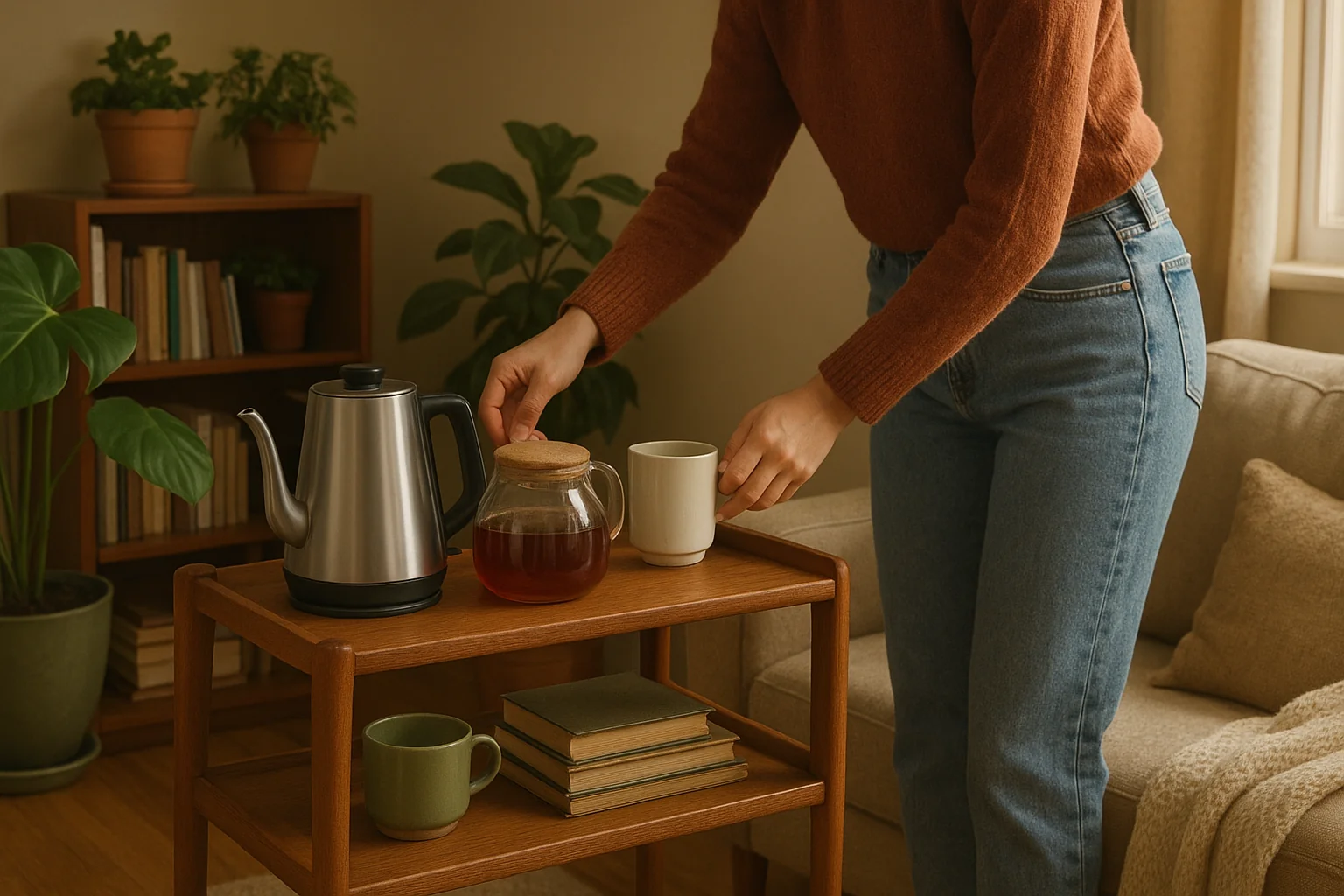
Stopping drinking at home requires changing ingrained routines, but practical strategies and medication can make it significantly easier.
What You'll Discover:
• Why home drinking habits are particularly hard to break.
• The hidden dangers of drinking at home.
• Practical strategies for changing your evening routine.
• How to remove alcohol from your environment.
• What to do when the urge strikes.
• How medication supports breaking the home drinking habit.
• Building new evening rituals.
For many people, drinking happens primarily at home. The after-work glass of wine, the evening beer, the nightcap before bed. These patterns feel harmless because they happen privately, but home drinking can escalate without the natural limits that social drinking sometimes provides.
According to the National Institute on Alcohol Abuse and Alcoholism, excessive alcohol use has increased, with much of that consumption happening at home. Breaking this pattern requires understanding what makes it persistent and using strategies that work.
Why Home Drinking Habits Are Hard to Break
The first thing to know is that home drinking has characteristics that make it particularly entrenched.
Environmental cues: Your home is filled with triggers. The couch where you always drink, the time you usually start, the refrigerator or cabinet where alcohol lives. These cues activate the desire to drink automatically, before conscious decision-making kicks in.
No natural limits: At a bar or restaurant, closing time, cost, and social observation provide limits. At home, nothing external stops you. You can drink as much as you want, as late as you want, with no one watching.
Habit strength: Home drinking often becomes deeply routine. Evening arrives, you sit in your spot, and drinking begins without deliberate choice. This automaticity is the hallmark of a strong habit.
Stress relief association: For many people, home drinking represents the transition from work stress to evening relaxation. The drink signals "work is over, I can unwind now." This association makes not drinking feel like not relaxing.
Easy access: When alcohol is in your home, it's always available. No effort, no judgment, no obstacles. This convenience makes impulse drinking easy.
If it seems like you shouldn't have a problem just not drinking at home, understand that you're fighting against multiple reinforcing factors. It's not a willpower failure; it's a habit challenge.
The Hidden Dangers of Drinking at Home
Home drinking carries risks that aren't always obvious.
Gradual escalation: Without external limits, consumption tends to increase slowly over time. What started as one glass becomes two, then three. The progression happens so gradually you may not notice.
Impaired self-monitoring: You may not realize how much you're actually drinking when pouring at home. Glasses are larger, pours are generous, and there's no bartender counting.
Isolation: Drinking alone at home removes social connection and accountability. No one sees if you're drinking too much.
Routine disruption: Evening home drinking affects sleep quality, even if you don't feel drunk. This impacts energy, mood, and productivity the next day.
Health consequences: Regular home drinking, even at seemingly moderate levels, accumulates health risks. Liver effects, weight gain, cancer risk, and mental health impacts occur whether drinking happens at a bar or at home.
Something to consider is that home drinking often exceeds what people think they're consuming. The privacy that feels comfortable also enables overconsumption.
Practical Strategies for Stopping
Changing home drinking requires deliberate strategies.
Remove alcohol from your home: This is the single most effective change. If alcohol isn't there, you can't drink it impulsively. The friction of having to go out to get alcohol dramatically reduces consumption.
If you live with others who drink, ask for their support. Perhaps alcohol can be kept somewhere less accessible, or others can reduce their visible drinking temporarily.
Change your environment:
• Sit in a different spot than where you usually drink
• Rearrange furniture to change the feel of the room
• Create a new setup for your evening time
• Replace alcohol with appealing alternatives (sparkling water, herbal tea, mocktails)
Change your routine:
• Do something different when you get home from work
• Take a walk, exercise, or shower before settling into evening mode
• Start a new activity during your usual drinking time
• Eat dinner earlier if you typically drink before eating
Plan your evenings: Having something to do reduces the void that drinking filled. Plan activities, projects, or social connections that don't involve alcohol.
Tell someone: Accountability helps. Let someone know you're not drinking at home and check in with them about your progress.
For more strategies, see our article on tips for quitting alcohol.
What to Do When the Urge Strikes
Cravings will happen. Having strategies ready helps you handle them.
Recognize the trigger: Notice what prompted the urge. Time of day? Coming home from work? Stress? Boredom? Awareness helps you prepare for and eventually prevent triggers.
Delay: Tell yourself you'll have a drink in 30 minutes. Most cravings pass within 15 to 30 minutes. By delaying, you ride out the wave.
Distract: Do something engaging enough to shift your focus. Call someone, take a walk, start a task, play a game. Physical activity is particularly effective.
Substitute: Have a different beverage. The ritual of drinking something can partially satisfy the urge. Sparkling water with lime, fancy tea, or a mocktail can help.
Remember your reasons: Why are you stopping? Better sleep? Health? Saving money? Connecting with your reasons provides motivation to push through the urge.
So, do cravings ever stop? The short answer is that they diminish significantly with time. The less you drink in response to triggers, the weaker the trigger-craving connection becomes. Medication accelerates this process.
How Medication Helps
Naltrexone can make stopping home drinking significantly easier by addressing the biological aspect of the habit.
How it works: The medication blocks opioid receptors in the brain. When you drink with naltrexone in your system, alcohol doesn't produce the same pleasurable reward. The anticipated relaxation or pleasure doesn't materialize, which weakens the drive to drink.
Why it helps with home drinking:
• Reduces the craving that builds as evening approaches
• Makes the first drink less rewarding, so you don't want more
• Breaks the association between coming home and drinking
• Allows new routines to form while the habit weakens
What to expect: Many people find that after a few weeks on naltrexone, the evening urge to drink diminishes significantly. Alcohol becomes less interesting. The automatic pull toward drinking fades.
Naltrexone is taken as a daily 50mg tablet. Side effects are generally mild (some nausea in the first few days for some people).
For that reason, programs like Choose Your Horizon combine naltrexone with coaching to address both the biological drive and the behavioral patterns.
Our article on how naltrexone helps you regain control explains the medication in more detail.
Building New Evening Rituals
Stopping home drinking is easier when you replace rather than just remove.
Create a new transition ritual: The evening drink often marks the transition from work mode to relaxation. Create a new marker: changing clothes, taking a walk, doing brief meditation, making a special non-alcoholic drink.
Find alternative relaxation:
• Exercise (even brief walks help)
• Hot bath or shower
• Reading
• Meditation or breathing exercises
• Hobby activities
• Calling a friend
Make evenings enjoyable: Don't let evenings become joyless through deprivation. Find activities you genuinely enjoy. The goal is a life you don't need to escape from.
Improve sleep independently: Many people drink to sleep, but alcohol actually worsens sleep quality. Develop good sleep hygiene: consistent bedtime, cool dark room, no screens before bed, relaxation practices.
Connect with others: Isolation enables home drinking. Spend more evenings with people, whether in person or by phone. Social connection provides support and accountability.
All that said, building new rituals takes time. Be patient with yourself as new patterns develop.
Taking the Next Step
Stopping drinking at home requires changing ingrained routines and the environment that supports them. Removing alcohol from your home, changing your evening patterns, handling cravings, and using medication all contribute to success.
If you want to explore how medication could help you stop drinking at home, take the online Alcohol Use Assessment to see if naltrexone might be right for you.