A 2 minute assessment to get a personalized mental health or alcohol recovery plan.

When cravings hit, having the right substitutes ready makes all the difference. Here's what actually helps versus what doesn't.
What You'll Learn:
• How alcohol cravings work and why they feel so intense.
• Drinks and foods that genuinely reduce craving intensity.
• Behavioral strategies that interrupt the craving cycle.
• Why some common approaches backfire.
• When substitutes need additional support.
Cravings are one of the most challenging aspects of reducing or quitting alcohol. They can feel overwhelming—a physical pull that seems impossible to resist. But cravings are predictable, temporary, and manageable with the right strategies. Understanding how they work and having effective substitutes ready transforms what feels like a crisis into a manageable moment.
Understanding How Cravings Work
Before discussing substitutes, it helps to understand what you're dealing with. According to the National Institute on Alcohol Abuse and Alcoholism, alcohol cravings involve complex brain circuitry that links drinking with reward, habit, and stress relief.
The Neuroscience of Cravings
When you drink regularly, your brain builds neural pathways connecting certain cues—time of day, stress, social situations, emotions—with alcohol consumption. These pathways trigger dopamine anticipation when you encounter the cues, creating the subjective experience of craving.
The intensity of cravings reflects how strongly these neural pathways have been reinforced. Someone who drank every evening for years has deeply grooved pathways that trigger powerfully at 5 PM. Someone who drank mainly at parties might have cravings triggered primarily by social situations.
The Craving Timeline
Research published in Addiction Biology shows that cravings typically follow a predictable pattern. They rise in intensity, peak within 15-30 minutes, and then fade if not acted upon. This timeline matters because it means you don't have to resist forever—you just have to get through the peak.
Every time you experience a craving without drinking, the neural pathway weakens slightly. Over weeks and months, cravings become less frequent and less intense. But in the early days, having substitutes ready to help you ride out the peak is essential.
Craving Triggers
Common triggers include:
Environmental cues like bars, liquor stores, or places you used to drink create automatic associations. Time-based cues like the end of the workday or weekend evenings trigger habitual patterns. Emotional states—both negative (stress, anxiety, sadness) and positive (celebration, excitement)—can trigger drinking urges. Social situations where others are drinking create both environmental and social pressure.
Knowing your personal triggers helps you prepare specific substitutes for specific situations.
Drink Substitutes That Actually Work
Having something to drink when cravings hit addresses both the physical action of drinking and the oral fixation component.
Why Sparkling Beverages Help
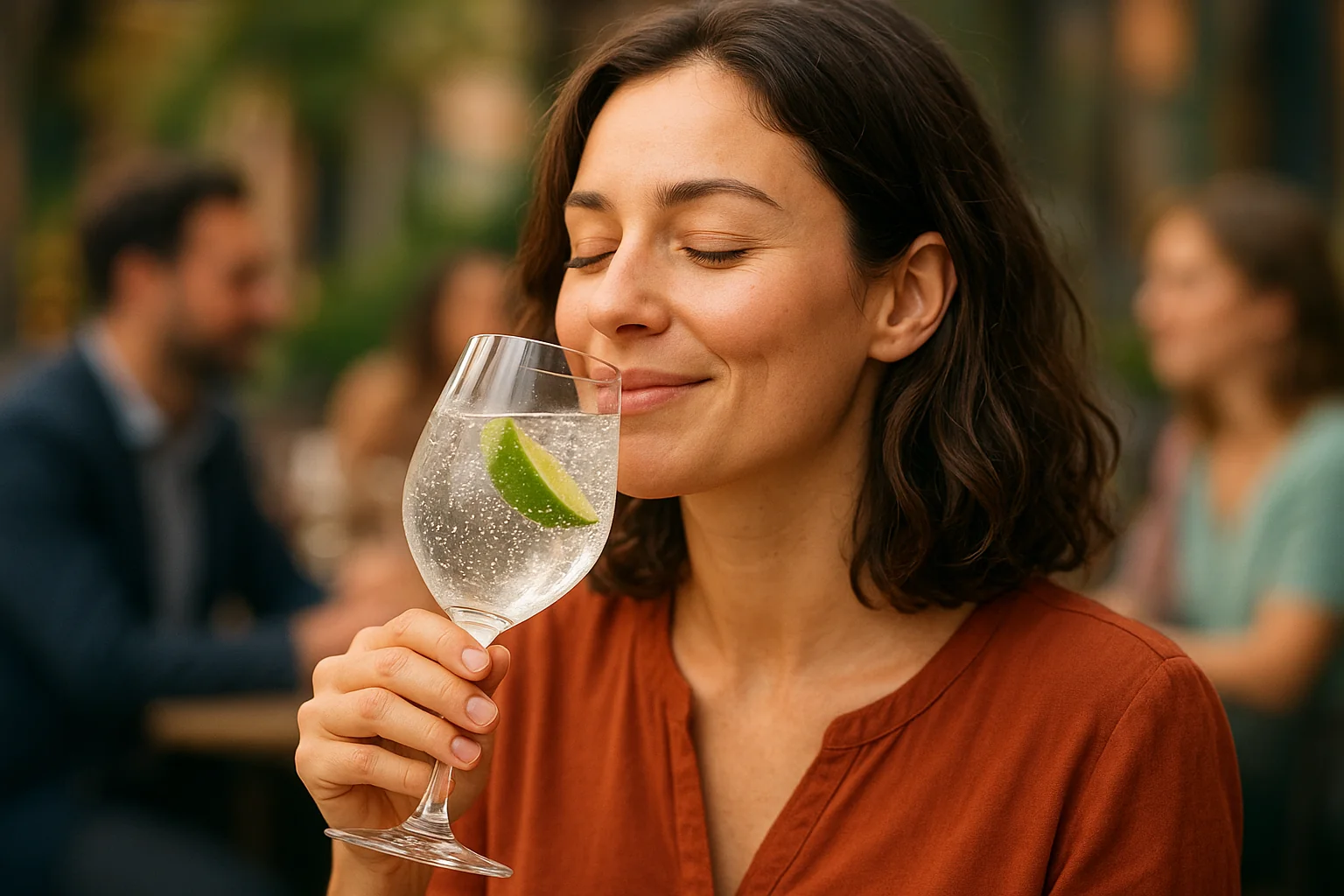
Carbonation provides sensory stimulation that plain water lacks. The fizz creates oral interest and the cold temperature provides a refreshing sensation similar to beer. Quality sparkling water, flavored seltzers, and tonic water with lime all work well.
The ritual of opening something, pouring it into a glass, and having a beverage in hand addresses the behavioral component of drinking. Your hands have something to do. You have something to sip. The physical action of drinking continues even without the alcohol.
Complex Flavors for Palate Satisfaction
Sometimes cravings are partly about wanting an interesting taste experience. Plain water doesn't scratch this itch. More complex options can help:
Craft mocktails with multiple ingredients—citrus, bitters, herbs, unusual syrups—provide the flavor complexity that alcohol delivered. Shrubs (drinking vinegars) offer tartness and depth. High-quality ginger beer provides spice and burn. Kombucha offers tanginess and slight effervescence.
The key is having these options available before cravings hit. Stock your refrigerator with appealing alternatives so that when the craving arrives, the substitute is immediately accessible.
Warm Beverages for Comfort Cravings
When cravings are triggered by the desire for comfort or stress relief, warm beverages work differently than cold ones. The warmth itself activates the parasympathetic nervous system, promoting calm.
Herbal teas—especially chamomile, which has documented calming effects according to research in Phytomedicine—provide both the warm comfort and mild physiological relaxation. The ritual of boiling water, steeping tea, and sitting with a warm cup creates a transition ritual similar to pouring a drink.
Hot chocolate made with quality cocoa offers comfort and a small mood lift from chocolate's compounds. Golden milk (turmeric, ginger, cinnamon, milk) provides warmth and anti-inflammatory benefits.
The NA Beer and Wine Question
Non-alcoholic beer and wine help some people but trigger cravings in others. The familiar taste can either satisfy the craving or intensify the desire for "the real thing."
There's no universal answer. Some people find NA beer perfectly satisfying—it provides the ritual and approximate taste without the consequences. Others find it leaves them wanting alcohol more than before.
The only way to know is careful experimentation. If NA options reduce your cravings and help you avoid alcohol, they're valuable tools. If they consistently make you want to drink alcohol, they're counterproductive. Be honest with yourself about which category you fall into.
Food Substitutes for Cravings
What you eat affects craving intensity, both in the moment and over time.
Why Sugar Helps Short-Term
Alcohol metabolizes into sugar, and regular drinkers often have blood sugar patterns adapted to this input. In early recovery, sweet foods can ease cravings by providing the sugar your body expects from alcohol.
Dark chocolate, fruit, and moderate amounts of dessert can take the edge off cravings during the acute phase. This isn't a long-term strategy—eventually you want to stabilize blood sugar rather than spike it—but in the early days, reaching for something sweet is far better than reaching for alcohol.
Stable Blood Sugar Reduces Cravings
According to research in Appetite, blood sugar fluctuations contribute to craving intensity. When blood sugar drops, the brain signals for quick energy—and if it's accustomed to getting that from alcohol, it requests alcohol.
Eating regular meals with protein, fiber, and complex carbohydrates maintains stable blood sugar and reduces the frequency and intensity of cravings. This is prevention rather than acute management—you're creating conditions where intense cravings are less likely to occur.
Hydration Matters More Than You Think
Mild dehydration can create sensations that feel like cravings or general malaise. Drinking plenty of water throughout the day reduces these false signals. Many people find that drinking a full glass of water when cravings hit reduces the intensity, perhaps because the physical sensation of thirst was contributing.
Behavioral Substitutes: Interrupting the Pattern
Sometimes the most effective substitute isn't a different drink—it's a different action entirely.
Physical Movement
Exercise is one of the most effective craving interrupters available. According to the American Psychological Association, physical activity reduces stress hormones, releases endorphins, and shifts mental focus.
You don't need a full workout. A brisk 10-minute walk, some jumping jacks, or a few yoga poses can interrupt the craving cycle. The physical shift changes your physiological state and gives the craving time to pass.
More intense exercise works even better if you have the time and energy. A run, gym session, or fitness class not only interrupts the craving but provides its own reward—the post-exercise mood boost that genuinely feels good.
Environmental Change
Cravings are often linked to environmental cues. Simply changing your environment can reduce intensity. Leave the room where you usually drank. Go outside. Move to a different part of your home. Visit a place not associated with drinking.
This works because you're removing yourself from the triggers. The neural pathway between that environment and drinking doesn't fire as strongly when you're somewhere else.
Sensory Interruption
Strong sensory experiences can break the craving's hold on attention. Splash cold water on your face. Hold ice cubes in your hands. Chew strong mint gum. Use a scented candle or essential oil. These inputs compete for your brain's attention and can shift you out of the craving state.
Some people find the "dive reflex" particularly effective—splashing very cold water on your face triggers a physiological response that slows heart rate and promotes calm.
Mental Engagement
Cravings are partly about attention. When your mind is fully engaged elsewhere, cravings fade into the background. Call someone and have a real conversation. Play a game that requires focus. Work on a puzzle or problem. Read something engaging.
The key is genuine engagement, not passive distraction. Scrolling social media while still thinking about drinking doesn't work. Active mental involvement does.
The HALT Framework
A useful framework for managing cravings is the HALT check. When a craving hits, ask yourself if you're:
Hungry – Sometimes what feels like a craving for alcohol is actually hunger. Your body wants quick energy, and if it's learned to get that from alcohol, it requests alcohol. Eating something substantial may reduce or eliminate the craving.
Angry – Emotional upset triggers cravings for many people. If you're angry or frustrated, addressing that emotion directly—talking to someone, journaling, exercising—may help more than fighting the craving itself.
Lonely – Loneliness is a powerful craving trigger. Reaching out to someone, even briefly, can address the underlying need that alcohol appeared to meet.
Tired – Fatigue depletes the willpower reserves you need to resist cravings and makes everything feel harder. If possible, rest. If not, recognize that your defenses are lowered and take extra precautions.
Timing Your Substitutes
Cravings often follow predictable patterns. Planning substitutes for predictable craving times is more effective than scrambling to respond.
Time-Based Preparation
If you always drank at 5 PM, have your substitute ready at 4:45. Don't wait until the craving is already intense to figure out your alternative. Have the sparkling water chilled, the mocktail ingredients assembled, the walking shoes by the door.
Situation-Based Preparation
If certain situations trigger you—dinner parties, stressful meetings, watching sports—plan your substitutes before entering those situations. Know what you'll drink, what you'll say if offered alcohol, and what you'll do if cravings intensify.
Emotion-Based Preparation
Know which emotions trigger you and have strategies ready. If stress triggers cravings, have your stress-reduction techniques practiced and accessible. If celebration triggers them, have your alcohol-free celebration options planned.
What Doesn't Work
Some approaches that seem logical actually make cravings worse.
White-Knuckling Without Substitutes
Simply trying to resist through willpower alone is exhausting and often fails. Willpower is a limited resource that depletes throughout the day. Without substitutes that provide alternative satisfaction, you're fighting a losing battle.
The "Just One Drink" Approach
Many people convince themselves that having one drink will satisfy the craving and they'll stop there. Research consistently shows this rarely works. One drink typically leads to more, partly because alcohol itself reduces inhibition and impairs judgment about continued drinking.
Harsh Self-Criticism
Beating yourself up about having cravings increases stress—and stress increases cravings. Cravings are a normal, predictable result of changing a behavior your brain is accustomed to. They don't mean you're weak or failing.
Indefinite Isolation
Avoiding all situations where cravings might occur isn't sustainable long-term. While temporary strategic avoidance makes sense (skipping happy hour in the first week), eventually you need to develop skills for handling triggering situations rather than just avoiding them.
When Substitutes Need Support
For some people, the strategies above are sufficient. They find substitutes that satisfy, develop skills for managing cravings, and the intensity decreases over time.
For others—especially those with more severe alcohol use disorder—cravings remain intense despite good substitute strategies. The neural pathways are too deeply grooved, or the brain chemistry changes are too significant, for behavioral approaches alone.
If this describes you, medication can help. Naltrexone works by blocking opioid receptors involved in alcohol's rewarding effects. This reduces craving intensity at the neurological level, making your behavioral substitutes more effective.
Think of it this way: naltrexone turns down the volume on cravings so that your substitute strategies can actually work. You're still using the same techniques, but you're not fighting as hard.
During the first week without alcohol, cravings are often most intense. Having both substitute strategies and appropriate support in place makes this critical period more manageable.
Building Your Personal Craving Toolkit
The most effective approach is building a personalized toolkit of substitutes that work for your specific triggers and preferences.
Experiment Early
Don't wait until cravings are intense to figure out what works. Try different beverages, activities, and strategies when you're calm. Discover what genuinely helps before you need it.
Have Multiple Options
Different situations call for different substitutes. What works after a stressful workday may not work at a party. Build a varied toolkit.
Make Substitutes Accessible
Reduce friction. Stock your refrigerator. Keep your workout clothes ready. Have phone numbers of supportive people saved. When cravings hit, you need substitutes that are immediately available.
Track What Works
Pay attention to which substitutes actually help and which don't. Over time, you'll develop a refined toolkit tailored to your patterns.
Summary
Effective craving substitutes address multiple dimensions:
Drink Substitutes: Sparkling beverages, complex mocktails, warm comfort drinks, and possibly NA beer/wine can satisfy the physical and ritual aspects of drinking. Have options stocked and ready.
Food Substitutes: Sugar can help short-term, while stable blood sugar from regular balanced meals reduces craving frequency long-term. Stay hydrated.
Behavioral Substitutes: Physical movement, environmental change, sensory interruption, and mental engagement can all break the craving cycle. The HALT check addresses underlying needs.
Timing: Prepare substitutes in advance for predictable craving times and situations rather than scrambling to respond.
Additional Support: When behavioral substitutes aren't enough, medication like naltrexone can reduce craving intensity at the neurological level.
If you're struggling with alcohol cravings and want to explore whether medication could help your substitutes work better, take an Alcohol Use Assessment to learn about your options.