A 2 minute assessment to get a personalized mental health or alcohol recovery plan.


The initial stages of drinking less can feel like an emotional rollercoaster, but it’s proof that your brain is recovering and beginning the process of improving your mood.
What You'll Learn:
• Why alcohol makes anxiety and depression worse.
• Why mood declines in the first few weeks of cutting back alcohol.
• What happens to mood over time as you drink less.
• Tips for managing emotions during the transition period.
Deciding to drink less or quit altogether is one of the most powerful things you can do for your emotional health. But if you've tried cutting back before, you may have noticed that the early days don't always feel as good as you expected. In fact, your mood might get worse before it gets better.
Using naltrexone helps to curb alcohol cravings, but your body still has to go through the physical process of functioning without alcohol in your system. It’s an inescapable biological reaction. Understanding what's actually happening in your brain when you reduce alcohol can make all the difference between pushing through the tough transition period and giving up to go back to unhealthy habits.
Why Alcohol Makes Anxiety and Depression Worse (Not Better)
Most people who drink regularly will tell you they do it to relax, unwind or take the edge off of stress. And in the very short term, alcohol does exactly that. The reason for this is the enhancing effects of GABA, the brain's main inhibitory neurotransmitter. GABA produces a calming, sedative effect. At the same time, it temporarily boosts dopamine, the brain chemical linked to pleasure and reward.
This is a large reason why the craving for alcohol exists. It’s also why what happens next is problematic.
Alcohol is a depressant. Over time, chronic alcohol consumption disrupts the balance of neurotransmitters in your brain. To compensate for the artificial flood of GABA and dopamine, your brain starts producing less of these chemicals naturally and becomes less sensitive to them.
The result is when you're not drinking, your baseline emotional state drops. You feel more anxious, more irritable and lower in mood than you would have if you weren’t drinking.
This is the cruel paradox of using alcohol as a coping mechanism. The more you rely on it to manage stress and anxiety, the worse your underlying anxiety becomes. Research consistently shows that drinking heavily causes people to have significantly higher rates of depression and anxiety than the general population.
Another contributing factor is alcohol’s effect on sleep. In many ways alcohol disrupts sleep and decreases the quality of sleep, which has a huge negative impact on mood. Alcohol suppresses REM sleep that your brain needs to process emotions and regulate mood on a daily basis.
The First Few Weeks: Why Mood Can Dip Before It Rises
When you first reduce or stop drinking, many people are surprised to find that they feel emotionally worse, not better. Irritability, low mood, anxiety, restlessness and mood swings are all common in the first week or two. For people who were drinking heavily, these feelings can be more pronounced.
This is your brain recalibrating.
Because your brain has adapted to the presence of alcohol, removing it creates a temporary chemical deficit. GABA activity drops, leaving your nervous system in an overexcited state. This can cause anxiety, agitation and poor sleep.
Dopamine levels, which were being artificially propped up by alcohol, also decline. This is why some people have low motivation, flat mood and a feeling that nothing is very enjoyable shortly after they stop drinking.
This initial phase is biochemical, and it's temporary. Many people mistake these withdrawal feelings for proof that they "need" alcohol to feel normal. In reality they're experiencing the tail end of the damage alcohol was doing all along and their brain is correcting it.
How Mood Levels Out Over Time After Drinking Less
Your brain begins recovering relatively quickly once you stop flooding it with alcohol. The first week is rough and you’re likely to feel moodier than before, but continuing to take naltrexone to keep alcohol cravings in check is extremely important to get past this difficult period.
• After the first week sleep tends to start improving, and the acute anxiety and agitation begin to ease.
• By weeks 2-4, most people report meaningful improvements in mood with more emotional stability, less reactivity and a gradual return of positive emotions that had been blunted by drinking.
• After a month many people feel restored and renewed. They are better able to manage their emotions, even though they are feeling things more.
• By the 1-3 month mark, many people report emotional stability they haven't experienced in years with lower baseline anxiety, improved mood and a greater capacity to handle stress without feeling overwhelmed.
A significant reason for this improvement is the recovery of the brain's dopamine system. Alcohol hijacks the brain's reward pathways, flooding dopamine receptors in the nucleus accumbens (the brain's pleasure center). Naltrexone helps to thwart this process, which is how it helps dramatically reduce the desire to drink alcohol.
Drinking over time, those receptors become desensitized and down-regulate, meaning the brain produces fewer of them and becomes less responsive to natural sources of dopamine like connection, exercise, food and achievement. As weeks without alcohol accumulate, the dopamine system begins to recover. Receptors regenerate and become more sensitive again. People often describe this as the world starting to feel more colorful, more engaging again.
Simple pleasures begin to be felt again. A good cup of coffee, a walk outside, a conversation with a friend - these things start to feel genuinely satisfying in ways that they couldn't when alcohol was dominating the reward system.
Tips For Managing Your Emotions During the Alcohol Reduction Adjustment Phase
The transition period isn’t easy. It demands real support, but it’s worth it for the long-run benefits. During this pivotal time there are things that you can do to ease the burden and better cope with the emotional changes as your brain chemistry rebalances.
Face what you're feeling, and know it's temporary. Simply acknowledging what you’re feeling and understanding that mood swings and low energy are biochemical withdrawal symptoms, not personal failures, can reduce their emotional weight. Try keeping a daily mood journal to express what you’re feeling and track the changes.
Stay physically active. Exercise is one of the most powerful natural dopamine and serotonin regulators. Even a 20-minute walk can shift your emotional state during the early adjustment period. As your dopamine receptors recover, exercise becomes progressively more rewarding.
Focus on getting good sleep. In early recovery, sleep may initially be disrupted as your brain recalibrates. Establishing a consistent sleep schedule, reducing screens before bed and keeping your bedroom cool and dark will accelerate the neurological recovery that underpins emotional healing.
Make nutrition a priority. Alcohol depletes B vitamins and magnesium. These nutrients are crucial for nervous system function, so replenishing them through food or supplements can genuinely help how you feel. Blood sugar fluctuations also make emotional regulation harder. Consistent, nutritious meals help stabilize mood during the early weeks.
Find healthy rewards. Your dopamine system is in recovery and craving stimulation. Deliberately spend time doing activities that provide natural reward like socializing, creative hobbies, music and time in nature. These experiences may feel less satisfying than usual at first, but each one is actively helping retrain your reward pathways.
Work on building a community. Social connection is one of the most potent emotional regulators we humans have. You don't need to announce your decision to everyone, but having people around you who know what you're doing and support you reduces the emotional burden considerably.
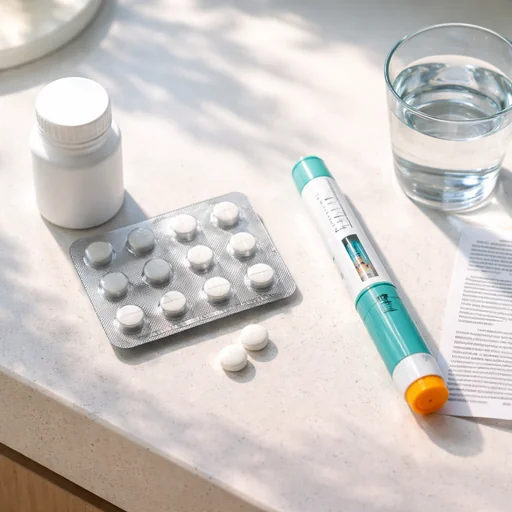
Most importantly, don’t white knuckle it when you don’t have to. Medications exist that are proven to help in the initial stages. Naltrexone blocks the brain's opioid receptors, reducing both cravings and the rewarding effects of alcohol, making it significantly easier to stick to your goals while your brain chemistry rebalances. GLP-1 semaglutide medications have also shown promise in reducing alcohol cravings by acting on the brain's reward and impulse control pathways.
The early weeks of drinking less aren't always comfortable. The emotional turbulence of the initial phase isn't a sign that sobriety isn’t working for you. It's a sign that change is happening.
Your brain has been chemically altered by alcohol, and it takes time to find its way back to the baseline that feels natural. The emotional payoff is substantial and well-documented. People who successfully reduce or quit drinking consistently report lower anxiety, improved mood, greater emotional resilience, better relationships and a renewed capacity to find joy in everyday life.
We want you to experience all these mood lifting benefits. Every day the team at Choose Your Horizon helps people break free of the foggy, numbed, irritable version of themselves that alcohol creates. Gradually that gives way to someone clearer, more grounded and more present.
If you're ready to take control of your relationship with alcohol, Choose Your Horizon offers evidence-based, at-home treatment programs including naltrexone therapy and GLP-1 support that’s guided by trained medical professionals. Start with the free Alcohol Use Assessment to get a better idea of how alcohol is impacting your daily life.