A 2 minute assessment to get a personalized mental health or alcohol recovery plan.


Whether you want to quit completely or just cut back, these practical strategies can help you take control of your drinking.
What You'll Learn:
• How to set realistic drinking goals.
• Strategies for managing triggers and cravings.
• Ways to handle social pressure around alcohol.
• When medication might help.
• How to stay motivated through setbacks.
If you're looking for tips to quit drinking, you've probably already realized that simply deciding to drink less doesn't always work. Alcohol habits can be stubborn, and willpower alone often isn't enough.
The good news is that research from the NIAAA shows most people who drink heavily can cut back significantly or quit. The key is using evidence-based strategies that address both the behavioral and physical aspects of drinking.
1. Put Your Reasons in Writing
Making a list of why you want to change your drinking can keep you motivated when things get difficult. Your reasons might include feeling healthier, sleeping better, saving money, losing weight, or improving your relationships.
Write these reasons down and keep them somewhere you can access easily, like a note on your phone or a card in your wallet. When you feel tempted to drink more than you planned, reviewing your reasons can help you stick to your goals.
The act of writing things down also makes your commitment more concrete. It moves your intention from a vague idea to something you've actively chosen.
2. Set a Clear Drinking Goal
Vague goals like "drink less" are hard to follow. Specific goals are more effective. Decide exactly how many drinks you'll have per week, which days you'll drink, and what your limit will be on those days.
For example, you might decide to have no more than two drinks on Friday and Saturday only. Or you might set a goal of cutting your current weekly total in half over the next month.
According to Harvard Health, you should aim to keep your drinking below the recommended guidelines: no more than two drinks per day for men and one drink per day for women, with several alcohol-free days each week.
3. Track Every Drink
For three to four weeks, keep track of every drink you have. Note what you drank, how much, where you were, and how you were feeling at the time. Then compare this to your goal.
Tracking does two things. First, it gives you an accurate picture of your actual drinking, which is often higher than you think. Second, it helps you identify patterns and triggers you might not have noticed.
Research shows that using a tracking app leads to measurable improvements in reducing alcohol consumption. The simple act of recording drinks makes you more mindful about each one.
4. Remove Alcohol From Your Home
This one is straightforward but highly effective. If there's no alcohol in your house, you can't drink it impulsively. Having to go out to buy alcohol creates a barrier that gives you time to reconsider.
If you live with others who drink, consider designating a space for their alcohol that's out of your sight. The goal is to reduce the number of times you're reminded about drinking when you're at home relaxing.
This strategy works because many drinking decisions are made automatically. When alcohol is easily available, it's easy to pour a drink without really thinking about it.
5. Know Your Triggers
Certain situations, emotions, or times of day can trigger the urge to drink. Identifying your personal triggers helps you plan ahead.
A useful framework is HALT, which stands for Hungry, Angry, Lonely, and Tired. These four states commonly trigger drinking. When you feel the urge to drink, ask yourself if you're actually experiencing one of these.
Other common triggers include:
• Social events where others are drinking.
• Stress from work or relationships.
• Specific times of day (like after work).
• Certain places (like a favorite bar or restaurant).
• Celebrations or special occasions.
Once you know your triggers, you can either avoid them or plan alternative ways to cope. For more on managing cravings, see our guide on how to use naltrexone to stop alcohol cravings.
6. Take Alcohol-Free Days
Decide not to drink on at least two or three days each week. This does several things: it proves to yourself that you can go without alcohol, it gives your body time to recover, and it prevents daily drinking from becoming automatic.
You might start with a week or even a month without drinking to see how you feel physically and emotionally. Many people are surprised by how much better they sleep, how much more energy they have, and how their mood improves.
The CDC recommends scheduling alcohol-free days in advance rather than deciding in the moment. Put them on your calendar like any other commitment.
7. Pace Yourself When You Do Drink
If you're cutting back rather than quitting completely, the way you drink matters. Sip slowly rather than gulping. Put your glass down between sips. Alternate alcoholic drinks with water or other non-alcoholic beverages.
Never drink on an empty stomach. Food slows alcohol absorption and reduces its effects. Having a meal before or during drinking can help you stay in control.
Consider switching to lower-alcohol options. Choose light beer instead of regular, or wine with a lower ABV. Small changes in what and how you drink can add up to significant reductions.
8. Practice Saying No
Social pressure is one of the biggest challenges when cutting back on drinking. Practice polite but firm ways to decline drinks so you're prepared when the situation comes up.
Simple responses work well:
• "I'm not drinking tonight."
• "I'm good with water, thanks."
• "I'm taking a break from alcohol."
You don't need to explain or justify your choice. Most people will respect a straightforward answer. If someone pressures you repeatedly, that says more about them than about you.
It can also help to be the one ordering first in group settings. This removes the temptation to order what others are having.
9. Find Alternative Activities
If drinking has been a major part of your social life or relaxation routine, you'll need to fill that time with something else. This is where many people struggle because they haven't thought about what to do instead.
Make a list of activities you enjoy that don't involve alcohol. This might include exercise, hobbies, movies, time with friends who support your goals, or learning something new. When the urge to drink hits, having alternatives ready makes it easier to redirect your energy.
Physical activity is particularly helpful because it produces natural mood-boosting chemicals and reduces stress, which are some of the same reasons people drink.
10. Get Support
Cutting down on drinking is easier when you have support. Tell friends and family members about your goals. The people who care about you will want to help.
You might also consider joining a support group. This could be a traditional program like AA or a more flexible online community. Being around others who understand what you're going through can make a significant difference.
Research consistently shows that having social support improves outcomes for people trying to change their drinking habits.
11. Consider Medication
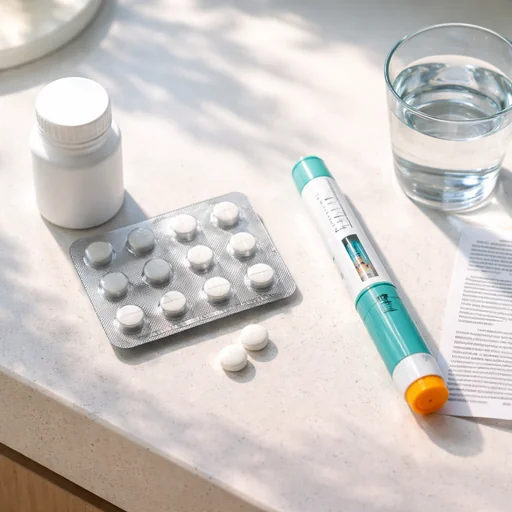
For many people, behavioral strategies alone aren't enough. Medication can provide additional support by reducing cravings and making alcohol less rewarding.
Naltrexone is an FDA-approved medication that blocks the pleasurable effects of alcohol. When you drink with naltrexone in your system, you don't get the same buzz. Over time, this reduces the desire to drink.
The typical dose is 50mg once daily. It can be used whether your goal is complete abstinence or cutting back. Many people find that medication combined with behavioral strategies is more effective than either approach alone.
Medication is available through healthcare providers and can often be obtained through telehealth services without needing to visit a clinic in person.
12. Expect and Learn From Setbacks
Changing drinking habits takes time, and setbacks are normal. If you drink more than you planned on a given day, it doesn't mean you've failed or should give up. It means you're human.
What matters is how you respond. Instead of abandoning your goals, analyze what happened. What triggered the slip? What could you do differently next time? Each setback is an opportunity to learn something that makes future success more likely.
According to the NIAAA, most people who successfully change their drinking don't get it right on the first try. Persistence is more important than perfection.
When to Get Professional Help
Some situations call for professional support. Consider talking to a healthcare provider if:
• You've tried to quit or cut back multiple times without success.
• You experience withdrawal symptoms when you stop drinking.
• Your drinking is affecting your health, work, or relationships.
• You're drinking to cope with anxiety, depression, or other mental health issues.
For more on recognizing when drinking has become a bigger problem, see our article on chronic drinking patterns.
Taking the First Step
The tips above work best when used together. Start with the ones that seem most relevant to your situation, then add more as you build momentum.
Most importantly, don't wait until you feel completely ready. There's never a perfect time to change a habit. Starting imperfectly is better than not starting at all.
Take the Alcohol Use Assessment to see if naltrexone-assisted treatment could help you reach your drinking goals.