A 2 minute assessment to get a personalized mental health or alcohol recovery plan.

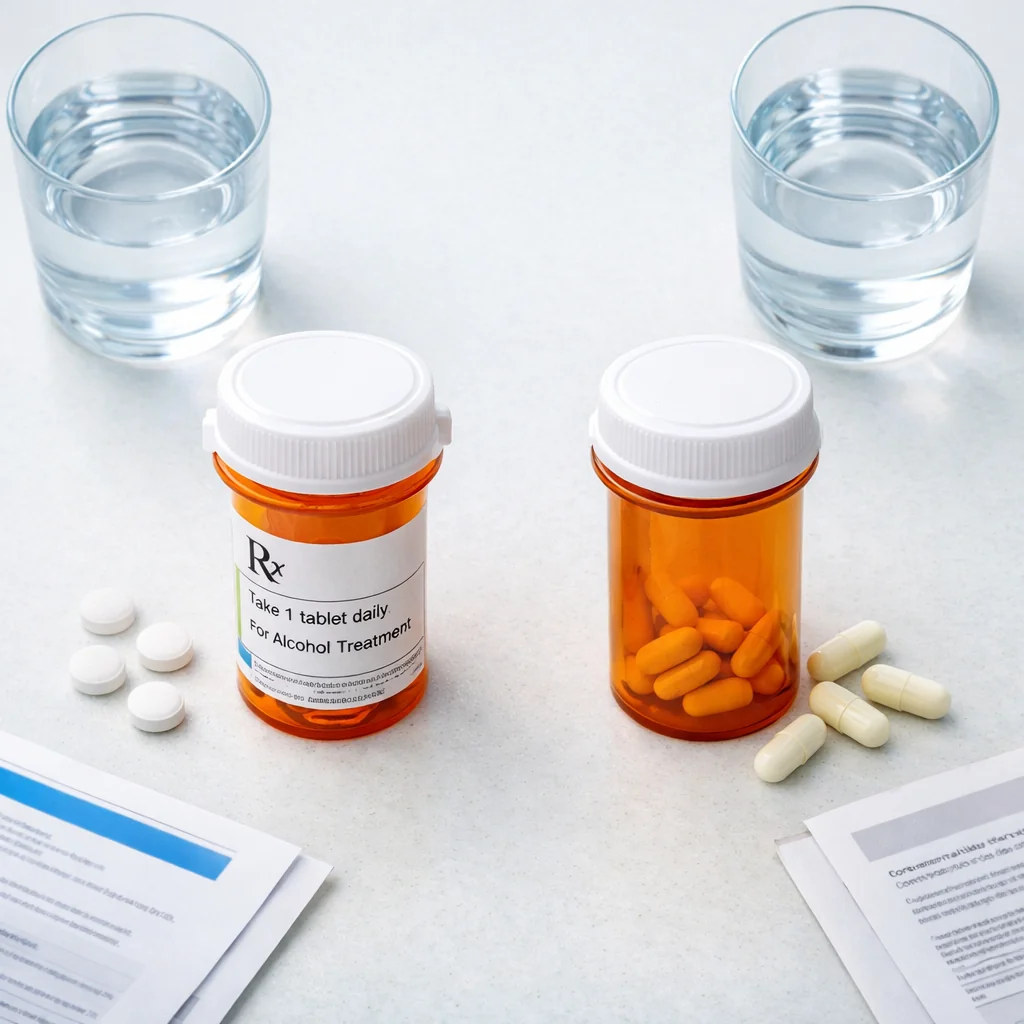
Tirzepatide is generating real excitement for drinking, and naltrexone is the established, FDA-approved tool for alcohol. Here is an honest comparison of what each one actually offers.
What You'll Discover:
• The short answer on tirzepatide versus naltrexone for alcohol.
• How each medication works in the brain and body.
• What the current evidence does and does not show.
• How they compare on mechanism, approval, evidence, and side effects.
• Who each option tends to suit.
If you have been reading about weight-loss medications quietly reducing people's drinking, you are not imagining it. Tirzepatide has become one of the most talked-about names in that conversation.
The fair question is how it compares to naltrexone, the medication built specifically for alcohol. Both deserve a clear-eyed look.
It is an easy thing to get wrong, because the newer drug is the one in the headlines. Headlines reward novelty, not the slower, sturdier story of a medication that has already proven itself.
This comparison tries to give both their due. One is exciting and unproven for drinking, and the other is less flashy and well established, and that contrast is the whole point.
It also helps to know why this question is everywhere right now. GLP-1 and GIP medications have reshaped how people think about appetite and reward, and drinking is a natural place for that curiosity to land.
Tirzepatide vs Naltrexone: The Short Version
Naltrexone is the established, FDA-approved medication for alcohol use disorder. Tirzepatide is a promising newcomer that is not approved for drinking and is still being studied for it.
That difference frames everything. Naltrexone has decades of trials behind it for alcohol specifically. Tirzepatide has early, encouraging signals and a lot of open questions.
This is not a case of one being good and the other bad. They work differently, and they fit different people and goals.
The honest takeaway is that naltrexone is the proven alcohol-specific tool today, while tirzepatide is an area to watch.
If you remember nothing else, remember that approval and evidence are not the same as buzz. The newer option can be genuinely exciting and still not be the right first move for drinking.
How Each One Works
The two medications take very different routes to the same general result, which is wanting to drink less.
Naltrexone is an opioid antagonist. When you drink, alcohol triggers a release of feel-good chemicals through the brain's opioid receptors, and naltrexone blocks those receptors.
With the reward blunted, drinking delivers less of a buzz and less pull to continue. Over time the brain unlearns the strong association between alcohol and reward.
This is the basis of a well-known approach where you keep taking naltrexone and drink as usual, so each drink quietly chips away at the old association. The craving fades because the payoff fades.
That approach appeals to people who do not want to quit cold. You keep living your life while the medication does the slow work of breaking the link between alcohol and reward, which can feel less daunting than abstinence from day one.
The StatPearls clinical reference on naltrexone describes it as a first-line medication for alcohol use disorder. That status reflects how much evidence sits behind it.
Tirzepatide is different. It is a dual GLP-1 and GIP receptor agonist, originally developed for type 2 diabetes and weight management.
These are gut hormone pathways that also influence the brain's reward system. Researchers think that action on reward circuitry is why some people on tirzepatide report less interest in alcohol.
We unpack that mechanism further in our guide to tirzepatide and alcohol cravings.
It helps to picture the difference simply. Naltrexone works at the doorway where alcohol delivers its reward, while tirzepatide seems to turn down the overall appetite and pull toward it.
Both can lead to drinking less, but they get there by different routes. That is part of why one is proven for alcohol and the other is still being mapped.
What the Evidence Actually Shows
This is where the honest gap appears, and it is worth being precise.
Naltrexone has a deep, alcohol-specific evidence base. Meta-analyses of human studies consistently show it reduces craving and heavy drinking.
A meta-analysis of naltrexone on alcohol self-administration and craving found reliable reductions in how much people drank and how strongly they craved. That kind of repeated finding is what earns first-line status.
Tirzepatide's alcohol evidence is earlier and thinner, though intriguing. Much of it comes from people taking it for weight or diabetes who noticed they drank less.
One study of GLP-1 and GIP medications and alcohol consumption in people with obesity found lower self-reported intake and fewer binge episodes after starting the medication, with tirzepatide among the drugs examined.
That is promising, but it is not the same as a large trial designed to test alcohol use disorder directly. Observational findings point the way, and dedicated trials are what confirm it.
The gap between the two kinds of evidence is not a technicality. People who notice they drink less on a weight medication are a real signal, but they were not randomly assigned, and many other things about their lives changed at the same time.
That is precisely what a controlled trial sorts out. Until those results arrive, it is fair to be hopeful about tirzepatide without treating it as settled for alcohol.
Experts are candid about this. A review describing GLP-1 drugs as promising but unproven for alcohol and substance use concludes that approved treatments should be used until safety and efficacy are demonstrated in dedicated trials.
In other words, the excitement is real, and so is the caution. We compare the two categories more in our piece on naltrexone versus GLP-1 for alcohol use disorder.
Tirzepatide vs Naltrexone for Alcohol
Here is the comparison in one place. Both have a role to play, and the table is meant to inform, not to crown a winner.
The standout row is FDA status. Naltrexone is approved and built for alcohol. Tirzepatide is not approved for it, even where it shows promise.
It is also why the evidence row looks so different. Decades of alcohol-specific trials sit behind one column, while the other rests largely on observation and early signals.
None of this makes tirzepatide a bad medication. It makes it an early-stage option for drinking specifically, which is a meaningful distinction when you are choosing care.
That single distinction is what most people are really asking about. It is the difference between a treatment and a hopeful lead.
Side Effects and Safety
Both medications are generally tolerated, but their side-effect profiles differ in line with how they work.
Naltrexone's most common side effect is mild nausea, often early on and usually fading. It is non-addictive and not a controlled substance.
The main cautions are current opioid use and certain liver conditions, which is why a physician review matters before starting. For most people, the safety profile is well understood after decades of use.
That long history is part of why clinicians reach for it confidently. There are no major surprises left in how naltrexone behaves, which makes it a comfortable starting point for someone new to medication for drinking.
Tirzepatide's side effects are mostly gastrointestinal, including nausea, and it suppresses appetite by design. Because it affects metabolism and blood sugar, it needs careful medical oversight.
That oversight matters even more for anyone on other medications. There is also the practical question of drinking while on a GLP-1 or GIP medication, which we cover in our article on whether you can drink alcohol on GLP-1.
Tolerability also shapes who stays on a medication. Naltrexone is usually easy to settle into, and the appetite and digestive effects of tirzepatide are a bigger adjustment for some people.
The interactions are worth understanding before mixing the two. Neither drug is a license to ignore the rest of your health, and both work best with support and honest tracking.
Who Each Option Suits
The right choice depends on your goals and your health, not on which medication is trendier.
Naltrexone tends to suit someone whose primary goal is changing their relationship with alcohol. It is alcohol-specific, proven, and works whether you want to cut back or quit.
It also fits people who want a medication with a long, well-understood track record. After decades of use, clinicians know what to expect and how to manage it.
There is comfort in that predictability. With naltrexone, the side effects, the dosing, and the likely results are well mapped, so there are fewer surprises along the way.
It also pairs naturally with the approach of drinking while medicated to gradually unlearn the reward. For a drinking-focused goal, that combination is hard to beat right now.
Tirzepatide may appeal to someone managing weight or blood sugar who also wants to drink less. In that case, reduced drinking could be a welcome secondary effect alongside the primary benefit.
That said, it is not an approved alcohol treatment, so it should not be chosen for drinking alone at this stage. For more on the craving question specifically, our overview of whether GLP-1 medications reduce alcohol cravings digs in.
There is also a cost and access angle. Naltrexone is widely available as an affordable generic, while newer GLP-1 and GIP medications can be more expensive and harder to get for non-approved uses.
For a lot of people, that practical reality matters as much as the science. The proven, accessible option is often the one that actually fits into a real life.
It is also fine to keep both in mind. Someone could start with naltrexone for drinking today and revisit GLP-1 and GIP options later if the evidence and their own health picture point that way.
This article is educational and not a substitute for medical advice. A clinician can help you weigh these options against your full health picture, and you should never start or stop a medication on your own.
Where the Field Is Heading
It is worth saying plainly that this comparison could look different in a few years. The GLP-1 and GIP research is moving quickly, and dedicated alcohol trials are underway.
If those trials confirm the early signals, the conversation will shift. For now, though, the responsible position is to lean on what is proven while keeping an eye on what is promising.
Science moving fast is a good thing, not a reason to wait on the sidelines. You can act on the best evidence available today and still stay open to better tools tomorrow.
That is not a knock on tirzepatide. It is simply how good medicine works, where approval follows evidence rather than the other way around.
For anyone deciding today, the practical answer is straightforward. If alcohol is the target, start with the tool that was built and tested for it.
You can always revisit the decision as the evidence matures. Medicine is not a one-time choice, and a good clinician will help you adjust if better options become available.
The throughline is honesty. Naltrexone earns the recommendation for drinking because it has done the work to prove it, and that is exactly the standard you want behind any treatment you rely on.
Pulling It Together
Tirzepatide is an exciting development, and the early signals on drinking are worth watching. Naltrexone, though, is the medication actually built and approved for alcohol, with decades of evidence behind it.
Choosing between them is not about hype. It is about your goals, your health, and what the evidence currently supports.
If your main aim is changing your relationship with alcohol, naltrexone is the proven place to start, and you do not need to hit a low point to consider it.
Frequently Asked Questions
Is tirzepatide approved to treat alcohol use disorder?
No. Tirzepatide is approved for type 2 diabetes and weight management, not for alcohol. Its effects on drinking are still being studied.
Is naltrexone better than tirzepatide for alcohol?
For alcohol specifically, naltrexone is the established, FDA-approved option with far more evidence. Tirzepatide is promising but unproven for drinking.
Does tirzepatide reduce alcohol cravings?
Some people report less interest in alcohol on tirzepatide, and early studies are encouraging. The evidence is not yet strong enough to call it a treatment.
Can you take naltrexone and tirzepatide together?
Only under a clinician's guidance. Combining medications requires medical oversight to manage interactions and side effects safely.
Which has more side effects?
Both commonly cause nausea. Tirzepatide also suppresses appetite and affects metabolism, while naltrexone's effects are usually mild and short-lived.
Will tirzepatide get approved for alcohol use disorder?
It is possible, and trials are ongoing. Until those results are in, naltrexone remains the approved, evidence-based choice for alcohol.
Take the Next Small Step
You can take an online Alcohol Use Assessment to see whether Choose Your Horizon, including naltrexone, could be a good fit for you.