A 2 minute assessment to get a personalized mental health or alcohol recovery plan.

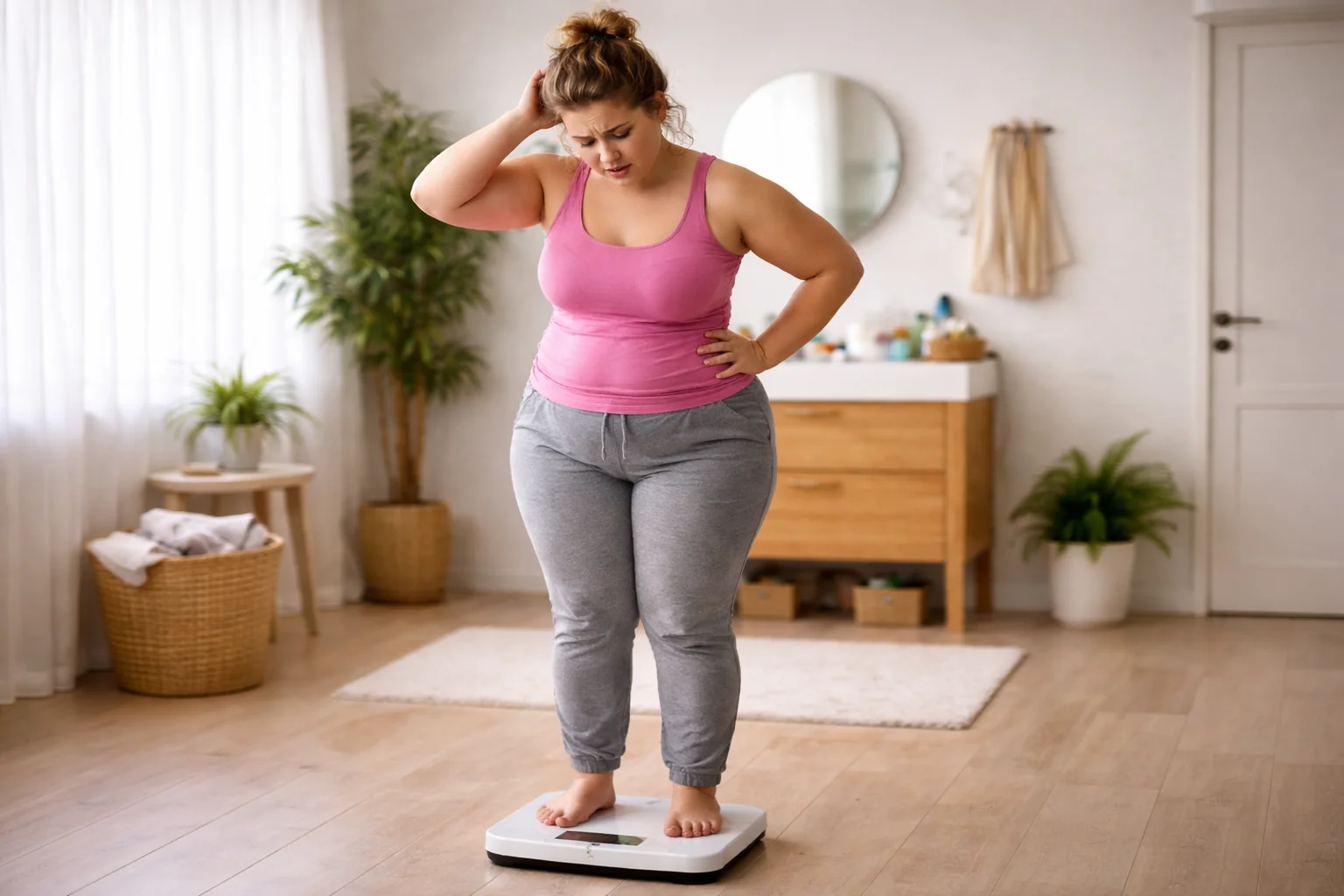
While many people lose weight after quitting alcohol, some experience weight gain. This happens due to increased sugar cravings, appetite changes, and replacing alcohol with food. Understanding why weight gain occurs helps you manage it while maintaining your sobriety.
What You'll Discover:
• Why some people gain weight after quitting alcohol.
• The role of sugar cravings in post-alcohol weight gain.
• How appetite changes when you stop drinking.
• The difference between short-term and long-term weight effects.
• How to manage weight while staying sober.
• Why sobriety is still worth it even if weight increases initially.
Many people expect to lose weight when they quit drinking. For some, that's exactly what happens. But others are surprised to find they've gained weight after stopping alcohol.
This unexpected weight gain can be frustrating and confusing. Understanding why it happens helps you address it without returning to drinking.
Why Weight Gain After Quitting Happens
Several factors can contribute to weight gain after stopping alcohol.
Sugar cravings - Alcohol is metabolized similarly to sugar, and regular drinking affects blood sugar regulation. When you stop drinking, your body may crave sugar to replace what it was getting from alcohol. Many people in early sobriety consume significantly more sweets, sodas, and carbohydrates.
Increased appetite - Alcohol suppresses appetite for some people. When they stop drinking, normal appetite returns and may even be elevated as the body seeks to restore nutrients depleted by drinking.
Emotional eating - Alcohol often serves as a coping mechanism for stress, boredom, or emotional discomfort. Without alcohol, people may turn to food for the same purpose. Eating becomes the replacement behavior.
More time and money - Not drinking frees up time that was spent drinking and money that was spent on alcohol. Both may be redirected toward food, dining out, or snacking.
Improved taste sensation - Alcohol dulls taste perception. When you quit, food may taste better than it has in years, leading to eating more or choosing richer foods.
Social situations - People who used to drink in social settings may eat more when they can't drink. Food becomes the social activity instead of alcohol.
Better absorption - Alcohol impairs nutrient absorption. Without alcohol damaging the digestive system, you may absorb more calories from the food you eat.
Slowed metabolism adjustment - Heavy drinking can affect metabolic rate. When you stop, your body may need time to adjust, and metabolism changes don't happen instantly.
The Sugar-Alcohol Connection
The relationship between sugar and alcohol is particularly important for understanding post-quitting weight gain.
Both sugar and alcohol affect dopamine release in the brain's reward system. The same neural pathways activated by alcohol are also activated by sugar. When alcohol is removed, the brain may seek sugar to activate those reward circuits.
This explains why sugar cravings are so common in early sobriety. The brain is looking for something to replace alcohol's dopamine effects, and sugar provides a partial substitute.
For people who drank heavily, this sugar craving can be intense. Some people report consuming candy, ice cream, or soda in quantities they never would have before quitting alcohol.
Research suggests that this sugar-seeking behavior is a neurobiological response to alcohol cessation, not simply a lack of willpower.
The good news is that sugar cravings typically diminish over time as the brain adjusts to functioning without alcohol. Most people report significant reduction in sugar cravings by the 90-day mark.
Short-Term Versus Long-Term Weight Effects
The timeline of weight changes after quitting alcohol varies.
First few weeks:
Initial weight changes can go either way. Some people lose weight quickly as water retention resolves and alcohol calories are eliminated. Others gain weight as sugar cravings peak and eating patterns shift.
Water weight loss in the first week can be 3-5 pounds for heavy drinkers, which may mask fat gain from increased food intake.
One to three months:
Sugar cravings typically begin moderating as the brain adjusts to functioning without alcohol. Appetite starts normalizing. Weight may stabilize.
This is often when the "true" weight change becomes apparent, as initial water fluctuations have resolved.
Three to six months:
Most people who maintain sobriety begin seeing the weight loss benefits of not drinking by this point. The body has adjusted to the new normal.
Long-term:
Most people who maintain sobriety eventually reach a stable weight that reflects their diet and activity level without alcohol's influence. For most, this weight is lower than when they were drinking, but the path there may not be linear.
The key insight is that early weight gain doesn't predict long-term outcomes. Short-term weight fluctuations during the adjustment period are normal and typically resolve.
Who Is Most Likely to Gain Weight After Quitting?
Certain factors increase the likelihood of post-quitting weight gain.
Heavy drinkers who ate little - Some heavy drinkers consume most of their calories from alcohol and eat minimally. When they quit, normal eating adds calories that alcohol previously provided.
Those who drank low-calorie alcohol - If you drank vodka sodas or light beer, quitting removes fewer calories than if you drank high-calorie cocktails. The calorie savings from quitting are smaller.
Emotional drinkers - People who drank to cope with emotions may transfer that coping to food.
Those with strong sugar cravings - Some people experience more intense sugar cravings than others based on individual brain chemistry.
People who eat out more - If dining out replaces bar time, restaurant portions and appetizers may add calories.
Those without exercise habits - People who don't exercise may not have another outlet for the energy and restlessness of early sobriety.
Awareness of your risk factors helps you prepare strategies to manage them.
Managing Weight While Maintaining Sobriety
If you've gained weight after quitting alcohol, several strategies can help.
Prioritize sobriety first - In very early sobriety (first 30-90 days), some addiction specialists recommend not fighting sugar cravings too hard. The priority is maintaining sobriety. As sobriety stabilizes, gradually reduce sugar intake.
Find non-food rewards - Identify other activities that provide pleasure or stress relief. Exercise, hobbies, social connection, and relaxation can partially replace the reward function that alcohol and food provide.
Plan for social situations - Before events where you might overeat because you can't drink, plan what and how much you'll eat. Having a strategy reduces impulsive choices.
Monitor without obsessing - Tracking what you eat creates awareness but shouldn't become another source of stress. The goal is understanding patterns, not perfection.
Exercise regularly - Physical activity helps regulate appetite, improves mood, and burns calories. Many people in recovery find exercise helpful for multiple reasons beyond weight management.
Give it time - Weight regulation often normalizes as sobriety extends. The body needs time to adjust to functioning without alcohol.
Consider when you eat - Eating regular meals helps prevent the extreme hunger that leads to overeating.
Stay hydrated - Sometimes thirst mimics hunger. Drinking water throughout the day can help manage appetite.
Be patient with yourself - Recovery is challenging. Adding strict diet pressure on top of sobriety can be counterproductive.
Why Sobriety Is Still Worth It
Even if you've gained some weight after quitting alcohol, the overall health benefits of sobriety outweigh this concern.
Liver health - Your liver begins healing almost immediately after you stop drinking. Weight gain doesn't negate this benefit.
Mental clarity - Cognitive function, memory, and mood typically improve with sobriety, regardless of weight changes.
Sleep quality - Sleep improves dramatically without alcohol, which has widespread health benefits.
Reduced disease risk - Cancer risk, heart disease risk, and other alcohol-related health risks decrease when you stop drinking.
Better relationships - The improvement in relationships and life quality that sobriety brings isn't affected by minor weight changes.
Long-term weight - Most people who quit drinking eventually weigh less than when they were drinking, even if there's temporary gain initially.
Financial health - Money not spent on alcohol can improve overall life quality.
A few pounds of weight gain doesn't offset the benefits of eliminating alcohol's damage to your body, mind, and life.
Common Questions About Post-Quitting Weight Gain
Is it normal to gain weight after quitting alcohol?
Yes. While many people lose weight, gaining weight is also a common and normal experience, especially in early sobriety. Sugar cravings and appetite changes are well-documented responses to alcohol cessation.
How long will weight gain last?
For most people, weight stabilizes within 3-6 months of sobriety. The initial adjustment period involves significant metabolic and behavioral changes that eventually normalize.
Should I diet strictly while in early sobriety?
Most addiction specialists recommend against strict dieting in very early sobriety. The focus should be on maintaining abstinence. Once sobriety is stable (usually after 90 days), addressing diet becomes more appropriate.
Will the sugar cravings go away?
Yes. Sugar cravings typically peak in the first few weeks to months of sobriety and gradually diminish as the brain adjusts to functioning without alcohol.
Is it better to gain weight and stay sober or stay thin and keep drinking?
Sobriety with weight gain is far healthier than continued drinking at a lower weight. Alcohol damages organs, increases cancer risk, and affects mental health in ways that extra pounds do not.
The Numbers: Calories In and Out
Understanding the calorie math helps put weight changes in perspective.
Calories from alcohol:
If you were drinking:
• 3 glasses of wine per night = 375 calories
• 4 beers per night = 600 calories
• 2 cocktails per night = 400-600 calories
Quitting removes these calories, creating potential for weight loss.
Calories from replacement foods:
If you're now consuming:
• 2 sodas per day = 280 calories
• A candy bar or dessert = 300-500 calories
• Extra portions at meals = 200-400 calories
These replacement calories can equal or exceed what you removed by quitting alcohol.
The key is awareness. If you've gained weight, look at what you're eating now that you weren't before. Often the culprit becomes obvious.
Exercise as Part of Recovery
Physical activity offers multiple benefits for people in early sobriety.
Burns calories - Exercise creates calorie deficit to offset increased food intake.
Improves mood - Exercise releases endorphins that can partially replace the mood boost from alcohol.
Reduces cravings - Some research suggests exercise reduces cravings for alcohol and other substances.
Provides structure - Having workout commitments provides routine and purpose.
Improves sleep - Physical activity promotes better sleep quality, which helps with weight management and mood.
Builds community - Group fitness activities provide social connection without alcohol.
Starting an exercise routine during recovery serves multiple purposes beyond weight management.
Even moderate exercise like walking 30 minutes daily can make a meaningful difference in both weight management and recovery outcomes.
The Bigger Picture
Weight is just one aspect of health. People sometimes quit drinking, gain some weight, and conclude that drinking wasn't actually affecting them that badly. This thinking is flawed.
Alcohol damages your body in ways that don't show up on a scale. Liver function, cancer risk, cognitive health, mental wellness, and relationship quality all improve with sobriety regardless of what happens to your weight.
If weight gain after quitting concerns you, address it directly through diet and exercise rather than returning to drinking. Weight can be managed through various means. The damage from continued alcohol use cannot be undone as easily.
Your value as a person has nothing to do with the number on the scale. Recovery is about building a better life, not achieving a specific weight.
When to Seek Help
Consider talking to a healthcare provider if:
Weight gain is substantial - Gaining 20+ pounds may warrant medical evaluation to rule out other causes and develop a management plan.
You're turning to food problematically - If eating has become compulsive or feels out of control, addressing this pattern is important.
Weight gain threatens your sobriety - If frustration about weight makes you consider drinking again, this needs attention.
You have health conditions affected by weight - Diabetes, heart disease, or other conditions may require more active weight management.
A provider can help distinguish normal adjustment from issues requiring intervention.
Medication-Assisted Treatment and Weight
For people who have returned to drinking or struggle to quit, medication-assisted treatment with naltrexone offers an alternative approach.
Naltrexone reduces alcohol's rewarding effects, leading to natural reduction in consumption over time. Some research also suggests naltrexone may help reduce cravings for sugar and food, potentially supporting weight management.
This approach allows for gradual reduction rather than immediate abstinence, which may produce less dramatic metabolic shifts and fewer intense cravings.
Conclusion
Weight gain after quitting alcohol happens to some people due to sugar cravings, appetite changes, and using food to replace alcohol's coping and reward functions.
This weight gain is typically temporary and manageable. Most people eventually stabilize at a weight lower than when they were drinking.
If you've gained weight after quitting, address it through diet and exercise while maintaining your sobriety. The health benefits of not drinking far outweigh concerns about temporary weight fluctuations.
Take the online Alcohol Use Assessment to see if medication-assisted treatment could help you achieve your goals without the dramatic metabolic shifts of sudden abstinence.