A 2 minute assessment to get a personalized mental health or alcohol recovery plan.

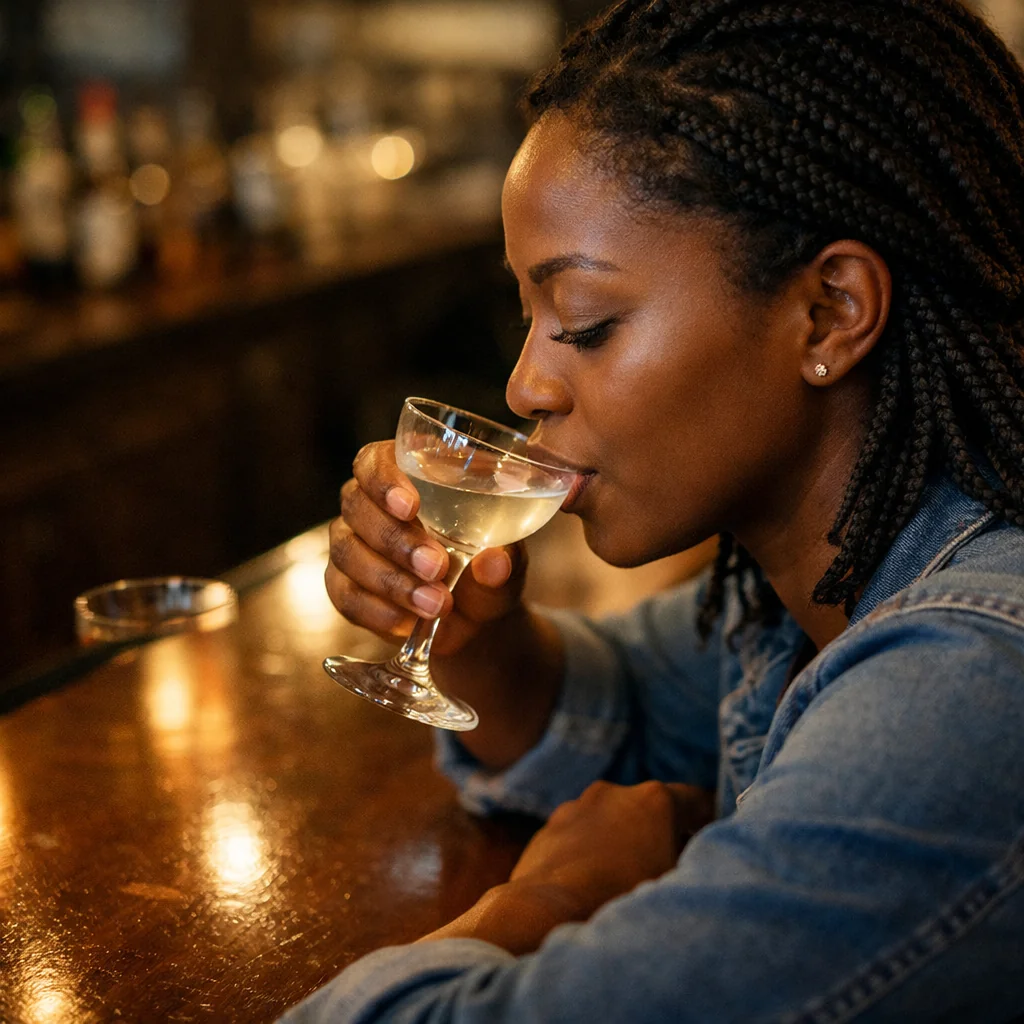
People who drink on naltrexone describe an off switch, a quiet fading of the buzz that lets them stop after one or two drinks without willpower doing all the work.
What You'll Discover:
• What actually changes the first time you drink on naltrexone.
• Why the buzz fades and the reward goes flat.
• Why naltrexone does not make you sick or sour on alcohol.
• What the extinction timeline really looks like over weeks.
• Why some people still feel a buzz at first, and what that means.
Most people come to naltrexone with one nervous question in the back of their mind. They want to know what that first drink is going to feel like once the pill is in their system.
The short version is this. The drink still tastes like a drink, but the payoff quietly goes missing. The pull to keep going loosens. A lot of people call it the off switch.
This is not the same as being scared off alcohol or made sick by it. It is calmer and stranger than that. Below is an honest look at what the experience is actually like, and why it happens.
It helps to know going in that most people are pleasantly underwhelmed. The dread they built up beforehand rarely matches the mild, neutral reality of that first drink.
The Short Version of What Changes
Here is what most people notice. You take your dose, you wait about an hour, and then you have a drink like you normally would.
The taste is unchanged. The warmth in your chest might still be there. What goes flat is the reward, the little lift that used to say "again, and soon."
That reward is the reason a first drink so often turns into a fourth. When it fades, the second drink feels optional in a way it never did before.
You can drink alcohol on naltrexone safely, and that is the whole point of taking it before you drink. The medication only works its magic when there is alcohol for it to act on.
Why the Buzz Fades
Alcohol feels good for a specific reason. When you drink, your brain releases natural opioids that trigger a surge of dopamine in a reward hub called the nucleus accumbens. That surge is the buzz.
Naltrexone is an opioid antagonist, which is a long word for a simple job. It sits on those same receptors and blocks them, so the alcohol arrives but the reward signal does not fire the way it used to.
The medication is approved by the FDA for alcohol use disorder and works by occupying the mu-opioid receptors that alcohol would otherwise light up. No receptor lift, no big buzz.
Researchers have shown that naltrexone blunts the dopamine release that alcohol normally triggers in the brain's reward system. That is the mechanism behind the flat, so-what feeling people describe.
To be clear, naltrexone does not numb everything else. It targets the alcohol reward loop specifically, which is why we cover whether naltrexone stops all pleasure in its own guide. Food, music, laughter, and the rest of life still register normally.
What It Does Not Feel Like
This is the part that surprises people most, so it is worth being direct. Naltrexone does not make you sick when you drink.
It does not flush your face, turn your stomach, or punish you for having a glass of wine. There is no dread, no racing heart, no reason to fear the drink itself.
Some older approaches to drinking worked by making alcohol physically unbearable, so a sip meant nausea and misery. Naltrexone is nothing like that.
The experience is the opposite of aversion. It is indifference. The drink is simply less interesting than it used to be, and that neutral, unbothered feeling is exactly what makes it sustainable.
This difference matters more than it sounds. Approaches built on fear or sickness are hard to stay with, because part of you is always bracing. Indifference asks nothing of you. There is nothing to endure.
The First Time You Drink on Naltrexone
The first time is usually anticlimactic, and that is a good sign. People expect a dramatic moment and instead get a shrug.
You might finish your first drink and notice you are not reaching for the next one on autopilot. The itch that normally shows up around glass two is fainter, or missing entirely.
A common description is "meh." The drink is fine. It just does not sparkle. For someone used to alcohol running the show, that quiet is a big deal.
It helps to keep expectations grounded. The pill does not erase the taste or the social ritual. It removes the escalating pull, so you stay in the driver's seat instead of handing over the keys.
Many people report a small mental double-take that first night. They notice the absence of something rather than the presence of it. The craving that usually arrives on schedule just does not knock.
That absence can feel disorienting at first, almost like a room that got suddenly quiet. Then it starts to feel like relief. You realize the drink was never really the point. The chase was.
What First-Timers Worry About
A lot of nerves come from not knowing what to expect, so it helps to name the common worries directly.
The first is whether you will feel weird or drugged. You will not. Naltrexone is not a sedative and it is not a stimulant. On its own it does not make you feel high, foggy, or altered, and most people feel completely normal on it.
The second is whether people will be able to tell. There is nothing outward about the experience. You are not slurring differently or acting off. The change is internal, in how the drink lands for you.
The third worry is about really wanting to get drunk anyway. You still can affect your blood alcohol level by drinking a lot, since naltrexone does not change how alcohol metabolizes.
What it changes is that the desire to keep going is usually much weaker. Most people simply do not push toward that point anymore.
The fourth worry is the biggest one, the fear that it will not work for you. That is a fair concern, and the honest answer is that response varies.
For most people the effect is clear within weeks. If it is not, the dose and timing can be adjusted with a prescriber.
The Extinction Timeline
Here is where naltrexone gets genuinely interesting. It does more than mute one night of drinking. Used consistently before you drink, it slowly unlearns the habit itself.
This is the idea behind the Sinclair Method, which pairs the pill with drinking so the brain stops linking alcohol to reward. Each drink taken with naltrexone weakens the old association a little more.
Scientists call this pharmacological extinction. When the reward keeps failing to show up, the craving that once drove you toward alcohol gradually loses its grip.
This does not happen in one night. It is a curve that plays out over weeks and months, and the table below shows how the same person's experience tends to shift over that stretch.
Studies of people using naltrexone show that it measurably lowers both craving and how much people drink over time. The lived experience and the data point the same direction.
The important thing to hold onto is that the curve is real but gradual. Early wins are usually about behavior, stopping sooner. The deeper change, alcohol simply mattering less, tends to arrive later.
Being Able to Stop After One or Two
The single most reported change is this. People who used to have four, five, or more drinks find themselves stopping at one or two without a fight.
It does not feel like restraint. It feels like the desire to keep going simply did not arrive. There is no clenched-jaw self-control involved.
That is what the off switch really means. The drink that would have kicked off a long night just sits there, half-finished, because nothing inside you is pushing for more.
Over time this reshapes cravings too, not only the buzz in the moment. We go deeper into how naltrexone reduces alcohol cravings as the extinction effect builds.
People describe this in vivid ways. One common version is walking past the wine aisle and realizing they did not slow down. Another is getting home from work and not automatically heading for the fridge.
The old script used to run on its own. With the reward faded, the script loses its lines. The behavior that felt automatic becomes something you actually have to decide to do, which means you can also decide not to.
Does It Feel Different Taking It Daily vs Before Drinking
There are two common ways to take naltrexone, and they shape the day-to-day experience a little differently.
Some people take it daily, at the same time each day, so the medication is always in their system. The advantage is that they are covered no matter when a drink comes up, planned or not.
Others take a dose about an hour before they know they will be drinking, which is closer to the classic Sinclair approach. This works well for people whose drinking is predictable, like weekends or specific events.
The felt experience of the drink itself is similar either way, since what matters is having naltrexone on board when you drink. The main difference is peace of mind. Daily dosing removes the risk of forgetting and drinking without it.
That risk matters more than it sounds. Drinking even once without naltrexone lets the old reward fire and can nudge the craving back to life. For that reason many people prefer daily dosing as they work through the extinction curve.
What If You Still Feel the Buzz
Not everyone gets a dramatic effect right away, and that is normal. A few things can be behind it.
The most common is timing. Naltrexone needs about an hour to reach the receptors before your first drink, so drinking too soon means the pill has not fully clocked in yet.
Dosing matters as well. The standard is a 50mg oral tablet, and some people who metabolize quickly may need their prescriber to adjust the plan.
And extinction is a process. Early on, the buzz may still break through some of the time. What usually changes is the pattern, the pull weakening drink by drink even before it disappears.
If nothing shifts after a few weeks, that is worth raising with your clinician.
The Bottom Line
Drinking on naltrexone does not feel like a punishment or a trick. It feels like the volume on alcohol's reward has been turned way down.
The buzz goes flat, the pull to keep drinking loosens, and stopping after one or two stops being a battle. There is no sickness, no aversion, just a quiet indifference that grows steadier over weeks of consistent use.
For a lot of people, that off switch is the first time drinking has felt like a choice instead of a reflex. This article is educational and not a substitute for medical advice, so talk with a clinician before starting or changing any medication.
Frequently Asked Questions
Does naltrexone make you sick if you drink on it?
No. Naltrexone does not cause nausea, flushing, or a bad reaction to alcohol. It quietly reduces the buzz and reward, so drinking feels flat rather than punishing.
Will I still feel drunk on naltrexone?
You can still feel some effects of alcohol, since naltrexone does not change your blood alcohol level. What fades is the pleasurable buzz and the pull to keep drinking, which is why many people stop after one or two.
How long before I notice the off switch?
Some people feel the flat buzz on the very first drink taken about an hour after their dose. The bigger shift in cravings usually builds over several weeks of taking it before drinking.
Do I have to take naltrexone every time I drink?
For the extinction effect to work, naltrexone needs to be in your system whenever you drink. Many people take it daily so they are always covered, while others take it about an hour before drinking.
What if I do not feel any difference?
Check your timing first, since the pill needs about an hour to work. If nothing changes after a few weeks of consistent use, talk with your prescriber about your dose and plan.
Curious what that off switch would feel like for you? Take an online Alcohol Use Assessment to see if naltrexone could be a good fit.