A 2 minute assessment to get a personalized mental health or alcohol recovery plan.

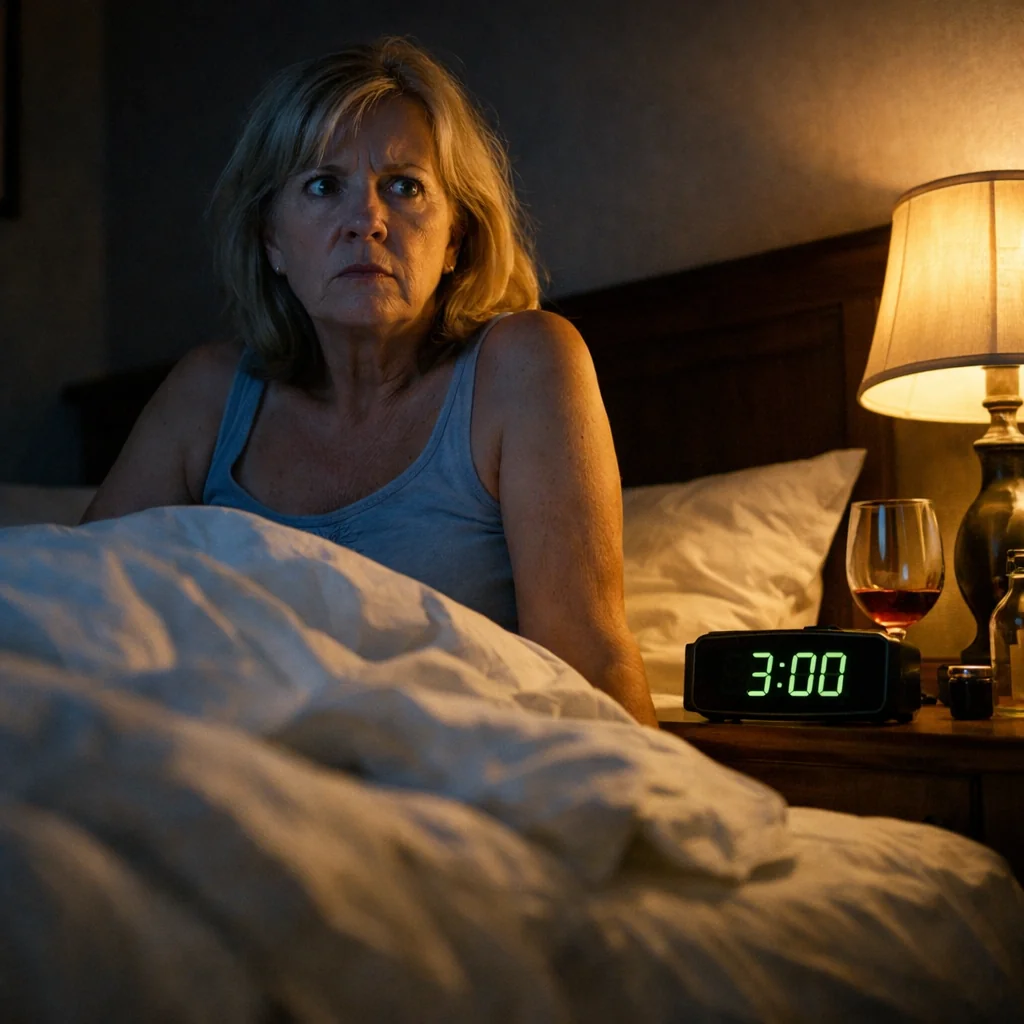
That 3am jolt after a few drinks is not random. Alcohol sedates you early, then rebounds hard in the second half of the night, and there is a clear reason it keeps happening.
What You'll Discover:
• Why alcohol knocks you out fast, then wakes you up hours later.
• The glutamate and adrenaline rebound behind the 3am wake-up.
• How cortisol and blood sugar add to the early-morning spike.
• What alcohol does to each phase of your sleep across the night.
• What actually improves when you cut back on evening drinking.
You had a few drinks, fell asleep quickly, and felt fine. Then your eyes snapped open at 3am. Your heart was going, your mind was racing, and sleep was suddenly the last thing your body wanted.
If that sounds familiar, you are not imagining it. The 3am wake-up is one of the most common complaints from people who drink in the evening, and it has a clear, well-studied cause.
The short version is this. Alcohol is a sedative on the way in and a stimulant on the way out. The first half of the night pays you. The second half collects.
Understanding why this happens makes it a lot easier to see what changes when you shift your drinking, as we cover in our guide to sleeping and alcohol.
The Sedative Trap: Why You Fall Asleep So Fast
Alcohol boosts a calming brain chemical called GABA and dampens an excitatory one called glutamate. GABA slows brain activity down. That combination is why one or two drinks can make your eyelids heavy within the hour.
This is also why alcohol feels like it helps with sleep. You drift off faster than usual, sometimes much faster, which we explain more in our piece on why alcohol makes you sleepy.
The catch is that this early sedation is shallow and short-lived. Your body treats the alcohol as something to clear out fast, and it works quickly.
A standard drink is metabolized in roughly an hour. So if you stop drinking around 10pm, most of the alcohol is gone from your system by the small hours. That is exactly when the trouble starts.
It also matters that this early "sleep" is not the good kind. The sedation alcohol produces looks like sleep from the outside, but the quality is low. You are unconscious more than you are truly resting.
That distinction is the whole story of the 3am wake-up. Alcohol front-loads a shallow version of sleep, then takes the deep, restorative version away from you in the back half of the night when you need it most.
The Rebound: Glutamate, Adrenaline, and the 3am Wake-Up
Here is the part that explains the jolt. While alcohol is in your system, your brain adjusts. It turns down GABA and turns up glutamate to keep its balance against the sedative.
When the alcohol clears, those adjustments do not switch off instantly. You are left with too much glutamate and not enough GABA for a few hours. Your brain, in effect, overshoots into an excited state.
Researchers describe alcohol as suppressing sleep-regulating systems early, then producing a compensatory disruption in the second half of the night. That rebound is what pulls you out of deep sleep.
Along with the glutamate surge comes a small rise in adrenaline and a faster heart rate. That is the wired, alert feeling that makes 3am so frustrating. Your body is telling you it is time to be awake, even though you know it is not.
There is a cruel bit of timing here. The rebound tends to peak in the exact window when you would normally be in your deepest, most restorative sleep. Instead of gliding through it, you are yanked out.
This is also why the wake-up feels different from a normal one. A regular night waking is soft and easy to fall back from.
The alcohol rebound is not. It comes with a racing mind and a body that thinks something is happening, which is why lying there staring at the ceiling for an hour is so common.
The more you drink, the sharper the rebound. A couple of drinks produce a mild version. A heavy night produces a much bigger overshoot, which is why the worst 3am wake-ups tend to follow the biggest nights.
Cortisol, Blood Sugar, and a Full Bladder
The glutamate rebound is the headliner, but a few supporting characters make the 3am wake-up worse.
Cortisol. Alcohol activates your stress-hormone system, the HPA axis, which releases cortisol. Cortisol is meant to rise in the early morning to wake you naturally, and drinking can push that response higher than usual.
A cortisol spike layered on top of the glutamate rebound is a recipe for wide-awake at 3am. We go deeper on this in our article on alcohol and cortisol.
Blood sugar. Your liver is busy processing alcohol, so it does a worse job of releasing steady glucose overnight. A dip in blood sugar in the early morning can trigger the same adrenaline response, adding to the jolt.
A full bladder. Alcohol is a diuretic. It tells your kidneys to make more urine, so you often wake needing the bathroom. Once you are up and alert, the glutamate rebound makes it hard to fall back asleep.
There is a dehydration angle worth adding here. Because alcohol pulls water out of your system, you can wake with a dry mouth and a headache brewing, both of which nudge you further out of sleep even after you have used the bathroom.
None of these alone would ruin your night. Stacked together in the early morning, they explain why you wake up so reliably and why getting back to sleep feels impossible.
What Alcohol Does to Each Phase of Your Sleep
Sleep is not one flat state. It moves through deep sleep and REM sleep in cycles across the night. Alcohol hits these phases differently depending on the hour, which is why the first half feels great and the second half falls apart.
Here is a simple picture of the night on alcohol.
The pattern is consistent. Studies of sleep quality show alcohol reliably increases wakefulness in the back half of the night, even when it shortens the time it takes to fall asleep.
That REM rebound in the pre-dawn hours is worth calling out. Alcohol suppresses REM early, so your body tries to catch up later, cramming it into the last stretch. That is why post-drinking dreams can feel unusually vivid or unsettling.
The National Institute on Alcohol Abuse and Alcoholism describes this kind of fragmented, poor-quality sleep as a core feature of how alcohol affects the body, not a rare side effect.
It is worth understanding why deep sleep and REM both matter, because alcohol shortchanges you on each. Deep sleep is the physically restorative stage that repairs your body. REM is where your brain files memories and processes emotion.
When alcohol pushes deep sleep to the front and crams REM into the pre-dawn scraps, you lose the balanced cycling that leaves you feeling whole. You can spend eight hours in bed and still wake up like you barely slept.
This is the piece most people miss. The issue is not just that you woke at 3am. It is that even the hours you did sleep were a lower-grade version. Fixing the drinking fixes both problems at once.
Why the Wake-Up Feels Worse As You Get Older
If the 3am wake-up seems to have gotten more reliable over the years, that is not your imagination either. Age changes how your body handles both alcohol and sleep, and the two effects stack.
Your body metabolizes alcohol a little more slowly as you get older, so it lingers and the rebound lands at a slightly different time. At the same time, deep sleep naturally becomes lighter and easier to interrupt with age.
Put those together and the same two glasses of wine that used to cost you nothing at 25 can wreck a night at 45. The drink did not change. Your body's tolerance for its after-effects did.
Hormonal shifts play a role too. For many people in midlife, cortisol and sleep are already a bit more sensitive, and alcohol pushes an already-loaded system over the edge more easily.
None of this means you are stuck with bad nights. It just means the payoff for cutting back on evening drinking tends to be even bigger as you age, because you are removing a stressor your body has less room to absorb.
The Vicious Cycle of Drinking to Sleep
There is one pattern worth pulling apart on its own, because it traps a lot of people. It starts innocently. You have trouble falling asleep, a drink helps, so a nightcap becomes routine.
The problem is that alcohol only ever helps with the falling-asleep part, and it actively harms the staying-asleep part. So the nightcap that knocks you out at 11pm is often the exact reason you are wide awake at 3am.
Then the 3am wake-up leaves you tired the next day, which makes the following night's sleep feel even more urgent, which makes the nightcap more tempting. The loop tightens.
Your body also adapts. Over a few weeks, it takes more alcohol to get the same drowsy effect, so the dose creeps up while the sleep quality keeps dropping. You end up drinking more and sleeping worse at the same time.
Breaking the cycle usually means accepting a few nights of rougher sleep as your system recalibrates, then reaping steadily better nights after that. The short-term discomfort is real, but it is the doorway out.
What the First Alcohol-Free Week Feels Like
If you decide to take a break from evening drinking, it helps to know what to expect, because the first few nights can be a little bumpy before they get good.
Early on, some people actually sleep worse for a night or two. That is the REM rebound catching up. Your brain has been suppressing REM for a while and it wants to reclaim it, which can mean vivid dreams and lighter sleep at first.
That phase is short. Within about a week, most people find they are falling asleep almost as easily as before, staying asleep through the night, and waking up genuinely rested rather than groggy.
The morning difference is often the most striking part. Instead of that heavy, foggy start, you wake up clearer, and the 3am visits fade into the occasional bad night rather than a nightly event.
Give it a full week or two before you judge the results. Sleep is a system that recalibrates, and it rewards a little patience with some of the best rest you have had in a long time.
What Improves When You Cut Back on Evening Drinking
Here is the encouraging part. Sleep is one of the fastest things to improve when you reduce evening drinking, and you do not have to quit entirely to feel it.
The single most useful change is timing. Finishing your last drink earlier, or making some evenings alcohol-free, gives your body time to clear the alcohol before you sleep. That alone softens the rebound.
When people cut back, the common reports are falling back asleep more easily after any wake-up, fewer 3am jolts, and mornings that feel less foggy. The vivid, unsettling dreams tend to settle down too.
You also start getting more of your deep, restorative sleep back instead of the shallow sedation alcohol provides. That is the difference between sleeping for eight hours and actually feeling rested.
Our overview of how alcohol affects sleep walks through what recovery looks like week by week.
There is a nice compounding effect here too. Better sleep makes the next day easier, which makes the evening craving for a drink a little quieter, which makes the next night's sleep better again.
The loop that once worked against you starts working for you.
A few small habits speed this along. Finishing your last drink at least three hours before bed gives your body a head start on clearing it. Alternating drinks with water softens both the dehydration and the total amount you take in.
Keeping your bedroom cool and dark helps your body ride through the pre-dawn cortisol rise without fully waking. And on the nights you do drink, a light snack with some protein can steady the overnight blood-sugar dip that adds to the jolt.
For people who find evening drinking hard to shift on willpower alone, medication can help. Naltrexone, a daily 50mg tablet, works by blocking the reward signal alcohol sends to the brain, which gradually reduces the pull to drink.
Less evening alcohol tends to mean better nights.
When It Is More Than a Bad Night
An occasional restless night after drinking is normal. It is worth paying closer attention if the 3am wake-up has become a nightly fixture, or if you find yourself drinking specifically to fall asleep.
Using alcohol as a sleep aid tends to backfire. It builds tolerance, so you need more to get the same drowsy effect, and the rebound gets worse over time. That loop can be hard to break alone.
If cutting back feels harder than it should, or if stopping brings on shakiness, sweating, or anxiety, talk to a clinician. Those can be signs your body has grown dependent, and that is worth medical support rather than toughing out.
The point is not to alarm you. Most 3am wake-ups are simply the predictable after-effect of a few drinks and improve on their own once you adjust. The signals above are just worth knowing so you can act on them if they show up.
The Bottom Line
The 3am wake-up after drinking is not a mystery and it is not your fault. Alcohol sedates you early, then rebounds with a surge of glutamate, adrenaline, and cortisol just as it clears your system.
Add a blood-sugar dip and a full bladder, and 3am becomes the predictable low point of the night.
The good news is that sleep responds quickly when you change your drinking. Earlier last drinks, more alcohol-free evenings, and less overall tend to bring back the deep, unbroken sleep that actually leaves you rested.
You do not need to hit a crisis point to want better sleep. Wanting to wake up feeling human again is reason enough.
Frequently Asked Questions
Why do I always wake up at exactly 3am after drinking?
It lines up with when the alcohol finishes clearing your system, usually a few hours after your last drink. At that point the glutamate rebound, a cortisol rise, and a possible blood-sugar dip all peak together and pull you out of sleep.
Does alcohol actually help me sleep?
It helps you fall asleep faster, but not stay asleep. The early sedation is shallow, and the second half of the night becomes fragmented and light, so you end up less rested overall.
How long does it take for sleep to improve after cutting back?
Many people notice fewer night wakings within a week or two of reducing evening drinking. Deep sleep and morning energy usually keep improving over the following weeks.
Will a glass of water before bed stop the 3am wake-up?
Hydration can ease the bathroom trips and dry-mouth feeling, but it does not stop the glutamate and cortisol rebound. The most reliable fix is finishing drinking earlier or drinking less.
Is the vivid dreaming after drinking normal?
Yes. Alcohol suppresses REM sleep early in the night, so your brain crowds it into the pre-dawn hours. That REM rebound is what makes those dreams feel unusually intense.
If evening drinking is stealing your sleep, it may be worth looking at your options. You can take an online Alcohol Use Assessment to see if naltrexone could be a good fit for you.