A 2 minute assessment to get a personalized mental health or alcohol recovery plan.

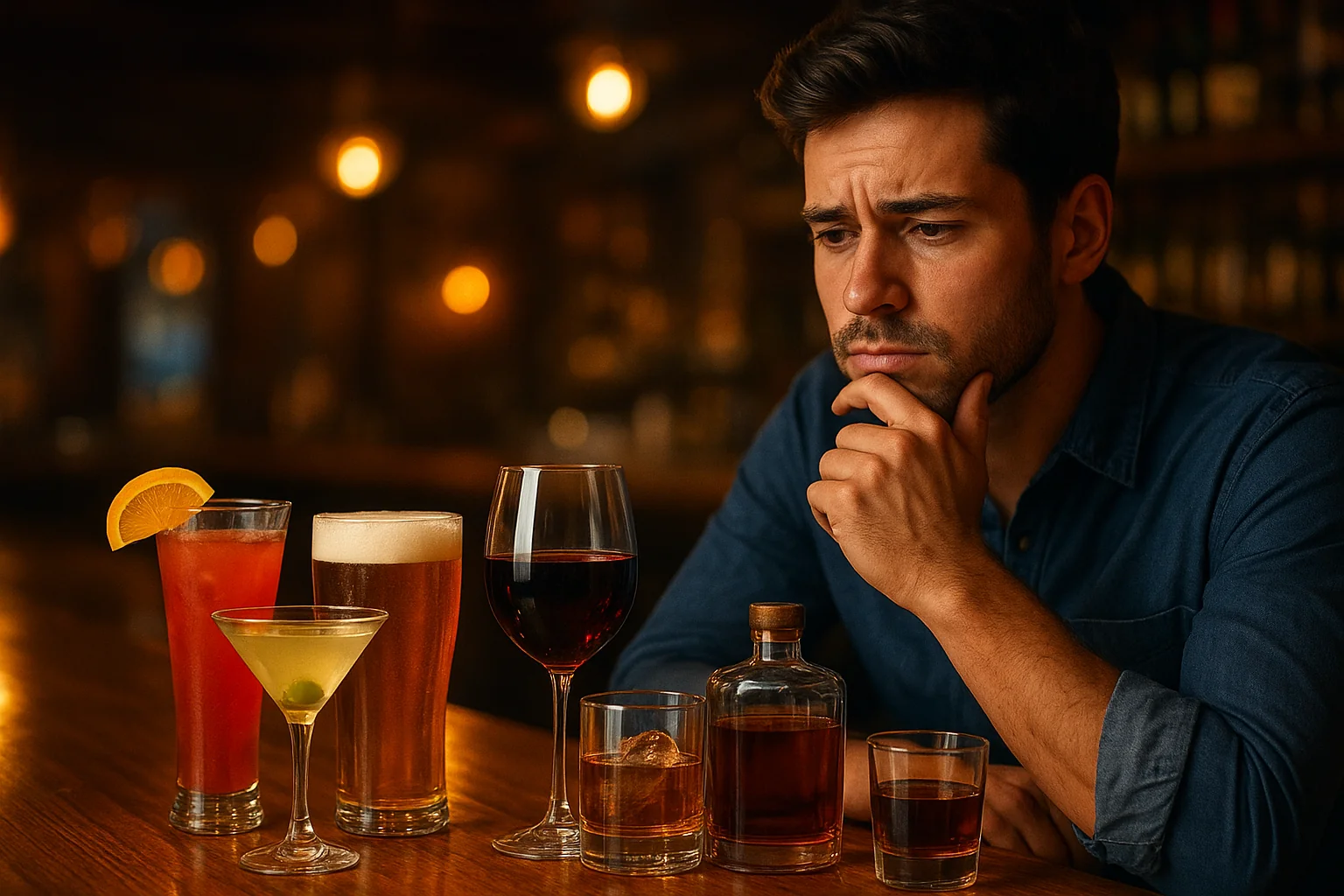
The worst alcohol for high blood pressure isn't beer, wine, or spirits specifically. The real culprits are high alcohol content, added sugars, and excessive quantity, regardless of what type you're drinking.
What You'll Discover:
• Why beverage type matters less than you think for blood pressure.
• The three factors that actually determine blood pressure impact.
• Which specific drinks cause the largest blood pressure spikes.
• Why "healthier" alcohol choices are often misleading.
• What actually helps if you have high blood pressure and drink.
If you're looking for the "safest" type of alcohol for high blood pressure, there isn't one.
The impact comes primarily from the ethanol itself, not whether that ethanol is delivered via beer, wine, or spirits. Certain drinks do create larger blood pressure spikes than others, but the differences come down to three specific factors that have nothing to do with whether you're drinking beer versus vodka.
Why Beverage Type Isn't the Main Issue
All alcoholic beverages raise blood pressure through the same biological mechanisms.
When you consume alcohol, your body responds to the ethanol molecule regardless of what else is in the drink. The ethanol activates your sympathetic nervous system, triggers the renin-angiotensin system, and impairs your baroreceptors.
Research from the National Institutes of Health shows that alcohol's blood pressure effects are dose-dependent. The amount of pure alcohol consumed determines the magnitude of blood pressure increase, not the beverage type.
A standard drink contains 14 grams of ethanol. This equals 12 ounces of beer, 5 ounces of wine, or 1.5 ounces of spirits. One standard drink of beer raises blood pressure approximately the same amount as one standard drink of wine or spirits.
The debate about beverage type distracts from what actually matters: How much alcohol does this drink contain? What else is in it? How much am I consuming?
The Three Factors That Actually Matter
Three characteristics determine how much a specific drink raises your blood pressure.
Total Alcohol Content - The amount of ethanol in what you're drinking is the primary driver. Drinks with higher alcohol by volume (ABV) contain more ethanol per unit of liquid.
A 12-ounce beer at 5% ABV contains one standard drink. A 12-ounce beer at 10% ABV contains two standard drinks. The 10% beer raises blood pressure approximately twice as much.
High-alcohol craft beers (8-12% ABV), fortified wines (18-20% ABV), and straight spirits (40% ABV) deliver more ethanol per standard serving size. This leads to higher blood alcohol concentrations and more pronounced blood pressure effects.
Added Sugars and Carbohydrates - Sugar compounds alcohol's blood pressure effects through a separate mechanism. Consuming sugar triggers an insulin response that affects sodium retention and blood vessel function.
When you combine alcohol's blood pressure effects with sugar's effects, the total impact is larger. A frozen margarita can contain 30-50 grams of sugar in addition to 2-3 standard drinks of alcohol. The blood pressure spike from this combination significantly exceeds unsweetened alcohol alone.
Quantity Consumed - This factor trumps everything else. The total amount of alcohol you consume in a session determines the blood pressure effect more than any other variable.
Three beers create a larger blood pressure spike than one cocktail, regardless of whether cocktails are "worse" on a per-drink basis. Quantity is where beverage type indirectly matters. Some drinks are easier to overconsume than others.
Pattern matters too. Consuming three drinks slowly over three hours creates a smaller spike than consuming three drinks in one hour.
Drinks That Create the Largest Blood Pressure Spikes
Based on the three factors above, certain drinks consistently cause larger increases.
Sweet cocktails rank among the worst. Margaritas, daiquiris, piña coladas, and Long Island iced teas combine high alcohol content with substantial sugar.
A typical restaurant margarita contains 2-3 standard drinks plus 30-40 grams of sugar. The blood pressure spike from one margarita can reach 8-12 mm Hg for someone with existing hypertension.
Fortified wines create large spikes because of their high alcohol content. Port, sherry, Madeira, and vermouth range from 18% to 20% ABV, making them 50% to 65% stronger than regular wine.
People often consume fortified wines in addition to other drinks rather than as their only alcohol for the evening. This adds to total consumption in ways that compound blood pressure effects.
High-ABV craft beers are problematic because people underestimate their alcohol content. An imperial IPA or bourbon barrel-aged stout at 9% to 12% ABV contains nearly two standard drinks per pint.
Someone having "three beers" at a craft brewery might actually consume six standard drinks.
Multiple shots in quick succession create dramatic acute spikes regardless of what type of spirit is involved. Taking three shots within 20 minutes delivers three standard drinks rapidly, causing blood alcohol concentration to spike.
When shots are mixed with energy drinks, the effect is worse. The caffeine adds its own blood pressure-raising effect on top of alcohol's mechanisms.
Large-format drinks at chain restaurants often contain far more alcohol than expected. A Texas Margarita at some restaurants contains 4-5 standard drinks in a single serving. A Long Island Iced Tea typically contains 3-4 standard drinks.
These drinks combine multiple problems. High alcohol content, substantial added sugar, and large serving sizes that encourage rapid consumption all compound to create blood pressure spikes of 10-15 mm Hg or more in people with existing hypertension.
Wine by the bottle creates consumption creep. When drinking wine from a bottle rather than ordering by the glass, people lose track of how much they've consumed. A standard 750ml bottle contains five standard drinks, but many people split a bottle with one other person or consume it alone over an evening.
This pattern leads to regularly consuming 2.5 to 5 drinks without consciously deciding to drink that much.
Common Myths About "Better" Alcohol Choices for Blood Pressure
Several persistent myths mislead people about supposedly healthier alcohol options.
Myth: Red wine is heart-healthy and better for blood pressure
This myth stems from studies on the "French paradox" and research on resveratrol, a compound in grape skins. The truth is more complicated and less encouraging.
According to Mayo Clinic, any potential cardiovascular benefits of red wine don't offset the blood pressure-raising effects of the alcohol it contains. The amount of resveratrol you'd need for meaningful health benefits would require drinking amounts of wine that create harmful alcohol effects.
Myth: Clear liquor is safer than dark liquor
This myth confuses hangovers with blood pressure effects. Dark liquors contain more congeners, which are compounds formed during fermentation and aging. Congeners contribute to hangover severity.
Congeners don't significantly affect blood pressure. Vodka and whiskey raise blood pressure identically when consumed in equal amounts.
Myth: Beer is less harmful than hard liquor for blood pressure
This myth assumes beer's lower alcohol concentration makes it safer. In practice, the opposite often occurs.
The volume required to drink beer leads many people to consume more total alcohol than they would with spirits. Having "a few beers" casually results in 3-4 standard drinks without much thought.
One standard drink is one standard drink regardless of the source.
The Role of Sodium and Other Ingredients
Some alcoholic beverages contain ingredients that independently raise blood pressure.
Sodium content varies widely across drinks. Some beers contain 10-20 mg of sodium per serving. Bloody Marys can contain 400-600 mg of sodium from the tomato juice and added salt.
For someone managing hypertension with sodium restriction, high-sodium drinks compound alcohol's blood pressure effects.
Energy drink mixers add caffeine's blood pressure-raising effects on top of alcohol's mechanisms. A vodka Red Bull combines a stimulant with a depressant, creating cardiovascular stress.
Caffeine causes acute blood pressure increases of 5-10 mm Hg in some people. When added to alcohol's effects, the combined spike can be substantial.
Carbonation doesn't directly raise blood pressure, but it does increase alcohol absorption speed. This leads to faster rises in blood alcohol concentration, which translates to more rapid blood pressure increases.
If You Have High Blood Pressure and Choose to Drink
If you have hypertension and aren't ready to quit drinking entirely, certain approaches minimize blood pressure impact.
Limit to one standard drink - One drink creates modest blood pressure increases that typically resolve within 12-24 hours.
Choose low-sugar options - Unsweetened spirits with soda water, dry wines, and light beers without added sugar avoid compounding alcohol's effects with insulin responses.
Drink slowly with food - Consuming alcohol over 1-2 hours rather than quickly, and having it with food, slows absorption. This creates a smaller peak blood alcohol concentration.
Monitor your blood pressure the next day - Home blood pressure monitoring shows you directly how drinking affects your readings. Check your pressure the morning after drinking and compare it to baseline.
Research from the American Heart Association shows that any alcohol consumption raises blood pressure in people with hypertension. There's no safe amount for someone actively managing high blood pressure.
The Medication Interaction Problem
If you take blood pressure medication, alcohol creates additional complications.
Reduced medication effectiveness - Alcohol reduces the effectiveness of many blood pressure medications. ACE inhibitors, beta blockers, and diuretics all work less well when alcohol is in your system.
This means your medication provides less blood pressure control during the hours when alcohol and its metabolites are circulating. For someone taking medication to keep blood pressure at 120/80, drinking might temporarily push readings back to 135/90 despite the medication.
Dangerous blood pressure fluctuations - Combining alcohol with certain blood pressure medications can cause dangerous drops in blood pressure. This is particularly problematic with alpha blockers and some vasodilators.
Standing up quickly after drinking while on these medications can cause dizziness, falls, and even fainting.
Compounding side effects - Many blood pressure medications cause dizziness, fatigue, or lightheadedness as side effects. Alcohol amplifies these effects.
If you take blood pressure medication, consult your doctor about alcohol use. The combination may be riskier than alcohol alone.
Why Reducing Any Alcohol Helps More Than Switching Types
The focus on finding "better" types of alcohol misses the point entirely.
Switching from beer to wine, or from cocktails to spirits, doesn't meaningfully improve blood pressure outcomes. The ethanol content is what matters, and you're still consuming ethanol regardless of the delivery mechanism.
Reducing alcohol consumption by any amount provides measurable blood pressure benefits.
Heavy drinkers who cut their consumption in half see systolic blood pressure reductions of approximately 5-8 mm Hg within 2-3 weeks. This is a clinically significant improvement that reduces cardiovascular risk substantially.
These reductions occur regardless of which type of alcohol you were drinking. The benefits come from reducing ethanol consumption, not from switching beverage types.
Someone drinking four drinks daily could switch to "healthier" wine and see minimal benefit. That same person reducing to two drinks daily would see blood pressure improvements within weeks regardless of beverage type.
Type-switching is a false solution that maintains the problem. It creates an illusion of health-conscious choice while leaving blood pressure elevated.
When "Moderation" Isn't Working
Many people understand they should reduce alcohol for blood pressure reasons but struggle to maintain reduction despite genuine motivation.
Alcohol affects brain chemistry in ways that override conscious intentions. When you drink, alcohol triggers dopamine release in your brain's reward center. This creates powerful reinforcement that your brain prioritizes over future health concerns.
Trying to moderate through willpower alone means fighting this brain chemistry constantly. For many people, this is unsustainable.
Naltrexone provides a solution by changing the neurological equation. It's an FDA-approved medication that blocks the opioid receptors involved in alcohol's rewarding effects.
When you drink while taking naltrexone, you don't experience the same pleasurable feeling. Over weeks to months, this weakens the reinforcement driving continued drinking. Many people find they naturally drink less without constant internal struggle.
The medication doesn't make you sick if you drink. It simply removes the reward, making alcohol feel neutral.
Understanding how naltrexone works helps explain why medication-assisted treatment has better long-term success rates than approaches relying on willpower alone.
Conclusion
There is no "worst" type of alcohol for high blood pressure in the way most people hope. Beer, wine, and spirits all raise blood pressure through identical mechanisms when consumed in equal amounts.
What matters is total alcohol content, added sugars, and quantity consumed. Sweet cocktails with high alcohol content create larger spikes than unsweetened drinks with lower alcohol content.
The search for "better" alcohol options misses the fundamental point. Any alcohol consumption raises blood pressure in people with hypertension. Switching types provides minimal benefit compared to reducing or eliminating alcohol consumption.
For people who understand this but struggle to reduce drinking despite good intentions, the issue is neurological, not behavioral. Medication-assisted treatment with naltrexone changes brain chemistry to make natural reduction possible.
Take the online Alcohol Use Assessment to see if naltrexone could help you reduce alcohol consumption and allow your blood pressure to improve.