A 2 minute assessment to get a personalized mental health or alcohol recovery plan.

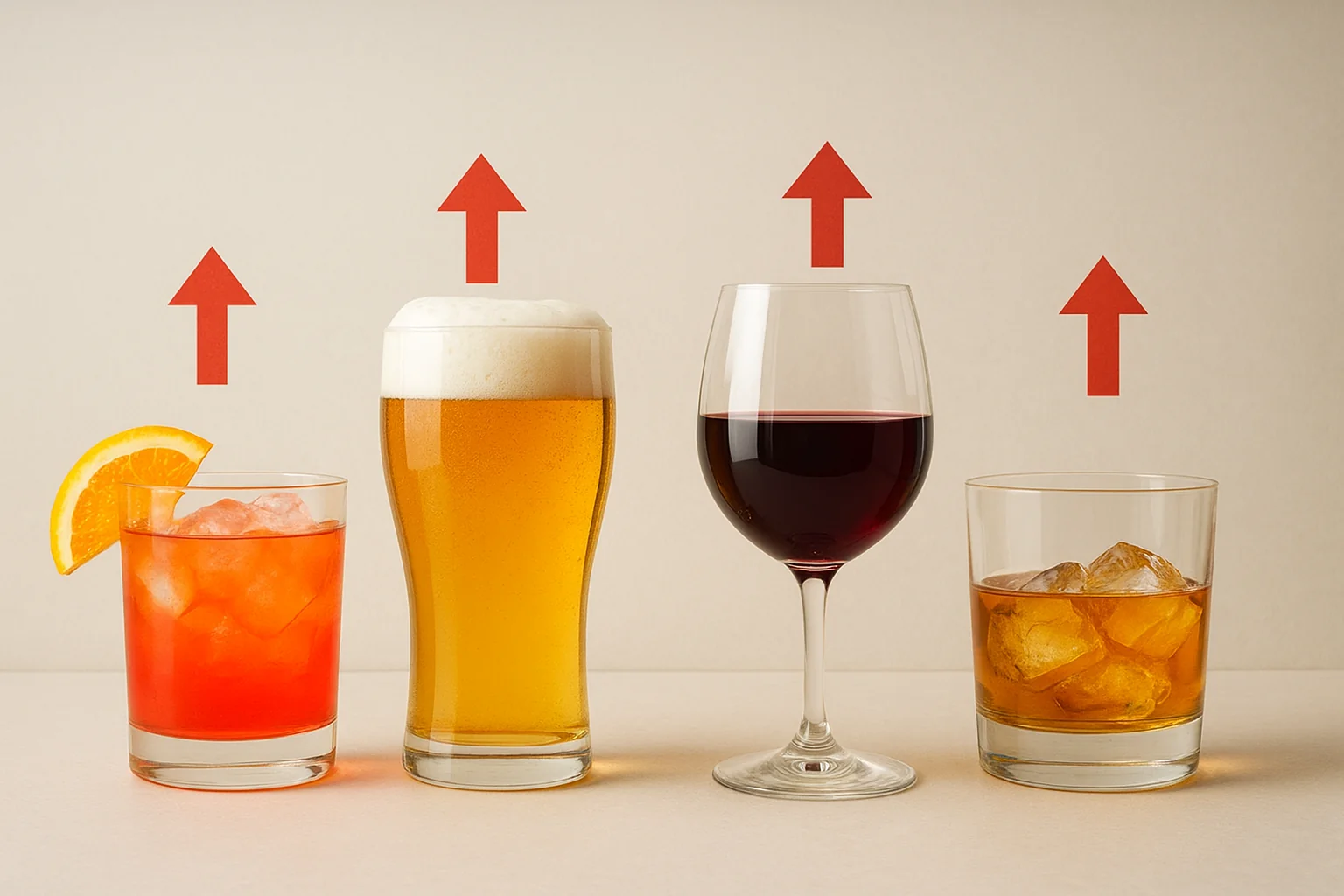
All alcohol causes inflammation, but some types are more inflammatory than others. High-sugar cocktails, drinks with congeners, and excessive quantities cause the most inflammation. The most effective way to reduce alcohol-related inflammation is drinking less, not switching types.
What You'll Discover:
• Why all alcohol causes inflammation.
• Which types of alcohol are most inflammatory.
• The role of sugar, congeners, and quantity.
• How inflammation from alcohol affects your body.
• Whether some alcohols are "anti-inflammatory."
• How to minimize inflammation if you choose to drink.
If you've noticed joint pain, swelling, or general achiness after drinking, you've experienced alcohol-related inflammation. Many people search for less inflammatory alcohol options, hoping to find drinks that won't trigger these effects.
Understanding what makes certain alcohols worse for inflammation helps put these concerns in perspective.
Why All Alcohol Causes Inflammation
Alcohol triggers inflammatory responses through several mechanisms.
Direct cellular irritation - Alcohol irritates tissues throughout your body, including your gastrointestinal tract, liver, and blood vessels. This irritation triggers an inflammatory response as your body attempts to protect and repair damaged tissue.
Gut permeability - Alcohol damages the intestinal lining, increasing gut permeability (sometimes called "leaky gut"). This allows bacteria and toxins to enter the bloodstream, triggering systemic inflammation.
Liver stress - Processing alcohol puts stress on the liver, which releases inflammatory markers as it works to metabolize the toxin. Heavy drinking causes sustained liver inflammation.
Acetaldehyde toxicity - When your liver breaks down alcohol, it produces acetaldehyde, a toxic compound that directly damages cells and triggers inflammatory responses.
Immune system activation - Alcohol activates immune cells called macrophages and microglia, which release pro-inflammatory cytokines. These signaling molecules spread inflammation throughout the body.
Research from the NIH confirms that alcohol consumption activates inflammatory pathways throughout the body.
These mechanisms apply to all alcoholic beverages. No type of alcohol is truly "anti-inflammatory" because the ethanol itself causes inflammation regardless of what it's mixed with or distilled from.
The Most Inflammatory Alcoholic Drinks
While all alcohol causes inflammation, certain drinks are worse than others.
High-Sugar Cocktails
Sugary mixed drinks cause the most inflammation for several reasons.
Sugar itself is inflammatory. When combined with alcohol's inflammatory effects, the result is compounded. A margarita, daiquiri, or piña colada delivers both alcohol and significant sugar.
The worst offenders include:
• Frozen cocktails
• Drinks with soda or tonic
• Cocktails with juice or syrups
• Liqueurs and cordials
• Pre-mixed canned cocktails
• Long Island iced teas
• Mojitos and daiquiris
A single frozen margarita can contain 50+ grams of sugar in addition to alcohol. This combination is particularly inflammatory.
High-fructose corn syrup, commonly used in cheaper mixers, may be especially problematic for inflammation. Reading labels on mixers matters.
Dark Spirits
Darker spirits like whiskey, bourbon, brandy, and dark rum contain more congeners than clear spirits.
Congeners are chemical compounds produced during fermentation and aging. They contribute to flavor and color but also appear to increase inflammatory responses in some research.
Whiskey and bourbon, which are aged in barrels, have particularly high congener content. Brandy is also high in congeners due to its production process.
Types of congeners include:
• Methanol
• Acetone
• Tannins
• Furfural
• Acetaldehyde
While congeners may worsen inflammation, the effect is modest compared to the alcohol itself. You wouldn't see dramatic improvement switching from whiskey to vodka if you're drinking heavily.
Beer
Beer contributes to inflammation through multiple pathways.
Gluten content - Most beer contains gluten from barley or wheat. For people with gluten sensitivity or celiac disease, this triggers significant inflammation. Even people without diagnosed gluten issues may experience inflammatory responses.
Carbohydrate content - Beer contains more carbohydrates than other alcoholic drinks. These carbs can contribute to inflammation, especially in large quantities.
Histamines - Beer contains histamines, which can trigger inflammatory symptoms in sensitive individuals. Histamine intolerance affects a significant percentage of the population.
Purines - Beer is high in purines, which convert to uric acid and can worsen gout and joint inflammation. Beer raises uric acid more than other alcoholic drinks.
Yeast content - Some people react to yeast in beer, experiencing inflammatory symptoms.
For people prone to inflammatory conditions, beer may be particularly problematic.
Wine
Wine's inflammatory profile is mixed.
Red wine contains resveratrol and other polyphenols that have anti-inflammatory properties in isolation. This has led to claims that red wine is anti-inflammatory.
However, the alcohol in wine causes inflammation that likely outweighs any benefit from polyphenols. You'd need to drink harmful amounts of wine to get meaningful doses of resveratrol.
Red wine also contains histamines and sulfites that can trigger inflammatory responses in sensitive people. Some people experience worse symptoms from red wine than other alcohols.
White wine has fewer polyphenols but also fewer histamines, so the comparison is complex.
Dessert wines and port contain high sugar in addition to alcohol, making them particularly inflammatory.
Factors That Increase Alcohol's Inflammatory Effect
Several factors determine how inflammatory a drinking session will be.
Quantity - This is the most important factor. More alcohol means more inflammation, regardless of type. Drinking less of any alcohol reduces inflammation more than switching types.
The relationship isn't linear. Inflammation increases steeply as consumption rises. Six drinks cause far more than twice the inflammation of three drinks.
Sugar content - Added sugars multiply alcohol's inflammatory effect. Choosing drinks without added sugar reduces but doesn't eliminate inflammation.
Frequency - Regular drinking doesn't give your body time to resolve inflammation between sessions. Chronic inflammation accumulates.
Mixers - Sodas, juices, and syrups add inflammatory sugar. Choosing soda water or drinking spirits neat reduces this additional burden.
Individual sensitivity - Some people are more sensitive to certain alcohols. If a particular drink consistently causes worse symptoms for you, your body may be reacting to something specific in it.
Food consumption - Drinking on an empty stomach increases absorption and may worsen inflammatory effects. Eating while drinking can moderate the response.
Hydration status - Dehydration worsens inflammation. Staying hydrated while drinking may modestly reduce inflammatory effects.
Sleep quality - Poor sleep increases inflammatory markers. Alcohol disrupts sleep, creating a compounding effect on inflammation.
How Alcohol Inflammation Affects Your Body
Alcohol-related inflammation manifests in various ways.
Joint pain and stiffness - Inflammatory markers can accumulate in joints, causing pain and reduced mobility. People with arthritis often notice worsening after drinking.
Swelling - Inflammation causes fluid retention, leading to swelling in hands, feet, ankles, and face. This is why people often look puffy after heavy drinking.
Skin issues - Inflammation can worsen skin conditions like rosacea, psoriasis, and eczema. Facial redness and puffiness after drinking reflect underlying inflammation.
Digestive problems - Gut inflammation causes bloating, discomfort, and changes in bowel function. Alcohol can trigger or worsen irritable bowel symptoms.
Brain fog - Neuroinflammation contributes to the cognitive effects of hangovers and may affect mental clarity even between drinking episodes.
Muscle pain - Inflammation contributes to muscle soreness and achiness after drinking.
Headaches - Inflammation plays a role in alcohol-induced headaches, both during drinking and as part of hangovers.
Systemic effects - Chronic inflammation from regular drinking contributes to cardiovascular disease, liver damage, and other long-term health problems.
Are Any Alcohols "Anti-Inflammatory"?
Despite marketing claims, no alcoholic beverage is truly anti-inflammatory.
The ethanol in all alcoholic drinks causes inflammation. Any beneficial compounds in certain drinks (like resveratrol in red wine) don't compensate for the inflammatory effect of the alcohol itself.
Red wine - While resveratrol is anti-inflammatory in laboratory studies, the alcohol in wine causes inflammation. The net effect is inflammatory. You'd be better off eating grapes or taking a resveratrol supplement than drinking wine for anti-inflammatory benefits.
Clear spirits - Vodka, gin, and white rum have fewer congeners and may cause slightly less inflammation than dark spirits. However, they still cause significant inflammation from the alcohol alone.
Low-calorie options - Drinks without added sugar cause less inflammation than sugary cocktails, but the alcohol component still triggers inflammatory responses.
The "least inflammatory" alcohol is still inflammatory. It's simply less inflammatory than worse options.
Ranking Alcohols by Inflammatory Potential
Based on available research and clinical observations, here's a general ranking from most to least inflammatory:
Most inflammatory:
• High-sugar frozen cocktails
• Drinks with soda and juice mixers
• Beer (especially for those with gluten sensitivity)
• Dark spirits (whiskey, bourbon, brandy)
• Red wine (for histamine-sensitive individuals)
Relatively less inflammatory:
• Dry white wine
• Clear spirits with soda water
• Light beer
• Vodka neat or on the rocks
However, this ranking is misleading if it suggests that drinks at the bottom are "safe." All options on this list cause inflammation. The differences are modest compared to the effect of quantity.
Two vodka sodas cause more inflammation than one whiskey. The type matters less than the amount.
Minimizing Inflammation If You Choose to Drink
If you drink despite knowing alcohol causes inflammation, certain practices can minimize the effect.
Drink less - This is the most effective strategy. Cutting consumption in half roughly halves the inflammatory burden. No other strategy comes close to this impact.
Choose lower-sugar options - Spirits with soda water, dry wine, or light beer cause less inflammation than sugary cocktails. Avoid mixers with sugar.
Stay hydrated - Drinking water alongside alcohol helps maintain hydration and may modestly reduce inflammatory effects.
Eat while drinking - Food slows alcohol absorption and may moderate inflammatory responses.
Space out drinks - Rapid consumption spikes blood alcohol and inflammation. Drinking slowly over more time is less inflammatory than consuming the same amount quickly.
Take alcohol-free days - Giving your body time to resolve inflammation between drinking sessions prevents chronic accumulation.
Choose lower-congener drinks - If you're sensitive to congeners, lighter colored spirits may cause fewer symptoms than dark spirits or red wine.
These strategies reduce but don't eliminate alcohol-related inflammation.
When to Be Concerned About Alcohol and Inflammation
Certain patterns suggest alcohol's inflammatory effects are becoming a problem.
Chronic pain - If joint pain, muscle aches, or stiffness persist or worsen with drinking, inflammation may be accumulating.
Worsening of inflammatory conditions - If you have arthritis, autoimmune disease, or other inflammatory conditions that worsen with drinking, alcohol may be contributing to disease activity.
Persistent swelling - Regular swelling in face, hands, or feet that correlates with drinking indicates significant inflammatory response.
Skin changes - Worsening rosacea, persistent facial redness, or skin condition flares after drinking suggest problematic inflammation.
Gut issues - Persistent bloating, discomfort, or digestive problems that correlate with drinking may indicate gut inflammation.
For people with inflammatory conditions or persistent symptoms, reducing or eliminating alcohol is more effective than switching types.
For those whose drinking has become concerning, medication-assisted treatment with naltrexone can help reduce consumption.
Naltrexone works by blocking the brain's reward response to alcohol, making drinking less pleasurable over time. This leads to natural reduction in consumption, which is the most effective way to reduce alcohol-related inflammation.
Common Questions About Alcohol and Inflammation
How long does inflammation from alcohol last?
Acute inflammation from a single drinking episode typically resolves within 24-72 hours. However, regular drinking causes chronic inflammation that doesn't fully resolve between sessions. It can take weeks of abstinence for inflammatory markers to return to baseline.
Does mixing alcohol with anti-inflammatory foods help?
No. Eating anti-inflammatory foods while drinking doesn't cancel out alcohol's inflammatory effects. The alcohol still triggers inflammatory pathways regardless of what else you consume. It's better than drinking on an empty stomach, but not protective.
Is gluten-free beer less inflammatory?
Gluten-free beer removes the gluten-related inflammation for those who are sensitive. However, it still contains alcohol, which causes inflammation on its own. Gluten-free beer is less inflammatory than regular beer for gluten-sensitive people, but not inflammation-free.
Can supplements reduce alcohol-related inflammation?
Some supplements like omega-3s, turmeric, and NAC have anti-inflammatory properties. They may modestly reduce inflammation generally, but they don't counteract alcohol's specific inflammatory effects. Drinking less is far more effective than any supplement.
Why do I get more inflammation from alcohol as I age?
The body's ability to manage inflammation decreases with age. Liver function declines, and the immune system becomes more prone to chronic inflammation. The same amount of alcohol causes more inflammation in older bodies than younger ones. This is one reason why people often notice they "can't drink like they used to" as they get older.
Conclusion
All alcohol causes inflammation, but high-sugar cocktails, dark spirits with congeners, and beer with its gluten and histamines tend to be worse. The quantity consumed matters far more than the type.
No alcohol is truly anti-inflammatory. The ethanol itself triggers inflammatory responses regardless of any beneficial compounds in certain drinks.
The most effective way to reduce alcohol-related inflammation is drinking less, not switching to a "healthier" option. If inflammation from drinking concerns you, addressing consumption is more effective than optimizing your drink selection.
Take the online Alcohol Use Assessment to see if medication-assisted treatment could help you reduce drinking and its inflammatory effects.