A 2 minute assessment to get a personalized mental health or alcohol recovery plan.

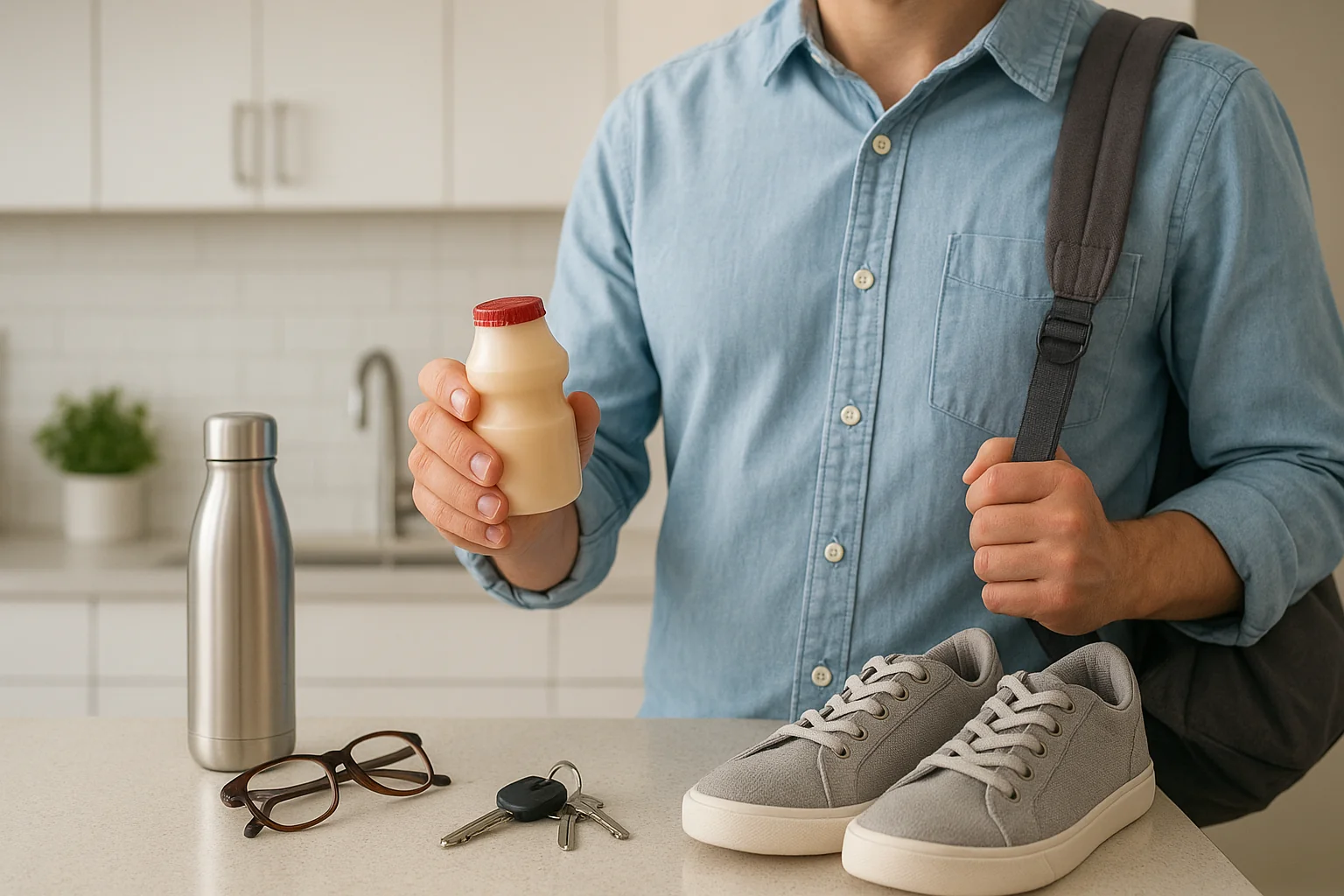
ZBiotics Review
ZBiotics is a genetically engineered probiotic marketed to reduce hangover symptoms by breaking down acetaldehyde, a toxic byproduct of alcohol metabolism. The science behind the approach is real, but the product has significant limitations and may not address what matters most about your drinking.
What You'll Discover:
• What ZBiotics is and how it claims to work.
• What the science says about acetaldehyde and hangovers.
• Whether ZBiotics actually prevents hangovers.
• The significant limitations of this approach.
• Why regularly needing hangover prevention might signal a bigger issue.
• The difference between treating symptoms and addressing drinking patterns.
ZBiotics has attracted attention in the hangover prevention market with its bioengineered probiotic approach. The product targets acetaldehyde, a toxic compound produced when your body metabolizes alcohol.
Understanding what ZBiotics actually does, what the research shows about hangovers, and whether symptom management is the right approach helps you make an informed decision about this product and about your drinking more broadly.
What Is ZBiotics?
ZBiotics Pre-Alcohol is a probiotic drink containing genetically engineered bacteria designed to break down acetaldehyde in your gut.
The product uses Bacillus subtilis bacteria that have been bioengineered to produce an enzyme that metabolizes acetaldehyde. Bacillus subtilis is a common bacteria found naturally in soil and used in food production, including in fermented soybeans and some cheeses. ZBiotics has modified this bacteria to produce aldehyde dehydrogenase, the enzyme that breaks down acetaldehyde.
You drink a small bottle before consuming alcohol, and the bacteria work in your gut to reduce acetaldehyde exposure. The company recommends taking it before your first drink, though it claims some benefit if taken up to a few hours after starting to drink.
ZBiotics is classified as a food ingredient by the FDA, not a drug. This means it wasn't required to prove effectiveness in clinical trials before going to market. The company can make claims about what the bacteria do biochemically without demonstrating that this translates to reduced hangover symptoms in controlled human studies.
The product costs approximately $36 for a three-pack, or about $12 per use. A monthly subscription reduces the cost somewhat, but it remains a significant expense for regular users.
How ZBiotics Claims to Work
ZBiotics targets acetaldehyde, one of several compounds involved in hangover symptoms.
When you drink alcohol, your body processes it in two main steps. First, your liver converts ethanol (the alcohol in drinks) to acetaldehyde using an enzyme called alcohol dehydrogenase. Acetaldehyde is significantly more toxic than ethanol. Your body then converts acetaldehyde to acetate using another enzyme called aldehyde dehydrogenase. Acetate is relatively harmless and is eventually converted to carbon dioxide and water.
The problem is that acetaldehyde exposure during this process causes unpleasant effects. Studies have linked acetaldehyde to facial flushing, increased heart rate, nausea, headache, and general malaise.
ZBiotics claims that its engineered bacteria produce aldehyde dehydrogenase in your gut, helping break down acetaldehyde before it causes symptoms. Some alcohol metabolism occurs in the gut before alcohol reaches the liver, and acetaldehyde produced in the gut can contribute to symptoms. The idea is to intercept this acetaldehyde in the gut and break it down faster.
The biochemistry here is legitimate. The bacteria do produce the enzyme. They do metabolize acetaldehyde in laboratory conditions. The question is whether this produces meaningful hangover reduction in real-world drinking conditions.
What Science Says About Acetaldehyde and Hangovers
Research from the National Institute on Alcohol Abuse and Alcoholism confirms that acetaldehyde contributes to hangover symptoms. It's a toxic compound that creates inflammation and causes direct physiological effects.
However, the relationship between acetaldehyde and hangover severity is more complex than marketing might suggest.
A review published in peer-reviewed journals found that only a few studies have reported correlations between hangover severity and acetaldehyde concentrations. The evidence linking acetaldehyde specifically to hangover severity is weaker than often assumed.
The review noted that hangovers are multifactorial. Multiple mechanisms contribute to the misery you feel the morning after drinking:
Dehydration - Alcohol suppresses vasopressin, a hormone that tells your kidneys to retain fluid. This causes increased urination and fluid loss, leading to the thirst, fatigue, and headache associated with dehydration.
Sleep disruption - While alcohol may help you fall asleep, it disrupts sleep architecture. You get less REM sleep and wake more frequently, even if you don't remember waking. This contributes to fatigue and cognitive fog.
Gastrointestinal irritation - Alcohol directly irritates the stomach lining and increases acid production. This causes the nausea and stomach discomfort common in hangovers.
Inflammation - Alcohol triggers inflammatory responses throughout the body. This systemic inflammation contributes to general malaise and may play a larger role in hangovers than previously recognized.
Congeners - Dark liquors contain more congeners, byproducts of fermentation that contribute to hangover symptoms independent of alcohol content.
Even if ZBiotics successfully reduces acetaldehyde exposure, it addresses only one piece of a complex puzzle. The other factors remain unaffected.
Does ZBiotics Actually Work?
User reports on ZBiotics are genuinely mixed.
Many users report that ZBiotics reduces hangover severity but doesn't eliminate it. Common feedback suggests that the product helps take the edge off, particularly with moderate drinking. Users might wake up feeling "not great but better than expected."
Users who drink heavily report less benefit or no noticeable difference. This makes sense given that hangovers involve multiple mechanisms beyond acetaldehyde. Heavy drinking produces more of every problematic compound and more severe effects that acetaldehyde reduction alone can't address.
The company has not published peer-reviewed clinical trials demonstrating hangover reduction in humans. A 2024 study examined potential effects on fatty liver disease but did not assess hangover symptoms. Without controlled trials measuring hangover severity in users versus placebo, the effectiveness claims remain unproven by scientific standards.
Because ZBiotics is classified as a food rather than a drug, the company is not required to prove its claims through clinical trials. The product was never evaluated by the FDA for its purported health effects.
The founder of ZBiotics has publicly acknowledged that the product "is not a get out of jail free card" and cannot promise hangover-free mornings. He's noted that hangovers involve many different symptoms from many different causes. This honesty is appreciated, but it also confirms the product's limitations.
What ZBiotics Can't Do
Understanding ZBiotics' limitations helps set appropriate expectations.
It can't prevent hangovers completely - Even if ZBiotics reduces acetaldehyde exposure perfectly, you'll still experience effects from dehydration, poor sleep, inflammation, gastrointestinal irritation, and other hangover mechanisms.
It can't protect your liver from alcohol damage - ZBiotics works in your gut, not your liver. The liver processes most alcohol, and liver damage from chronic drinking occurs regardless of gut-based interventions.
It can't make heavy drinking safe - The health risks of heavy alcohol consumption extend far beyond hangovers. Heart disease, cancer, liver disease, brain damage, increased accident risk, and mental health effects aren't affected by hangover prevention products.
It can't reduce alcohol's effects on your brain - The cognitive and emotional effects of alcohol, including impaired judgment, slowed reactions, and increased risk-taking, occur regardless of ZBiotics use. You're still intoxicated.
It can't help with alcohol dependence - If your drinking has become problematic, a product that makes drinking more comfortable might actually make things worse by removing one source of negative feedback.
It can't address the calories, sleep disruption, or next-day impairment - Even without a headache, you'll still experience alcohol's effects on your weight, your rest, and your next-day cognitive performance.
The Cost of Hangover Prevention
At approximately $12 per use, ZBiotics is expensive for regular use.
Someone who drinks twice a week and uses ZBiotics each time would spend roughly $1,250 per year on hangover prevention alone. This doesn't include the cost of the alcohol itself.
Even with subscription pricing, the annual cost exceeds $1,000 for regular users. For that investment, you're getting partial relief from one aspect of hangover symptoms, with no benefit to alcohol's other health effects.
This cost calculation raises questions about priorities. If drinking regularly enough to need hangover prevention, the money spent on ZBiotics might be better invested in addressing drinking patterns directly.
The comparison becomes even more stark when you consider that medication-assisted treatment for alcohol use disorder typically costs less per year than regular ZBiotics use while actually reducing drinking rather than just managing symptoms.
When Hangover Cures Signal Something More
If you're regularly searching for hangover prevention products, it's worth examining what that indicates.
Occasional hangovers after special events are normal. Most adults who drink have experienced them. Regularly needing products to manage hangover symptoms suggests a drinking pattern that warrants attention.
Questions to consider:
• How often do you drink enough to cause hangovers?
• Has your drinking increased over time?
• Do you feel you need alcohol for social situations, stress relief, or relaxation?
• Have you tried to cut back on drinking without lasting success?
• Would reducing drinking be easier than managing hangover symptoms?
If you're investing in ZBiotics because you drink frequently enough that hangovers are a regular problem, the drinking itself might be worth addressing.
Products that make drinking more comfortable can enable continued heavy drinking by removing one source of negative consequences. The hangover is unpleasant, but it's also feedback that your body didn't appreciate what you put it through.
Addressing Drinking Versus Managing Symptoms
ZBiotics and similar products represent a symptom management approach. They aim to reduce the negative consequences of drinking without changing the drinking itself.
This approach makes sense if you genuinely want to continue drinking at current levels and are willing to pay for marginal symptom reduction. For some people with moderate drinking patterns, occasional hangover management might be appropriate.
For others, the pattern of seeking hangover prevention reveals that drinking has become more central to life than intended. In these cases, addressing the drinking itself produces better outcomes than managing symptoms.
Medication-assisted treatment with naltrexone takes a different approach. Instead of making drinking more comfortable, naltrexone changes how alcohol affects your brain's reward system.
When you drink while taking naltrexone, alcohol produces less pleasurable feeling. Over time, this weakens the reinforcement driving continued drinking. Most people naturally reduce their consumption as drinking becomes less rewarding.
This addresses the root cause rather than the symptom. Instead of managing hangovers from heavy drinking, you drink less and experience fewer hangovers naturally.
The Sinclair Method involves taking naltrexone before drinking, allowing you to reduce consumption gradually without requiring immediate abstinence.
For people whose drinking has become a pattern they'd like to change, this approach typically costs less than regular ZBiotics use while producing lasting reduction in drinking rather than temporary symptom management.
Making the Right Choice
The right approach depends on your situation and goals.
ZBiotics might make sense if:
• You drink occasionally and moderately
• Hangovers are rare but bothersome when they occur
• You have no concerns about your drinking patterns
• You're willing to pay $12 per use for partial symptom reduction
Addressing drinking patterns might make more sense if:
• You drink regularly enough to need hangover prevention often
• Your drinking has increased over time
• You've tried to cut back without success
• You're experiencing negative consequences beyond hangovers
• The cost of regular hangover prevention seems problematic
Be honest with yourself about which category fits your situation. Products that make drinking more comfortable can delay recognition that drinking itself has become an issue.
What Actually Helps Hangovers
If you're looking for hangover relief without the cost and limitations of ZBiotics, evidence-based approaches include:
Hydration - Drinking water before, during, and after alcohol consumption helps offset alcohol's dehydrating effects. This is free and addresses one of the major hangover contributors.
Food - Eating before and while drinking slows alcohol absorption, reducing peak blood alcohol levels and giving your body more time to process the alcohol.
Time - The only thing that reliably eliminates hangover symptoms is time for your body to finish metabolizing alcohol and recover from its effects.
Sleep - Even though alcohol disrupts sleep quality, getting adequate rest helps your body recover.
Drinking less - The most effective hangover prevention is drinking less alcohol. This addresses all hangover mechanisms simultaneously and costs nothing.
None of these approaches involve purchasing specialty products. The most reliable hangover prevention is reducing consumption in the first place.
Conclusion
ZBiotics is a bioengineered probiotic that breaks down acetaldehyde, one of several compounds that contribute to hangover symptoms. The science behind its mechanism is legitimate, but its effectiveness for hangover prevention is limited and unproven in clinical trials.
The product offers partial relief from some hangover symptoms at approximately $12 per use. It cannot prevent hangovers completely, protect against alcohol's other health effects, or help with drinking patterns that have become problematic.
If you regularly need hangover prevention, it's worth examining whether addressing drinking itself would serve you better than managing symptoms. Medication-assisted treatment with naltrexone reduces drinking by changing how alcohol affects your brain, often at lower annual cost than regular ZBiotics use.
The goal isn't necessarily to never experience a hangover again. It's to have a relationship with alcohol that doesn't require constant symptom management.
Take the online Alcohol Use Assessment to see if medication-assisted treatment could help you address drinking patterns rather than just hangover symptoms.