A 2 minute assessment to get a personalized mental health or alcohol recovery plan.


Problematic drinking significantly increases the risk of workplace injuries and accidents, costing businesses billions and derailing the careers of once promising professionals.
What You’ll Learn:
• Startling statistics on alcohol-related job injuries and accidents.
• How much financial damage alcohol-related injuries cost businesses.
• Industries where alcohol-related injuries are most common.
• The serious repercussions of causing alcohol-related injuries on the job.
• How professionals can get help to reduce alcohol use and related risks.
Employees with alcohol use problems are serious liabilities. The loss of productivity that comes from drinking and hangovers is bad enough, but what’s worse is the increased risk for workplace injuries and accidents.
Statistics on Alcohol-Related Job Injuries and Accidents
There’s no denying that alcohol use impairs workers, even if they aren’t inebriated on the job. Coming in with a hangover also increases workplace risks since you’re not mentally or physically at the top of your game.
Here are some sobering statistics about alcohol-related job injuries and accidents to consider:
According to the CDC, 18% of workplace injuries can be attributed to alcohol use.
Professionals with alcohol use disorder (AUD) are 2.7 times more likely to have injury-related absences from injuries on and off the job.
Workplace injuries contribute to the $179 billion that’s lost each year due to reduced productivity related to alcohol use.
$28 billion is spent on healthcare costs related to alcohol use.
Substance abusers are up to 4x more likely to be involved in a workplace accident.
People who abuse alcohol are 5x more likely to file for workers compensation.
Industries With the Highest Rates of Alcohol-Related Injuries
Alcohol-related injuries are more common in some industries than others. It’s more likely in injuries where there are odd work hours, the work is physically demanding and stress is high.
The highest rate of alcohol-related workplace injuries is reported in:
• Hospitality/Food Service
• Mining
• Construction
• Transportation
• Warehousing
• Agriculture
• Forestry
• Fishing
Other key factors that make these industries more prone to alcohol-related injuries are heavier alcohol use among workers in general, higher tolerance for drinking, less managerial oversight and lack of policies around alcohol use on the job.
The Financial Damage Alcohol-Related Injuries Cost Businesses
If you cause a workplace injury or accident that’s related to alcohol use, it’s going to have a very negative impact on your career. For businesses, you’re simply too much of a liability. In addition to wanting to protect the wellbeing of all their employees, there are serious financial consequences for a company when there’s an alcohol-related workplace injury.
Cost of Workers Comp
The most obvious cost for a company is workers comp. If someone is injured on the job they can file a workers compensation claim. The monthly cost for workers compensation is directly tied to claims history. That means every claim that’s filed has a long-term financial effect.
Lawsuits and Legal Fees
A fair number of workplace injuries, especially ones that were preventable or the result of negligence, trigger a lawsuit against the company. Even if the company wins the lawsuit, they’ll end up paying a significant amount in legal fees.
Lost Productivity
The indirect costs of workplace injuries can be even worse for a business. When an employee is out with an injury there’s going to be a loss of productivity. If that employee happens to be a key team member there can be a major loss. In some cases, the employee is specialized or a creative that is virtually impossible to replace. They may also be part of the management team, which has a trickle down effect causing reduced productivity for their department or the people they manage.
Reputation Harm
Another indirect cost that can hit a company’s bottomline hard, is reputation harm. If it’s known that there was an alcohol-related accident at a company it could have a negative impact on generating business, winning contracts and securing funds for expanding operations. It will also be harder to attract top job candidates that would rather work for a business where there’s less risk.
Loss of Business License or Fines
A workplace injury can lead to inspections and audits. This puts a business at risk of losing it’s license to operate, or they may be subject to expensive fines.
The Serious Repercussions of Causing Alcohol-Related Injuries on the Job
With all of the potential risks and financial damage, it’s obvious why companies won’t hire someone who is misusing alcohol.
Your employer could end up suing you for damages as well as co-workers that are impacted.
Loss of Job
There’s a very good chance that you’ll be let go immediately if you cause an alcohol-related workplace injury. And often severance packages and benefits are nullified for this type of removal. Plus, it may be impossible to get unemployment benefits after being let go.
Loss of License
Some professions require licensing that can be lost if you cause an injury due to drinking. In some cases, you will no longer be allowed to get a license in the future in the state where you’re working if it’s lost due to misconduct.
Difficulty Finding a New Job
Being let go because of an alcohol-related workplace injury can make it significantly harder to find employment. Even if you are great at your job or work in a specialized field the liability is just too great for companies. Statistically, people who are let go due to alcohol use have a more difficult time finding a new job. And if you have a safety-sensitive job it can be particularly difficult.
How Professionals Can Get Help to Reduce Alcohol Use and the Related Risks
Anyone who is drinking on the job or coming into work hungover, is putting themselves and others at risk. It’s a situation that should motivate change to prevent an accident where an innocent person can be injured and your career can be harmed.
Many professionals avoid seeking out alcohol treatment because they are worried about how it could harm their careers. For some it’s the stigma, for others it’s concern over missing work.
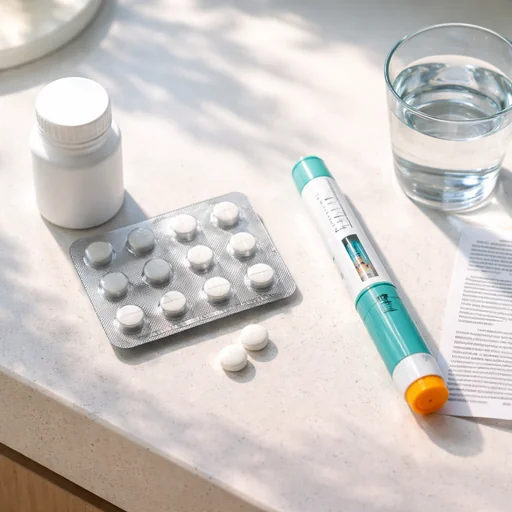
It’s important to understand that you have options for alcohol treatment that won’t harm your career. One of the best first-line treatment options in a naltrexone prescription. Naltrexone is an FDA-approved medication for alcohol use disorder (AUD).
Naltrexone has been shown to blunt the euphoric effects of alcohol by preventing the release of dopamine. This can immediately reduce the number of drinks that are consumed since there’s no buzz. It also helps to rewire the reward center of the brain so that it doesn’t associate alcohol with a feel-good effect. Once the association is gone, alcohol cravings are greatly diminished making it easier to refrain from drinking.
You can now get a naltrexone prescription online from reputable telehealth platforms like Choose Your Horizon. Virtual appointments with a qualified clinician can be fit into a busy work schedule, and it’s completely confidential. The medication is shipped to your home, making access to naltrexone medication extremely easy.
Many therapists can also provide virtual services so there aren’t work schedule limitations. Pairing cognitive behavior therapy with medication-assisted treatment has been shown to improve outcomes for people who are trying to get their alcohol consumption under control. Additionally, group therapy in the form of Alcoholics Anonymous meetings can further enhance the results. In many major metros there are AA meetings that anyone can join seven days a week.
If you’d like to take the first step toward curbing alcohol use, complete our online Alcohol Use Assessment. It uses the AUDIT-C screening technique that is used by medical professionals to assess drinking habits and make recommendations.
Statistical References: