A 2 minute assessment to get a personalized mental health or alcohol recovery plan.


Moderate drinking is linked to a lower risk of gallstones, but heavy drinking damages the liver and raises gallbladder cancer risk, so the full story has two sides.
What You'll Discover:
• What gallstones are and why they form.
• Why moderate drinking is linked to fewer gallstones.
• The harms heavy drinking does to the gallbladder and liver.
• The connection between heavy drinking and gallbladder cancer.
• Whether any of this is a reason to drink.
Most articles about alcohol and your body deliver bad news. Gallstones are the rare topic where the headline finding is genuinely surprising.
Moderate drinking is actually linked to a lower risk of gallstones. That is not a typo, and it is backed by solid research.
The catch is that this protective effect lives only at modest levels, and heavy drinking carries real harms of its own. Below we lay out both sides honestly, without hype in either direction.
What Gallstones Are
Your gallbladder is a small pouch tucked under your liver. It stores bile, a fluid that helps you digest fat, and squeezes it into your gut when you eat a meal.
Gallstones are hardened deposits that form inside that pouch. Most are made mainly of cholesterol, which is the type the alcohol research mostly concerns.
When a stone blocks the flow of bile, it causes a "gallbladder attack." That means sharp pain in the upper right belly, often after a fatty meal, sometimes with nausea.
Many gallstones cause no symptoms at all and never need treatment. Doctors often find them by accident during a scan for something else.
The ones that do cause trouble can require surgery to remove the gallbladder entirely. It is one of the most common operations performed in the United States.
How to Recognize a Gallstone Attack
Because many gallstones are silent, the first sign of trouble is often a sudden attack. Knowing what one feels like helps you act instead of waiting it out.
The hallmark is intense pain in the upper right side of your abdomen, just below the ribs. It can also settle between your shoulder blades or in your right shoulder.
Attacks often strike after a rich, fatty meal, when the gallbladder squeezes hard against a blocked outlet. The pain can last from a few minutes to several hours.
Some people also feel nauseated or throw up during an attack. Fever, chills, or yellowing of the skin are more serious signs that the bile duct may be blocked, and they call for prompt medical care.
If attacks keep coming back, doctors usually recommend removing the gallbladder. You can live a normal life without it, since bile simply flows straight from the liver into the gut.
Who Tends to Get Gallstones
Alcohol is far from the only thing that shapes gallstone risk, and the other factors help explain why the alcohol finding can feel so counterintuitive.
Gallstones are more common in women, in people over 40, and in those who carry extra weight. Pregnancy and rapid weight loss both raise the risk too.
Diet plays a big role. A pattern high in refined carbohydrates and low in fiber tends to push bile toward forming stones, while fiber and healthy fats push the other way.
Family history matters as well. If close relatives have had gallstones, your own odds are higher regardless of how much you drink.
Keeping these factors in mind is useful, because it shows that alcohol is one thread in a larger pattern, not the whole story.
The Surprising Part: Moderate Drinking and Lower Risk
Here is the finding that catches people off guard. Across large studies, people who drink moderately tend to develop fewer gallstones than people who do not drink.
A meta-analysis that pooled many cohort and case-control studies found that higher alcohol intake was associated with a lower risk of gallstone disease. The reduction was meaningful and showed up in both men and women.
The effect appears to follow a dose pattern at modest levels. One review noted that even a small daily amount of alcohol was tied to fewer symptomatic gallstones.
Here is a simple way to picture how drinking level maps to gallbladder effects.
The table makes the shape of the story clear. The benefit sits at the low end, and the harms cluster at the high end.
Why Alcohol Might Protect Against Cholesterol Stones
Researchers have a few working theories for why modest drinking lines up with fewer stones. None is fully settled, but the leading ideas make sense.
Cholesterol gallstones form when bile holds more cholesterol than it can keep dissolved. Anything that lowers the cholesterol load in bile makes stones less likely.
Moderate alcohol tends to nudge HDL, the so-called good cholesterol, upward. It may also change how the liver handles cholesterol before it reaches bile.
A detailed review of diet and cholesterol gallstone formation walks through how these metabolic factors tip bile toward or away from forming stones. Alcohol appears to sit on the protective side of that balance, at least in small amounts.
There may also be an effect on how often the gallbladder empties. A gallbladder that contracts well leaves less stagnant bile behind, and stagnant bile is where stones tend to grow.
It is worth stressing that "may" is doing real work in all of this. The studies show a consistent association, but they cannot prove that alcohol itself is the cause rather than something else moderate drinkers have in common.
Two Kinds of Stones, Two Different Stories
Part of why the alcohol question gets confusing is that not all gallstones are the same. The two main types form for different reasons, and alcohol affects them differently.
Cholesterol stones are by far the most common, making up the majority of cases. They form when bile holds more cholesterol than it can dissolve, and this is the type that moderate drinking appears to discourage.
Pigment stones are made from bilirubin, a breakdown product of red blood cells. They are more common in people with liver disease, and this is where heavy drinking does its damage.
So when you read that alcohol "lowers" gallstone risk, that refers mainly to cholesterol stones at moderate intake. When you read that it "raises" risk, that points to pigment stones in heavy drinkers with liver harm.
Holding both facts at once is the only way to make sense of the research. The type of stone and the amount of alcohol decide which way the effect runs.
The Other Side: Heavy Drinking Harms
Now the honest counterweight. The protective finding does not extend to heavy drinking, and it is not the whole picture.
Heavy drinking is hard on the liver, the very organ that makes your bile. As the liver becomes inflamed and scarred, the quality and chemistry of bile change.
That damage can actually promote a different kind of stone. In people with cirrhosis and chronic heavy drinking, pigment stones, made from bile components rather than cholesterol, become more common.
So the heavy drinker does not get the protection seen at moderate levels. They trade a possible drop in cholesterol stones for liver harm and a different stone risk.
If you are worried about your liver, our guide to alcohol-related liver symptoms covers the early warning signs to watch.
Heavy Drinking and Gallbladder Cancer
This is the part that matters most when weighing the supposed upside of drinking. Heavy alcohol use is linked to a higher risk of gallbladder and biliary tract cancer.
A large pooling project of prospective studies found that heavy drinking was associated with increased biliary tract cancer risk. The risk rose with the amount consumed.
The gallbladder, bile ducts, and liver all share the same plumbing, so damage in one place tends to ripple into the others. That shared anatomy is part of why heavy drinking touches so many of these conditions at once.
Gallbladder cancer is uncommon, but it is also aggressive and often caught late. Anything that raises the risk deserves real weight in the decision.
This is the clearest reason why a modest drop in gallstone risk is not a green light to drink heavily. The trade is not a good one.
There is also overlap between the conditions. Long-standing gallstones and chronic inflammation of the gallbladder are themselves risk factors for cancer, so the picture compounds rather than cancels out.
So Should You Drink for Your Gallbladder
The short answer is no. A lower risk of gallstones is not a reason to start drinking or to drink more.
The protective effect is modest, and gallstones are usually treatable. The harms at the other end, including liver damage and cancer risk, are far more serious.
No major health body recommends drinking for any health benefit. The risks of alcohol across the whole body outweigh a narrow upside for one organ, every single time.
If you already drink lightly and enjoy it, this research is reassuring rather than alarming for your gallbladder. If you drink heavily, the gallstone angle should not factor into staying that way.
The smarter frame is to look at your overall health. Your liver, kidneys, heart, and brain all do better with less alcohol, and the gallbladder benefit is too small to change that math.
If you want to lower gallstone risk without alcohol, the better levers are diet and weight. A diet rich in fiber, healthy fats, and steady meals does far more for your gallbladder than any drink, with none of the downsides.
What Cutting Back Does for the Rest of You
If your drinking has crept into the heavy range, the upsides of cutting back reach far beyond any single organ.
Your liver gets a chance to recover, your kidneys work under less strain, and your cancer risk across several sites drops. We cover the kidney side of this in our guide to alcohol and kidney health.
Eating well supports all of it. The same choices that protect your liver tend to help your whole digestive system, and our roundup of the best foods for the liver is a practical place to start.
Cutting back is hard to do on willpower alone, especially when cravings are strong. That is where medical support can make the difference.
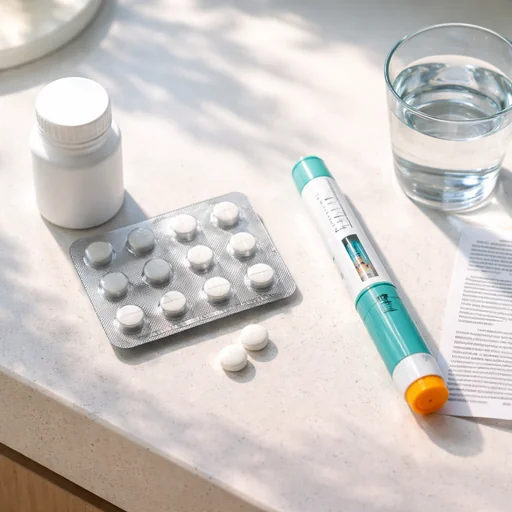
Naltrexone is an FDA-approved oral medication, taken as a 50mg tablet, that blunts the rewarding buzz alcohol gives the brain. Over a few weeks, that makes it easier to drink less without fighting every urge.
People reach for it for plenty of reasons, and the benefits of drinking less show up across mood, sleep, weight, and long-term health.
It is also not about labels or hitting rock bottom. Plenty of people use naltrexone simply because they want their drinking to stop running the show, whatever their starting point looks like.
Conclusion
The gallstone story is genuinely two-sided. Moderate drinking is linked to a lower risk of cholesterol gallstones, likely through its effects on cholesterol and bile.
That benefit does not survive heavy drinking, which harms the liver, changes bile chemistry, and raises the risk of gallbladder cancer. The trade-off is not worth it.
None of this is a reason to drink for your health. If anything, it is a reminder that "less" is the direction that protects you across the board.
Frequently Asked Questions
Does alcohol cause gallstones?
Moderate drinking is actually linked to a lower risk of cholesterol gallstones. Heavy drinking is different and can harm the liver and promote pigment stones, so the effect depends on the amount.
Can I drink alcohol if I have gallstones?
If you already have gallstones, talk to your doctor, since alcohol can still irritate the liver and digestion. The protective research applies to forming stones, not to managing ones you already have.
Why does moderate drinking lower gallstone risk?
The leading theory is that moderate alcohol raises HDL cholesterol and changes how the liver handles cholesterol, leaving less of it to crystallize in bile. The gallbladder may also empty more completely.
Does alcohol raise gallbladder cancer risk?
Heavy drinking is linked to a higher risk of gallbladder and biliary tract cancer, and the risk rises with the amount consumed. This is one of the clearest harms at the heavy end.
Should I start drinking to prevent gallstones?
No. The protective effect is modest and gallstones are usually treatable, while the broader harms of alcohol are serious. No health authority recommends drinking for any benefit.
Your gallbladder is just one small part of a much bigger picture. Across the whole body, less alcohol is what protects you.
If you want help drinking less, you can take an online Alcohol Use Assessment to see whether Choose Your Horizon's naltrexone program is a good fit for you.