A 2 minute assessment to get a personalized mental health or alcohol recovery plan.

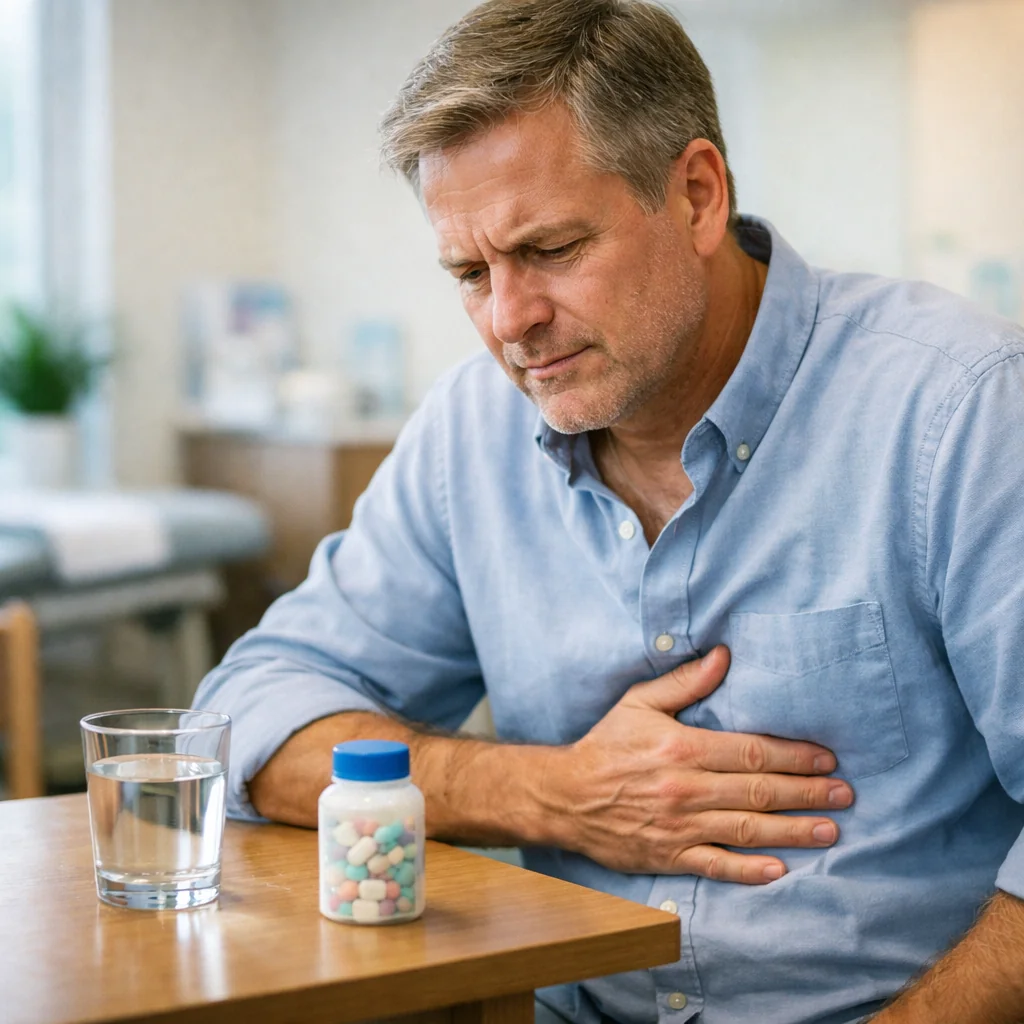
That burning, queasy feeling in your stomach after drinking is often gastritis, and the lining can heal once you ease the load of alcohol on it.
What You'll Discover:
• How alcohol inflames and erodes the stomach lining.
• The difference between acute and chronic gastritis.
• Which symptoms point to gastritis versus something else.
• How H. pylori and alcohol make each other worse.
• How long the stomach takes to heal after you cut back.
A burning ache in the upper belly. Nausea that lingers the morning after. A bloated, queasy feeling that shows up whenever you drink. These are the everyday signs of an irritated stomach lining.
When drinking is part of the picture, the likely culprit is gastritis. Gastritis is inflammation of the stomach lining, and alcohol is one of the most common triggers.
The reassuring part is that the stomach lining is built to repair itself. Give it a break from the irritation and it usually heals. The harder part is that constant exposure keeps the damage going.
If your stomach has been bothering you and drinking seems to set it off, you are not imagining the link. Alcohol and the stomach lining have a well-documented, often uncomfortable relationship.
This guide walks through why it happens and what genuinely helps it settle.
What Gastritis Is and How Alcohol Causes It
Your stomach lining has a tough job. It holds strong acid that breaks down food, while protecting itself with a layer of mucus so the acid does not digest the stomach itself.
Gastritis happens when that balance breaks down and the lining gets inflamed. The protective layer thins, acid reaches the tissue underneath, and the result is irritation, redness, and sometimes small erosions.
Alcohol attacks this system from several angles at once. The StatPearls clinical reference on gastritis describes how a damaged mucosal barrier and reduced protective mucus leave the lining exposed.
Alcohol makes direct contact with the lining as it passes through. That contact is irritating on its own, and stronger drinks irritate more.
It also chips away at the defenses. Research on alcohol's role in gastrointestinal tract disorders notes that ongoing alcohol exposure leads the stomach to produce less of the mucus that normally shields it from acid.
On top of that, alcohol can stir up acid production and slow the muscle movement that empties the stomach. More acid sitting longer against a weaker barrier is a recipe for inflammation.
The deeper chemistry matters too. A review of ethanol-induced gastric mucosal injury describes how alcohol triggers oxidative stress in the lining, which can lead to swelling, shedding of surface cells, and bleeding lesions.
Concentration plays a role in how much harm alcohol does. Higher-proof drinks bring the lining into contact with stronger alcohol, which tends to irritate more than the same amount spread across weaker drinks.
Drinking on an empty stomach also removes the buffer that food provides.
None of this means one drink ruins your stomach. It means the pattern matters. Frequent heavy drinking, strong spirits, and skipped meals all push the lining toward inflammation, while moderation and food work the other way.
Acute Versus Chronic Gastritis
Gastritis comes in two broad forms, and the difference shapes both how it feels and how it heals. One is a short, sharp flare. The other is a slow, grinding problem.
Acute gastritis is sudden inflammation, often after a heavy drinking session or a bout of irritation. It can feel intense but usually settles once the trigger is removed.
Chronic gastritis builds over time with repeated exposure. The inflammation becomes a steady state, and over years it can thin the lining in ways that take longer to reverse.
Here is a side-by-side look at the two.
The table is a general guide. Plenty of people have a mix, with a chronic background that flares into acute episodes after a rough night.
One quirk of chronic gastritis is that it can be quiet. Some people have very few symptoms even with real inflammation, which is part of why it goes unaddressed for so long.
Over a long time, chronic inflammation can also thin the lining in a pattern doctors call atrophic gastritis. When the lining shrinks back, it can produce less acid and absorb certain nutrients less well, including vitamin B12.
That is one reason longstanding gastritis is worth taking seriously rather than just riding out.
The practical line between the two forms is exposure. An acute flare is usually a single insult the body can recover from quickly. Chronic gastritis is the result of that insult repeating until the lining cannot keep up.
Symptoms to Watch For
Gastritis symptoms overlap with a lot of other stomach issues, so they are not proof on their own. Still, a few patterns are common enough to recognize.
The most frequent ones include:
• A burning or gnawing pain in the upper belly
• Nausea, sometimes with vomiting
• Bloating or a feeling of fullness after just a little food
• A loss of appetite
• Discomfort that worsens during or after drinking
Many people also notice their stomach symptoms blur with heartburn. Alcohol relaxes the valve at the top of the stomach, which is why reflux and gastritis often travel together, as we explain in our guide to alcohol and acid reflux.
If your main complaint is cramping rather than burning, that can point to the intestines as well as the stomach. We break down those overlapping causes in our piece on abdominal cramping after drinking.
The takeaway is not to self-diagnose, but to take the pattern seriously. Symptoms that keep returning whenever you drink are worth paying attention to.
The H. Pylori Connection
Alcohol is not the only thing that inflames the stomach lining. A bacterium called Helicobacter pylori, or H. pylori, is the single most common cause of chronic gastritis worldwide.
H. pylori burrows into the protective mucus layer and irritates the lining from within. The StatPearls reference on Helicobacter pylori describes it as the predominant cause of gastritis and a major driver of stomach ulcers.
Here is where it gets important for drinkers. If you have both H. pylori and heavy alcohol use, you have two forces hitting the same lining. The infection weakens the barrier, and alcohol exploits the opening.
That combination raises the odds of more stubborn inflammation and ulcers. It also means that cutting back on alcohol, while very helpful, may not fully fix things if an untreated infection is also present.
This is one reason a clinician visit matters. A simple test can check for H. pylori, and if it is there, a course of treatment can clear it. Alcohol reduction and infection treatment work better together than either alone.
Testing for H. pylori is straightforward and noninvasive in most cases. A breath test, a stool test, or a blood test can detect it, and treatment is usually a short course of antibiotics paired with an acid-lowering medication.
Clearing the infection often resolves the chronic inflammation it was driving.
It is worth knowing that not everyone with H. pylori has symptoms, and not all gastritis is caused by it. Alcohol can inflame a perfectly H. pylori-free stomach.
The point of testing is simply to find out which factors are in play for you, so the right ones get addressed.
How Long the Stomach Takes to Heal
The good news threaded through all of this is that the stomach lining regenerates quickly when it gets the chance. It is one of the fastest-healing tissues in the body.
For a mild acute flare, easing off alcohol and other irritants often brings relief within days to a couple of weeks. The lining rebuilds its protective layer once the assault stops.
Chronic gastritis takes longer. When inflammation has been present for months or years, the lining needs more time, and recovery is measured in weeks to months of consistently lower exposure.
Healing also depends on removing all the irritants, not just some. Alcohol, certain pain relievers, smoking, and untreated H. pylori can each keep the fire going. Pulling back on the alcohol is usually the biggest lever a person controls directly.
Supporting the gut more broadly helps too. Steadier eating, hydration, and a calmer digestive system all give the lining a better environment to recover, which we cover in our guide to alcohol and gut health.
A few simple habits can speed things along while the lining mends. Eating smaller, regular meals keeps acid from pooling in an empty stomach.
Going easy on very spicy or acidic foods, coffee, and tobacco reduces the extra irritation that can slow healing.
A clinician may also suggest acid-lowering medication for a stretch, which gives the lining a quieter environment to rebuild in. These steps support recovery, but they work best when the underlying alcohol exposure comes down at the same time.
Red Flags That Need Urgent Care
This article is educational, not a substitute for medical care. Most gastritis is uncomfortable rather than dangerous, but a few warning signs mean you should seek care quickly.
Get prompt medical attention if you notice any of the following.
• Vomiting blood, or material that looks like coffee grounds
• Black, tarry stools, or visible blood in stool
• Severe or worsening stomach pain
• Lightheadedness, weakness, or a racing heart along with stomach symptoms
These can signal bleeding in the stomach, which is a medical emergency. Black stools in particular often mean blood has been digested on its way through, and that needs evaluation right away.
Even without those red flags, see a clinician if symptoms last more than a week, keep coming back, or interfere with eating. Persistent gastritis deserves a real workup rather than ongoing guesswork.
Cutting Back Gives Your Stomach a Break
Every path to a calmer stomach runs through the same place. Reducing alcohol takes the steady irritation off the lining and lets it do what it does best, which is heal.
That does not have to mean quitting cold turkey. Even meaningful reductions ease the load, and you do not need to hit some breaking point to deserve relief.
The wider benefits add up fast. Better sleep, more stable energy, and a settled gut tend to follow when intake drops, as we cover in our look at the benefits of drinking less alcohol.
For many people the sticking point is the cravings, not the desire to change. That is where medical support can make the difference between trying and sticking with it.
Naltrexone is an FDA-approved oral medication that lowers the urge to drink by dampening alcohol's reward. It makes cutting back feel less like a daily battle of willpower, which helps the reductions actually last.
It is one tool among several, used alongside changes to routine and habits. Paired together, they give your stomach the steady break it needs to recover.
The reason this approach tends to work is that gastritis healing depends on consistency. A few good days followed by a heavy night keeps restarting the irritation.
Lowering cravings makes it easier to hold a steadier, lower baseline that actually lets the lining catch up.
You also get to define what success looks like. For some people that means quitting, for others it means drinking far less and far less often.
The stomach responds to less alcohol either way, so the goal that fits your life is the right one to aim for.
The Bottom Line
That burning, bloated, queasy feeling after drinking is often gastritis, your stomach lining inflamed by alcohol's direct irritation and its hit to your natural defenses. It comes in a quick acute form and a slow chronic one.
The encouraging news is that the lining heals well once the irritation lets up, often in days for mild cases and weeks to months for longstanding ones. Treating H. pylori, if present, helps the recovery stick.
Cutting back is the single most useful step you can take, and you do not have to do it perfectly or all at once. Wanting an easier path forward is reason enough to look at your options.
Frequently Asked Questions
Can alcohol gastritis go away on its own?
Mild gastritis often settles within days to a couple of weeks once you stop the irritation, including alcohol. Chronic or severe cases take longer and may need medical treatment.
What does alcohol gastritis feel like?
It usually feels like a burning or gnawing pain in the upper belly, often with nausea, bloating, or fullness. The discomfort frequently worsens during or after drinking.
Should I worry about black or bloody stools?
Yes, those are red flags. Black, tarry stools or blood can mean bleeding in the stomach, which needs urgent medical care right away.
Does H. pylori make alcohol gastritis worse?
It can. H. pylori inflames the lining on its own, and combined with alcohol it raises the risk of stubborn gastritis and ulcers. Testing and treating the infection helps.
How long after quitting drinking will my stomach feel better?
Many people feel relief within one to two weeks of cutting back. A lining damaged over years can take several months of lower intake to fully settle.
If you are ready to give your stomach a real break, take a few minutes to complete Choose Your Horizon's online Alcohol Use Assessment and see if naltrexone could be a good fit for you. Start your assessment here.