A 2 minute assessment to get a personalized mental health or alcohol recovery plan.


Alcohol awareness means understanding how drinking affects your body, recognizing risk levels, and knowing what options exist if you want to make changes.
What You'll Discover:
• What alcohol awareness means beyond annual campaigns.
• How alcohol affects your body and brain at a biological level.
• The specific health risks associated with different drinking levels.
• What constitutes low-risk drinking vs problematic drinking.
• How to recognize warning signs in your own patterns.
• How to assess your relationship with alcohol objectively.
• What options exist if you decide to make changes.
According to the Centers for Disease Control and Prevention, excessive alcohol use is responsible for more than 140,000 deaths in the United States each year. Yet research shows that only 37% of adults know that alcohol increases cancer risk. This gap between how common alcohol problems are and how little most people understand about them is what alcohol awareness addresses.
This article covers what you need to know about alcohol, from how it affects your body to how you can evaluate your own drinking patterns.
What Alcohol Awareness Actually Means
Alcohol awareness is often associated with Alcohol Awareness Month, which takes place every April. But awareness as a personal practice goes beyond annual campaigns and public health messaging.
The first thing to know is that alcohol awareness means having accurate, practical information about several topics:
• How alcohol affects your body at a biological level
• What the actual health risks are at different consumption levels
• What constitutes low-risk, moderate, and heavy drinking
• How to recognize when drinking has become problematic
• What options exist if you want to make changes
Many people drink without ever learning this information. They may know that "drinking too much" is bad, but they don't know what "too much" actually means in terms of standard drinks per week. They may have heard alcohol affects the liver, but they don't understand the mechanisms involved.
Building genuine awareness closes these knowledge gaps and allows you to make informed decisions about your own drinking.
How Alcohol Affects the Body
When you drink alcohol, it follows a predictable path through your body. Understanding this process helps explain both the immediate effects and the long-term consequences of drinking.
Absorption - Alcohol passes through the stomach lining and small intestine into your bloodstream. This happens quickly, usually within minutes. Drinking on an empty stomach speeds absorption; eating before or while drinking slows it down.
Distribution - Once in the blood, alcohol travels to every organ and tissue in your body. It crosses the blood-brain barrier easily, which is why mental effects are so pronounced. Blood alcohol concentration (BAC) rises as you drink and falls as your body processes the alcohol.
Metabolism - The liver processes about 90% of the alcohol you consume, breaking it down at a fairly constant rate of about one standard drink per hour. The liver converts alcohol into acetaldehyde, a toxic compound, and then into acetate, which the body can eliminate. This process is what determines how long alcohol stays in your system.
Brain effects - Alcohol enhances the effects of GABA, an inhibitory neurotransmitter that slows brain activity. This is what produces the relaxed, sedated feeling. Alcohol also triggers dopamine release in the reward center of the brain, creating pleasurable sensations. These dopamine surges are part of what makes alcohol habit-forming.
So, why do people feel different effects from the same amount of alcohol? The answer involves several factors: body weight, biological sex, whether you've eaten, how quickly you're drinking, genetics, and tolerance developed from regular drinking. A 120-pound woman will generally feel more effect from two drinks than a 200-pound man.
For more on how alcohol specifically affects brain function, see our article on effects of alcohol on the brain.
Health Risks of Alcohol Consumption
Alcohol awareness includes understanding the specific health risks associated with drinking. These risks exist on a spectrum based on how much and how often you drink.
Cancer risk - The World Health Organization classifies alcohol as a Group 1 carcinogen, the same category as tobacco. Alcohol consumption increases the risk of several cancers:
• Mouth, throat, and esophagus - Risk is 2-3 times higher in regular drinkers
• Liver cancer - Often develops from alcohol-related cirrhosis
• Breast cancer - Each drink per day increases risk by about 7-10%
• Colorectal cancer - Heavy drinking significantly increases risk
More than 20,000 people die from alcohol-related cancers each year in the United States. The connection between alcohol and cancer is well-established in research but poorly understood by the public.
Liver disease - The liver processes most of the alcohol you consume, and chronic heavy drinking causes progressive damage. This typically progresses through stages:
• Fatty liver - Fat accumulates in liver cells. Reversible if drinking stops.
• Alcoholic hepatitis - Inflammation damages liver tissue. Can improve if drinking stops.
• Cirrhosis - Scar tissue replaces healthy tissue. Permanent, but progression stops if drinking stops.
Cardiovascular effects - Heavy drinking is associated with high blood pressure, cardiomyopathy (weakening of the heart muscle), arrhythmias, and increased stroke risk. The relationship between moderate drinking and heart health is more complex and has been debated in recent research.
Brain effects - Chronic alcohol use can cause cognitive impairment, memory problems, and structural changes in the brain. A study from the University of Oxford found that people who drank 4 or more drinks daily had nearly 6 times the risk of hippocampal shrinkage compared to non-drinkers.
Mental health - While people often drink to relieve stress or anxiety, chronic alcohol use typically worsens mental health over time. If it seems like alcohol helps with anxiety but things have gotten worse overall, that's because alcohol provides temporary relief while disrupting the brain chemistry that regulates mood.
Understanding Drinking Levels
A key component of alcohol awareness is understanding what different drinking levels mean. Terms like "moderate" and "heavy" drinking have specific definitions that many people don't know.
Standard drink - One standard drink contains about 14 grams of pure alcohol. This equals:
• 12 ounces of regular beer (5% alcohol)
• 5 ounces of wine (12% alcohol)
• 1.5 ounces of distilled spirits (40% alcohol)
Something to consider is that many drinks served at bars or poured at home exceed these amounts. A large glass of wine might be 8 or 9 ounces, which is nearly 2 standard drinks. A strong cocktail can contain 2 or 3 standard drinks. A craft beer at 8% alcohol contains more alcohol than a standard 5% beer.
Low-risk drinking guidelines - According to the National Institute on Alcohol Abuse and Alcoholism, moderate drinking is defined as up to 1 drink per day for women and up to 2 drinks per day for men. Staying within these limits is associated with lower risk of alcohol-related problems.
Heavy drinking - The CDC defines heavy drinking as 8 or more drinks per week for women and 15 or more for men. At these levels, health risks increase substantially.
Binge drinking - Consuming 4 or more drinks (women) or 5 or more drinks (men) within about 2 hours. Binge drinking puts immediate stress on the body and brain, even if it doesn't happen daily.
A good example of how these definitions apply: Someone who has 2 glasses of wine with dinner every night might feel their drinking is moderate. But if those are large pours of 8 ounces each, that's actually 3-4 standard drinks per night, or 21-28 drinks per week, which falls into the heavy drinking category.
Recognizing Problematic Drinking Patterns
Alcohol awareness also means being able to recognize when drinking has become problematic. Several warning signs can indicate a developing issue:
Behavioral signs:
• Drinking more than intended - You plan to have 2 drinks and consistently have 4 or more.
• Failed attempts to cut back - You've tried to reduce drinking but keep returning to previous levels.
• Time spent on alcohol - Significant time goes to drinking, recovering from drinking, or thinking about drinking.
• Neglecting responsibilities - Work, family, or personal obligations suffer because of alcohol.
• Continuing despite problems - You keep drinking even though it has caused relationship, health, or financial issues.
Physical signs:
• Tolerance - Needing more alcohol to feel the same effects.
• Withdrawal symptoms - Anxiety, shakiness, sweating, or nausea when not drinking.
• Sleep disruption - Relying on alcohol to fall asleep but experiencing poor sleep quality.
Psychological signs:
• Drinking to cope - Using alcohol to manage stress, anxiety, sadness, or boredom.
• Preoccupation - Thinking frequently about drinking or planning around it.
• Defensiveness - Becoming angry or dismissive when someone mentions your drinking.
The presence of these signs doesn't necessarily indicate severe alcoholism. Alcohol problems exist on a spectrum from mild to severe. But noticing warning signs early provides an opportunity to address patterns before they become more entrenched.
Our article on symptoms of alcohol addiction covers warning signs in more detail.
Assessing Your Own Drinking
Alcohol awareness becomes practical when you apply it to your own situation. Several approaches can help you evaluate your relationship with alcohol objectively.
Track your consumption - For 2 to 4 weeks, keep a record of every drink you have. Note what you drank, the actual amount in ounces, when you drank, and the circumstances. Many people are surprised to find they drink more than they realized when they count standard drinks rather than "glasses."
Use a screening tool - The AUDIT (Alcohol Use Disorders Identification Test) is a 10-question assessment that provides an objective evaluation. Scores of 8 or higher suggest drinking may be problematic. Scores of 16 or higher indicate harmful drinking. You can find this assessment online through various health organizations.
Ask honest questions - Consider:
• Do I regularly drink more than I intend to?
• Have I tried to cut back and been unable to?
• Has anyone expressed concern about my drinking?
• Does my drinking affect my work, relationships, or health?
• Do I feel uncomfortable when alcohol won't be available?
Compare to guidelines - Calculate your average weekly consumption in standard drinks. Compare this to the guidelines: up to 7 drinks per week for women, up to 14 for men. If you're consistently exceeding these levels, your drinking falls outside the low-risk category.
For a more detailed framework, see our article on understanding alcohol use disorder.
What to Do With This Awareness
If your alcohol awareness has led you to conclude that you'd like to make changes, several options exist depending on your situation.
Set specific, measurable goals - Vague intentions like "drink less" rarely work. Concrete goals are more effective: "no more than 2 drinks when I go out," "no drinking Monday through Thursday," or "no alcohol this month."
Remove alcohol from your environment - Not keeping alcohol at home eliminates the option of impulse drinking. This simple change is surprisingly effective.
Talk to a healthcare provider - A doctor can assess your situation, check for any health impacts, and discuss treatment options. This is especially important if you've been drinking heavily and are concerned about withdrawal, which can be medically serious for heavy, long-term drinkers.
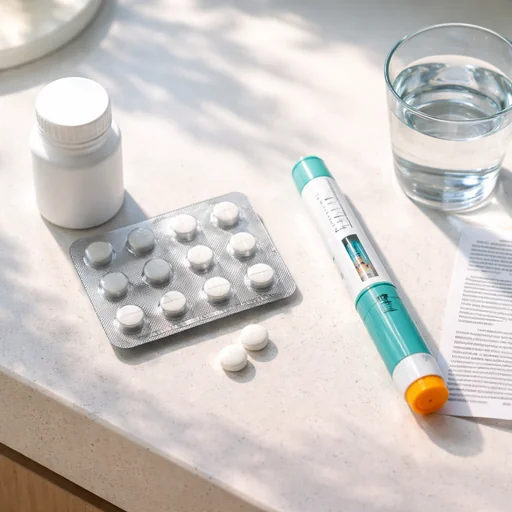
Consider medication - Naltrexone is an FDA-approved medication that reduces alcohol cravings and the rewarding effects of drinking. It's taken as a daily 50mg tablet and can make cutting back significantly easier.
Naltrexone works by blocking opioid receptors in the brain. When you drink with naltrexone in your system, you don't get the same pleasurable dopamine response. Over time, this breaks the learned association between alcohol and reward, reducing cravings naturally.
Get support - Whether through a therapist, coach, support group, or trusted friend, having accountability improves outcomes. For that reason, programs like Choose Your Horizon combine medication with coaching support.
Our article on how naltrexone helps you regain control explains medication options in more detail.
Taking the Next Step
Alcohol awareness provides the foundation for making informed choices about drinking. Whether you conclude that your drinking is within healthy limits, that you want to cut back, or that you need significant help, having accurate information makes those decisions possible.
If you want to assess your drinking patterns and explore your options, take the online Alcohol Use Assessment to see if naltrexone could be a good fit.