A 2 minute assessment to get a personalized mental health or alcohol recovery plan.


There can be a few reasons why anxiety increases when you stop drinking. Understanding what’s behind the anxiety can help you get it under control along with your alcohol consumption.
What You’ll Learn:
• Increased anxiety from having less alcohol in your system.
• Heightened anxiety from losing a coping mechanism.
• Anxiety connected to establishing new habits and routines.
• Healthy ways to control anxiety once you stop drinking.
Are you feeling anxious about the idea of quitting alcohol? If so, it’s a totally normal response. Stopping after chronic alcohol use can cause anxiety to temporarily increase whether or not you dealt with anxiety prior to drinking.
The anxiety issue is both physical and psychological. The more you understand why anxiety increases, the easier it is to control it in a healthy way while you curb your drinking.
Anxiety That Comes From Alcohol Detox
People who drink regularly are effectively training their body to operate with alcohol in their system. Alcohol is a known central nervous system depressant. That means it has a calming effect that the brain can get used to. As the brain adapts, it ends up overproducing stimulating neurochemicals.
Once you stop drinking alcohol the brain is still producing an abundance of stimulating chemicals. But now you aren’t getting the artificial boost of GABA and glutamate suppression from alcohol, which can cause anxiety to surge during the detox period and increase the risk of relapse.
GABA is a neurochemical that creates a sense of relaxation and calm. Glutamate is a neurotransmitter that provides energy and can make you more excitable.
The result: when alcohol use ceases there’s a deficit of GABA and a surplus of glutamate. You’re in a state of mental hyperactivity.
A study involving MRI data has also found that early on in abstaining from alcohol use there are changes in a region of the brain known as the bed nucleus of the stria terminalis (BNST). The BNST is associated with anxiety response. Chronic alcohol users who were in the early stages of sobriety were found to have weaker functional connection in the BNST. It was particularly notable in women.
This is the exact opposite of what you want if you’re struggling with anxiety. At the same time, if you don’t get drinking under control, the brain changes will only become more engrained making it more difficult to control anxiety without alcohol.
Anxiety From Losing a Coping Mechanism For Controlling It
Many people who use alcohol to soothe anxiety and then decide to quit drinking do so because they understand it’s an unhealthy crutch that is masking the problem rather than helping to solve it. That alone can create a sense of anxiety knowing that what you’ve used as a coping mechanism is no longer an option.
The anxiety that was soothed by drinking is replaced by anxiety over not being able to drink. It can create a sense of feeling like you can’t function without alcohol. Without it you’ll certainly be left to face the anxiety and have to confront the issue.
Anxiety From Changing Your Lifestyle, Habits and Routines
Quitting alcohol can be quite a transition for people who chronically drink. There is a sense of stability and reliability in daily habits, even if they aren’t healthy. So when you first stop drinking it can feel like a disruption that then leads to anxiety.
This is one reason why gradually reducing alcohol might be better for some people rather than suddenly stopping. If you’re the type of person who feels calmer when there’s consistency and a regular routine, this can give you a buffer period to make adjustments slowly so that the process feels manageable rather than overwhelming.
Healthy Ways to Control Anxiety When You Take Control of Your Drinking
Anyone who wants to significantly reduce or quit drinking but is concerned about anxiety should know that the increase in anxiety is temporary. For most people the heightened anxiety levels out in a few days to a few months. Knowing it’s a natural part of the process is reassuring enough to curb some of the anxiety.
There are also things you can do to control your anxiety in healthy ways during the early stages of sobriety when your brain chemicals haven’t leveled back out yet.
Don’t Stop Taking Naltrexone
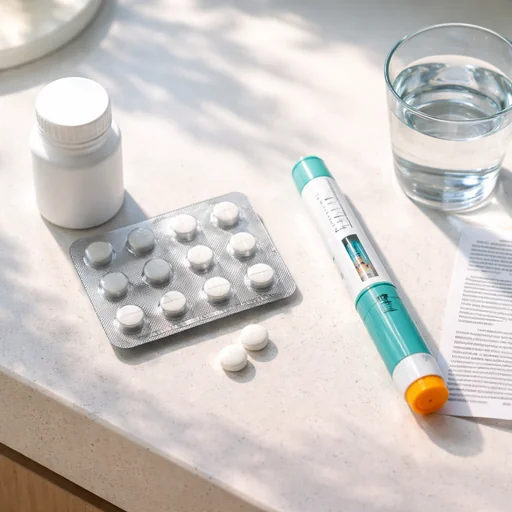
Naltrexone is a prescription medication that’s a proven medication-assisted treatment for alcohol use disorder. It’s considered to be extremely safe with only a small percent of people experiencing side effects that are typically present in only the first few weeks of starting the medication.
Unfortunately, some people who experience heightened anxiety stop taking naltrexone thinking that the medication is the source of the problem when it’s more likely from the absence of alcohol.
Start Incorporating Healthier Habits Right From the Start
It can help to replace alcohol with a healthier habit that can also keep anxiety under control. Exercise is a highly recommended replacement. Physical activity is known to boost GABA, making exercise an excellent stand in for alcohol. Instead of hitting a bar or the liquor store after work, make hitting the gym your new habit.
If you’re looking for something a little less active for later in the day or the early morning, yoga and meditation can also increase GABA production. The two activities can also be done just about anywhere without any equipment.
Make Getting Good Sleep a Priority
Poor sleep is a serious anxiety inducer. If you have insomnia you are 17 times more likely to experience anxiety.
Sleep disruption is another way that alcohol can make anxiety worse while you’re drinking and shortly after stopping. Even though you may fall asleep, drinking causes low quality sleep. You won’t get into deep sleep, are more likely to wake in the middle of the night and sleep deprivation makes it near impossible to control your emotions.
The more you focus on improving your sleep, the less anxious you’ll be. Plus, sleeping more means there’s fewer waking hours filled with anxiety.
Use Anti-Anxiety Medication If Prescribed
There are a number of anti-anxiety medications that can be prescribed for people with clinically diagnosed anxiety. You may want to consider taking anti-anxiety medication at the start when your brain is still adjusting, and you could use the extra support.
Get Help From a Therapist
The anxiety is never going to subside with or without alcohol unless you address it directly. Getting sober is step one, but seeking out help from a therapist is a close second for many people. Understanding where the anxiety comes from and what triggers it will help you learn how to overcome it in a healthy way. It’s an empowering way to gain a sense of control over the situation and make real progress that supports sobriety.
If you feel like it’s time to make changes so that you can experience less anxiety and gain a true sense of calm, then take the Alcohol Use Assessment. The evaluation will provide you with a better understanding of how alcohol could be making anxiety worse and what you can do about it.