A 2 minute assessment to get a personalized mental health or alcohol recovery plan.

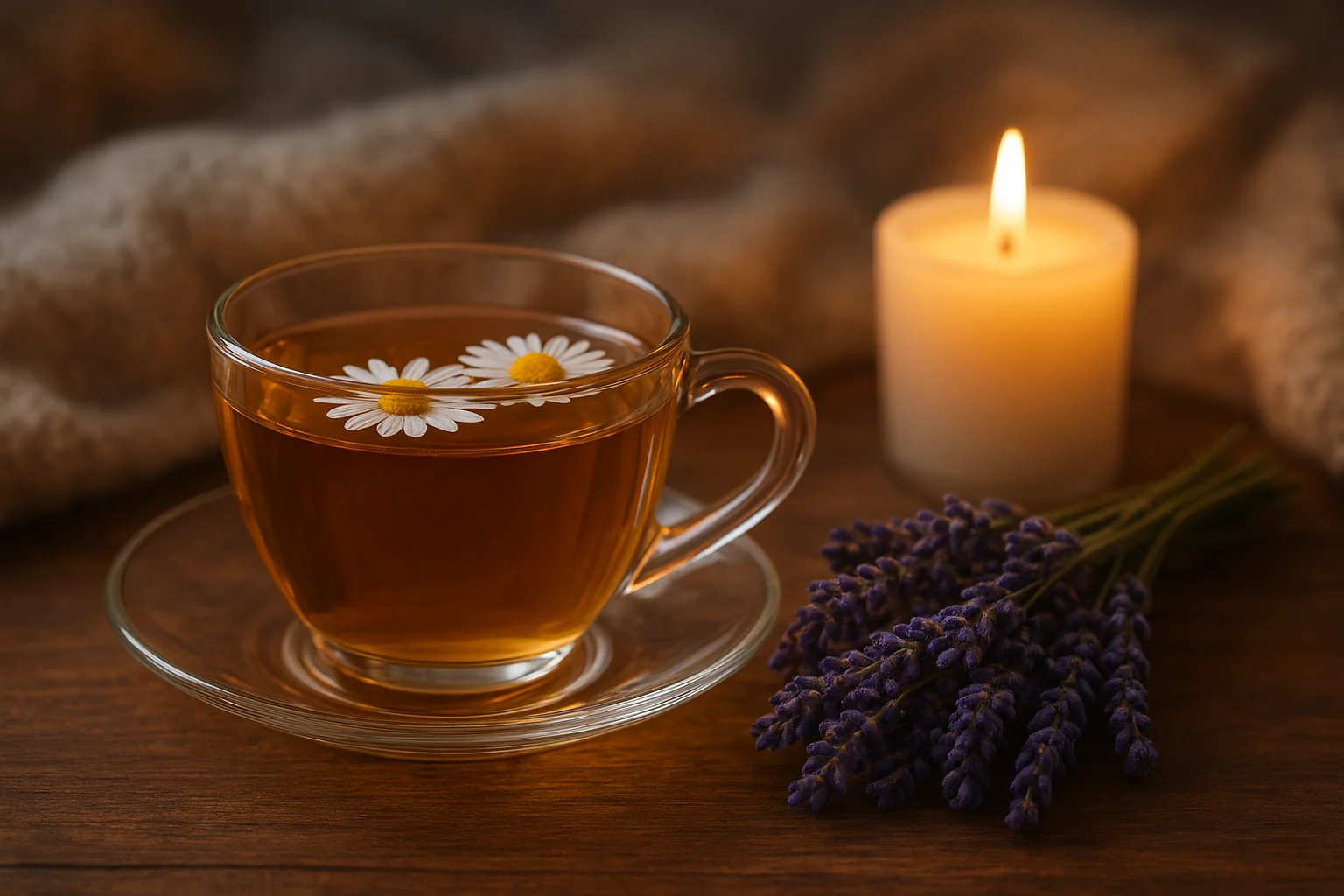
Want the relaxation without the alcohol? These beverages provide genuine calming effects through different mechanisms.
What You'll Learn:
• How alcohol creates its relaxation effect (and why it backfires long-term).
• Non-alcoholic drinks with documented calming properties.
• The science behind herbal, adaptogenic, and functional beverages.
• How to create an alcohol-free relaxation ritual that actually works.
One of alcohol's strongest appeals is its immediate relaxation effect. The after-work drink that takes the edge off. The nightcap that helps you unwind before sleep. For many people trying to reduce or quit drinking, finding alternatives that provide genuine relaxation is essential for success.
The good news is that several non-alcoholic options can provide real calming effects—not through the same mechanism as alcohol, but through pathways that don't come with alcohol's downsides.
How Alcohol Creates Relaxation
Understanding how alcohol relaxes you helps explain what you're looking for in alternatives.
According to the National Institute on Alcohol Abuse and Alcoholism, alcohol works primarily by enhancing the neurotransmitter GABA (gamma-aminobutyric acid), which is the brain's primary inhibitory neurotransmitter. When GABA activity increases, neural activity slows down. You feel calmer, less anxious, and more relaxed.
Alcohol also suppresses glutamate, an excitatory neurotransmitter. This dual action—increasing inhibition while decreasing excitation—creates the sedating, anxiety-reducing effect that makes alcohol appealing for stress relief.
The effect is real and immediate. Within minutes of drinking, you feel less tense. Anxiety recedes. Muscles relax. The problems of the day seem less pressing.
Why It Backfires
The problem is what comes after. As your body processes the alcohol, the effects reverse. GABA activity drops below baseline. Glutamate activity increases. You experience rebound anxiety—often worse than what you started with.
Sleep disruption compounds the problem. While alcohol helps you fall asleep, it severely impairs sleep quality. Research published in Alcoholism: Clinical and Experimental Research shows that alcohol disrupts REM sleep and increases nighttime waking. You wake up less rested than if you'd had no alcohol at all.
With regular use, tolerance develops. You need more alcohol for the same relaxation effect. Meanwhile, your baseline anxiety increases because your brain has adapted to alcohol's presence. Without it, you feel more anxious than you did before you started drinking.
This cycle drives many people's drinking. They're not drinking for pleasure—they're drinking to get back to the level of calm they had before they started drinking in the first place.
Herbal Teas with Documented Effects
Several herbs have scientific support for their calming properties.
Chamomile: The Best-Studied Option
Chamomile is the most researched herbal relaxant. The active compound apigenin binds to benzodiazepine receptors in the brain—the same receptors that anti-anxiety medications target.
Research published in Phytomedicine found that chamomile extract significantly reduced anxiety symptoms compared to placebo in patients with generalized anxiety disorder. While the effect is gentler than alcohol or medication, it's real and measurable.
Chamomile works best as a ritual. The act of boiling water, steeping the tea, and sitting quietly with a warm cup contributes to relaxation beyond the herb's pharmacological effects. The warmth of the cup in your hands, the steam, the ritual of preparation—these all signal to your nervous system that it's time to wind down.
For best results, steep chamomile for at least 5 minutes in covered water to preserve the volatile compounds. Drink it 30-60 minutes before the time you want to feel relaxed.
Valerian Root: Stronger but Slower
Valerian has been used for centuries as a sleep aid and anxiety reducer. It appears to work through GABA pathways, though the exact mechanism isn't fully understood.
Valerian's effects are more noticeable than chamomile but take longer to develop. Unlike alcohol's immediate effect, valerian works best with regular use over days to weeks. It's better suited for ongoing stress management than acute anxiety relief.
The taste is strong and earthy—not pleasant for everyone. Many people prefer valerian in capsule form rather than tea. If you use tea, consider blending it with more pleasant-tasting herbs.
Passionflower: Anxiety Focus
Passionflower (Passiflora incarnata) has shown anxiolytic effects in several studies. Research in the Journal of Clinical Pharmacy and Therapeutics found passionflower comparable to some anti-anxiety medications for reducing anxiety symptoms.
Passionflower works relatively quickly compared to valerian. It can be helpful for situational anxiety—before a social event, during a stressful work period, or when you need to take the edge off without alcohol.
It's commonly combined with chamomile and valerian in relaxation tea blends. The herbs may have complementary effects.
Lavender: Aromatic and Ingestible
Lavender works through multiple pathways. The scent alone activates olfactory receptors that influence the limbic system, producing calming effects. Research in the International Journal of Psychiatry in Clinical Practice found lavender oil capsules effective for reducing anxiety.
Lavender tea provides both aromatic and ingested effects. Brewing lavender tea fills your space with the calming scent while you consume the active compounds. This dual delivery can be particularly effective for creating a relaxation ritual.
Functional Beverages: Modern Approaches
Beyond traditional herbs, commercial beverages now use various compounds to promote relaxation.
Kava: The Closest to Alcohol's Effect
Kava (Piper methysticum) is a root from Pacific Island cultures that produces noticeable relaxation effects. It works on GABA receptors similarly to alcohol but doesn't cause significant cognitive impairment at typical doses.
Users describe kava as producing a calm, clear-headed state—relaxed but not intoxicated. Many people find it the most satisfying alcohol alternative precisely because you can feel that something is happening, unlike subtler herbs.
Kava is available as prepared beverages, powders to mix with water, and capsules. Traditional preparation involves kneading the powder in water and straining—a ritual some people find meditative in itself.
Cautions apply. Kava can interact with medications, and there have been concerns about liver effects with very heavy use or poor-quality products. Using reputable sources and moderate consumption addresses most concerns. If you have liver issues or take medications metabolized by the liver, consult a healthcare provider first.
L-Theanine: Calm Focus
L-theanine is an amino acid found naturally in tea, especially green tea. It promotes relaxation without drowsiness by increasing alpha brain waves—the same pattern associated with meditation and calm alertness.
According to research in Nutritional Neuroscience, L-theanine reduces stress and anxiety while preserving cognitive function. You feel calmer but also more focused—unlike alcohol, which impairs thinking.
Dedicated L-theanine beverages provide higher doses than you'd get from tea. These functional drinks often combine L-theanine with other calming ingredients for enhanced effect.
L-theanine works quickly—typically within 30-60 minutes—and doesn't require build-up. It's suitable for situational use when you want to relax but still need to be sharp.
Adaptogenic Drinks
Adaptogens are herbs that help the body adapt to stress. While they don't produce immediate relaxation like alcohol, they may reduce overall stress reactivity with regular use.
Common adaptogens in relaxation beverages include:
Ashwagandha has research support for reducing cortisol (the stress hormone) and anxiety symptoms. It works best with consistent use over weeks. Reishi mushroom is traditionally used for calming and sleep support. Effects are subtle but may accumulate with regular use. Rhodiola may help with stress resilience and fatigue, though it's more energizing than sedating.
Adaptogenic drinks are better for ongoing stress management than acute relaxation. Think of them as training your stress response rather than numbing it.
CBD Beverages
Where legal, CBD (cannabidiol) beverages offer another relaxation option. CBD interacts with the endocannabinoid system, which plays roles in mood regulation, stress response, and relaxation.
Research on CBD for anxiety is promising but still developing. Many users report calming effects, though experiences vary. CBD doesn't produce intoxication at normal doses.
CBD beverages come in many formats—sparkling waters, teas, functional shots. Quality and dosing vary significantly between products. Start with low doses to assess your response.
Warm Beverages: The Comfort Factor
Sometimes the relaxation comes from the ritual and warmth as much as any active compound.
Why Warmth Relaxes
Holding a warm drink and consuming warm liquid affects your physiology. Warmth activates the parasympathetic nervous system—the "rest and digest" mode that opposes the stress response. Your heart rate slows, muscles relax, and anxiety decreases.
This is why a simple cup of hot water with lemon can feel more relaxing than cold juice, even without active calming compounds. The warmth itself is therapeutic.
Golden Milk: Anti-Inflammatory Comfort
Golden milk—warm milk (dairy or plant-based) with turmeric, ginger, cinnamon, and black pepper—has become popular as an evening ritual. The spices have anti-inflammatory properties, and the warm, creamy texture provides comfort.
Making golden milk is itself a ritual. Warming the milk, whisking in the spices, sitting down with the cup—these actions signal to your brain that the workday is over and relaxation time has begun.
Hot Chocolate: Mood and Comfort
Quality dark hot chocolate provides genuine mood effects. Chocolate contains compounds like theobromine and phenylethylamine that influence brain chemistry. The combination of warmth, sweetness, and chocolate's active compounds creates a comfort experience that works on multiple levels.
For best effect, use real cocoa powder or dark chocolate rather than sweetened mixes. The chocolate compounds matter; sugary mixes provide mainly the sweetness.
Creating Your Relaxation Ritual
Beyond specific beverages, the ritual matters. Alcohol's relaxation is partly about the drink itself and partly about the transition it represents.
Building the Transition
The after-work drink signals that work time is over and personal time has begun. This psychological boundary is valuable. Without it, work stress bleeds into evening hours.
Create a new version of this ritual with your alcohol-free beverages. At a consistent time, put away work, prepare your drink deliberately, and sit in a comfortable spot. The ritual signals the transition regardless of what's in the glass.
Environment and Attention
Where and how you drink matters. Scrolling your phone while gulping chamomile tea reduces its effectiveness. Sitting quietly, noticing the taste and warmth, and allowing yourself to relax amplifies the benefit.
Create an environment conducive to relaxation. Dim lights, comfortable seating, perhaps some quiet music. These environmental cues work together with your beverage to promote calm.
Combining Approaches
No single beverage will replicate alcohol's powerful immediate effect. But combining approaches—a calming tea, a comfortable environment, perhaps some breathing exercises or gentle stretching—can produce deep relaxation without alcohol.
During your first week without alcohol, having these rituals established helps you navigate evenings that previously centered on drinking.
When Beverages Aren't Enough
For some people, finding the right relaxation beverages sufficiently addresses the need that alcohol served. For others, especially those with significant alcohol dependence or underlying anxiety disorders, beverages alone don't provide adequate relief.
If you've tried various relaxation alternatives but still find yourself reaching for alcohol or struggling with intense anxiety, additional support may help.
Naltrexone reduces alcohol cravings and blocks some of alcohol's rewarding effects. This makes alternative relaxation strategies more satisfying because you're not constantly comparing them unfavorably to alcohol.
For underlying anxiety, therapy and sometimes medication may be needed alongside lifestyle approaches. Addressing the root cause of your relaxation needs makes all strategies more effective.
For comprehensive alternatives beyond beverages, see our guide to alcohol alternatives.
Summary
Finding drinks that provide relaxation without alcohol requires understanding what you're replacing:
Alcohol's Mechanism: Enhances GABA, suppresses glutamate—creates immediate calm but causes rebound anxiety, sleep disruption, and tolerance.
Herbal Options: Chamomile, valerian, passionflower, and lavender have documented calming effects through various mechanisms. Effects are gentler than alcohol but don't have its downsides.
Functional Beverages: Kava provides noticeable relaxation most similar to alcohol. L-theanine offers calm focus. Adaptogens support overall stress resilience.
Warm Beverages: Heat itself promotes relaxation. Golden milk and quality hot chocolate provide warmth, comfort, and mild active effects.
The Ritual: How you drink matters as much as what you drink. Creating a deliberate relaxation ritual amplifies beverage benefits.
If you're looking for ways to relax without alcohol and want support in making the transition, take an Alcohol Use Assessment to explore your options.