A 2 minute assessment to get a personalized mental health or alcohol recovery plan.

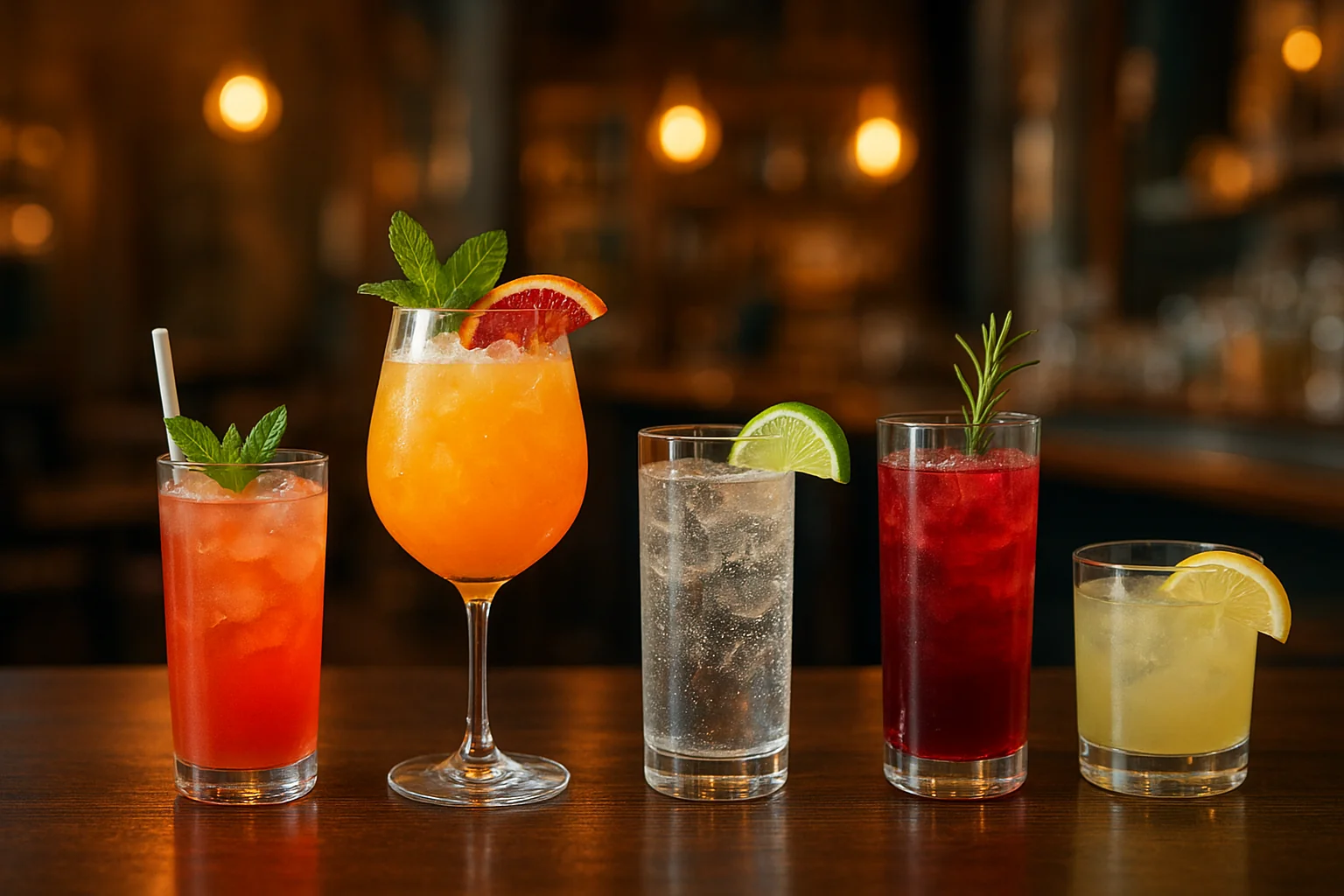
Quitting alcohol leaves a gap. Here's how to fill it with drinks, activities, and coping strategies that actually satisfy.
What You'll Learn:
• Beverages that can replace alcohol without feeling like deprivation.
• Activities and habits that fill the social and emotional roles alcohol played.
• How to self-soothe without turning to alcohol.
• What actually helps with cravings versus what doesn't.
• Building a sustainable alcohol-free lifestyle.
When you stop drinking, you're not just removing a substance. You're removing a ritual, a social lubricant, a stress reliever, and often a significant part of your identity and routine. Simply eliminating alcohol without replacing what it provided creates a vacuum that pulls you back.
Successful recovery involves actively filling these gaps with alternatives that serve similar functions without the downsides.
Why Alternatives Matter
Alcohol serves multiple purposes in most drinkers' lives. It provides relaxation and unwinding after work or stress. It facilitates social connection, bonding with friends, and fitting in. It serves as a reward for celebrating achievements and marking special occasions. It becomes a coping mechanism for managing anxiety, boredom, loneliness, or other difficult emotions. It creates ritual through the routine of the evening drink or the weekend out. It shapes identity, whether that's being "the fun one" or part of a drinking culture.
Quitting alcohol without addressing these needs leaves you white-knuckling through cravings and feeling deprived. Finding alternatives addresses the underlying needs, making sobriety sustainable rather than torturous.
Drink Alternatives: What to Put in Your Glass
The physical act of drinking something serves psychological purposes beyond hydration. Having appealing beverages available reduces feelings of deprivation.
Sparkling water and seltzers provide carbonation that offers a sensation similar to beer or champagne. Options include unflavored sparkling water with citrus, flavored seltzers with sophisticated flavor profiles, sparkling water with a splash of juice, and bitters and soda as a traditional mocktail.
Mocktails and alcohol-free cocktails provide the ritual of cocktail preparation and consumption with sophisticated non-alcoholic drinks. Virgin mojitos, margaritas, and other classics satisfy the desire for a crafted beverage. Shrubs made from fruit and vinegar offer complex flavors. Craft mocktails from specialty bars continue to improve, and home-mixed creations with fresh ingredients provide both activity and satisfaction.
Non-alcoholic beer and wine have improved dramatically as a category. Modern options offer flavor profiles similar to alcoholic versions, the ritual of pouring and drinking from proper glassware, social acceptability at gatherings, and familiar taste without intoxication. Some people find these helpful while others find they trigger cravings. Experiment to see what works for you.
Functional beverages formulated to provide relaxation or other effects include adaptogenic drinks with stress-reducing herbs, CBD-infused beverages where legal, kava drinks for relaxation, and herbal teas formulated for calm.
Warm beverages provide comfort and ritual. Herbal teas like chamomile and lavender support relaxation. Golden milk (turmeric latte), hot cocoa or chocolate, and decaf coffee alternatives all provide satisfying evening options.
Treating yourself to premium non-alcoholic options can feel special. High-quality NA spirits designed for mixing, expensive sparkling waters or artisanal sodas, fresh juice from a juicer, and specialty coffee drinks all offer the sense of indulgence that alcohol once provided.
For deeper exploration of drink options, see what to replace alcohol with.
Activity Alternatives: What to Do Instead
Drinking often fills time and provides structure. These activities can replace that function.
Physical activities provide natural mood enhancement. Evening walks during "drinking hours" create a new routine. Gym workouts, yoga or stretching, sports leagues or recreational activities, and swimming, cycling, or hiking all address the relaxation function alcohol served while improving rather than harming health.
Social activities can provide connection without alcohol. Coffee or tea meetups replace bar visits. Activity-based socializing through games, sports, and hobbies shifts focus from drinking. Morning or afternoon gatherings replace evening drinks. Finding sober or sober-friendly communities creates a supportive environment.
Creative pursuits engage the mind and provide flow states. Art, music, and writing offer expression and satisfaction. Cooking elaborate meals transforms evening time. Gardening connects you with nature and growth. Building or making things provides tangible accomplishment. Learning new skills keeps the mind engaged.
Relaxation practices offer direct relaxation without substances. Meditation and mindfulness create genuine calm. Hot baths or showers provide physical relaxation. Massage or self-massage releases tension. Reading fiction transports you to other worlds. Listening to music or podcasts engages the mind pleasurably.
Structured evening routines create new rituals for previously drinking times. Dedicated hobby time fills the hours. Quality time with family strengthens relationships. Evening exercise improves sleep. Elaborate non-alcoholic beverage preparation becomes its own activity. Self-care practices provide nurturing.
For more activity ideas, see what you can replace drinking with.
Self-Soothing Without Alcohol
Many people use alcohol to manage emotions. Learning alternative coping mechanisms is essential for sustainable recovery.
Before finding alternatives, identify what alcohol was soothing. Was it anxiety or stress? Boredom? Loneliness? Frustration or anger? Sadness or depression? Physical discomfort? Different emotions respond to different coping strategies.
For anxiety and stress, try deep breathing exercises, progressive muscle relaxation, walking in nature, cold water on wrists or face, journaling about worries, or talking to someone supportive.
For boredom, engaging hobbies, learning something new, physical activity, social connection, and structured routines all provide stimulation and engagement.
For loneliness, calling or texting friends, joining groups or communities, online connection if in-person isn't available, getting a pet, or volunteering can address the underlying need for connection.
For frustration and anger, vigorous exercise, hitting a punching bag or pillow, writing angry letters you don't send, cold showers, or talking it out with someone can provide release.
For sadness, allowing yourself to cry, comfort activities like movies or music, connection with supportive people, self-compassion practices, or professional support if persistent can help.
For detailed strategies, see how to self-soothe without alcohol.
Managing Cravings
Cravings are normal and don't have to lead to drinking.
According to research published in Addiction Biology, cravings follow predictable patterns and are tied to conditioned responses to environmental and emotional triggers. Cravings typically peak and fade within 15 to 30 minutes, respond to triggers like people, places, emotions, and times, decrease in frequency and intensity over time, and don't have to be acted upon.
Effective craving management strategies include delay, distraction, drinking something else, discussion, deepening, leaving, and remembering. Delay means waiting 15 to 30 minutes before deciding, because cravings pass. Distract means engaging in an activity that occupies your mind. Drinking something else means having your alternative beverage. Discuss means talking to someone about what you're feeling. Deepen means going deeper into the feeling to understand what's really triggering it. Leave means removing yourself if the environment is triggering. Remember means recalling why you stopped and what drinking actually leads to.
For drink-based craving management, see substitutes for alcohol cravings.
The Relaxation Gap
One of alcohol's strongest pulls is its perceived relaxation effect. Finding alternatives that actually produce relaxation is crucial.
According to the National Institute on Alcohol Abuse and Alcoholism, alcohol temporarily activates GABA receptors, producing sedation. But it also disrupts sleep quality, increases anxiety the next day, requires increasing amounts for the same effect, and creates dependence. True relaxation alternatives don't have these downsides.
Research in JAMA Internal Medicine found that mindfulness meditation programs can reduce anxiety, depression, and pain. The American Psychological Association confirms that exercise is one of the most effective stress management tools available. These evidence-based alternatives provide lasting benefits without alcohol's downsides.
Genuine relaxation alternatives include meditation, which produces lasting calm without substances. Exercise releases natural endorphins and reduces tension. Breathing techniques activate the parasympathetic nervous system. Hot baths provide physical relaxation of muscles. Nature exposure has documented stress reduction effects. Social connection through safe, supportive relationships reduces stress.
For beverages that help with relaxation, see drinks that mimic alcohol's relaxing effect.
Building New Routines
Sustainable change requires building new patterns.
For the evening transition, if you drank after work, create a new transition ritual. Change clothes as a physical transition marker. Take a brief exercise walk. Prepare a special non-alcoholic beverage. Engage in a specific relaxation activity.
For weekends, if they centered on drinking, plan activities in advance. Schedule morning commitments to reduce Friday night drinking appeal. Find alcohol-free social options. Create new weekend rituals.
For social situations, decide your approach before arriving. Have your drink order ready, such as club soda with lime. Plan your exit if needed. Find allies who support your choice.
When Alternatives Aren't Enough
Sometimes willpower and alternatives aren't sufficient. This isn't failure—it's biology.
Signs you need additional support include constantly thinking about drinking, alternatives not satisfying, repeated attempts to quit that haven't worked, drinking despite negative consequences, or using alcohol to manage persistent emotional issues.
Naltrexone can help by reducing craving intensity, blocking some of alcohol's rewarding effects, and making alternatives more satisfying by comparison. Combined with behavioral strategies and alternatives, medication often provides the additional support needed for success.
What Actually Helps vs. What Doesn't
What helps includes having specific alternatives ready, addressing underlying needs alcohol was meeting, building new routines and rituals, social support for your goals, professional help when needed, and self-compassion when you struggle.
What doesn't help includes white-knuckling through deprivation, relying solely on willpower, isolating yourself, harsh self-criticism, avoiding all social situations indefinitely, or expecting alternatives to feel identical to drinking.
Timeline for Adjustment
During week one, alternatives feel unsatisfying. This is normal as your brain is adjusting. During weeks two through four, alternatives begin feeling more acceptable. Cravings remain but may be less intense. During months one through three, new routines become more established and alternatives begin feeling normal. During months three through six, many people find they no longer miss alcohol or actively prefer their new lifestyle. Beyond six months, new patterns are solidly established and alternatives feel natural.
Be patient with the adjustment period. It gets easier.
Summary
Successful alcohol alternatives address what drinking actually provided.
For drinks, options include sparkling water, mocktails, NA beer and wine, functional beverages, and warm drinks. For activities, consider exercise, social connection, creative pursuits, relaxation practices, and structured routines. For self-soothing, identify the emotion, then use targeted coping strategies. For cravings, delay, distract, drink something else, discuss, and remember why you stopped. For relaxation, try meditation, exercise, breathing, baths, nature, and connection.
The goal isn't to replicate alcohol's effects but to meet the underlying needs in healthier ways. This makes sobriety sustainable rather than a constant struggle.
If alternatives alone aren't working, take an Alcohol Use Assessment to explore whether naltrexone could provide the additional support you need.