A 2 minute assessment to get a personalized mental health or alcohol recovery plan.


Any man can be a positive male role model that is a good influence on the kids and teens in their life, even if they drink alcohol. In fact, a man’s drinking habits can have a direct influence on how kids relate to alcohol.
What You’ll Learn:
• Ways men to be a positive role model in regards to drinking alcohol.
Limit alcohol use around kids and teens.
• Talk about the health related issues that come with drinking.
• Never glorify alcohol use.
• Turn down drinks from time to time.
• Connecting healthy activities to having fun.
• Honestly evaluate your own drinking habits.
• Take steps to improve your own relationship with alcohol.
In many ways, a lot of research on the drinking habits of the youngest generation is encouraging. Gen Z is drinking less than previous generations, which is a positive step forward. Plus, the rate of alcohol use disorder is dropping among men.
Of course, 50% between the ages of 18 and 34 drink alcohol. And there is concern with the increasing number of women who are struggling with alcohol use disorder.
Now more than ever, men can step up to be positive male role models for the younger people in their lives whether or not they are a father. And this applies to men who abstain entirely, choose to drink alcohol on occasion or have struggled with alcohol use in the past.
The best part is, the most influential things a man can do to have a positive impact are remarkably easy and beneficial to their own health.
Limit Alcohol Use Around Kids and Teens
The more alcohol use is normalized in early years, the less risk a child sees in drinking alcohol. Instead, they see it as a part of daily life that is routine rather than potentially problematic to their health. They can end up greatly underestimating the dangers of chronic drinking.
If you do have a drink around kids make it discreet. Put it in a glass rather than drinking out of a bottle and let the drinking take a backseat to other activities. Also, practice moderation. Limit alcohol intake to a few drinks to ensure you don’t get inebriated.
Talk About the Health Related Issues That Can Come With Drinking
Kids hear a lot about the dangers of smoking cigarettes and vaping, but startlingly little emphasis is put on how dangerous drinking can be. That trend is beginning to change, and the power of its effect is being seen. A key reason why drinking rates have dropped with Gen Z is because of health concerns.
It’s important to have age-appropriate conversations with kids about how alcohol is legal for adults to drink, but it is a toxin that can harm the body. You can also mention the possibility of addiction, how alcohol can affect the brain and how it negatively impacts the way people think.
Never Glorify Alcohol Use
One of the worst things that adults can do is glorify alcohol use in front of kids and teens. It sends the wrong message to impressionable young people that drinking alcohol is seen as beneficial or the socially acceptable thing to do.
There are a lot of societal influences connected to alcohol consumption and the relationship that people have with alcohol. Connecting alcohol use with winning, special occasions and successes in life can cause a young person to see alcohol as a reward.
Another unhealthy message that has been perpetuated is that intoxication is tantamount to toughness in a man. It’s a particularly problematic societal norm that has played a role in why men have higher rates of alcohol use disorder. For too long aspects of masculinity were wrapped up in alcohol consumption. The way to change that is for men to show teens and kids that rather than being a benchmark of manhood, alcohol use is actually an unhealthy activity that’s not a measurement of manliness.
Glorifying alcohol use can also mean simply talking about it in a positive way. For example, making remarks that you are going to have a drink to unwind, that you need a drink or that you enjoy drinking reinforces it as beneficial rather than potentially problematic.
Turn Down Drinks
Another powerful way to be a positive influence is to politely turn down offers to drink every now and then. It’s a clear sign that alcohol isn’t needed at all times. It also normalizes the act of refusing drinks. Just make sure to keep it polite and avoid passing judgement or shaming.
Connect Healthy Activities to Having Fun
If you always have a drink every time you have fun around a kid it signals that alcohol is needed to have fun. You can counter that message by incorporating healthy activities in place of drinking. It’s proof positive that alcohol isn’t a requirement for having a good time.
Honestly Evaluate Your Own Drinking Habits
It’s easier to encourage healthy drinking habits if you practice them. Take the time to honestly evaluate your own relationship with alcohol and your drinking patterns. Do you notice any unhealthy trends? Are you a chronic drinker even if you aren’t a heavy drinker? Do you have a tendency to binge drink?
Being more aware of how you relate to alcohol and the reasons behind why you drink can allow you to gain more perspective that helps get unhealthy habits under control.
Take Steps to Take Control of Your Drinking
If you find that you want to take control of your drinking to reduce use, it’s time to take action. Taking steps to live a healthier life is one of the most influential things you can do. You aren’t just talking the talk. You’re taking action, and kids can tell the difference.
If you’re concerned you have an unhealthy relationship with alcohol, taking action to take control sends another important message. It tells kids that they can improve their life and their health by addressing problems rather than avoiding them. They may not always make the healthiest decisions in life, but they can learn from them and make better choices moving forward.
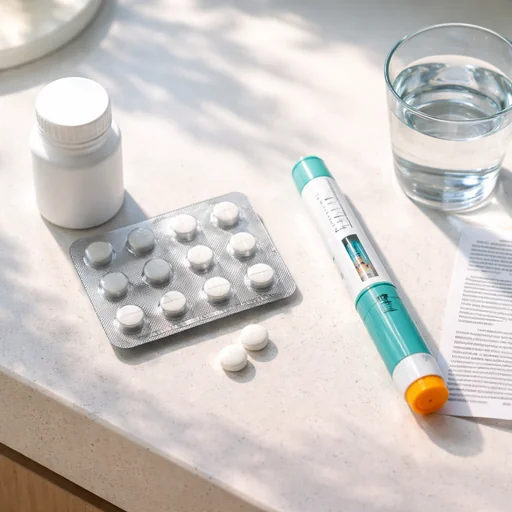
If you would like to drink less but need some assistance to reduce alcohol cravings, there are safe ways to decrease the urge. You don’t have to white knuckle it or refrain from drinking altogether. There are now convenient, safe medications that help overcome alcohol’s influence on the reward center of the brain so you’re in control of the situation.
Prescription naltrexone has been shown to be a highly beneficial medication-assisted treatment for years, and GLP-1 semaglutides have been found to also help curb alcohol cravings. To learn more about these options, contact our team to schedule time with a qualified clinician, or take the Alcohol Use Assessment to start changing your relationship with alcohol.