A 2 minute assessment to get a personalized mental health or alcohol recovery plan.

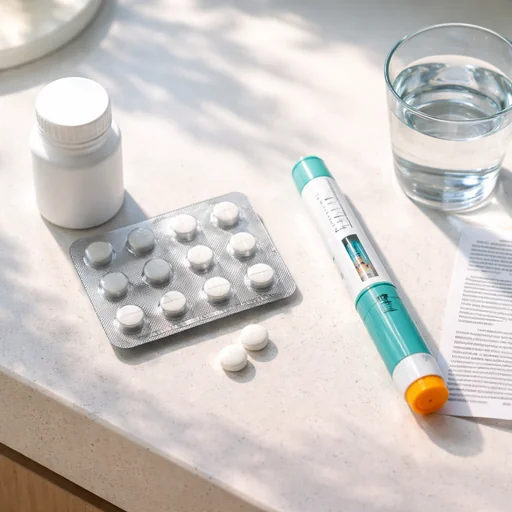
The benefits of GLP-1 medications are still being explored, and there’s evidence that they may help indirectly correct inflammation from alcohol that damages the liver.
What You’ll Learn:
• The connections between GLP-1s and inflammation.
• What inflammation does to the liver.
• How alcohol increases inflammation in the liver.
• How GLP-1s could reduce inflammation from alcohol.
• Lowering toxic alcohol metabolism.
To say that GLP-1 medications are one of the biggest breakthroughs in modern medicine is an understatement. As we already explored in the past, GLP-1 semaglutides can reduce alcohol cravings. Doctors are now finding that those effects paired with GLP-1’s ability to reduce inflammation can possibly counter one of the negative impacts that alcohol has on the liver.
The Connection Between GLP-1s and Inflammation
To understand how GLP-1s can potentially be protective for the liver, it helps to understand how GLP-1s affect inflammation in general. Inflammation is a natural response that happens when you’re injured, ill or something harmful is in your body. It’s part of the immune system that works to eliminate the threat, remove damaged cells and aid the healing process by triggering the release of white blood cells and other beneficial chemicals.
There’s acute inflammation and chronic inflammation:
Acute inflammation is short-term and resolves once the body has healed from an injury or illness.
Chronic inflammation isn’t beneficial. It can result in healthy cells and tissue being destroyed since there’s no actual external damage to correct.
Chronic inflammation can be caused by a number of things including:
• Stress
• Poor sleep
• Low quality diet
• Being sedentary
• Environmental toxins
Studies have shown that when people are taking GLP-1s inflammation markers like C-reactive protein are lower. It’s not known exactly what causes GLP-1s to lower inflammation. It’s believed that they have an effect on both the immune system and metabolic pathways for multiple organs, including the liver. This is possibly why some GLP-1 research is finding body-wide benefits. However, more research needs to be done looking specifically at the connection between GLP-1s, pro-inflammatory cytokines and immune cells.
What Inflammation Does to the Liver
Now, we’ll take a closer look at inflammation in the liver. The liver is the filter for the body. One of its key functions is filtering out toxins. It’s a process that causes inflammation to occur naturally.
This isn’t so bad when it’s occasional. But chronic inflammation in the liver is connected to fibrosis, which is scar tissue. Fibrosis can progress into cirrhosis, a form of severe fibrosis that alters the structure of the liver. Cirrhosis is an irreversible condition that inhibits liver function and prevents healing regeneration.
How Alcohol Increases Inflammation in the Liver
As with other parts of the body, chronic inflammation isn’t good for the liver. It’s a fact that every chronic alcohol drinker should pay close attention to because alcohol is a toxin. And every time it passes through the liver inflammation occurs.
The process that the liver goes through to break down alcohol creates damage. In the liver ethanol gets converted into acetaldehyde. Acetaldehyde is a toxic metabolite that is extremely harmful for the liver, causing cellular damage and inflammation.
The inflammation it creates is known as steatohepatitis, and steatohepatitis is the precursor of fibrosis.
Having an occasional alcoholic beverage isn’t too concerning since it’s acute inflammation. However, chronic drinking leads to chronic inflammation and that is seriously detrimental to liver health.
How GLP-1s Could Reduce Inflammation From Alcohol
When it comes to inflammation from alcohol, GLP-1s might be beneficial. There are two ways that GLP-1s could indirectly reduce inflammation from alcohol use:
GLP-1s Can Reduce Alcohol Consumption
The first theory for how GLP-1s reduce inflammation from alcohol is very straightforward. There’s mounting evidence that GLP-1 semagultides curb alcohol cravings, which leads to reduced alcohol use. Less alcohol being filtered by the liver \= less inflammation in the liver.
GLP-1s Can Lower Toxic Alcohol Metabolism in the Liver
As noted already, the liver filters out toxins like alcohol. It’s an essential process that ultimately causes liver damage. There are biomarkers that can indicate liver injury, and studies have shown that when people take GLP-1 medications these liver biomarkers improve. That suggests there is a protective element that either prevents injury or aides in recovery.
What’s even more interesting is new research out of Yale University. Researchers there discovered that GLP-1s lower Cyp2e1. It’s a liver enzyme, and when Cyp2e1 is lower the production of acetaldehyde is lower. Less acetaldehyde \= less inflammation in the liver. It’s a protective quality regardless of how much alcohol is consumed.
More research is needed, but it appears that reduced inflammation is one of the many additional benefits of taking GLP-1s for alcohol use. Given that chronic inflammation is connected to a number of serious health conditions, the benefit goes well beyond the liver.
If you’re interested in trying GLP-1 semaglutides to help curb alcohol cravings and protect your liver, Choose Your Horizon is a trusted prescriber. Take the Alcohol Use Assessment to get more insights into your drinking habits and schedule a time to talk with a qualified clinician. We also offer naltrexone prescriptions that can be used along with GLP-1 medication for additional support as you take control of your drinking.