A 2 minute assessment to get a personalized mental health or alcohol recovery plan.

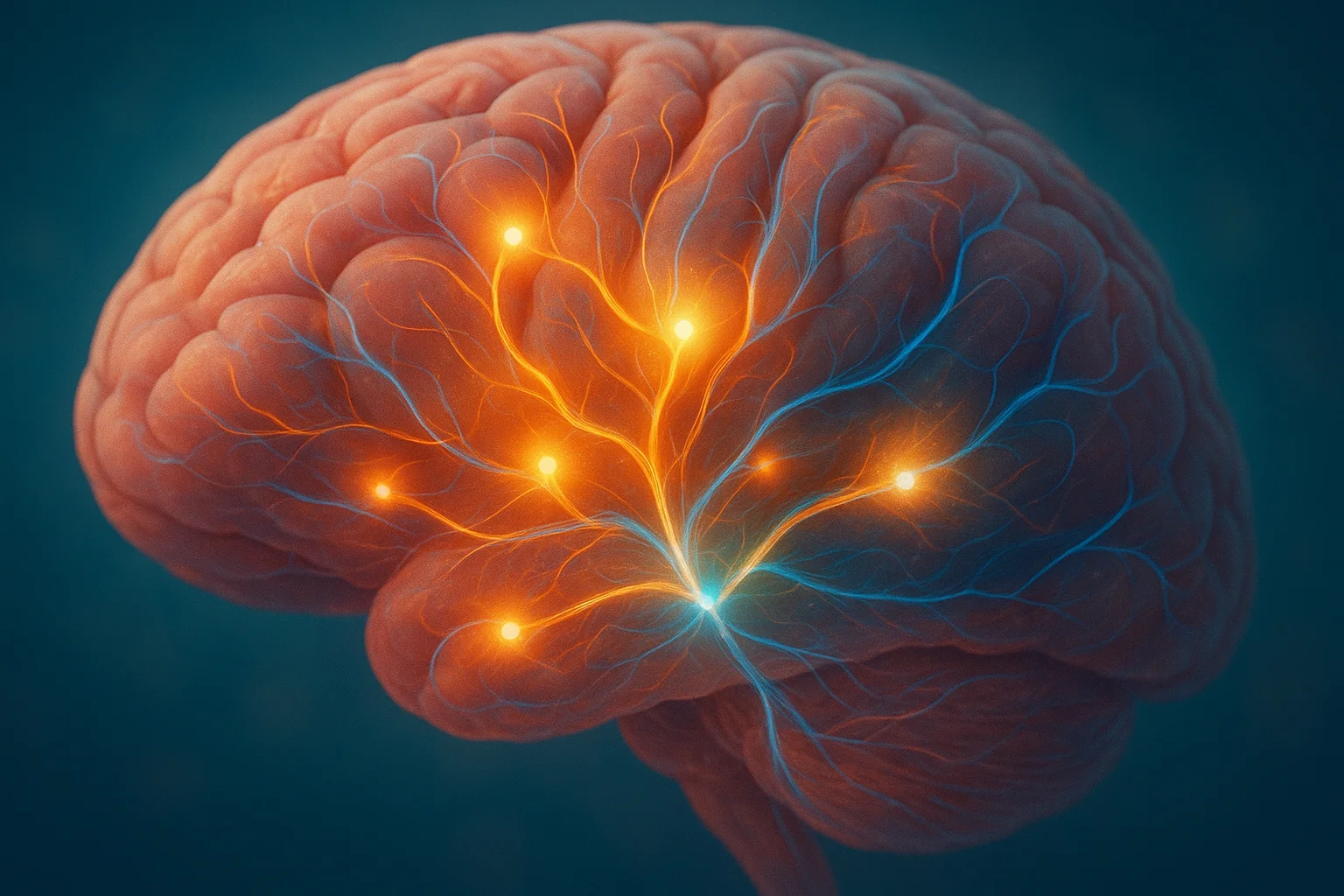
Your brain has been rewired by alcohol. Here's exactly what's happening and why quitting feels impossible without help.
What You'll Learn:
• How alcohol changes your brain's reward system.
• Why cravings feel so overwhelming.
• What withdrawal does to brain function.
• Why smart, motivated people still struggle to quit.
• How science-based treatments address the root causes.
If you've tried to quit drinking and couldn't, you might wonder what's wrong with you. The answer, according to neuroscience, is nothing. Your brain has been changed by alcohol, and those changes make quitting incredibly difficult.
Understanding the brain science explains why this is so hard—and points toward solutions that actually work.
Your Brain on Alcohol: What Changes
Alcohol doesn't just make you feel good temporarily. Regular use fundamentally alters brain structure and function.
The Reward System Gets Hijacked
Your brain has a reward system designed to reinforce beneficial behaviors—eating, social connection, accomplishment. According to the National Institute on Alcohol Abuse and Alcoholism, alcohol hijacks this system.
When you drink, dopamine floods the reward pathways, your brain records alcohol as intensely rewarding, and natural rewards like food, relationships, and hobbies pale in comparison. Over time, the brain reduces its dopamine sensitivity. You need more alcohol for the same effect, and normal pleasures feel less satisfying.
The Stress System Gets Dysregulated
Alcohol initially reduces stress by enhancing GABA (a calming neurotransmitter) and suppressing glutamate (an excitatory one). Your brain adapts by reducing its own GABA production, increasing glutamate sensitivity, and elevating stress hormones. The result is that without alcohol, you feel more anxious and stressed than you did before you ever started drinking.
The Prefrontal Cortex Gets Impaired
The prefrontal cortex handles decision-making, impulse control, and long-term planning. Chronic alcohol use reduces prefrontal cortex activity, impairs judgment and self-control, and makes it harder to resist immediate gratification. This is why you might decide not to drink during the day, then find yourself drinking that night anyway.
Why Cravings Feel Irresistible
Alcohol cravings aren't just wanting a drink. They're neurological events that can overwhelm conscious intention.
Cravings Are Like Hunger
The brain regions involved in alcohol cravings overlap with those involved in hunger and thirst. Your brain generates the craving as an urgent survival signal—even though intellectually you know you don't need alcohol to survive.
Triggers Activate Automatic Responses
Environmental cues associated with drinking activate the reward system before conscious thought occurs. The bar you used to visit, the time of day you usually drank, stress, anxiety, or emotional upset, and social situations involving alcohol all launch a cascade of neurological events that generate craving automatically.
Willpower Is Finite
The prefrontal cortex that manages self-control has limited energy. Research shows willpower depletes throughout the day. This is why people often drink in the evening after a full day of resisting.
What Happens When You Stop
Quitting doesn't just mean "not drinking." It means your brain, adapted to alcohol's presence, suddenly lacks what it expects.
Acute Withdrawal
In the first hours and days without alcohol, you may experience anxiety and irritability, tremors and sweating, nausea and digestive upset, insomnia and disturbed sleep, racing heart and elevated blood pressure, and in severe cases, seizures and hallucinations. These symptoms reflect your brain's glutamate and stress systems overactivating without alcohol's suppressive effect.
Post-Acute Withdrawal
Even after acute symptoms pass, brain chemistry remains dysregulated for weeks or months. You may experience low mood and anhedonia (inability to feel pleasure), persistent anxiety, sleep disturbances, difficulty concentrating, and intense cravings. This prolonged period explains why many people relapse after the initial withdrawal phase. The first week without alcohol is challenging, but the following weeks present their own difficulties.
Why Smart, Motivated People Struggle
Intelligence and motivation don't protect against the neurology of addiction.
You Can't Think Your Way Out
The brain changes from alcohol use affect the very systems you'd need to overcome the problem. It's like trying to do math with the part of your brain that handles math impaired.
Knowledge Isn't Enough
You can understand exactly how alcohol damages you and still struggle to stop. That's because understanding operates in the prefrontal cortex, while addiction hijacks deeper brain structures.
Shame Makes It Worse
When people can't quit despite wanting to, they often feel shame. This shame increases stress (a trigger for drinking), reduces willingness to seek help, leads to hiding the problem, and can trigger drinking to cope with shame itself. Research from the National Institutes of Health shows that shame actually worsens addiction outcomes.
The Genetics Factor
Some people are more vulnerable to alcohol addiction than others, partly due to genetics.
According to the National Institute on Alcohol Abuse and Alcoholism, genetics account for roughly 50% of addiction risk. This includes genes affecting how alcohol is metabolized, how the reward system responds, stress response and anxiety levels, and impulse control tendencies. If alcohol use disorder runs in your family, you may be fighting steeper odds.
Genetics create vulnerability, not certainty. Environment, choices, and interventions all matter. But genetic factors explain why some people can drink moderately while others spiral quickly.
Why Some Attempts Fail
Understanding common failure points helps you avoid them.
Simply stopping without addressing underlying factors often fails because brain chemistry remains dysregulated, no new coping skills have developed, triggers remain in the environment, and social pressures continue. Many people think quitting "should" be simple. When it's not, they give up rather than escalating their approach. If drinking served a purpose (stress relief, social anxiety management, emotional numbing), removing the drinking without addressing the underlying need leaves a vacuum. Isolation makes everything harder. Without support, accountability, and connection, the struggle becomes unsustainable.
What Actually Works: Science-Based Approaches
Given the brain science, effective treatments address the neurological reality.
Medication-Assisted Treatment
Naltrexone works by blocking opioid receptors involved in alcohol's rewarding effects, reducing craving intensity, and making drinking less pleasurable if it occurs. By addressing the neurological aspects of addiction, medication gives the prefrontal cortex a fighting chance.
Behavioral Therapies
Effective therapies help you identify triggers and develop coping strategies, build new habits and routines, address underlying psychological issues, and develop emotional regulation skills.
Combined Approaches
Research consistently shows that combining medication with behavioral support produces better outcomes than either alone.
Rebuilding the Brain
The good news: brain changes aren't permanent for most people.
Neuroplasticity Works Both Ways
Just as the brain changed to accommodate alcohol, it can change again without it. Brain imaging studies show recovery of prefrontal cortex function, dopamine system sensitivity, and stress response regulation.
Timeline for Recovery
Physical changes when you stop drinking begin quickly, but brain recovery takes longer. Within 2-4 weeks, acute symptoms resolve. At 1-3 months, significant improvement in mood and cognition occurs. At 6-12 months, substantial neurological recovery happens. At 1-2 years, near-complete restoration occurs for many people.
Support Speeds Recovery
Healthy behaviors accelerate brain healing: quality sleep, regular exercise, good nutrition, social connection, and stress management.
Reframing the Struggle
Perhaps the most important shift is how you understand the difficulty.
It's Biology, Not Morality
Struggling to quit alcohol doesn't mean you're weak, lazy, or lacking character. It means your brain has been physically changed by a powerful substance.
Help Is Available
You don't have to fight this alone with willpower. Medical treatments, therapy, and support systems exist specifically because quitting is hard for almost everyone.
Recovery Is Possible
Millions of people have overcome alcohol dependence. The brain can heal. New patterns can form. Life without alcohol is possible—but it often requires more than just deciding to stop.
Summary
Quitting drinking is hard because of how alcohol changes the brain. The reward system gets hijacked, making alcohol feel essential and normal pleasures unsatisfying. The stress system becomes dysregulated, causing more anxiety without alcohol than you had before drinking. The prefrontal cortex, responsible for self-control, gets impaired.
Cravings are generated by deep brain structures, triggered automatically by environmental cues, and feel as urgent as hunger or thirst. Withdrawal causes physical discomfort in the acute phase and psychological symptoms that persist for weeks or months as the brain rebalances.
Willpower fails because you're fighting your own neurology with limited self-control resources while the thinking brain is impaired. What works is medication to address neurological factors, behavioral therapy to build new skills, and combined approaches that address multiple dimensions of the problem. Understanding reduces shame and opens the door to effective treatment.
If you're struggling to quit drinking, you're fighting a neurological battle, not a moral one. Take an Alcohol Use Assessment to explore how naltrexone could help level the playing field.