A 2 minute assessment to get a personalized mental health or alcohol recovery plan.

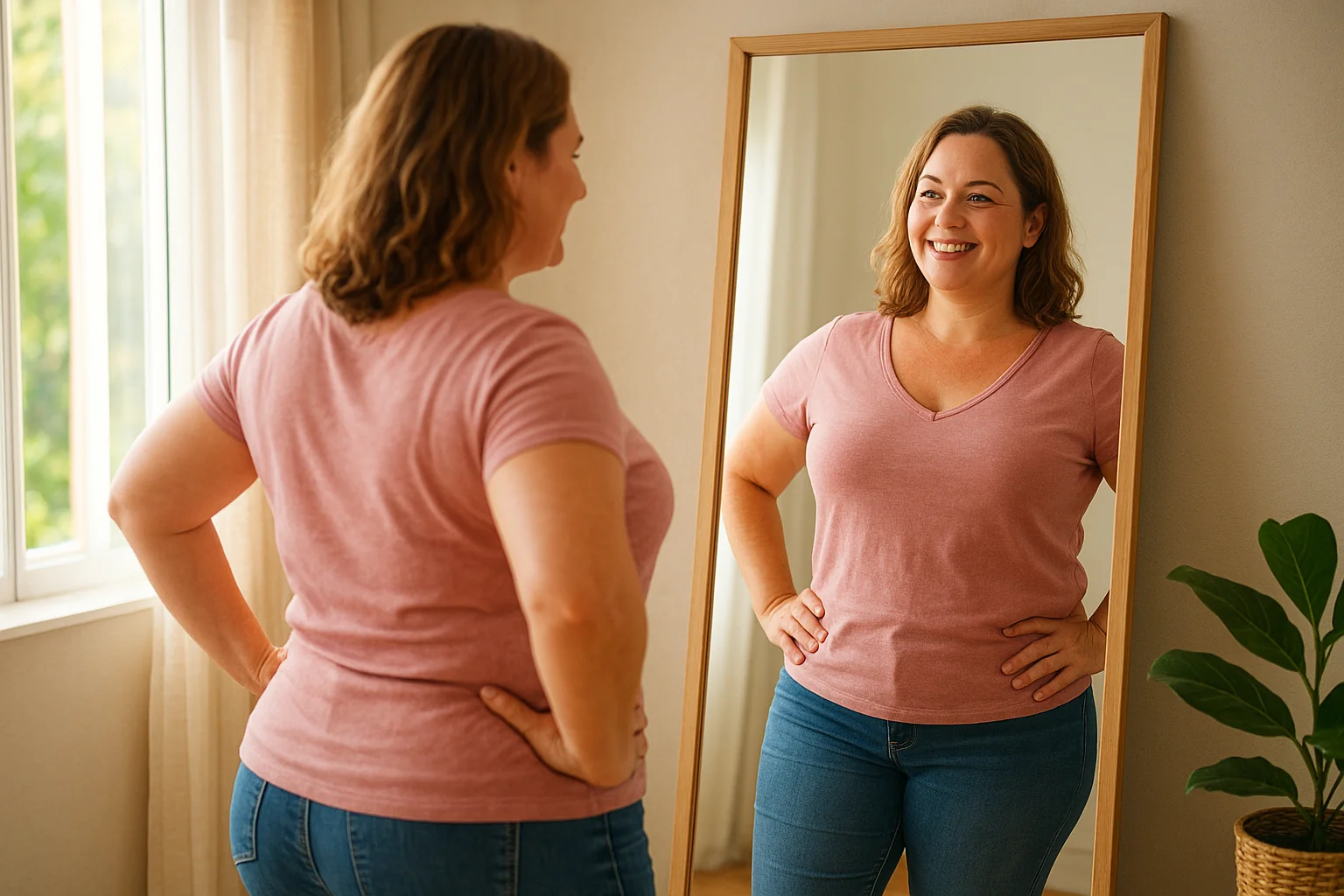
From clearer skin to weight loss, stopping alcohol triggers visible physical transformations. Here's what changes and when you can expect to see results.
What You'll Learn:
• How your face changes when you stop drinking, including skin and puffiness.
• What happens to your body weight and composition after quitting alcohol.
• The timeline of physical improvements from weeks to months.
• Why alcohol causes these physical effects in the first place.
• How long it takes to see noticeable visual changes.
One of the most motivating aspects of quitting alcohol is watching your body recover. Unlike internal health improvements that require blood tests to measure, many changes from stopping drinking are visible in the mirror. Your face, skin, weight, and overall appearance can transform significantly, sometimes within just a few weeks.
Understanding what changes and when helps set realistic expectations and provides milestones to look forward to during the challenging early days.
Why Alcohol Affects Your Appearance
Before exploring the changes, it helps to understand why alcohol impacts how you look in the first place.
Alcohol is a diuretic, increasing urine production and depleting body fluids. According to the National Institute on Alcohol Abuse and Alcoholism, this chronic dehydration affects skin quality, eye appearance, and overall vitality.
Beyond dehydration, alcohol triggers systemic inflammation throughout the body. This shows up as puffiness, redness, and swelling, particularly in the face. Alcohol also interferes with absorption of vitamins and minerals essential for healthy skin, hair, and tissue. B vitamins, vitamin C, and zinc are particularly affected.
The caloric load adds another dimension. Alcohol contains significant calories with no nutritional value. A bottle of wine contains roughly 600 calories. Regular drinking adds thousands of weekly calories that often convert to stored fat.
Research published in Alcoholism: Clinical and Experimental Research shows that alcohol disrupts REM sleep and overall sleep architecture. Poor sleep quality from alcohol use shows in dark circles, dull skin, and tired appearance. During your first week without alcohol, sleep quality begins improving.
Finally, the liver processes toxins and regulates hormones that affect skin and weight. Overworked from alcohol processing, it can't perform these functions optimally.
Facial Changes When You Stop Drinking
Your face changes when you stop drinking in several noticeable ways.
Reduced Puffiness
Alcohol causes fluid retention and inflammation that makes the face appear swollen and puffy. Within days of stopping, bloating around the eyes decreases, the jawline becomes more defined, facial contours sharpen, and the overall face appears slimmer. Most people notice reduced puffiness within the first week, with continued improvement over the following month.
Improved Skin Tone
Alcohol can trigger or worsen rosacea, causing facial redness and flushing. The CDC notes that alcohol dilates blood vessels, contributing to redness. After stopping drinking, redness fades, skin tone becomes more even, blotchiness decreases, and natural color returns. These changes typically become noticeable within two to four weeks.
Better Skin Hydration
Dehydrated skin looks dull, emphasizes fine lines, and sheds unevenly. When you stop drinking, skin retains moisture naturally, complexion appears more plump and vibrant, fine lines become less pronounced, and skin texture improves. Significant hydration improvements are often visible by 30 days.
Brighter Eyes
Alcohol causes bloodshot, dull-looking eyes through dehydration and liver strain. Improvements include reduced redness, brighter and clearer whites, a more alert appearance, and decreased dark circles. Eye improvements often begin within the first week and continue improving.
Weight Changes After Stopping Alcohol
Many people lose belly fat when they stop drinking, along with overall weight reduction.
Several factors contribute to weight loss after quitting. Eliminated alcohol calories alone can make a significant difference—a moderate drinker might consume 1,000-2,000 calories weekly from alcohol alone. Reduced drunk eating removes the late-night food choices while drinking that add significant calories. Better food decisions follow when impaired judgment no longer affects eating. Improved metabolism allows the liver to focus on fat processing instead of alcohol. Increased activity becomes possible with more energy enabling more exercise. Better sleep affects weight regulation hormones.
What to Expect
Weight loss patterns vary by individual, but common experiences include water weight dropping as bloating resolves in weeks one and two, fat loss beginning as calorie deficit accumulates in weeks three and four, more noticeable body composition changes in months two and three, and significant weight loss for heavier drinkers in months three through six.
People who drank heavily often lose 10-20 pounds in the first few months without other dietary changes. Beyond scale weight, body composition often improves with reduced abdominal fat ("beer belly"), less facial fullness, improved muscle definition, and better overall body proportions.
Skin Improvements Throughout the Body
Skin benefits extend beyond the face. Skin throughout the body becomes better hydrated, rough dry patches improve, overall skin texture softens, and elasticity improves.
Reduced inflammation means skin conditions like eczema or psoriasis may improve, general redness decreases, healing from cuts and bruises accelerates, and inflammatory skin reactions diminish. Skin regains its natural glow, color becomes more vibrant, overall appearance looks healthier, and signs of aging may slow.
Hair and Nail Changes
Alcohol affects hair and nail health through nutrient depletion. Hair improvements include reduced brittleness and breakage, improved shine and texture, less hair loss for some people, and healthier growth patterns. These changes take longer to become visible since hair grows slowly. Expect to notice improvements after 2-3 months.
Nail health improves with stronger, less brittle nails, improved growth, healthier appearance, and reduced ridging.
Physical Energy and Vitality
Beyond appearance, overall physical vitality improves with more consistent energy throughout the day, reduced afternoon crashes, better stamina for physical activity, and less fatigue overall.
Physical performance improves with better exercise capacity, improved workout recovery, increased strength gains, and enhanced athletic performance. You'll find yourself standing straighter with more energy, with a more alert and engaged appearance, better physical confidence, and an overall more vibrant presence.
Timeline of Physical Changes
Here's what to expect at each stage:
Week 1
Bloating begins reducing, puffiness around eyes decreases, sleep quality starts improving, and initial hydration improvements occur. By seven days without alcohol, many people notice their face looks less swollen.
Weeks 2-3
Facial redness begins fading, skin tone becomes more even, energy levels increase noticeably, and water weight continues dropping.
Month 1
Significant skin hydration improvement occurs, visible weight loss for many, brighter and clearer eyes, and more defined facial features.
Months 2-3
Body composition changes become obvious, skin quality is notably improved, hair improvements begin showing, and overall transformation becomes visible to others. By three weeks without alcohol, most people see changes that others notice.
Months 3-6
Maximum skin improvements occur, significant weight loss if applicable, full energy restoration, and complete facial transformation.
6 Months to 1 Year
Long-term improvements stabilize, risk of alcohol-related aging decreases, full physical recovery for most systems, and appearance reflects internal health gains.
What Affects Your Results
Several factors influence how quickly and dramatically you'll see changes.
Heavier drinkers typically see more dramatic improvements since they have more damage to reverse, while light drinkers may see subtler changes. Younger bodies recover more quickly, though people of all ages see improvements. General health, diet, exercise, and sleep all affect recovery rate and appearance improvements. Supporting recovery with adequate water intake and nutrition accelerates visible improvements. Prioritizing sleep during recovery enhances all physical improvements.
Supporting Physical Recovery
Several strategies can accelerate and enhance physical changes.
Stay hydrated by drinking plenty of water to support skin hydration and toxin elimination, aiming for 8+ glasses daily. Eat nutritiously, focusing on foods rich in vitamins depleted by alcohol: B vitamins from whole grains, lean meats, and leafy greens; vitamin C from citrus, berries, and peppers; zinc from nuts, seeds, and legumes; and omega-3 fatty acids from fish, walnuts, and flaxseed.
Prioritize sleep, as quality sleep accelerates all aspects of recovery. Aim for 7-9 hours nightly. Exercise regularly, as physical activity enhances weight loss, improves skin health through circulation, and accelerates overall recovery. Protect your skin with sunscreen and moisturizer to support skin recovery and prevent further damage.
When Changes Feel Slow
Not everyone sees dramatic changes quickly. If improvements seem slow, be patient—some changes take months to become visible. Hair growth, for example, means new healthy hair won't be obvious for 2-3 months.
Consider other factors, as diet, sleep, stress, and other health conditions all affect appearance. Addressing these alongside sobriety enhances results. Recognize internal changes—even when external changes are subtle, internal health improvements are occurring. Liver function, cardiovascular health, and immune function all improve whether or not you can see the difference. Focus on how you feel, as improved energy, better sleep, and enhanced wellbeing are valuable even when mirror changes are gradual.
Maintaining Your Progress
Physical improvements depend on continued sobriety. Returning to drinking reverses gains, often quickly.
If you find staying stopped challenging, medication can help. Naltrexone reduces cravings and blocks some of alcohol's rewarding effects, making it easier to maintain the progress you've made.
Summary
Stopping alcohol triggers visible physical transformation.
Your face shows reduced puffiness and bloating, improved skin tone and reduced redness, better hydration and fewer fine lines, and brighter, clearer eyes. Your body experiences weight loss especially from abdominal fat, improved body composition, better skin throughout, and enhanced energy and vitality.
The timeline progresses from week one when bloating reduces and eyes brighten, to month one with significant visible improvements, to months two and three with transformation others notice, to six months and beyond with full physical recovery.
These changes aren't just cosmetic. They reflect genuine internal healing and improved health.
If you want to experience these physical changes, take an Alcohol Use Assessment to explore whether naltrexone could help you quit or cut back.