A 2 minute assessment to get a personalized mental health or alcohol recovery plan.


Naltrexone is FDA-approved as an alcohol use treatment because of the way it works in the body to block opioid receptors and blunt the rewarding neurological effects of drinking.
Short Answer: Naltrexone is an opioid antagonist that binds to opioid receptors to block the effects of endorphins that are released by opioids and alcohol. Blunting the rewarding effect helps disassociate alcohol with pleasure and curbs alcohol cravings, which is why treating alcohol use is one of naltrexone’s primary medical uses.
What You’ll Learn:
• What type of medication naltrexone is classified as
• How naltrexone works in the body
• Potential side effects while taking naltrexone
• The two FDA-approved primary medical uses for naltrexone
• Naltrexone for opioid addiction treatment
• Using naltrexone as part of a comprehensive treatment plan
If you or someone you love is exploring treatment for alcohol use, you may have come across naltrexone. It's one of the most widely used medications for reducing alcohol. Understanding how naltrexone works in the body can make the decision to try it feel less intimidating and more reassuring.
Naltrexone Medication Explained
Naltrexone HCI, known simply as naltrexone, is a prescription medication that was first approved by the FDA in 1984. It isn't a narcotic, it doesn't produce a "high" and it isn't habit-forming. Instead of mimicking the effects of opioids or alcohol, naltrexone quietly blocks some of the brain's reward signals that are tied to them.
Naltrexone is classified as an opioid antagonist. That means it binds to opioid receptors in the brain to reverse or block the effects of opioids. In the case of naltrexone, it blocks opioids that are released in response to drinking alcohol.
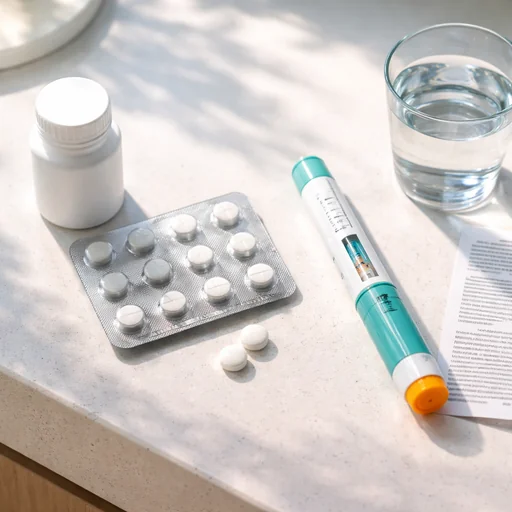
The medication comes in two forms: a daily oral tablet (typically 50 mg) and an extended-release injection given once a month by a healthcare provider. For alcohol use the pill form is what’s typically prescribed.
How Naltrexone Works in the Body
Your brain has opioid receptors, particularly mu-opioid receptors, that play a central role in pleasure, reward and pain relief. Your body naturally releases chemicals called endorphins that bind to these receptors and produce feelings of well-being
Opioids attach to these receptors and activate them powerfully. Alcohol works differently, but it also triggers a release of endorphins, which in turn boosts dopamine in the brain's reward pathway. That rewarding feeling is part of what reinforces drinking and drives cravings.
When naltrexone binds to opioid receptors they occupy the receptors without activating them. This has two key effects:
• With alcohol: By dampening the endorphin-driven reward, naltrexone can make drinking feel less satisfying in the moment and reduce the intensity of cravings over time
• With opioids: Naltrexone blocks the euphoric and pain-relieving effects, so using them no longer delivers the reward the brain expects.
The reason naltrexone is used for alcohol reduction and addiction is because with time the connection between substance use and reward weakens. With the reward gone, cravings diminish and it’s easier to cut back or abstain completely.
While naltrexone is well tolerated by the majority of patients, side effects are possible. More common naltrexone side effects like nausea and sleep disturbances typically last 1-2 weeks before naturally subsiding as your body gets used to the medication. If side effects persist or become severe that’s an indication that you should consider lowering the naltrexone dose.
Primary Medical Uses For Naltrexone
Naltrexone is sometimes used off-label for various purposes, but it’s been FDA approved for two medical uses:
Alcohol Use Reduction
Naltrexone is FDA-approved to treat alcohol use disorder. Research shows it can reduce heavy drinking days, lower the likelihood of returning to heavy drinking and help manage alcohol cravings. It doesn't cause the unpleasant reaction to alcohol that some other medications do, and people don't need to be fully abstinent to start it, which can make treatment more accessible.
Opioid Use Disorder
Naltrexone is also FDA-approved to help prevent relapse in people who have completed opioid detoxification. Because it blocks opioid effects, it removes the reward from using any type of opioid. However, timing matters. A person must be fully opioid-free, usually for 7 to 10 days, before starting. Taking naltrexone while opioids are still in the system can trigger sudden, severe withdrawal known as precipitated withdrawal. A medical provider should always supervise the transition.
Medication is a Key Part of the Journey For Many
Naltrexone can be used on its own, or combined with other therapies for a highly personalized treatment approach. It can be part of a comprehensive plan that includes counseling, behavioral therapy and peer support.
Naltrexone is now considered an essential tool that helps people overcome specific challenges that can make alcohol reduction difficult for some people. By quieting cravings and reducing the physical pull, naltrexone creates space for a person to address the underlying patterns, triggers and stressors that fuel substance use.
Is Naltrexone Right for You?
Whether naltrexone is a good fit depends on your health history, current medications and goals. It’s a decision that you should make with a qualified medical provider.
At Choose Your Horizon, we're here to help you explore your options with compassion and without judgment in a way that’s accessible to all. If you're ready to take the next step, complete the Alcohol Use Assessment. Answering a few questions will shed a lot of light on your drinking behaviors and the best strategies for improving them.