A 2 minute assessment to get a personalized mental health or alcohol recovery plan.


A wedding runs all day, and the drinks never stop coming. With a simple plan you can toast the couple, stay in the fun, and wake up feeling like yourself.
What You'll Discover:
• Why weddings make it so easy to lose count of your drinks.
• How eating and hydrating early sets up the whole day.
• The drink-in-hand method that quietly slows your pace.
• A toast workaround that nobody at the table will notice.
• How a targeted dose of naltrexone can take the pressure off a big day.
A wedding might be the hardest place there is to drink less. The bar is open, the pours are free, and the day stretches from an afternoon ceremony to a late-night send-off.
Everyone around you is celebrating. Glasses stay full, someone is always offering the next round, and the whole event is built to keep you in a festive mood for hours.
Here is the reassuring part. You do not have to pick between enjoying the wedding and feeling good the next morning. A little planning handles both, and none of it requires an announcement.
This is a practical, hour-by-hour way to pace yourself. Eat first, use water as your anchor, keep a drink in hand on your own terms, handle the toast, and know your exit before you need it.
Why a Wedding Is So Easy to Overdo
A heavy night is rarely a decision. It is usually the result of a setting that keeps nudging you toward the next drink, and a wedding nudges harder than almost any other event.
Start with the length. A 4pm ceremony and a reception that ends near midnight can put you around alcohol for eight hours straight. That is a very wide window for drinks to pile up unnoticed.
Add the open bar. When drinks are free, the usual brake of paying per round disappears, and free-flowing alcohol tends to get poured faster and larger.
Then there is the social pull. Toasts, dancing, the couple making the rounds, friends you have not seen in years. Every one of those moments seems to arrive with a glass in it.
Weddings are emotional, too. They can stir up feelings about your own relationship, your family, or being single at table nine. Alcohol offers to smooth all of that over, which is exactly when it gets easy to overdo.
Researchers have a name for the small habits that keep you steady in a setting like this. They are called protective behavioral strategies, and studies of big drinking occasions find that people who use more of them drink meaningfully less.
The point is not to white-knuckle your way through the reception. It is to set up a few habits ahead of time so the day carries you, instead of the open bar.
Start the Day Before Your First Drink
The most useful thing you can do happens before you hold a single glass. Eat a real meal.
Food in your stomach slows how quickly alcohol reaches your bloodstream. That softens the early rush that makes the second and third drink feel automatic.
Skipping lunch to "save room" or "save calories" almost always backfires. It is how people end up wobbly before the salad course is even served.
Hydration is your second anchor. Show up well hydrated and keep water moving all day. The NIAAA's cut-back tips suggest keeping a nonalcoholic drink in hand and spacing alcohol out with water, which fits a wedding perfectly.
It helps to pick a number too. Decide roughly how many drinks feels right before you arrive. For a reference point, the CDC describes moderate drinking as up to one drink a day for women and two for men.
A limit you set while calm and sober is far easier to honor than a choice you try to make at hour six, with a fresh drink already in your hand.
If a whole wedding weekend is ahead of you, the same logic applies across days. Our guide on how to drink less on vacation covers pacing yourself through back-to-back events.
Pace Yourself With the Drink-in-Hand Method
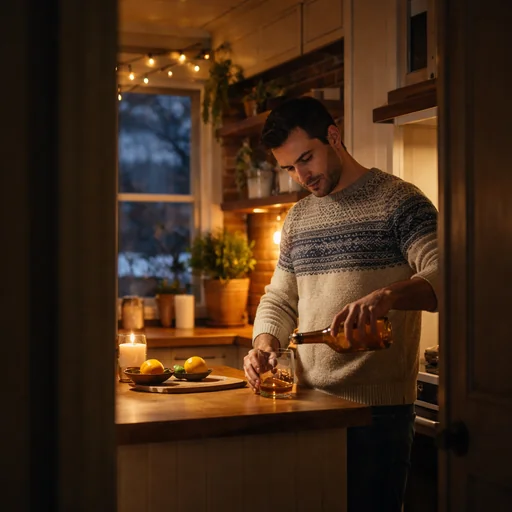
This is the move that does the most quiet work all night. A full glass is a full glass, and nobody inspects what is in it.
Hold a club soda with lime, a mocktail, or plain sparkling water between your alcoholic drinks. You blend right in, you have something to sip during toasts, and no server is prompted to swap it out.
If you want something that feels a bit more special, ask for a soda with a splash of cranberry and a lime, or a tonic with bitters. It reads as a cocktail and keeps the ritual without the alcohol.
An empty hand at a wedding gets filled fast. A drink in your hand, with or without alcohol, quietly takes you out of the refill cycle.
Alternating each real drink with water is the oldest trick in the book for a reason. It roughly halves your pace with no visible effort and keeps dehydration from stacking on top of the alcohol.
Here is how the same wedding tends to go with and without that kind of plan:
None of this means standing in a corner nursing a water. You can be fully in the party. You are just choosing when the alcohol shows up, instead of letting the bar decide for you.
The Toast Workaround
The champagne toast can feel mandatory. It is not, at least not the drinking part.
When the flutes come around, you have easy options. Accept the pour, then raise it, touch it to your lips, and set it back down. A toast is about the gesture, not the gulp.
You can also ask the passing server for a splash rather than a full glass, or simply hold your sparkling water and raise that instead. In a crowd of a hundred people, no one is tracking your flute.
If someone does notice and asks, keep it light and short. You are pacing yourself, you are driving later, you have an early morning. Our guide on how to explain not drinking has simple lines that end the conversation without making it a thing.
The toast is one moment. Handle it once, and the rest of the reception gets much easier.
Handling the Open Bar and the Refill Offers
The open bar is generous by design, and so are the people around you. Expect offers, and decide how you will answer before they come.
The cleanest approach is to already have a full glass. It is hard for anyone to press a drink on you when your hand is not empty, and that alone deflects most of it.
When you do want to decline, a warm "I'm good for now, thanks" works almost every time. You do not owe a reason, and you do not need to negotiate.
The NIAAA even publishes a short worksheet on building drink refusal skills, because having a ready phrase makes declining feel automatic. Our piece on how to say no to a drink walks through wording that feels natural.
It can help to loop in one person you trust, a partner or a close friend, so someone is quietly in your corner. You are not making a speech about it, just sharing the plan with one ally.
It also helps to remember why you came. A wedding is about the people, the vows, the dancing, and the reunions. The drinks are a prop, not the point.
If leaning on alcohol to feel loose in a crowd is the real worry, that is worth looking at on its own. We cover it in our guide to socializing without alcohol, which is full of ways to connect that do not run through the bar.
Plan Your Exit Before You Need It
Late night is when a good day tends to unravel. The dance floor thins, the bar is still open, and "one more for the road" starts to sound reasonable.
Decide your rough exit ahead of time. Knowing you are leaving after the couple's send-off, or at a set hour, gives every earlier choice a finish line.
Sort out how you are getting home before the reception, not during it. A booked ride or a designated driver removes the late-night pressure to keep the party going.
An exit plan is not about cutting the celebration short. It is about ending the day on your terms, while you still feel great, instead of pushing past the point where you do.
Where Naltrexone Fits for a Big Day
Sometimes the plan needs a little backup, especially when you already know an event will be long and drink-heavy. That is where a targeted approach to naltrexone can help.
Naltrexone is an FDA-approved medication for alcohol. Taken as a 50mg tablet at least an hour before drinking, it blocks the opioid receptors that release the flood of dopamine alcohol normally triggers.
In plain terms, it turns down the reward. The buzz that usually makes the second drink call for a third gets muted, so stopping after one or two feels easier.
In studies, people taking naltrexone often stop after one or two drinks instead of the four or five they might have had. The drive to keep going simply is not as loud.
This is why some people use naltrexone in a targeted way before a known occasion like a wedding. It takes some of the willpower out of the equation on exactly the day you want extra support.
Choose Your Horizon builds this kind of support around clinical, neurological, and behavioral science, with real physicians guiding the plan.
Some people take naltrexone daily, and others use it before specific events. A clinician can help you figure out which approach fits your goals.
A Word on the Morning After
The real reward for a paced wedding shows up the next day. You wake up clear instead of foggy, with the memories intact.
There is no dread about what you said during the toast, no scramble to piece the night back together. That quiet relief is worth more than the extra drinks ever were.
Feeling good the morning after a big event is not a consolation prize. It is the whole point of doing this, and it tends to make the next celebration easier too.
Putting It All Together
A wedding does not have to be a choice between joining the celebration and paying for it the next day. With a plan, you get both.
Eat before you drink. Keep water in the rotation. Hold a drink on your own terms, handle the toast in one easy move, and know when you are heading home.
None of this asks you to sit out the fun or explain yourself to anyone. It just puts you, rather than the open bar, in charge of the day.
If weddings and open bars keep getting away from you, that is common and very fixable. Support exists, and wanting a little help is a sign of self-respect, not a problem.
Frequently Asked Questions
How many drinks should I plan to have at a wedding?
Pick a number before you arrive that feels good to you. Many people aim for about one drink an hour at most, with water in between, so a long reception does not add up faster than they realize.
What can I order at an open bar that is not alcohol?
Club soda with lime, tonic with bitters, a mocktail, or sparkling water all look like a cocktail and keep your hands busy. Bartenders make these constantly and will not blink.
How do I handle the champagne toast without drinking?
Accept the flute and raise it, or hold your sparkling water instead. The toast is about the gesture. You can lift the glass, touch it to your lips, and set it down.
Will people notice if I am not drinking much?
Almost never. At a busy wedding, a full glass in your hand is all anyone registers. If someone does ask, a short "I'm pacing myself today" ends it.
Can I take naltrexone just for the wedding day?
Some people use naltrexone in a targeted way before a known drinking event, taken about an hour ahead. A clinician can tell you whether daily or as-needed use fits you better.
Why do I feel so much worse after a wedding than a normal night out?
Weddings are long, the drinks are free, and it is easy to skip meals and water while you are busy. More hours and more alcohol with less food and fluid usually means a rougher morning.
Weddings should be something you remember fondly, not something you recover from. If you want extra support for the big days, take the Alcohol Use Assessment to find out whether naltrexone from Choose Your Horizon is a good fit for you.