A 2 minute assessment to get a personalized mental health or alcohol recovery plan.

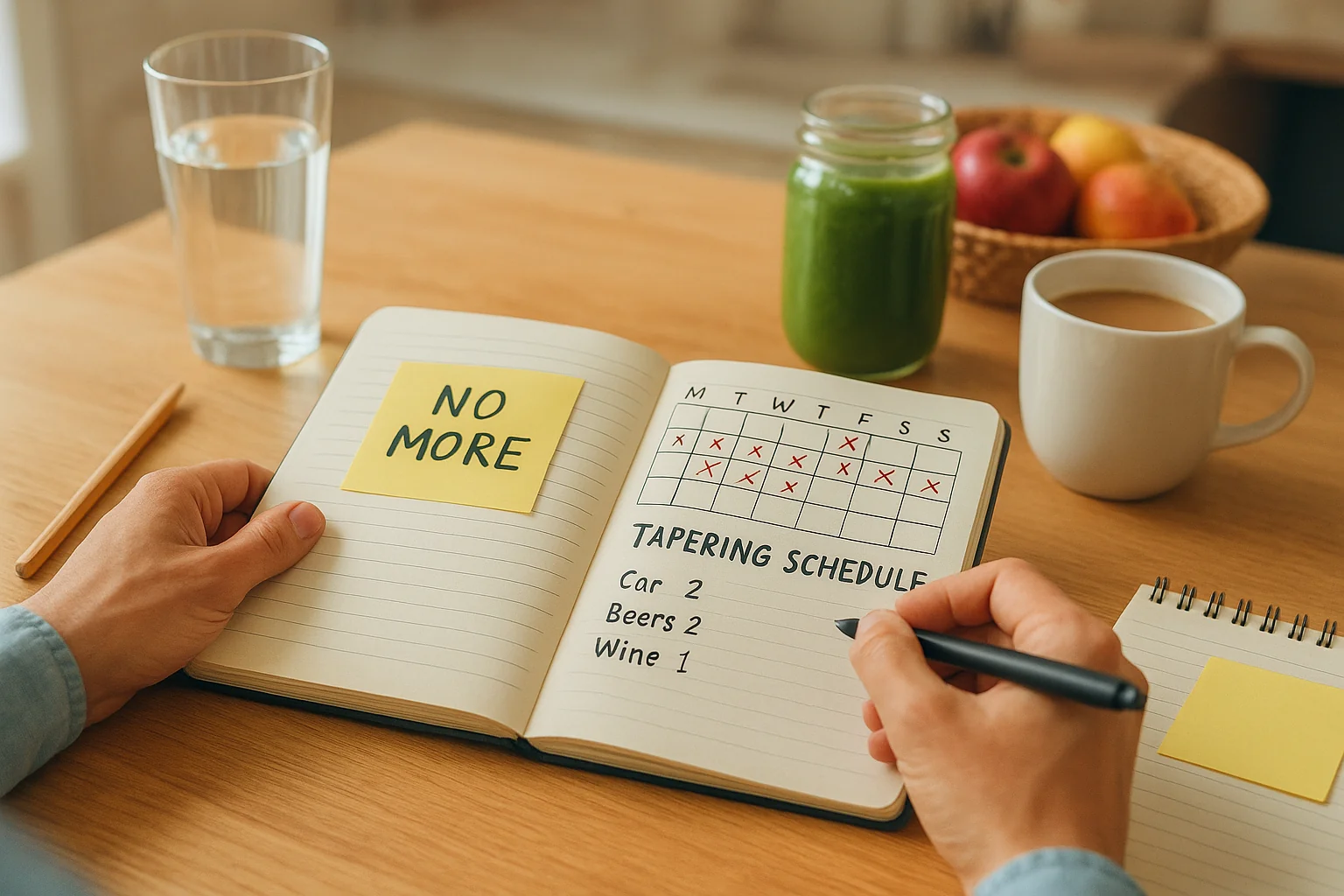
Quitting alcohol without withdrawal symptoms is possible when you take the right approach by planning ahead and taking it slow.
What You’ll Learn:
- What causes alcohol withdrawal symptoms.
- Why tapering off drinking is the best process for avoiding alcohol withdrawal.
- How naltrexone can help make the process much easier.
One characteristic of alcohol that indicates it’s an addictive substance is the fact that it can cause withdrawal symptoms. But it is possible to quit drinking without withdrawal symptoms making it borderline impossible if you take it slow and get support.
After helping people across the country take control of their drinking and curb alcohol cravings with naltrexone, we’ve developed some helpful insights on the process to take if you want to quit drinking without withdrawal getting in the way.
Know What Causes Alcohol Withdrawal Symptoms
There are a lot of things that you can consume regularly without withdrawal symptoms being a concern. Alcohol is different, because like other addictive substances, it can create a dependence. This is when a person adapts to having alcohol in their system, both physically and psychologically. When that happens alcohol is needed for a person to function in general.
Withdrawal symptoms are a result of the bodily dysfunction and emotional dysregulation. The negative experience is bad enough to prompt many people to continue drinking alcohol even when they know it’s problematic. Drinking alcohol comes with consequences, but it also makes the withdrawal symptoms subside.
For some people, alcohol withdrawal symptoms can start in just 8 hours of their last drink. This early on the withdrawal symptoms should be mild but as time passes they typically get worse. Withdrawal symptoms peak within 1-3 days and can last for weeks.
Why Taking It Slow is the Way to Avoid Alcohol Withdrawal
The trick to avoiding alcohol withdrawal symptoms is to taper off your drinking slowly and stay that course. Trying to quit cold turkey is a real shock to the system that’s pretty extreme. The body and brain suddenly don’t have a substance that it’s gotten used to and that impacts the function of a variety of systems.
By slowly drinking less the body and brain become less dependent on alcohol to function like normal.
The first thing to focus on is leveling out your alcohol consumption. Drink the same amount daily or less for a week. Set a benchmark and stick to it.
After a week you can start tapering off your drinking. The goal is to make the body less reliant on alcohol for normal functioning. You can do this in two ways:
Cut back on the number of drinks that are consumed.
Consume drinks with less alcohol.
You can combine the two or start with one then incorporate the other. If you are starting to feel withdrawal symptoms you’re cutting down on the alcohol too quickly.
This slow and steady method isn’t just better for minimizing withdrawal symptoms. It’s also safer given alcohol withdrawal can be life threatening. By slowly reducing how much you drink over the course of several weeks or more, you’ll be able to avoid withdrawal symptoms and get much closer to sobriety.
How to Use Naltrexone to Make the Process of Quitting Alcohol Easier All Around
When you reach the stage of tapering off your alcohol consumption, naltrexone can be a gamechanger. This part of the process is when a lot of people fall off. Between withdrawal symptoms and alcohol cravings, maintaining the course can be really hard without any assistance. After all, part of addiction is compulsive use of the addictive substance.
With naltrexone alcohol withdrawal avoidance is easier because it helps curb cravings by reducing alcohol’s effect on the brain’s reward system. You’ll find it easier to cut back on how much you are drinking when you’re far less motivated to drink.
Naltrexone is also used after the initial reduction period to help people continue controlling their alcohol use or maintain complete sobriety. For most people who experience withdrawal symptoms from alcohol use disorder it’s highly recommended that you keep taking naltrexone until you reach stable sobriety.
Choose Your Horizon provides support for anyone who wants to significantly reduce drinking or quit alcohol completely. Naltrexone prescriptions are available from qualified clinicians that can determine if it’s a solution for your situation. You can get the process started immediately by taking the online Alcohol Use Assessment.