A 2 minute assessment to get a personalized mental health or alcohol recovery plan.

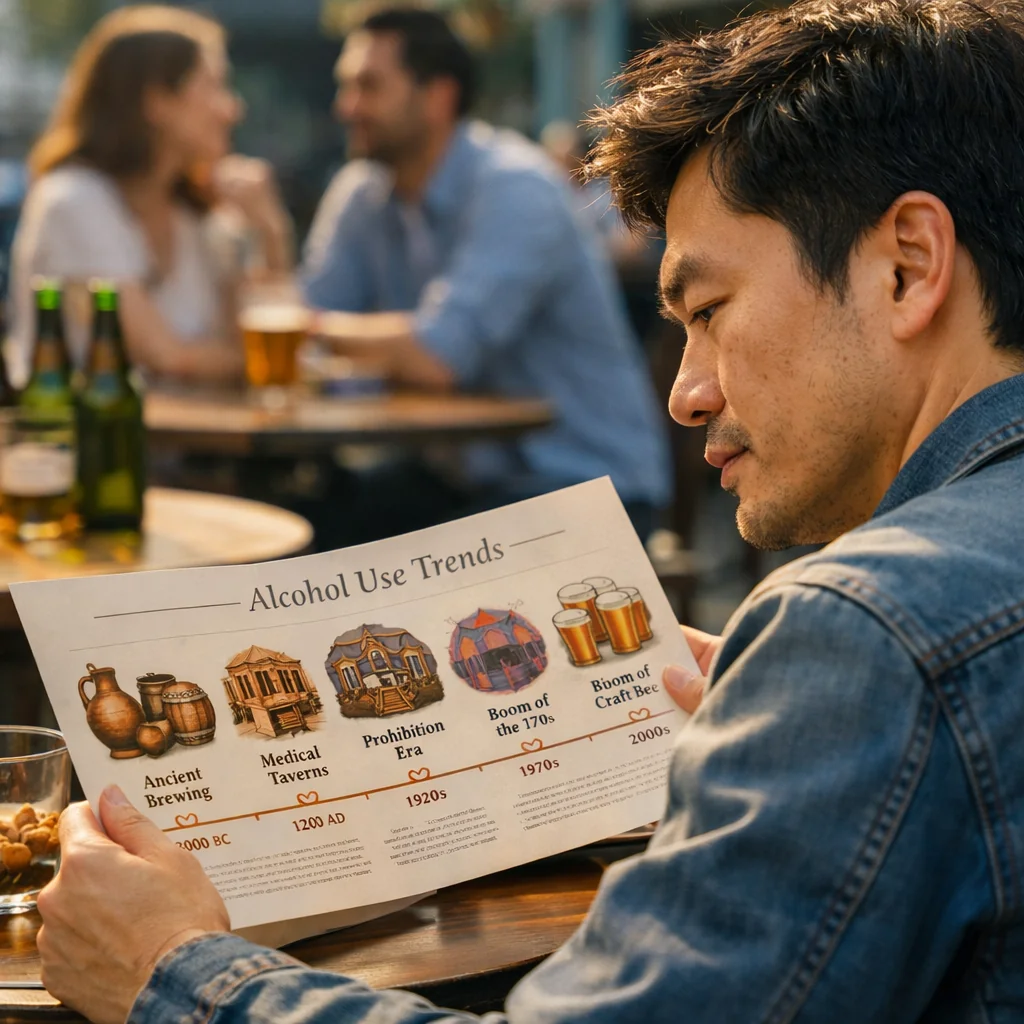
There are some reasons why men have historically struggled with alcohol use disorder more than women, but some of those trends are beginning to change.
What You’ll Learn:
• The historical influential factors affecting alcohol use among men:
• More binge drinking
• More risky use and Behavior
• More exposure to social norms that encourage drinking and downplay harm
• How alcohol consumption trends are changing.
• Alcohol use disorder is on the rise for women.
Since health organizations began tracking alcohol use, men have been more likely to have an alcohol use disorder (AUD). The latest stats find that 11.8% of men struggle with AUD compared to 7.6% of women. Doesn’t seem like much until you consider that it means men are more than 50% more likely to misuse alcohol in some form or fashion.
We’re taking a look at the historical trends and how they may be changing to figure out if men are actually more susceptible to alcohol use disorders. Plus, a few additional data points that are important to keep in mind.
Historical Trends That Influence Alcohol Use Among Men
It’s known by many that men are more likely to drink and when they do it’s usually more heavily than women. This is based on historical data that has shown a few key trends in men’s drinking habits that have held strong over time.
Earlier and Heavier Drinking
The earlier a person starts drinking the more likely they are to have issues with alcohol. Men tend to start drinking at a younger age than women.
On top of the age factor, men are also heavier drinkers than women. They simply consume more drinks, most likely because of other reasons on this list.
More Binge Drinking
Binge drinking is its own form of unhealthy alcohol consumption, and it’s a habit men are more likely to have. Based on reported data, women often have one or two drinks, possibly a third, and cap it at that. It’s less than the threshold for binge drinking, which is 4+ drinks.
For men, 5+ drinks is considered binge drinking. Even though the drink count is higher, men are more likely to binge drink.
More Risky Alcohol Use and Behavior
Another key difference between the sexes revolves around risk taking. Men in general are bigger risk takers than women. Young men in particular are more prone to risky behavior.
Alcohol use is certainly a risky behavior, so it makes sense from a biological perspective that men would be more likely to drink. When it comes to risk versus reward, some men see an upside in both.
Another more bleak trend has been that young men are more likely to die due to alcohol-related reasons, like car accidents. It’s part of the risky behavior pattern.
More Exposure to Social Norms That Encourage Drinking
Many cultures, including American culture, portray alcohol use as more masculine. In particular, binge drinking and chronic alcohol use are seen as more acceptable and normal behavior for a man. The harm that can come from drinking is also downplayed for men.
Instead of warning young men about the dangers of drinking, many are encouraged to drink. In fraternities, families and even corporate organizations, drinking is a part of the culture with widespread adoption.
How Things Have Been Changing in Recent Years
When you isolate things down to the last 100 or less years, essentially since Prohibition, the data starts to tell a slightly different story. The clearest change is the narrowing of the gender gap surrounding alcohol use disorder.
AUD Rates Are Down For Men
A big shift in the last few decades has been the declining rate of AUD for men. It’s an extremely positive sign that men are feeling less social pressure to drink, and making the choice not to as a man is becoming more acceptable. The health risks are also better known today and an influence on the declining AUD rate.
AUD Rates Are Increasing For Women
There’s been a lot of focus on the uptick in women that are drinking, particularly over the last 40 or so years. Now in some areas, young women drink as much or more than young men.
It’s not just a matter of changing societal norms. Biology also works against women.
• Their blood alcohol level spikes more quickly.
• They are more likely to get black out drunk.
• Telescoping effect is more common among women
• Women are more likely to develop serious health complications from alcohol use.
Biological factors come into play, but the social influencers around alcohol are undeniable when you look at the data through the years. Societal norms have created a major shift in who is drinking in the U.S. and how they are drinking.
For men, it’s actually a positive outlook based on where things are headed today. However, overall there is still a serious issue with alcohol use disorder that needs to be discussed openly so that anyone who needs support can get it.
Men and women that want to get a handle on their drinking can find more support than ever before. There are in-person groups and online resources that can help with environmental and social pressures. And medications are available to help with the biological components that are connected with drinking.
Prescription naltrexone and GLP-1 semaglutides are available through approved telehealth platforms and traditional pharmacies. They are aides that can help curb alcohol cravings in the short and long-term so that it’s easier to drink less or not at all.
The Alcohol Use Assessment is a quick and confidential first step for gauging key drinking behaviors based on the Audit-C score system. From there you can decide if you’d like to get additional support in the form of a meeting with a clinician, medication, the help of a therapist or all three.