A 2 minute assessment to get a personalized mental health or alcohol recovery plan.

The physical effects of alcohol range from temporary discomfort to lasting damage, depending on how much and how long you drink.
What You'll Discover:
• What happens to your body immediately when you drink alcohol.
• How alcohol affects your liver, heart, brain, and digestive system.
• Short-term physical effects vs long-term damage.
• Which physical effects are reversible if you stop drinking.
• How different drinking levels create different health risks.
• What options exist if you want to reduce alcohol's physical impact.
Alcohol touches nearly every system in your body. From the moment you take your first sip to years of regular drinking, the physical effects accumulate. According to the Centers for Disease Control and Prevention, excessive alcohol use causes approximately 140,000 deaths per year in the United States, many from physical health conditions directly caused by drinking.
Understanding what alcohol does to your body can inform decisions about your drinking habits.
What Happens Immediately When You Drink
The first thing to know is that alcohol's effects begin within minutes of your first drink. The process follows a predictable path.
Absorption - Alcohol passes through your stomach lining and small intestine into your bloodstream. This happens quickly, usually within 15 to 30 minutes. Drinking on an empty stomach speeds absorption; food slows it down.
Distribution - Once in the bloodstream, alcohol travels to every organ and tissue in your body. It crosses the blood-brain barrier easily, which is why mental effects appear so quickly.
Brain effects - Alcohol enhances GABA, an inhibitory neurotransmitter that slows brain activity. This produces the relaxed, sedated feeling. Alcohol also triggers dopamine release in the reward center of the brain, creating the pleasurable "buzz."
Metabolism - Your liver processes about 90% of the alcohol you consume at a rate of roughly one standard drink per hour. The liver converts alcohol into acetaldehyde, a toxic compound, then into acetate, which the body can eliminate.
If it seems like you feel effects before finishing your first drink, that's because absorption begins immediately in the stomach.
Short-Term Physical Effects
Beyond the immediate intoxication, drinking produces short-term physical effects that can last 24 hours or more.
Dehydration - Alcohol is a diuretic, meaning it increases urine production. This leads to dehydration, which contributes to headaches, fatigue, and dry mouth the next day.
Sleep disruption - While alcohol may help you fall asleep, it disrupts REM sleep and reduces overall sleep quality. You might sleep 8 hours and wake up exhausted.
Digestive irritation - Alcohol irritates the stomach lining and increases acid production. This can cause nausea, acid reflux, and stomach pain.
Inflammation - Drinking triggers an inflammatory response throughout the body. This contributes to the general feeling of malaise during a hangover.
Weakened immune function - Even a single episode of heavy drinking temporarily suppresses immune function, making you more susceptible to infections.
These effects resolve within a day or two for occasional drinkers. Regular heavy drinking means your body rarely fully recovers before the next drinking episode.
How Alcohol Affects the Liver
The liver bears the heaviest burden from alcohol because it's responsible for processing most of what you drink. Liver damage progresses through stages.
Fatty liver - Fat accumulates in liver cells after just a few days of heavy drinking. This is the earliest stage and is completely reversible if drinking stops.
Alcoholic hepatitis - Continued drinking causes inflammation and damages liver tissue. Symptoms include abdominal pain, fever, jaundice, and nausea. This stage can improve if drinking stops, though some damage may be permanent.
Cirrhosis - Scar tissue replaces healthy liver tissue. This is permanent damage that cannot be reversed, though progression stops if drinking stops. Severe cirrhosis can lead to liver failure.
Something to consider is that liver damage often occurs without obvious symptoms until it becomes advanced. Blood tests showing elevated liver enzymes may be the first indication of a problem.
For more on how alcohol affects different body systems, see our article on effects of alcohol on the brain.
How Alcohol Affects the Heart
Alcohol's effects on the cardiovascular system depend significantly on how much you drink.
Blood pressure - Regular drinking raises blood pressure. Hypertension is one of the most common alcohol-related health issues and a major risk factor for heart disease and stroke.
Heart muscle - Heavy drinking can weaken the heart muscle, a condition called alcoholic cardiomyopathy. The heart becomes less efficient at pumping blood.
Arrhythmias - Alcohol can trigger irregular heartbeats. "Holiday heart syndrome" refers to arrhythmias that occur after episodes of heavy drinking, even in people without underlying heart disease.
Stroke risk - Heavy drinking increases stroke risk through multiple mechanisms: high blood pressure, increased clotting factors, and potential for atrial fibrillation.
So, does moderate drinking protect the heart? The short answer is that recent research has called this into question. Earlier studies suggesting heart benefits may have been flawed. Current evidence suggests that any amount of alcohol carries some cardiovascular risk.
How Alcohol Affects the Brain
The brain is particularly vulnerable to alcohol's effects, both short-term and long-term.
Acute effects - Impaired judgment, slowed reflexes, reduced coordination, and memory blackouts are familiar to anyone who has been intoxicated. These occur because alcohol suppresses brain function.
Neurotransmitter disruption - Chronic drinking alters the balance of neurotransmitters including GABA, glutamate, dopamine, and serotonin. This affects mood, anxiety, sleep, and cognitive function.
Brain shrinkage - Research shows that regular heavy drinking is associated with reduced brain volume, particularly in the frontal cortex (responsible for decision-making) and hippocampus (responsible for memory).
Thiamine deficiency - Alcohol interferes with thiamine (vitamin B1) absorption. Severe deficiency can cause Wernicke-Korsakoff syndrome, which involves confusion, coordination problems, and permanent memory impairment.
Research from the University of Oxford found that people who drank four or more drinks daily had nearly six times the risk of hippocampal shrinkage compared to non-drinkers.
How Alcohol Affects the Digestive System
Beyond the liver, alcohol affects the entire digestive tract.
Stomach - Alcohol irritates the stomach lining and increases acid production. This can cause gastritis (inflammation of the stomach lining), ulcers, and chronic acid reflux.
Pancreas - Heavy drinking is a leading cause of pancreatitis, a painful and potentially serious inflammation of the pancreas. Chronic pancreatitis can lead to diabetes and digestive problems.
Intestines - Alcohol damages the lining of the intestines, affecting nutrient absorption and potentially causing "leaky gut." This allows bacteria and toxins to enter the bloodstream.
Nutrient absorption - Alcohol interferes with the absorption of vitamins and minerals including B vitamins, zinc, and magnesium. Malnutrition is common among heavy drinkers even when food intake is adequate.
Cancer Risk
According to the World Health Organization, alcohol is classified as a Group 1 carcinogen. This is the same category as tobacco.
Alcohol consumption increases the risk of several cancers:
• Mouth, throat, and esophagus - Risk is 2 to 3 times higher in regular drinkers
• Liver cancer - Often develops from alcohol-related cirrhosis
• Breast cancer - Each drink per day increases risk by about 7 to 10%
• Colorectal cancer - Heavy drinking significantly increases risk
More than 20,000 people die from alcohol-related cancers each year in the United States. There is no "safe" level of drinking when it comes to cancer risk.
What's Reversible vs Permanent
If it seems like the physical effects of alcohol are overwhelming, understanding what can be reversed offers perspective.
Typically reversible:
• Fatty liver disease
• Elevated blood pressure (often normalizes within weeks)
• Sleep quality
• Digestive inflammation
• Immune function
• Brain fog and cognitive impairment (improves over months)
• Weight and body composition
May improve but not fully reverse:
• Alcoholic hepatitis (depends on severity)
• Heart muscle function (depends on how much damage occurred)
• Some brain changes (neuroplasticity allows partial recovery)
Generally permanent:
• Cirrhosis (scar tissue doesn't revert to healthy tissue)
• Severe Wernicke-Korsakoff syndrome
• Some forms of nerve damage (peripheral neuropathy)
The key factor is how advanced the damage was before drinking stopped. For that reason, addressing drinking patterns earlier tends to lead to better physical outcomes.
For more on how the body heals after stopping, see our article on how long alcohol withdrawal lasts.
Addressing the Physical Effects
If you're concerned about alcohol's physical effects, options exist.
Reduce or stop drinking - The most direct way to address physical effects is to reduce alcohol intake. Your body begins healing as soon as you cut back.
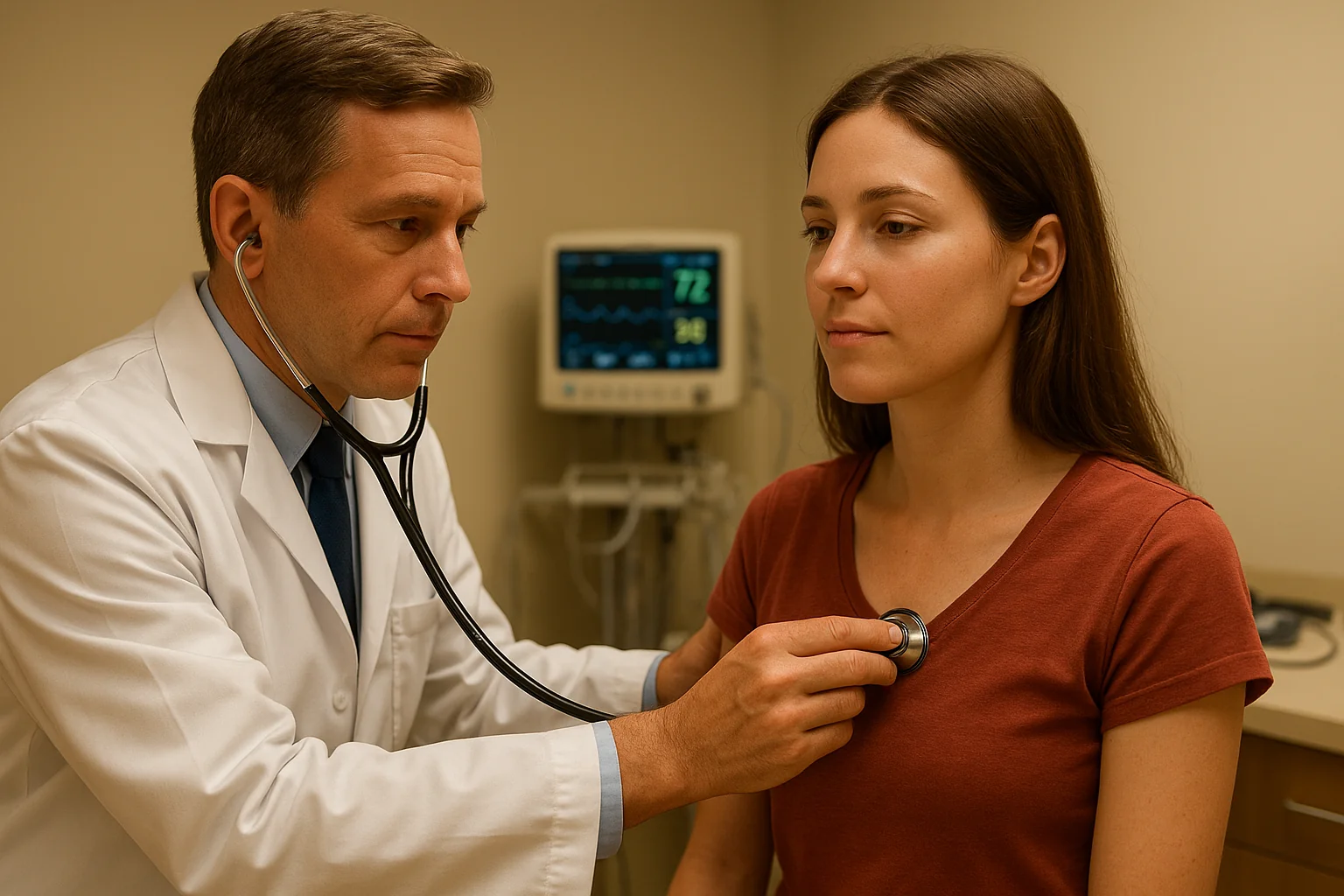
Medical evaluation - A doctor can assess for alcohol-related health issues through blood tests, liver function panels, and physical examination.
Medication support - Naltrexone is an FDA-approved medication that reduces cravings and the rewarding effects of drinking. It works by blocking opioid receptors in the brain, making alcohol less appealing.
Naltrexone is taken as a daily 50mg tablet and doesn't require complete abstinence. Many people use it while gradually reducing their drinking. Research shows that people taking naltrexone have significantly fewer heavy drinking days.
Nutritional support - Addressing vitamin deficiencies, particularly B vitamins and thiamine, supports recovery.
All that said, the body's ability to heal is remarkable when given the chance. Most people who reduce or stop drinking notice significant improvements within weeks to months.
Our article on how naltrexone helps you regain control explains the medication in more detail.
Taking the Next Step
The physical effects of alcohol are real and measurable, but many are reversible with reduced drinking. Understanding what alcohol does to your body provides motivation for change.
If you want to reduce your drinking and allow your body to heal, medication can make the process easier.
Take the online Alcohol Use Assessment to learn more about your drinking patterns and see if naltrexone could help you meet your goals.