A 2 minute assessment to get a personalized mental health or alcohol recovery plan.

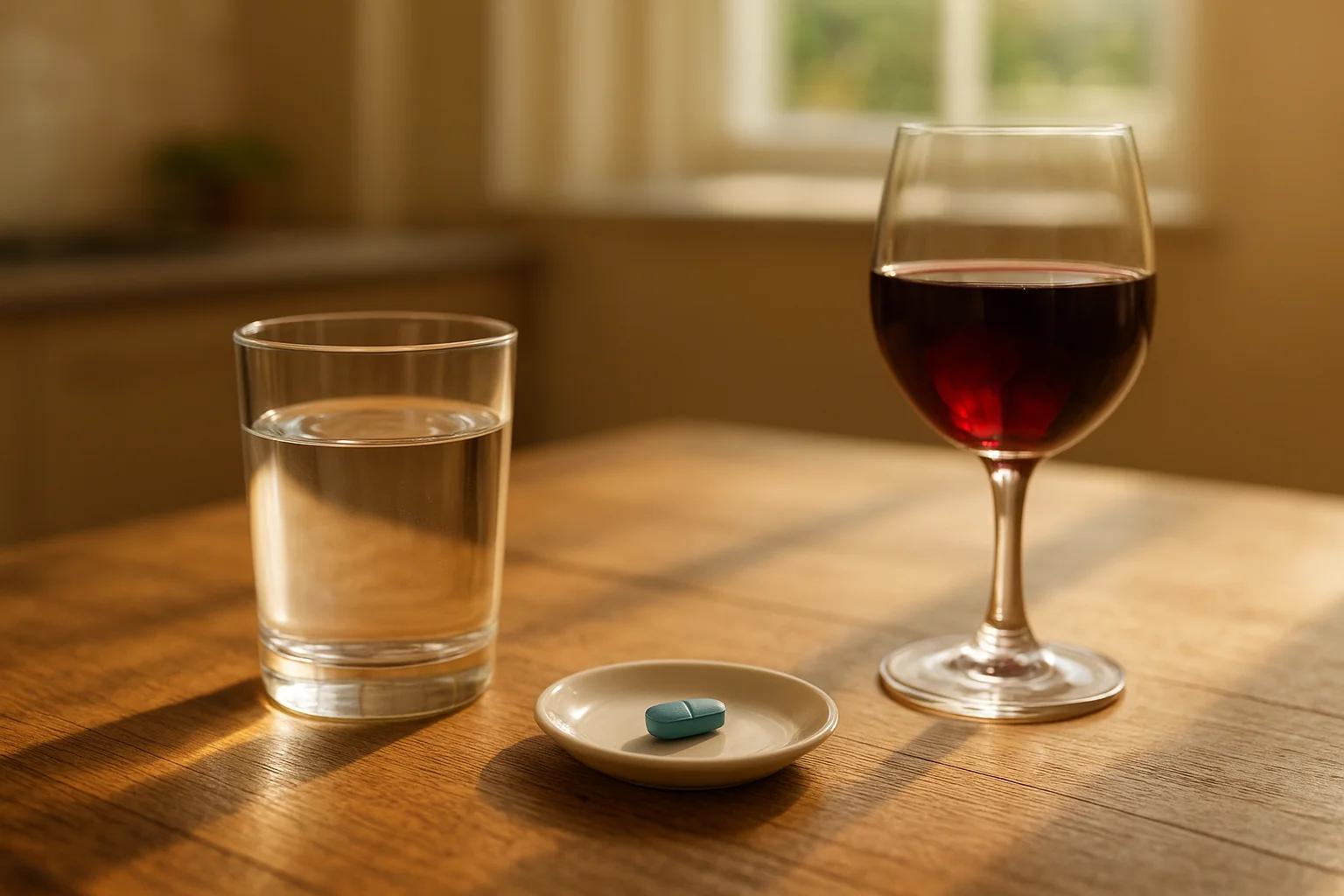
Rybelsus is the oral form of semaglutide, and it has the same interactions with alcohol that injectable GLP-1 medications do. Here is what the research shows.
What You'll Discover:
• Whether it is safe to drink alcohol while taking Rybelsus
• How Rybelsus affects alcohol tolerance and stomach function
• The emerging research on GLP-1 medications and alcohol cravings
• How the oral format changes things compared to Wegovy or Ozempic
• How Rybelsus compares to naltrexone for people who want to drink less
Rybelsus is the oral tablet form of semaglutide, the same active ingredient in Ozempic and Wegovy. It is approved for type 2 diabetes management and is taken as a once-daily pill rather than a weekly injection.
Because it is something people take every single day, questions about alcohol come up constantly. Whether it is safe to drink and whether alcohol affects how well the medication works are both fair questions.
What to make of the reports about reduced cravings is another one entirely.
The short answer is that it depends on timing, your individual situation, and what your goal actually is.
The Absorption Issue: Why Timing Matters More With Rybelsus
This is where Rybelsus differs meaningfully from injectable semaglutide.
Rybelsus must be taken on an empty stomach with no more than four ounces of plain water, at least 30 minutes before eating, drinking anything else, or taking other medications. This is not optional.
The oral bioavailability of semaglutide is dramatically lower than the injectable form, and the absorption mechanism only works on a fasting stomach.
Alcohol consumed less than 30 minutes after a dose will significantly reduce how much medication is absorbed. The tablet may pass through largely unabsorbed, reducing or eliminating the therapeutic effect for that day.
If you plan to drink, take Rybelsus correctly on an empty stomach well before any alcohol consumption begins. That window matters more here than with any of the injectable versions.
How Rybelsus Affects Alcohol Tolerance
Like all GLP-1 medications, Rybelsus slows gastric emptying. That change affects how quickly alcohol moves from your stomach into your bloodstream.
The result is that alcohol absorption becomes less predictable. Some people get more intoxicated than expected from the same number of drinks. Others experience nausea or discomfort that wasn't there before starting the medication.
The National Institute on Alcohol Abuse and Alcoholism notes that the rate of gastric emptying is one of the key factors in how quickly blood alcohol concentration rises. Rybelsus alters that rate.
Your pre-Rybelsus drinking patterns are no longer a reliable guide. Two drinks that felt manageable before may feel significantly stronger on the medication.
The GLP-1 and Alcohol Craving Connection
One of the more interesting findings in recent research is that GLP-1 medications appear to reduce alcohol cravings beyond just the nausea that makes drinking uncomfortable.
GLP-1 receptors exist in the brain's reward system, the same circuits that drive the reinforcing effects of alcohol. Research published in Scientific Reports found that semaglutide significantly reduced alcohol consumption in animal models.
The effect was mediated through brain reward circuitry, not GI discomfort.
Many Rybelsus, Ozempic, and Wegovy users report spontaneously drinking less after starting the medication. Some describe alcohol simply becoming less appealing, a shift in motivation rather than just feeling sick.
Clinical trials are ongoing to formally evaluate semaglutide for alcohol use disorder. The early evidence is compelling enough that this has become an active area of research. We cover the broader picture in our article on semaglutide and alcohol cravings.
Safety Considerations
GI side effects. Rybelsus's most common side effects are nausea, vomiting, and digestive upset. These are especially prominent in the first few months of treatment.
Alcohol amplifies all of them, and many people on Rybelsus find that even small amounts trigger significant nausea during the dose-escalation phase.
Hypoglycemia. Rybelsus is prescribed for type 2 diabetes, meaning many users are managing blood sugar alongside other medications. Alcohol lowers blood sugar independently.
The combination requires attention, particularly for anyone on insulin or sulfonylureas alongside Rybelsus.
Pancreatitis. Both GLP-1 medications and heavy alcohol use carry an independent, small risk of pancreatitis. Heavy drinking while on Rybelsus is not advisable.
The risk is low for moderate drinkers, but it is worth discussing with your prescriber if you drink more than occasionally.
Rybelsus vs Naltrexone: Different Tools for Different Goals
If reducing alcohol use is a priority, it helps to understand how these two options compare.
Rybelsus is approved for type 2 diabetes management. Its potential to reduce alcohol cravings is an emerging secondary finding. If your primary goal is to drink less, Rybelsus is not the right first-line choice for that purpose on its own.
Naltrexone is FDA-approved specifically for alcohol use disorder. It works by blocking the opioid receptors that alcohol activates, blunting the reward response and reducing cravings over time.
The 2023 JAMA meta-analysis of 118 clinical trials confirmed it as a first-line pharmacotherapy for AUD, with a number needed to treat of 11 to prevent return to heavy drinking.
Naltrexone is accessible through primary care or telehealth without a specialty referral and is covered by most insurance plans. For someone already on Rybelsus who also wants to reduce drinking, a prescriber can evaluate whether adding it makes sense.
We compare the two approaches in detail in our article on naltrexone vs GLP-1 medications for alcohol use disorder.
What to Tell Your Doctor
If you are on Rybelsus and you drink, mention it at your next visit. Let your prescriber know roughly how much you drink per week.
If you have noticed reduced cravings since starting Rybelsus, that is worth sharing. It gives your care team useful information and opens the door to a conversation about whether additional support would be helpful.
If you are interested in naltrexone specifically, you can raise it directly. Many primary care physicians are comfortable prescribing it, and telehealth options make it straightforward to access.
The Bottom Line
Rybelsus and alcohol can coexist, but not without some adjustment.
The oral absorption rules mean timing matters more with Rybelsus than with any of the injectable versions. Your tolerance will likely be lower than it was, and GI side effects are amplified.
And while Rybelsus does appear to reduce cravings for some people, that effect is not consistent enough to serve as the primary reason to use it for alcohol concerns.
If drinking less is a goal, naltrexone remains the most evidence-supported medical option specifically designed for that purpose.
Find out if naltrexone could be a good fit for your situation. Choose Your Horizon offers a fully online Alcohol Use Assessment that takes just a few minutes and does not require a face-to-face appointment.
Take the online Alcohol Use Assessment and see if naltrexone could be a good fit for you.