A 2 minute assessment to get a personalized mental health or alcohol recovery plan.

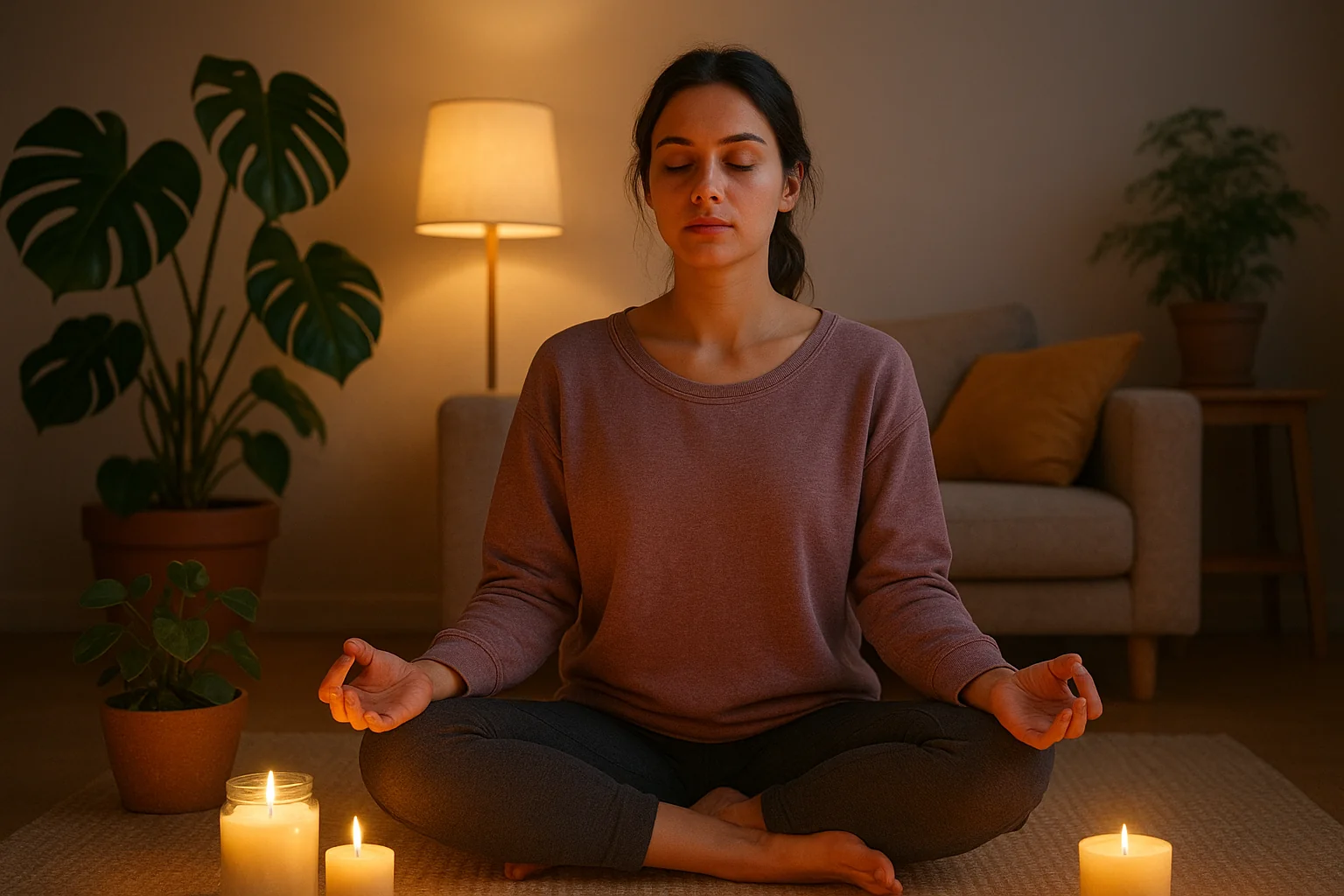
Many people use alcohol to manage emotions. Here are healthier ways to calm yourself that actually work long-term.
What You'll Learn:
• Why alcohol seems to soothe but ultimately makes emotional regulation harder.
• Techniques for managing anxiety without drinking.
• How to cope with stress, boredom, loneliness, and difficult emotions.
• Building sustainable self-soothing skills that don't create new problems.
For many people, alcohol is their primary tool for emotional regulation. Stressful day? A drink takes the edge off. Social anxiety? Alcohol makes it bearable. Sad or lonely? Drinking numbs the pain. When alcohol is how you've learned to manage difficult emotions, giving it up means developing entirely new skills—skills that actually work without creating problems of their own.
The good news is that effective self-soothing techniques exist. They don't work exactly like alcohol—nothing provides that same immediate, powerful numbing—but they provide genuine relief that improves rather than worsens over time.
Why Alcohol Feels Soothing (And Why It Backfires)
Understanding why alcohol seems to work helps explain what you're looking for in alternatives.
According to the National Institute on Alcohol Abuse and Alcoholism, alcohol enhances GABA (the brain's primary calming neurotransmitter) while suppressing glutamate (an excitatory neurotransmitter). This dual action genuinely reduces anxiety and creates sedation. The stress response quiets. Worries recede. Muscles relax.
This effect is real and immediate. Within minutes of drinking, you feel calmer. For people with high baseline anxiety or strong emotional reactivity, this relief is powerfully reinforcing.
The problem is that the relief is temporary, and what follows is the opposite. As your body processes the alcohol, GABA activity drops below normal and glutamate activity increases. You experience rebound anxiety—often worse than what prompted the drinking.
Research published in Alcohol and Alcoholism shows that chronic alcohol use increases baseline anxiety over time. Your brain adapts to alcohol's presence by recalibrating. Without alcohol, you feel more anxious than you did before you started drinking.
This creates a cycle: you drink to relieve anxiety, the alcohol causes more anxiety, you drink more to relieve that anxiety, and so on. What started as self-soothing becomes a cause of the very distress you're trying to manage. Additionally, alcohol prevents you from developing genuine coping skills. Every time you drink to manage an emotion, you miss an opportunity to learn that you can handle that emotion without substances.
Techniques for Anxiety
Anxiety responds particularly well to physiological interventions because it's fundamentally a nervous system state.
Your breath is the fastest way to shift your nervous system state. Slow, deep breathing activates the vagus nerve, which triggers the parasympathetic ("rest and digest") response. According to research in Frontiers in Human Neuroscience, controlled breathing reduces anxiety and improves emotional control.
Several breathing techniques work well. The 4-7-8 technique involves inhaling through your nose for 4 counts, holding for 7 counts, and exhaling slowly through your mouth for 8 counts—the extended exhale is key because it activates the parasympathetic system. Box breathing involves inhaling for 4 counts, holding for 4 counts, exhaling for 4 counts, and holding for 4 counts before repeating several times. This technique is used by Navy SEALs for stress management. Diaphragmatic breathing means breathing deeply into your belly rather than your chest. Place a hand on your stomach and ensure it rises with each inhale. Slow, belly breaths signal safety to your nervous system.
These techniques work immediately but also build skill with practice. The more you use them, the more effective they become, and the more naturally calm your baseline becomes.
Anxiety also manifests in the body, so physical interventions can shift the state. Splashing very cold water on your face triggers the "dive reflex"—a physiological response that slows heart rate and promotes calm. In acute anxiety, this can provide immediate relief. Progressive muscle relaxation involves systematically tensing and releasing muscle groups throughout your body, releasing physical tension that accompanies anxiety and directing attention away from anxious thoughts. Vigorous exercise is effective because anxiety involves stress hormones like adrenaline and cortisol preparing your body for action. Exercise uses these hormones for their intended purpose, then allows your body to return to baseline. Even simple movement and shaking can help—animals shake after stressful encounters to discharge stress energy.
When anxiety spirals into racing thoughts or panic, grounding brings you back to the present moment. The 5-4-3-2-1 technique involves naming 5 things you can see, 4 you can hear, 3 you can touch, 2 you can smell, and 1 you can taste. This engages your senses and shifts attention from anxious thoughts to present reality. Physical grounding means pressing your feet firmly into the floor, feeling the chair supporting you, and touching something with texture while noticing the sensation. These physical anchors remind your nervous system that you're safe. Simply naming the emotion by saying "I'm feeling anxious" creates distance from the feeling. Research shows that naming emotions reduces their intensity by engaging the prefrontal cortex.
Techniques for Stress
Stress requires both immediate relief techniques and longer-term management strategies.
When stress is acute, you need quick interventions. Stepping outside for a brief change of environment and fresh air can shift your state—even five minutes outside reduces stress markers. Brief movement like a quick walk, some stretching, or a few minutes of exercise provides immediate stress relief. According to the American Psychological Association, physical activity reduces stress hormones and improves mood. Calling someone helps because talking to a supportive person provides genuine relief. The co-regulation that happens in safe connection reduces stress more effectively than trying to calm yourself alone. The cold water dive reflex works for stress as well as anxiety. Listening to music affects mood rapidly, so having a playlist of calming or mood-lifting songs ready for stress moments can help.
For chronic stress, ongoing practices matter more than acute interventions. Regular exercise reduces baseline stress reactivity—you don't need extreme workouts, as regular moderate exercise produces significant benefits. Adequate sleep is fundamental because sleep deprivation amplifies stress and impairs coping. Research shows that time in natural environments reduces cortisol and improves mood. Regular nature exposure, even in urban parks, builds stress resilience. Research in JAMA Internal Medicine found that mindfulness meditation reduces anxiety and depression, with effects that build with practice. Sometimes the best stress management is reducing the sources of stress through boundary setting—setting limits at work, ending draining relationships, or saying no to commitments that don't serve you.
Techniques for Loneliness
Loneliness is a common drinking trigger that requires connection-based solutions.
Loneliness's solution is connection, but loneliness often makes reaching out feel impossible. Push through the resistance. Text or call someone, because even brief contact reduces loneliness. Don't wait until you have something important to say—simple check-ins maintain connection. Make plans to ensure scheduled social time even when you don't feel like initiating, and put social activities on your calendar like appointments. Join groups organized around shared interests like hobbies, fitness, volunteering, or learning, as these provide structured opportunities for connection. Support groups for alcohol recovery provide connection with people who understand what you're going through.
When connection isn't available, you can practice being good company for yourself. Treat yourself kindly by speaking to yourself as you would to a good friend. Self-criticism deepens loneliness while self-compassion eases it. Engage in activities you enjoy, because doing things you find meaningful alone is different from sitting in passive emptiness. Research shows self-compassion practices reduce loneliness and improve emotional wellbeing.
If loneliness is persistent, consider bigger changes. Evaluate your living situation, as living alone isn't for everyone. Roommates, co-housing, or moving closer to family and friends might address underlying loneliness. Consider a pet, because animal companionship provides real connection. Dogs especially create opportunities for social interaction with other humans. Seek therapy if loneliness stems from social anxiety, difficulty maintaining relationships, or other issues that therapy can address at the root causes.
Techniques for Sadness
Sadness requires a different approach than anxiety or stress—sometimes you need to feel it rather than make it go away.
Sadness is a normal human emotion, not a problem to solve. Attempting to avoid or suppress it often makes it stronger. Let yourself feel sad by sitting with the emotion without trying to fix it. Notice where you feel it in your body. Breathe. Cry if you need to, because crying releases stress hormones and often provides genuine relief. Allow tears rather than fighting them. Don't judge the emotion—having feelings isn't weakness, and judging yourself for feeling sad adds suffering to sadness.
After allowing the feeling, comfort matters. Physical comfort during emotional pain is valid self-care, so wrap yourself in a blanket, take a warm bath, or hold something soft. Engage in soothing activities by watching something comforting (not numbing—there's a difference), listening to meaningful music, or reading something engaging. Physical nourishment supports emotional recovery, so eat something satisfying because sadness often depletes.
Sharing sadness with a supportive person often lightens it. You don't need solutions—just presence. If sadness doesn't lift, seek professional help, as persistent sadness may indicate depression requiring treatment. There's no shame in getting help.
Techniques for Boredom
Boredom is an underrecognized drinking trigger that requires engagement rather than numbing.
Passive activities like scrolling and watching rarely relieve boredom. Active engagement does. Hobbies that challenge you—learning an instrument, creating art, building things, solving puzzles—are activities that require attention and skill development and combat boredom effectively. Physical activity engages your body and shifts your state, and even when you don't feel like it, movement usually improves how you feel. Learning something new, whether taking a class, reading something challenging, or developing a new skill, provides the mental engagement that boredom craves.
Boredom often signals lack of direction. Setting goals gives structure to time that might otherwise feel empty. Creating daily and weekly routines reduces the aimless time that invites boredom-drinking. Finding meaning through volunteering, creative projects, and relationships combats the emptiness that boredom represents.
Sometimes boredom masks something else. If you're experiencing loneliness, the solution might be connection rather than activity. Chronic boredom might signal that your life isn't aligned with your values, and bigger changes might be needed. Loss of interest in activities can indicate depression—if nothing feels engaging, consider professional assessment.
Building Self-Soothing Skills
These techniques are skills that improve with practice.
Learn these techniques when you don't urgently need them. Practicing breathing exercises, grounding techniques, and comfort routines when calm makes them accessible when you're distressed.
Different situations call for different approaches. Have multiple techniques ready. For acute anxiety, try breathing, cold water, and grounding. For stress, use exercise, connection, and nature. For loneliness, reach out to others, practice self-compassion, and engage in meaningful activities. For sadness, allow the feeling, provide physical comfort, and seek support. For boredom, pursue active engagement, find purpose, and create structure.
Be patient with yourself. Alcohol's effects are immediate and powerful. These techniques work differently—often more subtly and building over time. Don't expect instant transformation. The first time you use breathing exercises during anxiety, they might barely help. The hundredth time, they might be your go-to tool that works reliably. Skill builds with repetition.
Notice when you successfully navigate difficult emotions without alcohol. This reinforces the new skills and builds confidence that you can manage feelings without substances. During your first week without alcohol, emotions may feel intense as your brain adjusts. Having these skills ready helps you navigate this challenging period.
When Self-Soothing Needs Support
If emotions consistently feel overwhelming despite genuine efforts at self-soothing, additional support may be needed.
For underlying anxiety, depression, trauma, or emotion regulation difficulties, therapy provides tools and addresses root causes. Sometimes brain chemistry needs medical support, and medication for anxiety or depression isn't failure—it's appropriate treatment. Naltrexone reduces alcohol cravings, making it easier to use alternative coping strategies rather than defaulting to drinking. Connection with others navigating similar challenges through support groups provides both practical strategies and emotional support.
For comprehensive alternatives to alcohol, see our guide to alcohol alternatives.
Summary
Self-soothing without alcohol means developing a toolkit for different emotional states.
For anxiety, breathing exercises, cold water, physical interventions, and grounding techniques shift nervous system state. Practice when calm so techniques are available during distress. For stress, immediate relief through movement, connection, and environment change combines with ongoing management through exercise, sleep, nature, meditation, and boundaries to build resilience. For loneliness, reach out to others, join communities, practice self-companionship, and address underlying causes of chronic loneliness. For sadness, allow the feeling, comfort yourself, and reach out for support. Seek professional help if sadness persists. For boredom, engage actively in challenging activities, create purpose and structure, and investigate whether boredom masks other needs.
If you're learning to manage emotions without alcohol and want additional support, take an Alcohol Use Assessment to explore your options.