A 2 minute assessment to get a personalized mental health or alcohol recovery plan.


Alcohol use costs thousands of people their careers every single year. It’s actually one of the last major consequences of unhealthy drinking, but there are signs that can help you recognize the problem and get control before your career seriously suffers.
What You’ll Learn:
• How much drinking impacts the American workforce.
• Clear signs that alcohol is having a negative affect on your career.
• What to do to curb alcohol cravings and keep career goals on track.
Alcohol use costs the American economy roughly $249 billion a year. It’s an issue that’s been heavily researched because it is so costly in so many ways. It hurts the economy overall, it hurts local businesses and it hurts the careers of individuals.
If you’re wondering how your alcohol use is affecting work, chances are good that you’ve already noticed one or more of the signs that alcohol is hurting your career.
Inebriation is Hurting Your Productivity
Let’s start with the most obvious sign that alcohol consumption is having a negative impact on your career. If you aren’t as productive as you could be because you’re inebriated there’s a problem.
For many professionals, this is an issue of choosing to drink over choosing to work. You may be putting in fewer hours or taking less initiative so that you have less to do. Professionals that work on their own as solopreneurs, consultants or freelancers can easily fall into this trap since they don’t have a set schedule.
Drinking Alcohol on the Job
Another clear sign there’s a problem is drinking while working. Even bartenders who are surrounded by alcohol and pouring drinks for others are expected to remain sober while working.
If you can’t make it through the work day without a drink, it signifies that you may have developed a dependence on alcohol. This is a big issue for people who work remotely from home that was made painfully clear during the pandemic. As rates of remote work increased so did alcohol consumption because of easy access and lack of supervision.
You’re Less Interested in Furthering Your Career
If you used to be a hardcharger with career goals that you enjoyed achieving but now drinking has become the focus, that’s a troubling sign. Alcohol addiction has a way of killing the enjoyment you used to find in other things. As dependence sets in and cravings increase, your mind becomes more preoccupied with drinking alcohol.
Your Performance Has Started to Slip
If you aren’t performing as well as you used to at work it could be due to drinking. Chronic drinking is particularly problematic for performance because issues like poor sleep compounds. Alcohol can hurt performance by increasing the likelihood of errors, missed deadlines and poor decision making.
The biggest red flag here is getting a bad performance review at work or having a supervisor meet with you about your performance. It’s a wakeup call that needs to be taken seriously because a decline in work performance has become noticeable.
Worsening Relationships at Work
Alcohol can also have a negative impact on how you interact with people at work, which can cause performance problems. Workplaces rely on collaboration to function well. When collaborating with cowokers and following the direction of supervisors is hindered, so is performance for everyone.
Research has shown that people who have an alcohol use disorder are more likely to experience interpersonal conflict at work. It’s what’s commonly referred to as creating a toxic work environment.
Hangovers Are Hurting Your Productivity
One of the most common issues is people coming to work the next day hung over from drinking the night before. You made it into work, but you’re definitely going through the motions only. Complex tasks and creative thinking are going to be shelved at least until the afternoon when you’re hopefully feeling better. But even then, you won’t be as productive as normal since you aren’t well rested.
It’s something that is called presenteeism. An employee shows up for work, but they aren’t truly ready to work. Presenteeism, along with absenteeism, accounts for about $179 billion of the annual economic costs related to alcohol use.
Here’s a hard statistic to keep in mind: employees who drink heavily are 33% less productive.
You’re Taking Sick Days to Nurse a Hangover
Some people are so hung over from drinking that they can’t even make it into work. Instead, they call in sick and take the day off.
This might happen on a rare occasion after your birthday or a big event, but if it’s happening regularly it’s a sign of a serious problem. Studies have found that people with an AUD miss 32 days of work annually. The average worker only takes 13 days off work a year.
People with alcohol use disorders are twice as likely to be fired. A big reason why they are let go is because they aren’t showing up for work.
You’re Being Given Less Responsibility
When your career is on track and advancing, you’re going to be given more responsibility, better clients and bigger projects. It’s the result of earning the trust of decision makers who think you can handle it. When the opposite is true, you’re more likely to be given fewer, less complex tasks that don’t help you move your career forward.
Finding yourself in this position can actually be an indicator that the company may be considering letting you go because of alcohol-related performance issues. They may be handing your regular responsibilities off to someone else and essentially phasing you out.
Causing Injuries on the Job
Something that every employer takes seriously is preventing workplace injuries. In addition to caring about the wellbeing of their employees, injuries can be a huge liability risk that costs thousands and could even get licenses revoked.
According to the National Institute on Alcohol Abuse and Alcoholism (NIAAA) alcohol-related work injuries cost businesses over $108 billion a year. That massive cost includes emergency room visits and hospital stays.
Inebriation and being hungover significantly increases the risk that you’ll cause an injury on the job. If it’s already happened, that means your drinking has harmed someone and that is unacceptable in any work environment. It may be best to take a leave of absence until you can get your drinking under control to avoid another accident.
What You Can Do to Get Drinking Under Control Before It Derails Your Career
Seek Out Counseling
The first thing that you’ll want to do is examine why your attention shifted from advancing your career to consuming alcohol. For some, it’s work stress that prompts the unhealthy habit of coping with alcohol. For others there are underlying issues that began before entering the workforce.
Counseling comes in many forms. You can talk to someone who specializes in substance abuse, a general therapist that uses cognitive behavioral therapy or a career counselor that will help you reconnect with your work-related goals and ambition.
Choose Your Horizon has a special program that connects therapists with people who are trying to reduce alcohol use or quit drinking entirely. It’s an easy way for busy professionals to find the help they need.
Get a Naltrexone Prescription to Curb Alcohol Cravings
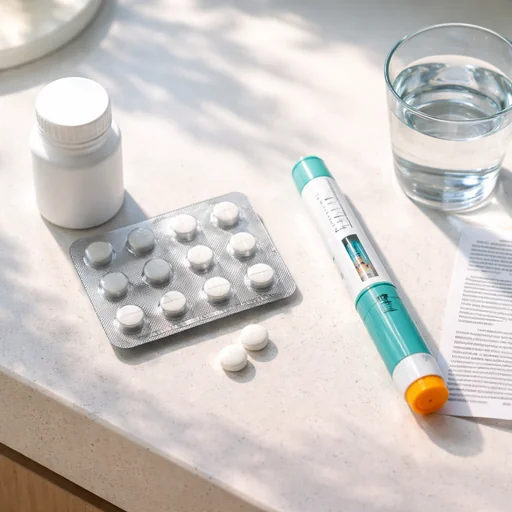
If you are finding it difficult to curb alcohol cravings, a naltrexone prescription could be the solution. Naltrexone is an FDA-approved medication that is proven to dull the effects of alcohol and alter reward pathways in the brain so that cravings significantly diminish.
Invest in Your Career
Making an investment in your career is a powerful way to bring your focus back to where you want it to be. That could mean signing up for a certification program, joining an industry meetup group or purchasing new tools to help you in your trade.
You can go one step further and make a point to reallocate the money you were spending on alcohol for things that will improve your career.
Choose Your Horizon is dedicated to making the American workforce healthier. We offer online naltrexone prescriptions from qualified clinicians that can work with you to create a personalized treatment plan that gets results. Get started by taking the online Alcohol Use Assessment. It’s completely confidential and provides valuable, actionable information in minutes.