A 2 minute assessment to get a personalized mental health or alcohol recovery plan.


For some people the progression from occasional drinking to alcohol dependence is compressed into a shorter timeline. It’s something called the telescoping effect, and it’s a situation that warrants immediate attention to minimize harm.
What You’ll Learn:
• What is the telescoping effect of alcohol use.
• Who is more at risk of experiencing the telescoping effect.
• How to identify the telescope effect is happening.
• Why early intervention and treatment is so important.
The progression for alcohol use disorder follows a process that’s relatively the same for everyone. It’s the timeline of progression that can vary from person to person. It’s possible that for some people the progression from having their first drink to dependence is much quicker than expected.
It’s a drinking pattern known as the telescoping effect.
What is the Alcohol Use Telescoping Effect
A telescope is an instrument that allows you to zoom in visually to see things that would normally be too far away to see. That zooming in quality is the reasoning behind the naming convention for the telescoping effect of alcohol.
The telescoping effect refers to a condition in which there’s a faster progression from initial use of alcohol that is minimal to moderate to alcohol dependence and treatment. Essentially, the person gets “hooked” and their drinking escalates at a more rapid pace than the norm. The person will also go through social, psychological and/or health-related consequences of drinking much sooner than others.
Things still progress through the stages of early use, heavy use, dependence and physical harm/treatment, but the timeline is compressed.
One thing that’s important to keep in mind is that not all research studies find a telescoping effect, and often it’s a small minority of the general public that’s affected. More recent studies have also found that the telescoping effect is nuanced rather than straightforward. For that reason, researchers consider it a pattern rather than a universal condition with defined parameters.
The most important takeaway is recognizing that the progression of alcohol use disorder isn’t standard across the board. Each person has unique biological, psychological and social factors that can affect how alcohol use progresses.
Who is Most at Risk of Experiencing the Telescoping Effect
You’re probably wondering if some people are more susceptible to the telescoping effect than others. Research has found that there are a few things that make some predisposed to it.
Women
Research has shown that women are significantly more at risk of experiencing the telescoping effect than men. The reason for this appears to be biological.
Alcohol impacts women differently than men due to their smaller size, hormones and alcohol metabolism. Women’s blood alcohol level increases at a faster pace than men and can reach a higher level with the same amount of alcohol. This is because women have less body water and reduced first-pass metabolism.
Women have less alcohol dehydrogenase (ADH) in their stomachs. ADH is an enzyme that breaks alcohol down within the stomach. When there is less ADH alcohol is absorbed at a higher rate, which elevates blood alcohol level and speeds up intoxication. To put the difference between men and women into perspective, consider this: a woman will absorb about 30% more alcohol compared to a man with the same weight.
It’s also known that female hormones can affect reward pathways, alcohol cravings and drinking behavior. Hormonal shifts during the menstrual cycle have a biological and emotional effect. When estrogen surges in the first half of the menstrual phase it can increase dopamine production, increasing the euphoric effect of alcohol. Not surprising, women are more likely to binge drink during this period.
In the second half of the menstrual phase estrogen and progesterone drop, which can increase stress and anxiety. It can create a situation where a woman is more likely to use alcohol as a stress reliever.
Surprisingly, newer research is finding less of a gender bias for the telescoping effect. One possibility for this is that women’s drinking habits have quickly changed in the last few decades. Women are beginning to drink at a younger age, and that is a factor.
People With Trauma, Anxiety or Depression
One theory for why women are more impacted by the telescoping effect is because they are more likely to suffer from trauma, anxiety and/or depression. But this factor exemplifies that no one is immune, and psychological distress can heavily influence alcohol use.
Signs the Telescoping Effect is Happening
The clearest sign of the telescoping effect is that someone’s drinking escalates quickly. This is particularly worrisome if there aren’t additional factors like a stressor or trauma that is triggering an increase in alcohol use.
That brings us to the next point. If someone is mentally struggling or going through a stressful period and their drinking escalates, it’s cause for concern. In addition to the telescoping effect, alcohol can quickly become an unhealthy coping mechanism that prevents a person from getting the treatment they need to manage mental health issues. Instead, they develop the additional problem of alcohol addiction.
Why Early Intervention and Treatment is Critical
Because there is a faster progression from moderate drinking to dependence that requires treatment, early intervention is critical for someone who’s experiencing the telescoping effect. In reality, the earlier treatment begins in general the better the outcome will be, but in the case of the telescoping effect, it can mean the difference between getting a handle on drinking before dependence sets in or ending up deep in addiction.
As soon as drinking begins to escalate it warrants an examination of your drinking behaviors. One of the most important points is to determine what is compelling you to drink. If you are drinking because you are experiencing alcohol cravings it’s a warning sign that shouldn’t be ignored.
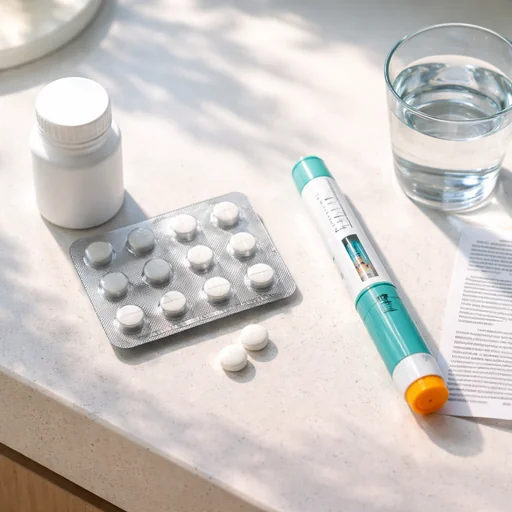
If you’re worried that your drinking is progressing at a fast pace it’s important to take steps to get it under control now. There are medications like prescription naltrexone and GLP-1 semaglutides that can help curb alcohol cravings and rebalance the brain’s reward system so that alcohol isn’t associated with euphoric effects.
Get started on improving your drinking habits with the Alcohol Use Assessment. In just a few minutes this confidential assessment gauges your drinking behaviors and provides feedback using the Audit-C test to identify hazardous alcohol use. You can also use the Choose Health telehealth platform to schedule a time to talk with a clinician about medication-assisted treatment.