A 2 minute assessment to get a personalized mental health or alcohol recovery plan.


The Sunday reset is supposed to protect your calm, your sleep, and your energy for the week ahead. A big Saturday night quietly undoes the very things you are trying to build.
What You'll Discover:
• What your Sunday reset is really protecting.
• How weekend drinking disrupts your sleep, mood, and energy.
• Why Monday feels harder after a boozy weekend.
• What a drink-light Sunday reset looks like in practice.
• Small ways to make the reset actually stick.
The Sunday reset has become its own kind of ritual. You tidy up, plan the week, prep a few meals, and try to walk into Monday feeling calm and a step ahead.
It is a genuinely good instinct. You are protecting your energy and your peace of mind before the week gets a chance to chip away at them.
Here is the catch that rarely gets mentioned. If Friday and Saturday ran a little long, the reset is fighting uphill before it even starts.
And most of the time, nobody connects the two. The tired, jittery Sunday gets blamed on stress or a bad night, when the real cause was poured hours earlier.
What Your Sunday Reset Is Really Protecting
Strip away the candles and the color-coded to-do list, and the Sunday reset comes down to three things: steady calm, real rest, and usable energy.
You want to feel settled instead of on edge. You want sleep that actually restores you. And you want to start Monday with a full tank instead of a deficit.
Those three are tightly linked. Good sleep feeds a steady mood, a steady mood protects your energy, and all of it decides how Monday feels.
Think of it as topping up your reserves. The reset works when you walk into Monday with more in the tank than you plan to spend.
Alcohol happens to touch all three of those reserves at once. That is why a heavy weekend can quietly cancel the whole effort, no matter how good the playlist and the meal prep are.
How Weekend Drinking Wrecks Your Sleep
Sleep is where the damage starts, and it is the most underrated part of the whole thing. A couple of drinks can help you fall asleep faster, which is exactly why it feels harmless in the moment.
The problem shows up in the second half of the night. As your body works through the alcohol, sleep quality drops in the back half of the night, with lighter sleep, more waking, and disrupted REM.
REM is the stage tied to emotional processing and feeling genuinely rested. When alcohol pushes it around, you can log a full eight hours and still wake up like you barely slept.
It is also why so many people snap awake around 3am after a night out and cannot settle back down. The early sedation wears off, and the body rebounds into a lighter, restless state.
And it does not take a bender to feel it. Even a few drinks close to bedtime can be enough to flatten the deep, restorative stages your body was counting on.
This is the part that quietly sabotages Sunday. You are not lazy or unmotivated, you are running on sleep that looked full but never went deep. We break the mechanics down in our guide to sleeping and alcohol.
How Weekend Drinking Wrecks Your Mood
The calm you are chasing on Sunday is usually the first thing alcohol takes back.
When you drink, your brain adjusts to the sedative effect to keep itself balanced. As the alcohol clears, the brain rebounds toward restlessness and anxiety, which is a big part of why the morning after can feel so uneasy.
That next-day unease has a name a lot of people use now, which is hangxiety. Research on hangovers finds next-day mood dips into higher anxiety and lower alertness even after the physical symptoms have faded.
The mechanism is simpler than it sounds. Alcohol leans on your brain's calming chemistry all night, and when it clears, that calm drops out while the stimulating side overshoots.
The cruel part is the timing. The anxiety tends to peak on the exact morning you set aside to feel grounded, so the whole reset starts to feel like it is working against you.
Now stack the poor sleep on top of that chemical rebound. You end up with a Sunday that feels tense and heavy for no reason you can actually point to.
If that low-grade dread sounds familiar, you are in good company. We go deeper into where it comes from in our guide to hangxiety.
How Weekend Drinking Drains Your Energy
Energy is the third casualty, and it is really the sum of the first two.
Poor sleep and a rattled nervous system leave you foggy and flat. On top of that, your body spends the night processing alcohol and its byproducts instead of doing its usual overnight repair work.
Alcohol also nudges dehydration and blood sugar swings, and both drag your energy down the next day. That overnight recovery load is a big reason alcohol is so closely tied to poor, unrefreshing sleep and the tiredness that trails it.
Caffeine can paper over it for an hour or two, but it cannot replace the sleep you did not get. The tank stays low until your body genuinely catches up, usually a full day later.
The result is the classic Sunday slump. You meant to walk and meal prep, and instead the whole afternoon disappears into the couch.
None of this is a character flaw. It is a predictable dip after a night your body spent recovering instead of resting. We map the link out in our guide to alcohol and energy levels.
Why Monday Pays the Price Too
The Sunday reset is really a gift to your Monday self. So when the reset does not land, Monday inherits the whole tab.
Sleep lost over the weekend does not fully repay itself in a single night. You walk into the week already carrying a small deficit you did not choose.
The planning and prep you meant to knock out on Sunday tends to slip too. So Monday morning gets spent catching up instead of getting ahead, which is the exact opposite of the point.
There is a quieter cost as well. When Monday starts in a hole, it is easier to lean on the same habits again by Friday, and the loop repeats itself week after week.
Protect the weekend inputs, though, and Monday flips. You wake up rested, the plan is already made, and the week starts on your terms instead of against you.
A Boozy Weekend vs a Drink-Light Sunday Reset
Here is the whole argument in one glance.
The Drink-Light Reset That Actually Delivers
Now the good news. You do not have to give up the reset or white-knuckle a dry life to get the payoff. You mostly have to protect the inputs.
A drink-light weekend does not mean zero fun. It means keeping alcohol low enough that your sleep, mood, and energy all show up on Sunday intact.
A few moves that genuinely work:
• Cap the night early. A last drink well before bed protects the back half of your sleep.
• Alternate each drink with water or a non-alcoholic option. It keeps the total down without making it a whole thing.
• Eat before and during. Food slows absorption and softens the next-day hit.
• Anchor Sunday morning. A walk, some sunlight, and a real breakfast restart your energy faster than another hour in bed.
Pick one or two of these to start, not all four at once. A single change you actually keep beats a perfect plan you abandon by the second weekend.
None of these ask you to be perfect. They just tilt the odds back toward the calm you were after in the first place.
The payoff also compounds faster than most people expect. A couple of steadier weekends turn into steadier weeks, which is exactly what we cover in our guide to the benefits of drinking less alcohol.
One Weekend Is Enough to Feel the Difference
You do not have to commit to anything permanent to see whether this is real for you. Pick one weekend and keep it light on purpose.
Then pay attention to Sunday. Notice how easily you fall into the reset, how steady your mood sits, and how much actually shows up in the tank on Monday.
Most people are surprised by how quickly the difference lands. One clear-headed Sunday tends to be more convincing than any article, including this one.
You can even jot a quick note on Sunday evening about how you feel. A week later, comparing a light weekend against a heavy one makes the pattern impossible to miss.
That single weekend also makes the next one easier. You stop bargaining with yourself, because you already know exactly what the payoff feels like.
When the Reach Feels Automatic
For some people, cutting back sounds easy and simply is not. If the weekend drink feels automatic, that is common, and it is not a willpower problem.
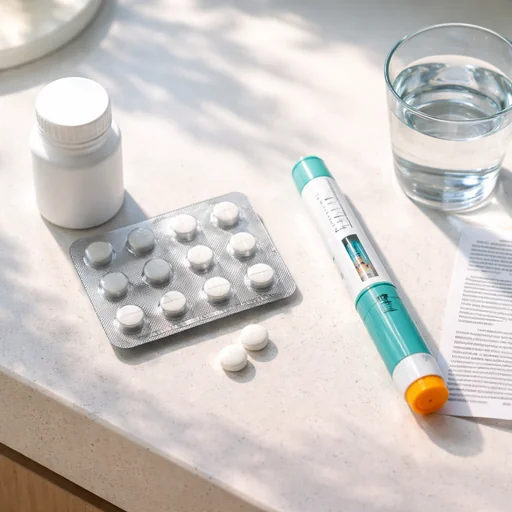
This is where a medical tool can help. Naltrexone is an FDA-approved medication for alcohol that blocks the reward loop, so the pull toward the next drink softens over time.
It works quietly in the background. You are not fighting the craving with sheer will, the medication is turning the volume down so the choice gets easier to make.
Some people take a 50mg tablet about an hour before they expect to drink, so a night out winds down after one or two instead of five. Paired with the small habits above, it can turn a good intention into a repeatable Sunday.
This is educational and not medical advice. A clinician can help you decide whether it fits your health and your goals.
It Is Not All or Nothing
A lot of people assume the only options are drinking the way they always have or quitting entirely. The Sunday reset lives in the middle, and that is where most of the payoff is.
You can still meet friends, still have a glass, still enjoy the night. The goal is simply to keep it light enough that Sunday belongs to you again.
That middle path is often easier to sustain than a hard rule, because it does not ask you to white-knuckle anything. You are adjusting the dial, not flipping a switch.
The Bottom Line
Your Sunday reset is worth protecting, because calm, rest, and energy are the foundation of a good week. Weekend drinking chips away at all three before the week even starts.
The fix is not a stricter routine or more discipline on Sunday. It is protecting the inputs, mostly by keeping alcohol light enough that your sleep and mood survive the weekend.
Drink a little less, and the reset finally does what it promised. You wake up on Monday ahead instead of behind, and the calm you were chasing is actually waiting for you.
Support built on clinical, neurological, and behavioral science is here if you want a hand making the shift, and you do not need to hit a crisis to deserve it.
Frequently Asked Questions
Why do I feel so anxious the day after drinking?
As alcohol leaves your system, your brain rebounds toward restlessness. Combined with poor sleep, that creates the tense, uneasy feeling many people call hangxiety.
Does drinking really ruin my sleep if I fall asleep fine?
Yes. Alcohol helps you fall asleep faster but disrupts the second half of the night, reducing REM and deep sleep, so you wake up less rested.
How long before bed should I stop drinking?
The earlier the better. Finishing your last drink several hours before bed gives your body time to process it and protects your deeper sleep stages.
Can I still drink on the weekend and feel good on Sunday?
Often yes, if you keep it light. Fewer drinks, spaced out and finished early, let your sleep and mood recover enough to enjoy Sunday.
What is a drink-light Sunday reset?
It is a weekend where alcohol stays low enough that your sleep, energy, and calm carry into Sunday and Monday, so your reset routine actually works.
Does drinking less really make Monday easier?
For most people, yes. Better weekend sleep and a steadier mood mean you start the week rested and ahead instead of catching up on lost ground.
If cutting back feels harder than it should, you have options. Take an online Alcohol Use Assessment with Choose Your Horizon to see if naltrexone could help you protect your weekends and your Mondays. Start your online Alcohol Use Assessment here.