A 2 minute assessment to get a personalized mental health or alcohol recovery plan.

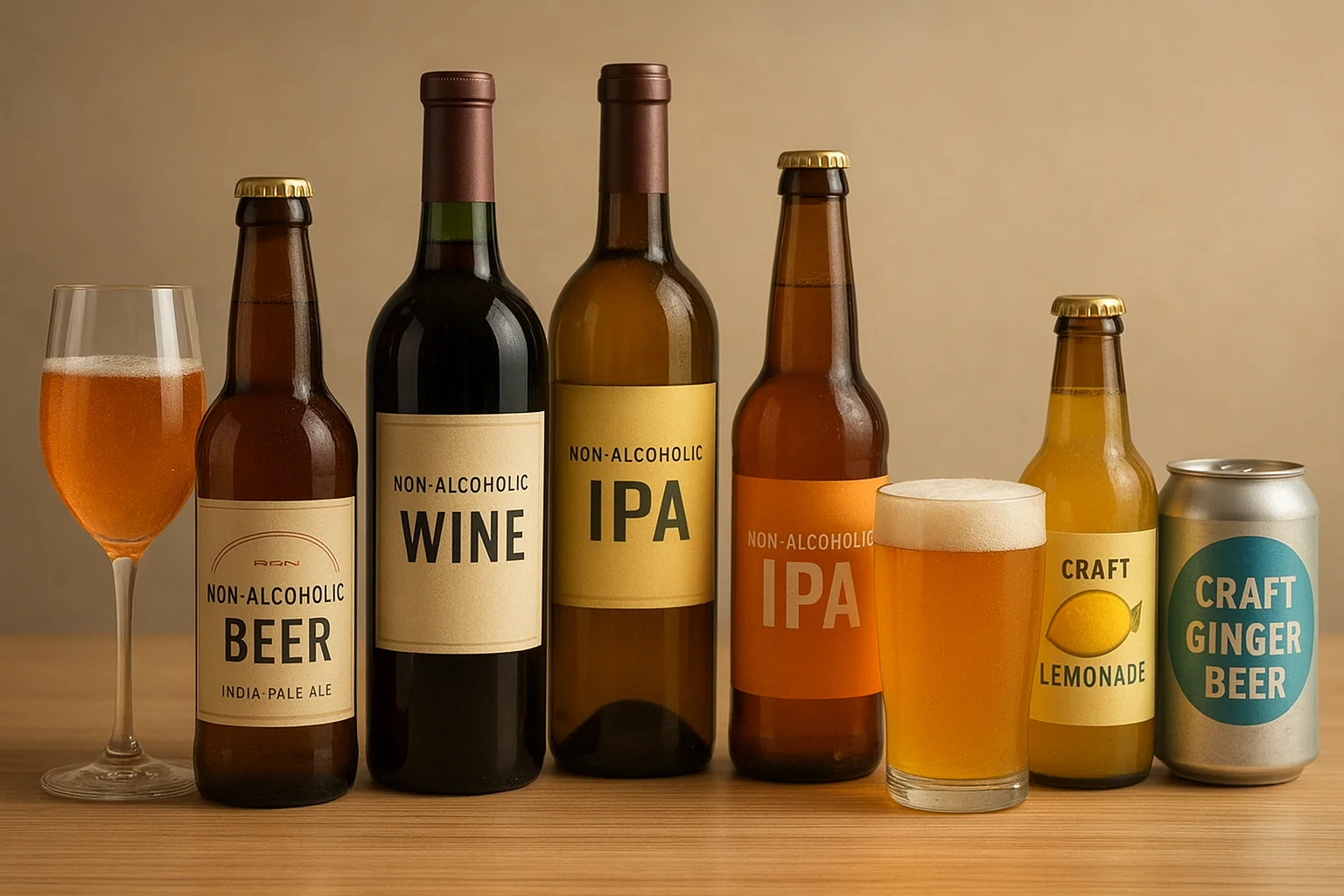
The best alcohol replacements aren't just "not alcohol." They offer genuine satisfaction, ritual, and even physiological benefits.
What You'll Learn:
• Why certain beverages work better than others as alcohol replacements.
• Drinks that provide genuine relaxation and stress relief.
• How to create satisfying rituals around non-alcoholic options.
• Premium NA beverages worth trying.
• When beverages alone aren't enough.
When someone asks "what can replace alcohol," they're usually not asking about hydration. They want to know what can fill the role that alcohol played—the evening ritual, the social drink, the stress reliever. Finding genuinely satisfying alternatives makes the difference between sustainable recovery and constant feelings of deprivation.
The good news is that many options exist today that weren't available even a few years ago. The non-alcoholic beverage market has matured significantly, and we now understand more about why certain drinks satisfy and others don't.
Understanding What You're Actually Replacing
Before choosing replacements, it helps to understand what alcohol provided. According to the National Institute on Alcohol Abuse and Alcoholism, alcohol affects the brain by enhancing GABA (a calming neurotransmitter) and releasing dopamine (associated with pleasure and reward). It also dampens activity in the prefrontal cortex, reducing anxiety and inhibition.
No non-alcoholic beverage will perfectly replicate these effects—and that's actually fine. The goal isn't to find a legal drug that works like alcohol without the calories. The goal is to find satisfying alternatives that meet enough of your needs that you don't feel constantly deprived.
Different people drink for different reasons. Some want relaxation. Some want social lubrication. Some want ritual and routine. Some want taste and complexity. Effective replacements address these specific needs rather than trying to be a universal alcohol substitute.
Beverages That Provide Real Relaxation
Several non-alcoholic options offer genuine calming effects through different mechanisms than alcohol.
Chamomile Tea
Chamomile is one of the most studied herbal remedies for relaxation. Research published in Phytomedicine found that chamomile extract significantly reduced anxiety symptoms compared to placebo. The active compound apigenin binds to benzodiazepine receptors in the brain, producing mild sedative effects.
The ritual of preparing tea adds to its effectiveness. Boiling water, steeping the tea, sitting down with a warm cup—these actions signal to your nervous system that it's time to relax. The warmth itself activates the parasympathetic nervous system, promoting calm.
Chamomile won't knock you out like alcohol does. But it provides genuine, measurable relaxation without impairment, hangover, or dependency. For many people, this gentler effect is actually preferable once they get used to it.
Kava
Kava is a root from Pacific Island cultures that produces noticeable relaxation effects. It works on GABA receptors similarly to alcohol but without the cognitive impairment. Users describe it as "alcohol without the drunk."
Kava is available in powder form (traditionally mixed with water), as tea, and as prepared beverages. The effects are real and immediate—typically felt within 20-30 minutes. It can create a pleasant sense of calm and mild euphoria without intoxication.
Some cautions apply. Kava can interact with medications, and there have been concerns about liver effects with very heavy use or poor-quality products. Using reputable sources and moderate consumption addresses most concerns.
For people who want something that actively feels like "something," kava often fits better than options that work more subtly.
L-Theanine Beverages
L-theanine is an amino acid found naturally in tea, especially green tea. It promotes relaxation without drowsiness by increasing alpha brain waves—the same pattern seen during meditation.
Dedicated L-theanine beverages have emerged as a category, often combined with other calming ingredients. These functional relaxation drinks provide noticeable but subtle calming effects that many people find helpful for evening wind-down.
The beauty of L-theanine is its lack of impairment. You feel calmer and more focused rather than sedated. This makes it suitable for situations where you want to relax but still need mental clarity.
Premium Non-Alcoholic Beers, Wines, and Spirits
The NA beverage category has transformed dramatically. What was once a wasteland of bland options now includes genuinely excellent products.
Non-Alcoholic Craft Beer
Modern NA craft beers use sophisticated brewing techniques that preserve flavor while removing alcohol. Some brands now produce stouts, IPAs, pilsners, and other styles that satisfy even beer enthusiasts.
The key is treating NA beer as its own category rather than a compromise. Many people who switch to NA beer discover they actually prefer it for everyday drinking—all the refreshment and social ritual without the impairment or next-day effects.
The ritual remains intact: cracking open a cold one after work, having beers with friends while watching the game, enjoying a brew with dinner. The beverage changes, but the ritual continues.
Non-Alcoholic Wine
NA wine has been harder to perfect than NA beer because much of wine's complexity comes from fermentation. However, several producers now make respectable options using dealcoholization techniques or alternative approaches like grape juice crafted with wine-style processing.
Set expectations appropriately. NA wine won't taste exactly like its alcoholic counterpart. But for many occasions—a glass with dinner, something festive for celebrations—the ritual and approximate experience satisfy the need.
Red grape juice, especially high-quality options, can also fill this niche. The tartness, complexity, and deep color provide sensory satisfaction similar to wine.
Non-Alcoholic Spirits
The most interesting innovation has been NA spirits designed for mixing. These products attempt to capture the botanical complexity, bite, and ritual of spirits without the alcohol.
Some use adaptogens, nootropics, or mild active ingredients to provide a subtle effect beyond just flavor. Others focus purely on taste and ritual—a convincing gin-and-tonic experience without the gin.
The mixology ritual appeals to many former cocktail enthusiasts. Measuring, mixing, garnishing, and presenting a beautiful drink provides satisfaction regardless of whether it contains alcohol.
Functional Beverages for Different Needs
Beyond traditional categories, functional beverages address specific needs that alcohol might have served.
Stress Relief Formulas
Many companies now produce drinks specifically formulated for relaxation. These typically combine multiple calming ingredients: adaptogens like ashwagandha, herbs like chamomile or lavender, amino acids like L-theanine, and sometimes CBD (where legal).
The best of these actually work. They're not placebos—they're products formulated to produce specific physiological effects. Read ingredient lists and choose products with ingredients that have research support.
Mood Enhancement Options
Some functional beverages target mood elevation rather than just calm. Ingredients like rhodiola, maca, or certain nootropics can produce subtle mood-lifting effects that address the "reward" aspect of drinking.
These won't create alcohol-like intoxication, but they can make an evening feel a bit brighter and more pleasant—enough that you don't feel like you're missing out.
Sleep Support Beverages
If you used alcohol as a sleep aid (even though it actually disrupts sleep quality), drinks formulated for sleep might help. Ingredients like valerian, passionflower, and magnesium promote genuine restful sleep without the sleep architecture disruption that alcohol causes.
After switching from alcohol to proper sleep support, many people discover they sleep better than they did when drinking—a welcome surprise during recovery.
Creating Satisfying Rituals
Beyond the beverage itself, ritual matters enormously. Alcohol drinking is rarely just about the liquid—it's about the entire experience.
The Importance of Presentation
Drinking sparkling water from a wine glass creates a different experience than drinking it from a plastic cup. Using nice glassware, adding garnishes, creating visual appeal—these details signal to your brain that this is special, not a compromise.
Invest in glasses you enjoy. Have garnishes available: citrus wheels, fresh herbs, specialty ice. Make your evening beverage feel like an event rather than a consolation prize.
Establishing New Routines
The after-work drink serves as a transition ritual—a clear signal that work time has ended and personal time has begun. Creating a new version of this ritual helps maintain that psychological boundary.
This might mean preparing an elaborate mocktail at the same time you would have poured a drink. Or it might mean a completely different ritual—a walk, a meditation session, a hot shower—that serves the same transition function.
During your first week without alcohol, establishing these new rituals is especially important. The early days are when the absence of familiar routines feels most acute.
Social Rituals
Drinking is often social. Having a go-to order at bars ("club soda with lime, please"), knowing which restaurants have good NA options, and feeling confident about what you're drinking all help maintain social rituals without alcohol.
Many people find that being prepared reduces anxiety about social situations. Knowing exactly what you'll order and being comfortable with it removes the awkwardness of deciding in the moment.
When Beverages Aren't Enough
For some people, finding the right beverages is sufficient. They discover options they genuinely enjoy, establish new rituals, and don't miss alcohol much.
For others, especially those with more severe alcohol use disorder, no beverage will satisfy the neurological craving that alcohol creates. The brain has been changed by alcohol use, and it wants alcohol specifically—not a substitute.
If you've tried various replacement beverages but still struggle with strong cravings, returning to drinking, or feeling constantly deprived, additional support may help.
Naltrexone is an FDA-approved medication that reduces alcohol cravings by blocking opioid receptors involved in alcohol's rewarding effects. It doesn't create replacement euphoria—it reduces the pull toward alcohol specifically. This makes alternative beverages more satisfying because the brain isn't constantly comparing them unfavorably to alcohol.
For comprehensive guidance on all types of alternatives, see our guide to alcohol alternatives.
Building Your Personal Replacement Strategy
Finding what works requires experimentation.
Try Multiple Categories
Don't assume that because you drank beer, only NA beer will work. Many beer drinkers find more satisfaction in kombucha or craft mocktails than in NA beer. Wine drinkers sometimes prefer sparkling water in a wine glass to NA wine.
Assess Different Needs Separately
You might need different beverages for different situations. Something relaxing for evening wind-down, something social for parties, something celebratory for special occasions. One product doesn't need to do everything.
Give Options Time
Initial reactions don't always predict long-term satisfaction. Something that seems underwhelming at first might become a beloved ritual with repetition. The brain needs time to build new associations.
Focus on What You Gain
Rather than dwelling on what's missing, notice what you're gaining: better sleep, clearer mornings, improved health, money saved. These benefits compound over time and eventually outweigh any sense of deprivation.
Summary
Replacing alcohol effectively means finding beverages that address your specific needs:
For Relaxation: Chamomile tea, kava, L-theanine beverages, and functional relaxation drinks can provide genuine calming effects through different mechanisms than alcohol.
For Ritual: Premium NA beers, wines, and spirits allow you to maintain drinking rituals—the after-work beer, the wine with dinner, the cocktail hour—without alcohol.
For Variety: The NA market now offers enough variety to suit different tastes, occasions, and moods. Experimentation helps you find your preferences.
For Additional Support: When beverages alone don't address the neurological pull of alcohol, medication like naltrexone can reduce cravings and make alternatives more satisfying.
If you're looking for what can replace alcohol in your life and want support beyond beverages alone, take an Alcohol Use Assessment to explore whether naltrexone might help.